bdc magazine

What Air Quality Regulations Must Farm Trucks Meet?

Air quality is a public health issue, especially in urban areas where congestion can cause serious problems for pedestrians and residents. You might assume that rules are not as strict in rural areas, since less traffic and lower population density should ensure air quality is not compromised, even by large

Read More »

5 Features That Make Homes Sell Fast

If you’re selling your home, the good news is that 2022 still sees a seller’s market, which means you get to call the shots. Inventories are low, and demand is high, so selling fast is on the cards – provided you play them right. But what makes USA real estate

Read More »

How To Ensure Proper Traffic Management in a Construction Site

For construction workers and site managers, ensuring proper traffic management is one of the most critical aspects of their job. This means creating a safe and efficient system for handling the flow of vehicles and pedestrians through the work zone. There are several factors to consider when designing a traffic

Read More »

PLANNING APPROVED FOR NET ZERO CARBON LOGISTICS SCHEME

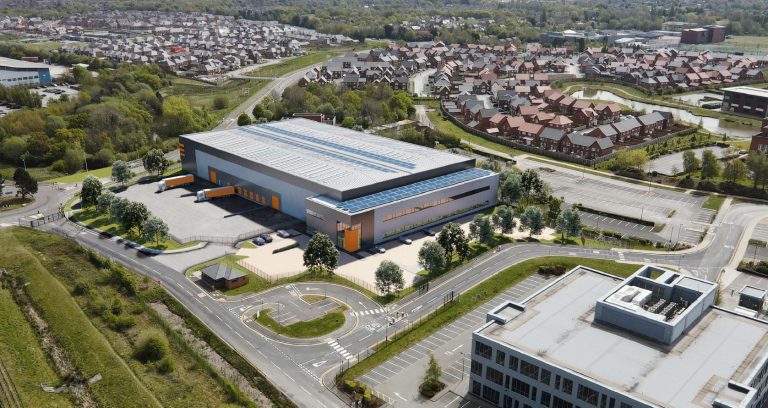
Work Starts On 88,888 Sq Ft Evo Warrington 89 Development Evo Industrial has secured planning consent and started preparatory work to develop EVO Warrington 89, a modern, logistics and HQ industrial unit located on Omega Boulevard in Lingley Mere, Warrington. CBRE and Williams Sillitoe have been appointed as joint agents

Read More »

GMI Construction Group to build new sustainable construction centre in the Jewellery Quarter

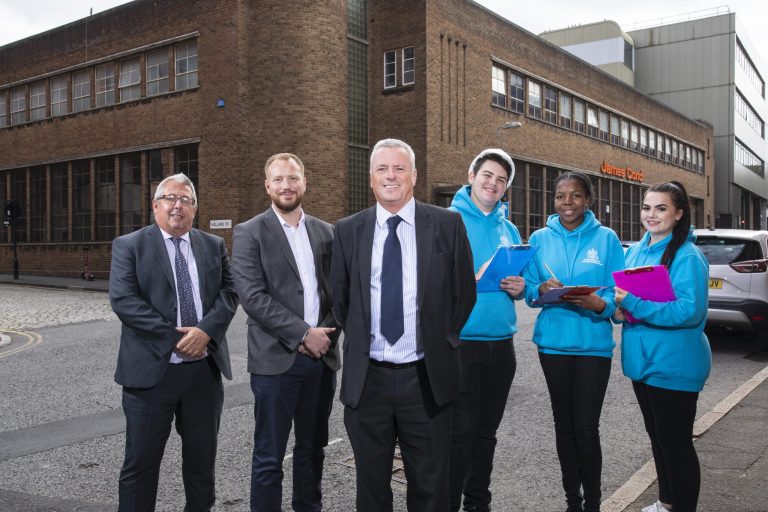
GMI Construction Group has been appointed by University College Birmingham to develop a state-of-the-art sustainable construction skills centre in the Jewellery Quarter, Birmingham. The project, located in the Jewellery Quarter’s Conservation Area, will see GMI regenerate the iconic James Cond print works building into a skills centre for University College

Read More »

Etex goes beyond sustainable lightweight construction and commits to 2030 circularity and decarbonisation targets

To face our world’s critical needs for sustainable and qualitative living spaces, global building material manufacturer and pioneer in lightweight construction Etex further pledges to be an agent of change in the sustainable building sector. Next to its intrinsically sustainable portfolio, Etex is doing more by setting clear ambitions for

Read More »
Latest Issue
Issue 335 : Dec 2025

bdc magazine

BTS set to evaluate critical role of measurement within BEIS heat pump ready programme

The BEIS Heat Pump Ready Programme is a part of the UK Government’s Heat and Buildings Strategy to transition to Net Zero; BTS partners with Veritherm and Elmhurst Energy Consultancy to deliver project objectives Build Test Solutions (BTS), alongside Veritherm and Elmhurst Energy Consultancy, have secured support from BEIS under the Heat Pump Ready Programme to focus explicitly on the role of using on-site measured building performance parameters to optimise and validate heat pump system specification, design, and management. The Heat Pump Ready (HPR) Programme forms part of BEIS’s £1 billion Net Zero Innovation Portfolio (NZIP), which aims to accelerate the commercialisation of innovative clean energy technologies and processes through the 2020s and 2030s. As a key solution for decarbonising homes, heat pumps will be critical for meeting the UK’s legally binding commitment to achieve net zero by 2050. The Heat Pump Ready Programme will support the development of innovative solutions across the heat pump sector. The Government’s recently published Heat and Buildings Strategy sets out several key commitments for helping to ensure that the transition to low-carbon buildings is affordable and achievable for all, including delivering a package of measures to scale up the deployment of heat pumps to 600,000 a year by 2028 and to support industry to reduce the costs of heat pumps. The Strategy set out the ambition to work with industry to reduce the upfront costs of heat pumps by 25-50 per cent by 2025 and to parity with boilers by 2030, as well as making them as cheap to run as a gas boiler.  The capital cost, lifetime operational cost and lifetime efficiency of both ground and air source-based heat pumps are all fundamentally linked to establishing the required combined space heating and hot water demand profile. Get it wrong and an undersized heat pump cannot adequately heat the home, while oversized heat pumps cost more and don’t run as efficiently. In most cases, approximately two-thirds of this demand is driven by space heating requirements. However, this is currently determined through heat loss calculation software underpinned by a series of assumed inputs. This can be useful as a guide but with the introduction of smart meters, low-cost sensors, and newly established techniques, it is now possible to measure key performance parameters directly on a per property basis at scale. The awarded 15-month project is to be delivered by BTS in partnership with Veritherm, both of whom are leading providers of thermal performance measurement solutions, along with Elmhurst Energy Consultancy. Together the businesses will work together to determine: “Veritherm are delighted to be working alongside BTS and Elmhurst to explore how measured building performance can play a crucial part in the mass rollout of heat pumps,” says Tom Fenton, Founder and CEO of Veritherm. “We believe the project will highlight a new methodology that uses real-world data to improve system specification, design, and management. The collaboration brings together the UK’s leading innovators in building performance measurement and we hope the outputs from our research will help to break down barriers to adoption, whilst providing valuable insights that can be shared with the industry.” Richard Jack, BTS Technical Director, adds: “The argument is simple. No two buildings are ever the same and yet desktop heat loss calculations rely on identikit assumptions and fixed parameters. We are delighted to have been awarded this project and we are going to take this opportunity to demonstrate that the measurement of building heat loss is not only cost-effective and highly scalable, but it also delivers better outcomes including, crucially, optimal lifetime heat pump system functionality and performance.” For more information, visit: https://www.gov.uk/government/publications/heat-pump-ready-programme-successful-projects/heat-pump-ready-programme-stream-2-projects.

Read More »

Land & Water awarded the contract for A VAST Thames Water River Restoration project

Leading wet civil engineering firm Land & Water has been awarded a place on the framework contract for the Thames Water River CP0033 Restoration and associated works. This groundbreaking project will see the implementation of river restoration and fish passage, improving available habitats and resilience within rivers. Land & Water will develop small and large scale solutions to improve the waterways, mitigate the impact on the environment and enable Thames Water to meet regulatory requirements as part of the Water Industry National Environment Programme (WINEP). As part of the overhaul and improvement of the waterways, work will include weir removal or modifications, channel bed re-profiling, riverbank re-profiling and replacing banks with softer, natural options. Barriers to fish passage will also be overcome, with pass channels and other solutions such as rock ramps and in-channel gravel (to allow fish to lay their eggs). Having successfully worked on other environmentally sensitive sites, Land & Water is an expert at implementing ‘soft’ nature-based engineering solutions and is experienced in dealing with regulators and local communities. It has previously restored hundreds of miles of waterways throughout the UK for the Canal & River Trust, building solid working relationships with the Environment Agency, Natural England, land owners and local stakeholders. Fiona Moore, Divisional Business Manager, said: “We’re very excited to bring our wealth of experience to developing these projects over the coming years. “The result will be a transformation and improvement of the Thames Waterways, reducing the impact on the environment and meeting its obligations under the Water Framework Directive. “As custodians of the environment, it also ensures that we are safeguarding habitat for the flora and fauna for years to come.” Thames Water is the UK’s largest Water and Wastewater services provider, serving 15 million customers, supplying more than 2.6 billion litres of drinking water on average, per day to 9 million drinking water customers and recycling waste from 15 million people safely back to the environment. A key driver for the river restoration programme is to mitigate the impact from abstractions. However, the complexity of river systems means that reducing abstraction alone may not address all of the pressures in the impacted area, and therefore there needs to be improvements throughout the river environment. The scale of the framework will see the works varying from small local projects which can be delivered manually and with minimal mechanical input, through to larger scale schemes.

Read More »

Sofia Wind Farm and Dogger Bank C provide funds to Whitby Lobster Hatchery

Whitby Lobster Hatchery has announced that two offshore wind farms will increase and extend their support to help the charity officially open its doors for the first time and continue its work to create a sustainable future for the Yorkshire coast and the local Whitby area. Both Sofia and Dogger Bank C offshore wind farms will provide funds to the charity to help with the installation of the sophisticated hatchery equipment at its Whitby Fish Market site, which will be used to enable the of release of 100,000 juvenile lobsters into the ocean each year. Sofia Offshore Wind Farm is 100% owned by RWE and Dogger Bank C, the third phase in the wider Dogger Bank Wind Farm, is owned by SSE Renewables (40%), Equinor (40%) and Eni Plenitude (20%). The projects are cooperating closely due to their proximity and to reduce impacts on local stakeholders, including the fishing community. The Hatchery’s small but knowledgeable team works closely with the local fishing industry on its three aims of conservation, primarily of increasing local lobster populations; education to teach young and old about the marine environment, and promoting research in partnership with local universities. Its objectives align closely with those of both the wind farm projects and their owners. Whitby Lobster Hatchery General Manager, Joe Redfern said: “In what has been a concerning past few months for the North East coast, with extremely low lobster numbers and wash-ups on beaches, the hatchery hopes to be part of the solution releasing juvenile lobster into impacted areas.  “This funding, and the earlier support provided by both the Sofia and Dogger Bank projects has been hugely influential in helping us deliver our ambitions for the Whitby Lobster Hatchery. It has allowed us to continue to make great steps of progress with the hatchery installation.. Everyone at the hatchery project is extremely grateful for the support we have received from Sofia and Dogger Bank, and we look forward to collaborating in the future. “ The two separate wind farm projects are sited on Dogger Bank in the middle of the North Sea, more than 190 kilometres from the north-east coast of England. The power they produce will be transmitted by export cables that arrive on shore between Redcar and Marske-by-the-Sea, on Teesside. Elizabeth Reynolds, Fisheries Liaison Manager for Dogger Bank Wind Farm, said: “The charity has made huge strides since we initially lent our support, and we’re delighted to be able to help them reach new milestones along with neighbouring Sofia.” “The project will undoubtedly bring huge educational, tourism and conservation benefits to Whitby and its surrounding communities, as well as helping the local fishing industry and supporting a more sustainable future in line with our own ambitions as a developer of renewable energy infrastructure.” Carol Cooper, Sofia’s Fisheries Liaison Manager echoed the sentiments saying: “Sofia is proud to support the charity and acknowledge the great work that Joe and others have done to progress the Hatchery, which will give tangible benefits not only to the local fisheries industry, but to the wider community as well. “By increasing awareness of the marine environment and importance of conservation, the hatchery will become a focal point in Whitby, benefitting the generations to come.” As well as helping with the hatchery equipment, the support from the two offshore wind farms will be a catalyst for Whitby Lobster Hatchery to deliver its conservation aims of releasing 100,000 juvenile lobsters into the ocean every year. By rearing lobster larvae in the hatchery, the charity will dramatically boost the lobsters’ chance of survival. The conservation charity has high ambitions to ensure the protection and conservation of lobster populations in the region and help ensure the future of our fishing fleets. They also hope to inspire young people on the importance of looking after their local environment and create an institute for important marine and fisheries research. The facility will provide an excellent opportunity for jobs and training. Recently they have taken their first intern from Teesside University as well as providing amazing experiences for volunteers. Check out their website if you would like to get involved. Construction work at its fish market location in Whitby has now started, with the specialist designed lobster hatchery due to be open in October. Later this year work will begin to establish a visitors’ centre adjoining the hatchery. The Marine Discovery Centre will provide insight into the fishing industry, our native marine wildlife, and the importance of conservation projects such as the Whitby Lobster Hatchery.

Read More »

What Air Quality Regulations Must Farm Trucks Meet?

Air quality is a public health issue, especially in urban areas where congestion can cause serious problems for pedestrians and residents. You might assume that rules are not as strict in rural areas, since less traffic and lower population density should ensure air quality is not compromised, even by large agricultural vehicles. The reality is that there are air quality regulations to comply with wherever you’re based, applying to farm trucks just as they apply to family SUVs and compacts. Let’s talk about why these rules matter, and how they are applied across the country. The reasons behind air quality regulations There are many motivating factors that are responsible for the creation of air quality regulations, and one of the main issues is cost. It’s estimated that illnesses caused by air pollution amount to a $150 billion impact on the economy annually. From increasing the prevalence of asthma to catalyzing heart disease, the pollutants and particulates produced by combustion engine vehicles create or exacerbate all sorts of conditions. There are technologies that can reduce air pollution, but it’s best to use these in combination with regulations to limit the emission of dangerous matter in the first place. Different states have different regulations, e.g. CARB in California As with many aspects of the law in the US, there are often sizable gulfs between how air quality regulations are managed and enforced from state to state. The California Air Resources Board (CARB) is one of the most stringent bodies in this regard and regularly updates its rules to make commercial vehicles in particular greener. Manufacturers track these changes and aim to keep up with the strictest regulations with new products, but you can still find CARB compliant trucks on the used market. That means you don’t have to spend a fortune to get compliant. There’s also the Clean Air Act, which is used by the Environmental Protection Agency to hold states to account on legal minimums, and there is also the Clean Trucks Plan which will apply to heavy-duty trucks and other commercial vehicles sold nationwide starting in 2027. Because of these differences, and the variations in how the federal-level regulations apply to depend on the age, size, and use of the vehicle, it’s worth researching your specific needs in depth to ensure you know about your own obligations in this regard. Air quality is impacted by more than just trucks Another point to make about air quality regulations is that sometimes there’s more at play than the rules laid down by the authorities when it comes to determining the amount of pollution that builds up in the atmosphere of a given state. Utah is a great example of this, and it’s primarily down to the fact that the state is laced with mountain ranges, which act as natural barriers to polluted air, trapping it in place rather than allowing it to escape. At the other end of the scale is Hawaii, a state with the best air quality overall, according to the American Lung Association. Again, the reasons for this are geographic, as the main issues it faces are dealing with the threat of volcanic eruptions. Final thoughts Making sure that farm trucks meet air quality regulations is important, because it may impact your ability to visit certain other states, depending on whether your vehicles are compliant. As such it can be seen as a move that makes sense from a business perspective, rather than something that is solely about saving the environment. Even so, it’s still a socially responsible thing to do and will benefit the whole community as well.

Read More »

5 Features That Make Homes Sell Fast

If you’re selling your home, the good news is that 2022 still sees a seller’s market, which means you get to call the shots. Inventories are low, and demand is high, so selling fast is on the cards – provided you play them right. But what makes USA real estate sell fast? Check out the features that make prospective home buyers fall in love, and see how your home stacks up. Remember – making extensive alterations may not be profitable in terms of property value, so steer clear of costly revamps unless you’re sure they’ll gain a good return on investment. Need a few quick fixes? Keep up with the latest news on all things property-related. Now let’s dive in and check out those must-have features. 1. An Awesome Kitchen Check out the top home renovation trends and what do you see? Kitchens, kitchens, and still more kitchens. It’s the top trendsetting feature of any home, so having your kitchen looking up-to-date and ready to receive a gourmet chef is a definite selling point. However, before you go overboard, consider the cost versus the benefits you might get from them. Selling fast is clearly one of them, but at what cost? For example, quartz countertops scream luxury, but come with a hefty price tag. Laminated plywood is still a step above chip-base and won’t set you back by as much. 2. A Home Theater Going to the movies is seriously out of style. Instead, having a room that’s purely intended for watching streamed entertainment is all the rage. That means dimmer switches for lights, outlets for surround sound and the screen, soundproofing and ample room for seating with a step up for the second row if there’s room for one. Will your home sell without one? Quite possibly, but if you do have a home theater, it’s a definite selling point to highlight. 3. A Double Plus Garage Most American families own at least two cars, and some own three. Either way, a double garage will be seen as minimum by many home buyers and extra room for storage is always welcome. If you’re in a hurry to sell and only have as ingle garage, consider installing an additional carport – extending your garage doesn’t add enough value to make it a worthwhile short-term proposition. 4. A Solar Power System If you have a solar system, even a limited one, it’s a selling point! Be sure to highlight this fact if you already own one. You’ll attract more “greenies” and those who are interested in feeling self-sufficient. If you don’t already have a solar system, don’t add one just to sell your house faster without first looking at potential return on investment. Chances are, it’s better to leave things as they are and let the buyer add solar panels if they want them. 5. Built-In Storage Have you tried to buy a cupboard lately? Wardrobes and chests of drawers are two a penny, but storage with shelving is no longer a popular stand-alone. Home buyers will expect to find homes with plenty of built-in storage ranging from kitchen units to bedroom wardrobes. Despite just about everyone advising folks to cut down on “stuff,” the average family has plenty of it and will want space to put it. Bonus Tip: Bathroom Beautiful Let’s close off with a bonus tip. Roomy, fresh bathrooms with a spa-like feel are super-popular with home buyers. If revamping your bathroom looks like more of an expense than an area for profit, do the best you can to present your existing bathroom well. That means tidying away personal items and ensuring that everything is sparkling-clean before people come to view your home. Before selling – READ This – If you need to sell quickly and don’t have the time or resources to undertake repairs or renovations, consider using We Buy Any House as an alternative route to sale. They will buy your property as-is in as little as 3 days, saving you time and effort while ensuring a quick sale.” Ready to sell? Be careful about the renovations you undertake for a faster sale. Most people like a move-in-ready home, but adding too much to your costs before selling is a tradeoff between how fast you want to sell and how much you’re willing to spend in order to sell fast. Even if your additions are brand new, you’re unlikely to recover their full cost. Approach presale renovations with this in mind and use smart staging to make what you have look more appealing. Add link to housereal.net/

Read More »

How To Ensure Proper Traffic Management in a Construction Site

For construction workers and site managers, ensuring proper traffic management is one of the most critical aspects of their job. This means creating a safe and efficient system for handling the flow of vehicles and pedestrians through the work zone. There are several factors to consider when designing a traffic management plan, including the type and size of the construction project, the number of workers and vehicles on site, and the location of the work zone concerning other traffic. Some of the most common traffic control measures used in construction zones include: Hire Traffic Control Services Hiring traffic control services is one of the most important steps to ensure proper traffic management on a construction site. Traffic controllers are professionals who are trained in managing and directing traffic flow, and they can help keep your construction site safe and efficient. Find the best traffic control services near you to ensure that the people controlling your traffic are familiar with the place. For instance, if the site is located in Narwee, NSW, check out https://sstc.net.au/traffic-control-services/ and consider hiring this team of experts. There are a few things to keep in mind when hiring traffic control services: Make sure the company is experienced and has a good reputation. Ask for references and check them out. Make sure the company is insured and bonded. Get some quotes from different companies and compare prices. Hiring traffic control services is a significant investment, but it is worth it to ensure the safety of your construction site. Taking the time to find a reputable and experienced company will pay off in the long run.   Install Signages and Instructions Safety signs play an essential role in maintaining facilities compliant and workers informed. Construction workers and laborers must have sufficient knowledge to identify different types of hazards in the construction site, the risk level of each hazard, and the safety measures to take. Occupational Safety and Health Administration (OSHA) requires employers to keep staff safe, and having a visual communication approach, such as safety signs, is the answer. Signage includes Notification signs and Safe operation Instruction signage to keep your employees informed. These signs will notify the workers of the location of first aid kits, emergency eyewash sites, and other details concisely and clearly. Additionally, signages are also effective visual instruction to manage vehicle and foot traffic within the site to ensure that pedestrians and vehicles know where they should go to avoid traffic congestion. Provide Better Visibility for Vehicles When vehicles reverse in locations where people can’t be excluded, the risk increases, and visibility becomes critical. Hence, if you want to increase visibility within the construction site and help manage the traffic, you should consider aiding drivers with mirrors, reversing alarms, and CCTVs so drivers will have better visibility around the vehicle. Installing proper lighting is also key to improving visibility as it lets pedestrians and vehicle drivers better see each other, especially after sunset or during bad weather. Remember that operating under low light conditions poses numerous additional hazards to construction workers. For example, sight distance will be significantly reduced, and headlight glare may momentarily conceal objects until it’s too late to avoid them. Regarding people within the construction site, you should ensure that they wear additional high-visibility accessories so that vehicle drivers can easily see them and avoid any accidents. Maintain Clear Routes Traffic control is a vital part of any construction project. Hiring professional traffic control services can help ensure the safety of your workers, pedestrians, and motorists. Traffic control services can also help you maintain clear routes and avoid potential congestion and delays. When construction projects occur, it is vital to maintain clear routes for pedestrians and motorists. Hiring traffic control services can help you do this. Traffic control services can help you set up signs, cones, and other traffic control devices. They can also help you direct traffic around the construction site. Hiring traffic control services can also help you avoid potential congestion and delays. Traffic control services can help you plan the flow of traffic around the construction site. They can also help you monitor traffic conditions and make adjustments as needed. During construction health and safety checks, Health and Safety Executive (HSE) inspectors look for well-organized sites, free-flowing walkways, and access routes. Keeping the routes clear will also ensure that the emergency exits are free of obstruction so that people can evacuate freely and immediately during emergencies. Site Logistics Site logistics play a pivotal role in the success of any construction project. Poorly managed site logistics can lead to delays, accidents, and injuries. So, to avoid these issues, it is important to have a clear plan for managing traffic at your construction site. This includes specifying who is responsible for traffic control, setting up traffic signs and cones, and managing construction vehicles. According to Michelle Gray, core construction EHS leader, Speed limits should be imposed within the site where it’s applicable to help manage vehicle traffic. He also added that traffic flow must be organized and coordinated to keep vehicle speeds low and reduce travel routes to parking areas, trailers, and the loading and unloading stations. It’s also safer for vehicles to make right-hand turns in and out of the construction site. It eliminates the need for cross-traffic. Conclusion Construction sites can be hectic places, with many large vehicles and equipment moving around. Thus, it’s crucial to have a good traffic management plan in place to ensure the safety of everyone on site.

Read More »

PLANNING APPROVED FOR NET ZERO CARBON LOGISTICS SCHEME

Work Starts On 88,888 Sq Ft Evo Warrington 89 Development Evo Industrial has secured planning consent and started preparatory work to develop EVO Warrington 89, a modern, logistics and HQ industrial unit located on Omega Boulevard in Lingley Mere, Warrington. CBRE and Williams Sillitoe have been appointed as joint agents on the speculatively developed scheme which will be Evo Industrial’s fifth Net Zero Carbon building. Howard Russell Construction has been appointed to construct the unit which will be available in Spring 2023. The building focuses on low running costs and a low carbon footprint and will achieve BREEAM Excellent and Net Zero Carbon when in use, targeting an A+ rating for energy performance. The property will include recycled materials, solar roof panels, comfort cooling, LED lighting, parking for 88 vehicles, EV car charging points and a warehouse flooded with natural light. The fully fitted first floor offices are designed with high-speed fibre broadband and will be ready to occupy with raised access floors making hardware installation easy. The location on Omega Boulevard and just off Junction 8 of the M62 offers easy access to Manchester, Liverpool, and beyond. Other major occupiers within the area include Amazon, Asda, Brakes, Domino’s Pizza, Hermes, Royal Mail, The Hut Group and Travis Perkins. Adam Courtenay, Director at Evo Logistics, said: “It’s a major milestone for us to be developing our fifth Net Zero Carbon building and this is a fantastic site to be bringing that aspiration to life. and we are looking forward to seeing progress between now and the building’s launch in Spring next year.” Paul Cook, Senior Director at CBRE Manchester, said: “We are delighted to be appointed on this scheme for Evo Industrial. A net zero carbon building, EVO Warrington 89 is situated in an excellent position close to the M62 Motorway with access to several cities and airports. With businesses currently seeking properties offering low running costs and a low carbon footprint, we are confident there will be high interest in this scheme.” Mark Sillitoe, Director, Williams Sillitoe commented: “Logistics developments don’t get any better than this.  Prime location, best in class building.  This will undoubtedly be well received in the market.”

Read More »

ROCKWOOL® launches the UK’s most thermally efficient stone wool for cavity walls

NyRock® Cavity Slab 032 combines the UK’s lowest lambda rating for stone wool with acoustic and fire performance, plus space saving capabilities ROCKWOOL has launched NyRock® Cavity Slab 032 providing specifiers with a low lambda, non-combustible stone wool slab for full and partial fill masonry cavities that enables a thinner wall construction. NyRock Cavity Slab 032 has been developed using NyRock technology, the manufacturer’s patented production process that creates a more efficient fibre structure than traditional stone wool products. With its 0.032 W/mK thermal conductivity value, users can achieve a U-value of 0.18 W/m²K with a thickness of 150mm, depending on construction type, which is 25mm thinner than standard stone wool cavity products within the same wall build up. As with all ROCKWOOL stone wool insulation, NyRock Cavity Slab 032 can withstand temperatures in excess of 1000°C, achieving the highest Euroclass A1 non-combustible reaction to fire classification. It also benefits from a high density semi rigid composition meaning it will not slump in the cavity and retains the same thermal and fire resistance properties more than 55 years after installation according to independent research.[1] NyRock Cavity Slab 032 comes in 455mm widths to suit standard vertical wall tie spaces and achieves a closely knitted joint with adjacent slabs, without the need for taping of the joints. This helps eliminate gaps allowing for continuity of insulation across the cavity. “Energy efficiency is a very real and immediate challenge for the construction sector,” said Paul Barrett, Head of Product Management at ROCKWOOL UK. “Alongside the need to improve the thermal effectiveness of existing buildings against a backdrop of rising energy bills, our eyes must also be on the more onerous requirements of the Future Homes Standard and the UK’s wider 2050 net zero carbon target too. “NyRock Cavity Slab 032 gives specifiers a new level of thermal performance for stone wool alongside spacing saving capabilities, and acoustic and fire performance that are equally critical when providing occupants with comfortable and safe spaces. These performance benefits are also backed by a strong commercial offer including a competitive price point and installation efficiencies such as ease of cutting and fitting on-site.”  Having undergone an extensive testing programme, NyRock Cavity Slab 032 is suitable for new build, renovations and extensions and has British Board of Agrément (BBA) certification[2] for full and partial fill applications. All ROCKWOOL stone wool insulation comprising NyRock technology have water repellent properties and can be recycled indefinitely. Stone wool insulation is manufactured from naturally occurring volcanic rock that is abundant in supply as it is continually replenished by the earth’s crust. For more details on NyRock Cavity Slab 032 and the wider NyRock range, visit rockwool.com/uk/nyrock. [1] FIW (German test and research institute), Durability Project Mineral Wool, 2016 [2] BBA Certification 22/6252

Read More »

GMI Construction Group to build new sustainable construction centre in the Jewellery Quarter

GMI Construction Group has been appointed by University College Birmingham to develop a state-of-the-art sustainable construction skills centre in the Jewellery Quarter, Birmingham. The project, located in the Jewellery Quarter’s Conservation Area, will see GMI regenerate the iconic James Cond print works building into a skills centre for University College Birmingham’s intake of construction students next year. Offering courses in areas such as modular buildings, retrofit construction, and green technologies, the centre will specialise in teaching skills that support the region’s growth areas, including sustainable construction methods and renewable energy. Current construction students will also have the opportunity to get involved with the build, offering them real-world experience and the chance to help build their own learning facility. GMI will commence building works in October 2022 and the project is expected to be completed ready for September 2023’s intake of students. Gareth Jones, Construction Director at GMI, said: “We’re looking forward to working with University College Birmingham on the regeneration of this historic building in Birmingham’s Jewellery Quarter, unlocking new opportunities for the area through improved access to education. “Improving the sustainability of the construction industry is high on our agenda, so it’s a pleasure to be working on a project that will provide training in this area and equip the future workforce with the skills they need to make a positive change to the industry.” Professor Michael Harkin, Vice-Chancellor and Principal at University College Birmingham, added: “There is a great need for new talent in the sustainable construction field, with hundreds of thousands of new workers expected to be required in the next few years. “We look forward to working with GMI to bring this much-needed skills centre to life, and welcoming new students to the facility next year.” To find out more about GMI, please visit: www.gmiconstructiongroup.co.uk. 

Read More »

Etex goes beyond sustainable lightweight construction and commits to 2030 circularity and decarbonisation targets

To face our world’s critical needs for sustainable and qualitative living spaces, global building material manufacturer and pioneer in lightweight construction Etex further pledges to be an agent of change in the sustainable building sector. Next to its intrinsically sustainable portfolio, Etex is doing more by setting clear ambitions for the next eight years across five priority areas: health, safety and well-being; decarbonisation; circularity; diversity, equity, and inclusion; and customer engagement. Etex’s 2021 Sustainability Report is accessible here. Etex’s answer to the world’s needs for sustainable and qualitative living spaces Climate change and societal challenges demand sustainable stewardship from businesses, governments and the wider public. Etex strives to be an agent of change in the sustainable building sector committed to combating climate change. Driven by six megatrends – resources scarcity, a growing world population, ageing cities, technological evolutions, growing complexity and productivity matters – Etex made key strategic investments in the technologies and areas of expertise that should be crucial for the future. With its effective lightweight construction solutions and innovative building materials such as plasterboards, fiber cement boards or glass mineral wool, Etex embraces the demand for high-quality, energy-efficient and sustainable living and working spaces. Etex’s lightweight construction solutions are 15 to 45% less emission-intensive to produce and offer the potential to reduce raw material and energy use, contributing to long-term circularity through deconstruction, reuse and recycling. Sustainability as key strategic driver As part of the construction industry value chain, Etex depends on raw materials, energy, water and other ecosystem services. By design, the industry has a significant environmental footprint: 26% of greenhouse gas emissions are from the construction value chain. At the same time, social considerations matter along this value chain. As a proactive partner, Etex strives for continuous improvement towards people and the planet. In recent years, Etex laid a solid foundation to become a more sustainable organisation. In 2020 the company became a signatory of the United Nations Global Compact (UNGC) for sustainable and responsible business practices. As a global citizen, Etex also committed to supporting the United Nations 17 Sustainable Development Goals (SDGs) by implementing concrete projects and initiatives. Together with a wide range of internal and external stakeholders the company defined where it has the biggest impacts and where it can secure the biggest sustainability wins. These early efforts have already paid off, with tangible results and recognition. In 2021 Etex published its first-ever Sustainability Report. In its most recent business sustainability assessment as a supplier in 2021, Etex received a silver medal from EcoVadis in recognition of its best-in-class sustainability management. The silver medal places Etex in the top 25% of all companies evaluated by EcoVadis. In 2021, Etex’s Environmental, Social and Governance (ESG) risk exposure was rated 18.1 out of 100, indicating that the company has a low risk exposure and is ranked favourably amongst its peers in the top 10% of the construction industry. Road to Sustainability 2030 It is now time to go further, which is why Etex decided to embark on its Road to Sustainability 2030. Etex’s sustainability goals are ambitious, and the company worked hard to translate them into dedicated workflows, clear action plans and targets. They are organised across five priority areas: Health, safety and well-being: the daily goal is to reach zero fatalities, harms or burnouts; Customer engagement: Etex aims to build a sustainable roadmap per product platform by 2025; Diversity, equity and inclusion: by 2025, Etex will cover all teammates by diversity, equity and inclusion policies, procedures and practices. It will also train all teammates on diversity, equity and inclusion as well as close the gender pay gap; Decarbonisation: the goal for 2030 is to reduce greenhouse gas emissions (intensity of scopes 1 and 2) by 35% compared to 2018; Circularity: by 2030, Etex will use more than 20% of circular input as raw material (compared to 2018), send zero waste to landfill, use 100% recycled packaging material and reduce plastic packaging with 20% (compared to 2018), offer a take back service of its product portfolio in 80% of its European countries, and dedicate 50% of its innovation resources to sustainability. Celebrating the sustainability successes of 2021 In line with Etex’s overall sustainability efforts and the publication of its first-ever Sustainability Report in 2021, the company also garnered significant successes over the past year. Among some of the achievements, Etex increased the percentage of its worldwide purchased electricity from renewable sources to 82%. Additionally, improvements in feeding production waste back into the production process and other successful activities led to a significant reduction in the amount of total waste generated, avoiding more than 45,000 tonnes. 2021 was also marked by innovation records. Etex’s solutions where a positive contribution to sustainability is the key feature made up 75% of innovation projects. To support the mental health of teammates, in September 2021 Etex sealed a partnership to offer an employee assistance programme accessible 24/7 to all teammates in their local languages. Regarding its overall work environment, Etex is motivated by a 2021 survey results which showed an 86% employee engagement rate across Etex, up 15% on 2018 and 6% above the manufacturing industry norm. Bernard Delvaux, CEO of Etex: “Today Etex has sustainability as a guiding compass of business transformation, with concrete objectives that reflect the company’s ambition. We are on an exciting journey towards improving sustainability in the short and long term. We know there is a long road ahead, which is why we invite all our stakeholders to further support us in becoming a leading benchmark in our industry.”

Read More »