June 6, 2023
Is it Possible to Self-Build Yourself?

Is it Possible to Self-Build Yourself?

Self-builds are increasing in popularity. But we don’t always know much about them or what they involve. When it comes to the construction side of things, it’s easy to feel overwhelmed. The process can be long, expensive, and time-consuming. So, ultimately, it helps to know a lot more about it

Read More »
Latest Issue
Issue 340 : May 2026

June 6, 2023

CLD Security Systems unveil new fully solar powered access barrier system

CLD Security Systems unveil new fully solar powered access barrier system

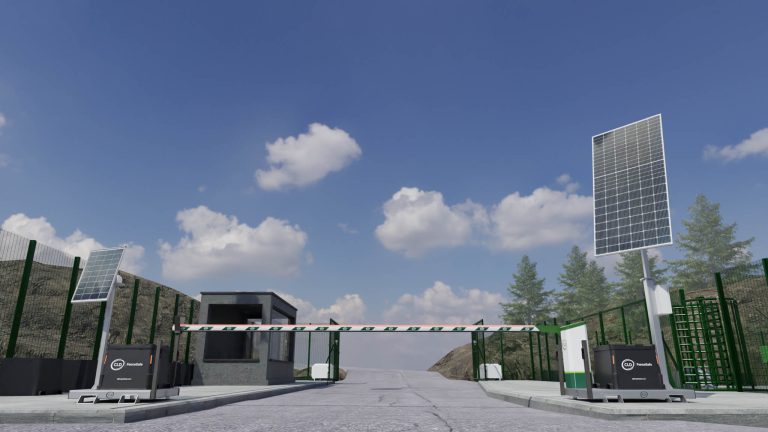
Leading manufacturer of physical security systems, CLD, has announced the launch of a fully autonomous off grid, solar powered automatic boom arm barrier system. The RiseMaster HE will be exhibited at Plantworx 2023, 13-15 June in Peterborough. As one of the largest suppliers of security fencing in the UK, CLD Systems offer tailored, trusted and durable security solutions to protect environments such as data centres, schools, transport hubs, manufacturing warehouses, high-profile sporting venues, open spaces, and Critical National Infrastructure (CNI) sites. Its latest product launch is the RiseMaster HE Barrier, a fully autonomous, off-grid, solar powered, automatic boom arm barrier system. The system is  available in both surface mount version – free standing and rapidly deployable – as well as a permanent version. Ideal for settings such as secure compounds, construction sites and events that require vehicular control, the product has been designed with sustainability in mind and features primary and secondary photovoltaic panels, eliminating the need for the installation of road crossing control cabling. The barrier system not only offers a more environmentally friendly option thanks to being completely solar powered, but also reduces carbon emissions due to no groundworks being required during installation. The RiseMaster offers off grid solar autonomy 24/7, 365 days a year and zero carbon emissions over a 10-year life cycle. It can be delivered with a full charge, utilising 100% renewable energy from the CLD factory. The RiseMaster can power auxiliary third party equipment such as intercoms, radio transmitters and other equipment, and is fully compliant with Safety Force Test Compliant to EN 12453:2017. Its barrier arm features an inbuilt red and green traffic light LED system to indicate when it is safe to enter or exit. It is also available with photocells to ensure accurate presence detection. The RiseMaster’s continuous flanged post is made from high strength steel for added durability and longevity. Its FenceSafe battery container allows static equilibrium of the system and housing of the batteries to be combined within the same container, providing users with a convenient and efficient solution for managing and securing its battery whilst reducing the amount of space required.   Like many CLD solutions, the RiseMaster is available on a rental basis, offering flexible on ground physical security that can be quickly and easily commissioned and removed to leave no trace. Thanks to Bluetooth connectivity this also reduces the number of physical tools required. CLD operates from a range of sites in the UK to also ensure guaranteed available stock to meet short lead time requirements. Russel Wells, Director of CLD Systems, comments: “Our products embrace the latest in innovative technology with sophisticated control systems to ensure the highest level of security and sustainability. The RiseMaster Barrier offers customers a tailored, easy to install solution which has been designed with British and European safety regulations in mind.” For more information on CLD Systems, please visit: www.cld-systems.com

Read More »
When to Replace Your Roof: Understanding the Lifespan of Different Roofing Materials

When to Replace Your Roof: Understanding the Lifespan of Different Roofing Materials

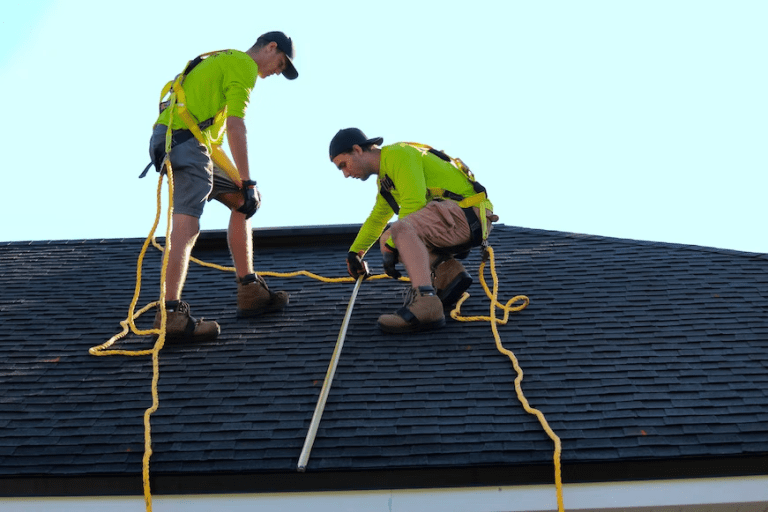
A roof is designed to serve as the protective shield of your home, effectively guarding it against damage from rain, snow, and hail. However, every roof has a predetermined life expectancy, which means its days are always numbered. Although most roofing materials come with a specific lifespan, real-life factors, and maintenance routines can significantly influence how long your roof remains functional. For example, proper upkeep and timely inspections can extend a roof’s life, but unexpected weather conditions or poor installation may cause an earlier deterioration. In other words, a roof’s actual life expectancy can be lower or higher than what’s stated on paper. As a homeowner, understanding this variation is essential to maximize your investment in your property and ensure that it stays protected for years to come. Factors That Determine How Long You’re Roof Will Last  The Lifespan of Different Roofing Materials 1. Asphalt Shingles: These are one of the most common roofing materials and typically last 15-30 years, depending on the quality and maintenance. 2. Wood Shingles and Shakes: With proper care and maintenance, these can last about 20-30 years. However, they may require more regular upkeep due to their susceptibility to moisture and insects. 3. Metal Roofing: Offering impressive durability, metal roofs can have a lifespan of 40-70 years, depending on the specific material used, such as steel, aluminum, or copper. 4. Clay or Concrete Tiles: These sturdy tiles can last anywhere from 50 to over 100 years, making them an excellent long-term investment for homes in suitable climates. 5. Slate Roofing: Known for their durability and longevity, slate roofs can last 100 years or more, making them an attractive option for homeowners seeking a long-lasting solution. Tips When Replacing Your Roof No matter the climate your home is in, the roofing material you chose, or the maintenance efforts in place, roof replacement becomes inevitable at some point. When this time comes, it’s essential to plan accordingly and invest in a high-quality, long-lasting solution to protect your property for years to come. One crucial consideration is seeking the services of experienced contractors with a reputation for professional roof replacements in your local area or professional roof replacements in Chicago. Working with a local roofer comes with several benefits, especially in areas like New Orleans where rainfall can be heavy, not to mention how unforgiving the heat, humidity, and storms/winds can be. Local roofers have the experience and expertise to recommend the best roofing materials suitable for your area’s climate and building codes. They also understand the unique weather challenges faced by homes in your region and are better equipped to provide tailored solutions. Entrusting your roof replacement to a skilled and reputable local professional will ensure a job well done, ultimately adding value and security to your property. Things You Can Do to Prolong Your Roof’s Lifespan To prolong your roof’s lifespan and keep it in tip-top shape after installation or replacement, implementing a regular maintenance routine is crucial. Inspect your roof periodically, especially after extreme weather events like storms or heavy snowfall. Detecting problems early on, such as missing shingles, leaks, or damaged flashing will prevent further deterioration. Additionally, clean gutters and downspouts regularly to maintain proper water drainage and avoid damage caused by water overflow or ice dams. Another helpful measure is ensuring proper attic ventilation. Balanced air circulation reduces heat buildup during hot summer months and prevents moisture accumulation in the colder months. This helps preserve the structural integrity of your roof by preventing warping or rotting due to vapor accumulation. Investing time and effort into these preventive measures will ultimately save you money by extending the life of your roof while keeping your property protected from the elements. In conclusion, understanding your roof’s lifespan and the factors that affect it is essential to ensuring your home remains protected and well-maintained. Emphasize regular inspections, maintenance, and working with experienced local professionals when roof replacement becomes necessary. With diligent care and attention, you can enjoy the numerous benefits of a durable, long-lasting roof for years to come.

Read More »
Is it Possible to Self-Build Yourself?

Is it Possible to Self-Build Yourself?

Self-builds are increasing in popularity. But we don’t always know much about them or what they involve. When it comes to the construction side of things, it’s easy to feel overwhelmed. The process can be long, expensive, and time-consuming. So, ultimately, it helps to know a lot more about it before you commit. For many of us, it’s important to know whether you can actually carry out a self-build yourself and what it involves. Let’s take a look. What is a Self-Build? So first of all, you might want to think about exactly what this is and what it involves. This can be a blanket term, but generally refers to the process of building a home. It can be something that many of us aspire to, yet we won’t always know how to get started. After all, building a house is a huge undertaking. So knowing how to do it, how much it costs, and whether you can actually do it yourself is important. What’s the Difference Between Building and Buying? Sometimes, people can be on the fence about whether to buy or to build. Of course, there are always going to be pros and cons for both – so you may find that it’s a good idea to work out which feels best for you before you get started. Why Build? The process of buying can feel pretty familiar. You see a house you like, you make an offer, it’s accepted. But in doing that, you accept the house as it is. And it may not be perfect for you or suit your needs. So sometimes, you’ll look to make changes to it. And even then – you can’t always get it the way that you want it. But when you build, you can get it right from the start. From room sizes to the facilities you need and even the design. This is often the biggest allure of a self-build. Do You Need Help? The simple answer here is always going to be yes. Unless you are a qualified building contractor yourself, you will want professional help. But even then, there are a range of trades that you’ll likely need to employ too. Even when you have a toolshed full of what you need, a mobile scaffold, and you’ve Googled what you need to do, you may benefit more from the support. After all, you want this to be done well. So it often pays to invest in help. Bringing Your Self-Build to Life Now all that’s left for you to do is bring your self-build to life. As you know, this isn’t always going to be the easier process, but you may find that you are able to create the house of your dreams by channeling a lot o energy into this. Whether you decide to do the bulk of the work yourself to work with experts, just make sure that you enjoy the process. Before you know it, your dream home will be brought to life.

Read More »