


Specialist student accommodation developer IQ has received planning approval to demolish the former Blackfriars Crown Court in Southwark and replace it with a £100m purpose-built student living scheme. The proposals will transform the long-derelict site on Loman Street into a development of 600 student rooms alongside 71 affordable homes.
The disused post-war complex on Pocock Street was originally constructed as a printworks for HM Stationery Office before later becoming Blackfriars Crown Court, which closed its doors in 2019. Since then, the building has remained empty, aside from a brief appearance as a filming location for the Netflix series Top Boy. IQ’s plans will see the structure demolished to make way for three new blocks rising to around nine storeys.
Southwark Council’s decision grants the developer full consent for a comprehensive redevelopment of the site, replacing an earlier adaptive-reuse concept brought forward in 2020 by previous owner Fabrix with architectural designs by Studio RHE. That earlier vision, known as Roots in the Sky, proposed retaining the existing 1950s structure and adding new upper floors to accommodate offices, leisure uses, retail and a striking rooftop garden complete with pavilions and a glass-bottomed pool. The 430,000 sq ft project had been due to be built by Mace.
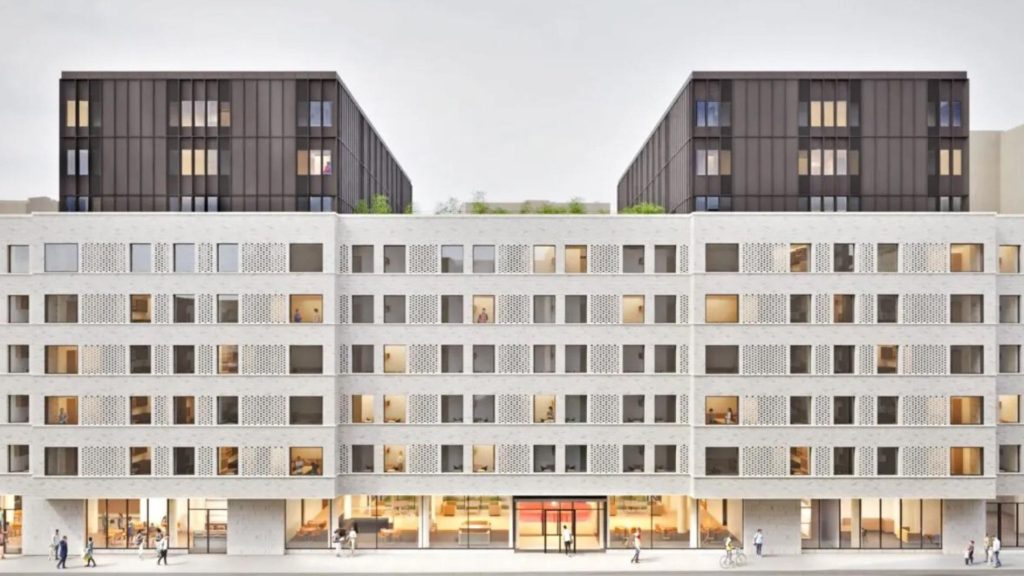
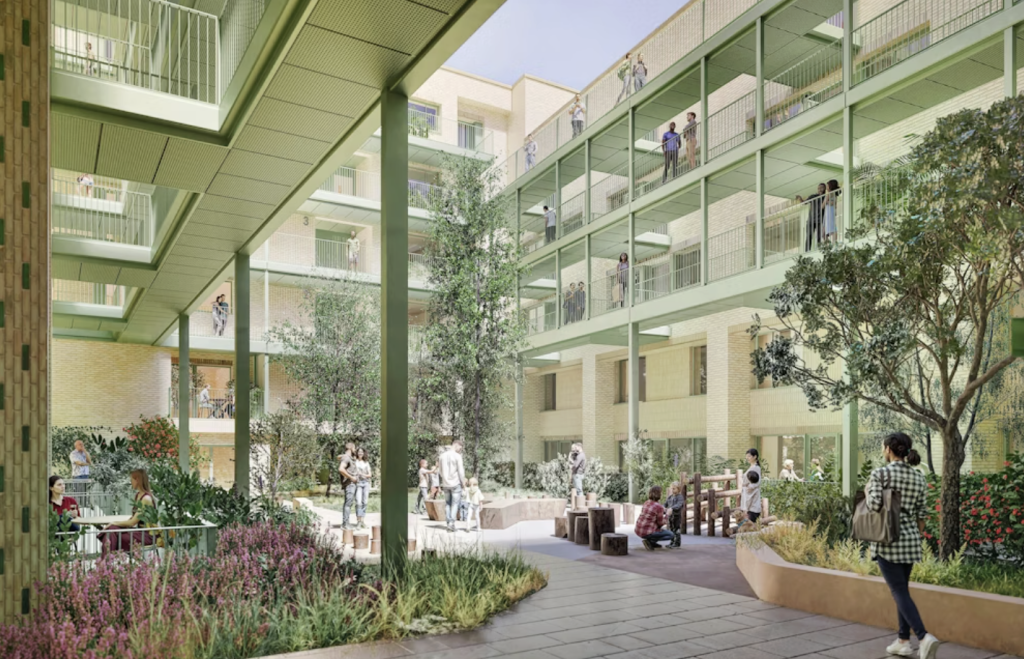
Under IQ’s ownership, the strategy has shifted decisively towards delivering much-needed student accommodation and affordable homes. The approved plans introduce two new blocks arranged around a landscaped pedestrian route designed to reconnect Loman Street and Pocock Street, improving permeability and strengthening links within the neighbourhood.
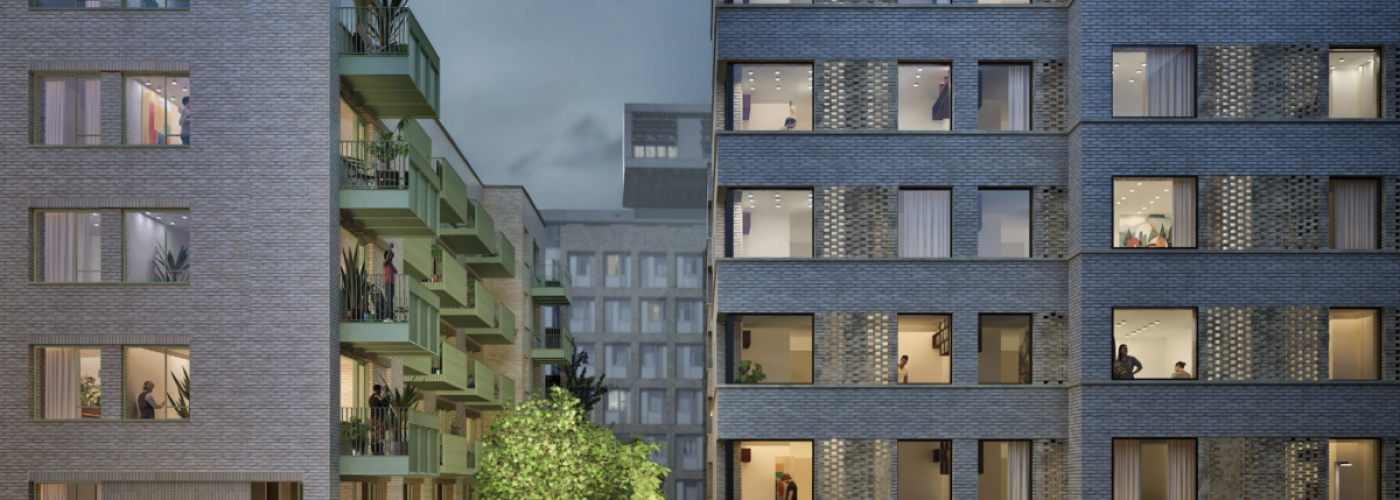
A dedicated residential block will deliver 71 homes for social rent, including street-facing duplexes to activate the frontage and contribute to a more vibrant streetscape. Deck-access upper levels will ensure the homes are dual aspect, enhancing natural light and ventilation.
The student accommodation block takes inspiration from local warehouse and brick-built architecture, featuring textured façades, strong horizontal detailing and an open ground floor that provides views into shared gardens and communal areas. The design aims to complement the area’s character while creating a contemporary living environment for students.
Construction is expected to begin in 2026, following further procurement activity. The redevelopment marks a major step in bringing a long-vacant site back into productive use, while helping to meet growing demand for student and affordable housing in central London.
Building, Design & Construction Magazine | The Choice of Industry Professionals