



- £40m programme to cut emissions by more than half at 35 public buildings
- Work started at Bootle Leisure Centre, Bootle Library, Prescot Soccer Centre, Wirral Country Park and Landican Cemetery
- Landmark waterfront buildings including Georges Dock Building and the Cunard to connect to Mersey Heat network
- Public buildings generate 13% of total emissions
- City Region has 600 publicly owned buildings emitting 77,000 tonnes of CO₂
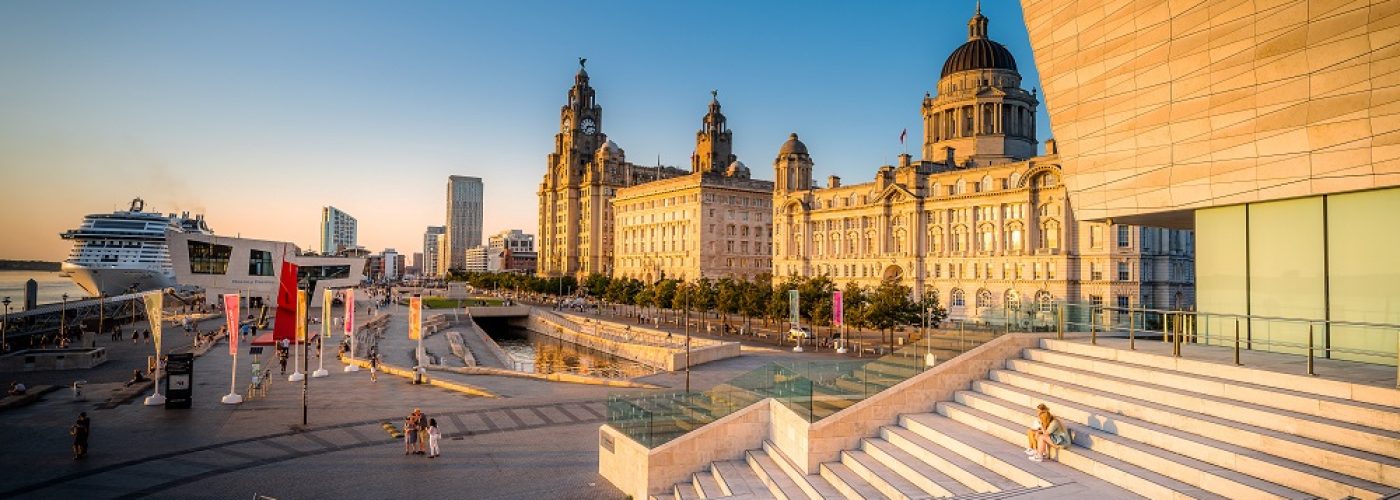
Liverpool’s world-famous waterfront is set to benefit from a £40m investment to cut carbon emissions at 35 public buildings across the City Region.
Work is starting on the major programme that will see heat decarbonisation and energy-saving measures introduced at many historic buildings, town halls, leisure centres and libraries – cutting emissions by more than half.
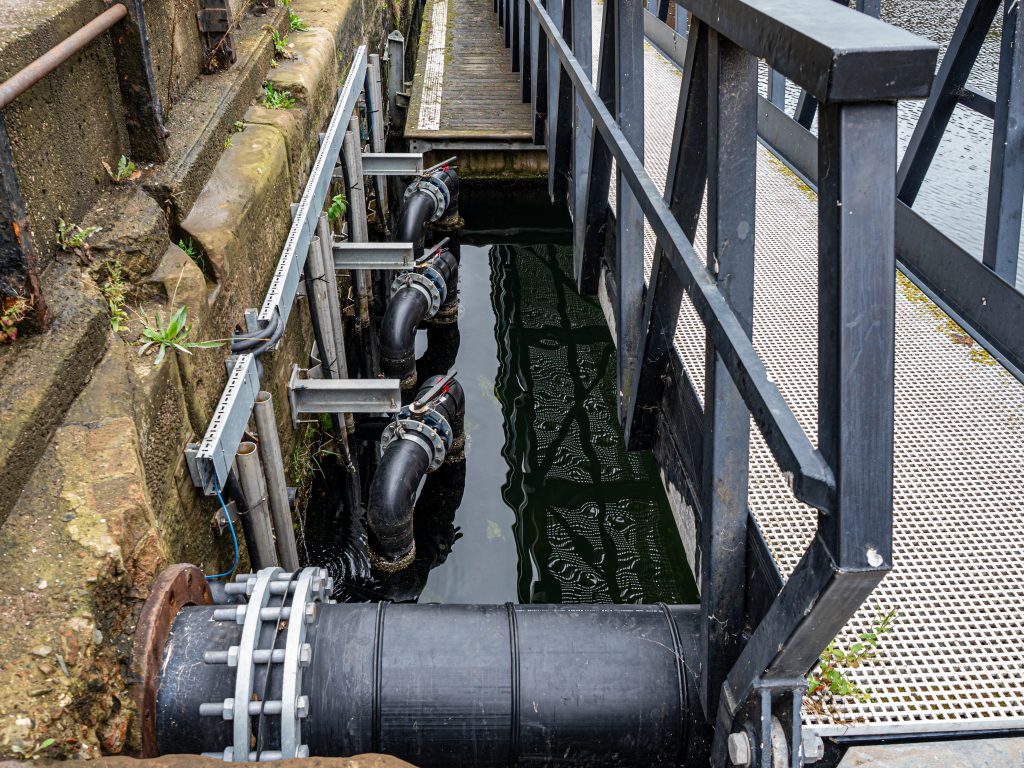
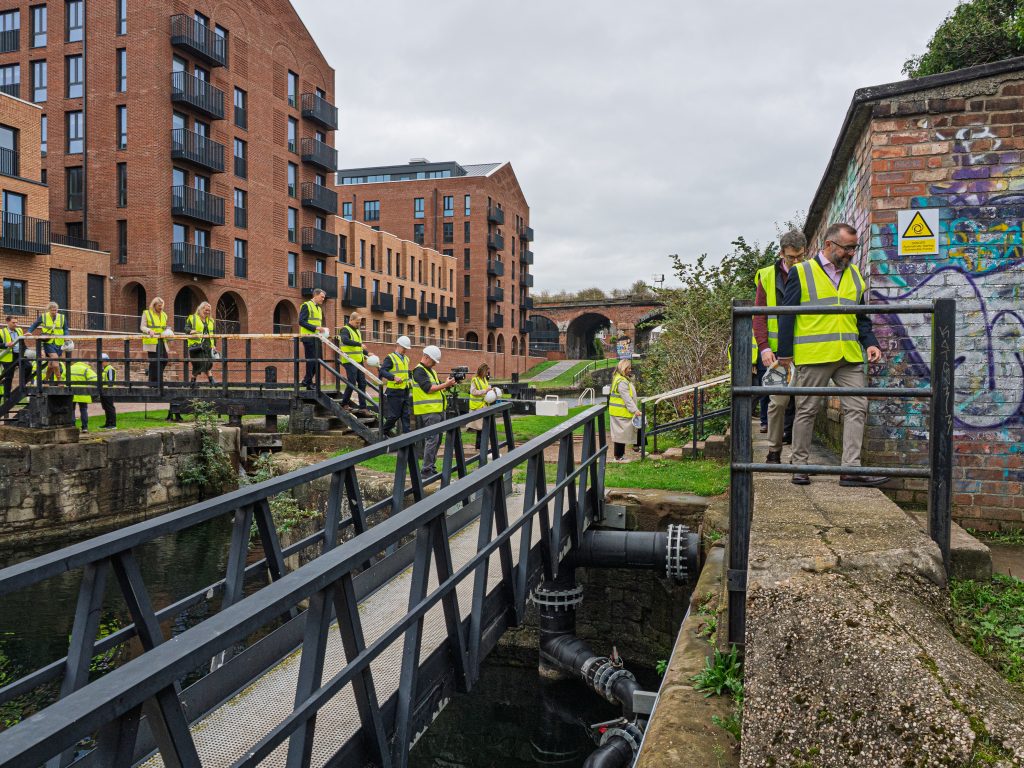
The project will connect landmark sites on Liverpool’s waterfront – including the Georges Dock and the Cunard buildings – to the Mersey Heat network, which is powered by water from the Leeds and Liverpool Canal.
It is the latest step in the Combined Authority’s five-year carbon action plan, approved in 2023, aimed at making the City Region net zero by 2035 at the latest – at least a decade before national government.
Work is already underway at Bootle Leisure Centre, Bootle Library, Wirral Country Park, Prescot Soccer Centre and Landican Cemetery to install low‑carbon heating systems and complementary measures, such as insulation upgrades, solar PV, and modern building controls, with eight buildings expected to be completed by March.
Cllr Anthony Burns, Liverpool City Region Cabinet Member for Net Zero, said:
“Cutting carbon is one of the most important ways we can improve people’s everyday lives, and this programme shows the scale of our ambition. By transforming our civic buildings, we’re reducing emissions, lowering energy bills and future‑proofing public services for decades to come.
“We know how big the task ahead is, but we also know the scale of the opportunity. With work already underway across the city region – from leisure centres and libraries to parks and historic landmarks – we’re proving that our commitment to reach net zero by 2035 is real, practical and already delivering results. Public buildings account for a sizeable amount of the total emissions, so it is right that we lead by example.”
Buildings account for most carbon emissions, with public buildings responsible for 13% of the total. Together, the city region’s six local authorities and the Combined Authority (CA) own more than 600 buildings that emit almost 77,000 tonnes of CO2.
The CA has secured £36m from the Public Sector Decarbonisation Scheme (PSDS). With additional funding from local authorities, a total of more than £40m will go towards improving energy efficiency, cutting carbon emissions and accelerating the transition to low-carbon heat across the region.
The programme, delivered by the Combined Authority Energy Team, unlocks the extension of the Mersey Heat network, which is already supplying the Liverpool Waters site, the Titanic Hotel and the Tobacco Warehouse apartments.
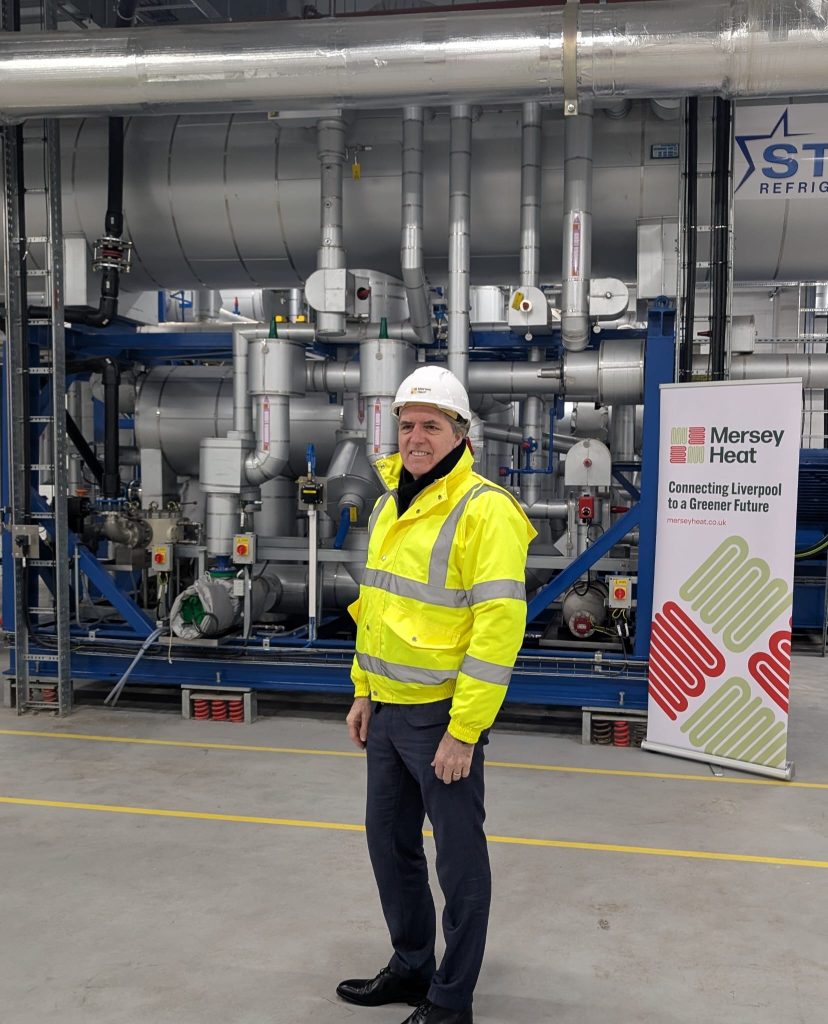
The network is driven by the Mersey Heat Energy Centre, developed by The Peel Group and Ener-Vate, which uses one of the UK’s largest water source heat pumps to extract energy from canal water.
Connections are planned to the Cunard Building and George’s Dock Building, with additional funding awarded to National Museums Liverpool to connect the Museum of Liverpool.
The expanded network is projected to reduce emissions by around 4,000 tonnes of CO₂ per year.
A range of measures to replace fossil‑fuel heating in each building with low‑carbon alternatives – such as heat pumps, solar thermal and district heating connection – will completely remove gas‑fired heating. Combined with fabric and energy‑efficiency upgrades, the programme is expected to halve energy demand and carbon emissions, saving around 21,500 MWh per year and cutting emissions by more than 50%.
Alongside PSDS investment, the Combined Authority has also secured £1.45m through the Mayoral Renewables Fund to deliver solar PV installations across 14 public buildings, providing a total of 1.2 MW of new renewable generation capacity across the region.
James Johnson, Head of Regional Programme at the North West Net Zero Hub, said:
“Retrofitting these buildings is a significant step, not only due to the reduction in emissions, but also in terms of the efficiencies that this will bring to the public estate. “Heat decarbonisation and energy-saving measures will help to reduce running costs and allow those savings to be focused back into communities. Lower energy bills mean more public money that can be spent on services.”
Building, Design & Construction Magazine | The Choice of Industry Professionals