



Out-of-town retail continued to outperform the wider retail market throughout 2025, cementing its position as one of the UK’s most resilient commercial property sectors, according to SHW’s Q1 2026 Retail Focus report.
Retail warehousing emerged as the standout performer, supported by low vacancy rates, constrained supply and sustained occupier demand, all of which helped drive rental growth across the year. Despite a modest dip compared with 2024, investment volumes remained healthy, with more than £2bn transacted in 2025. This level of activity sits comfortably in line with the sector’s 10-year average, with returns over the past 12 months averaging 9.8%.
Investor appetite has been particularly strong for well-located secondary assets offering attractive income returns. Groups such as Redevco and Realty have been active in targeting these opportunities, reflecting confidence in the sector’s long-term fundamentals.
Occupational demand has also remained robust. Vacancy rates across retail warehousing have held at around 5%, and space released following the failures of Homebase and Carpetright was swiftly absorbed by a mix of food retailers, DIY operators, discount brands and gym operators. There has also been a notable rise in retailers acquiring freehold interests in solus units to secure long-term occupation at lease expiry.
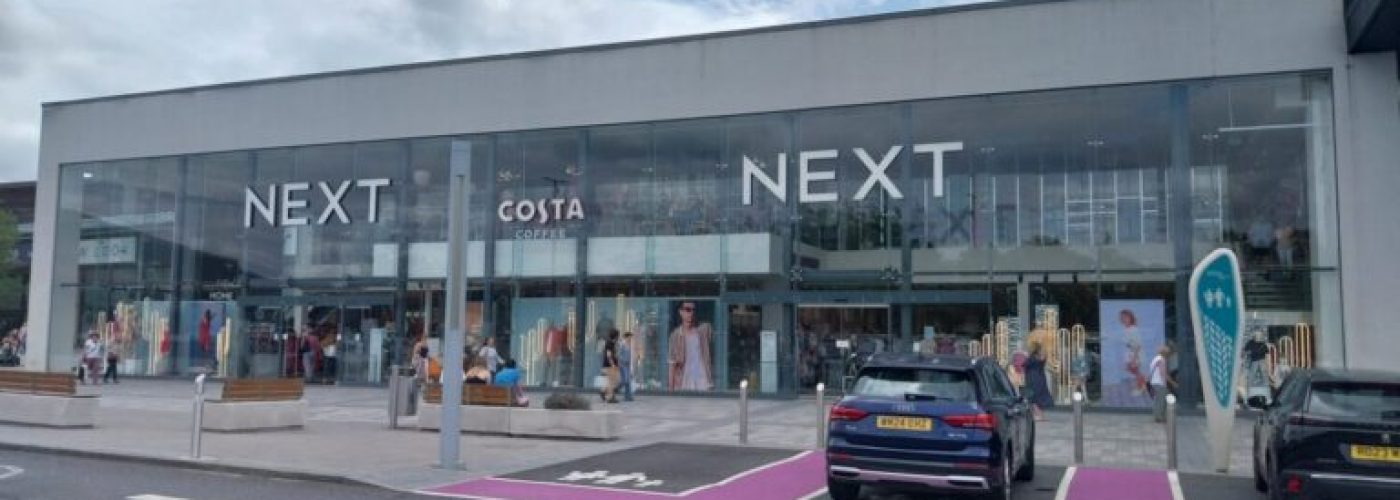
Letting activity has varied by location and scheme type. Operators such as Next, Superdrug and M&S Food Hall have continued to target schemes with a stronger high-street bias, while discount retailers including Home Bargains and B&M have pressed ahead with portfolio expansion.
While a small number of store closures have been announced by Hobbycraft, overall supply remains tight. Gym operators are increasingly competing with retailers for space, bringing new customer demographics to retail parks and strengthening footfall.
Food retailers reported generally positive Christmas trading, with Lidl and Aldi recording strong sales growth. Lidl has now become the UK’s fastest-growing bricks-and-mortar supermarket, while most other major grocers also saw uplifts. The food and beverage and quick-service restaurant sector has continued to expand, with fierce competition for drive-through sites. New opportunities released by Pizza Hut closures were quickly taken up, while fried chicken and coffee brands remain particularly active.
Looking ahead, SHW expects the retail warehouse sector to remain resilient through 2026, underpinned by limited new development, strong occupier demand and sustained investor interest.
For a copy of SHW’s Q1 2026 Retail Focus, which covers out-of-town and high street retail, please contact any member of the SHW team.
Building, Design & Construction Magazine | The Choice of Industry Professionals