
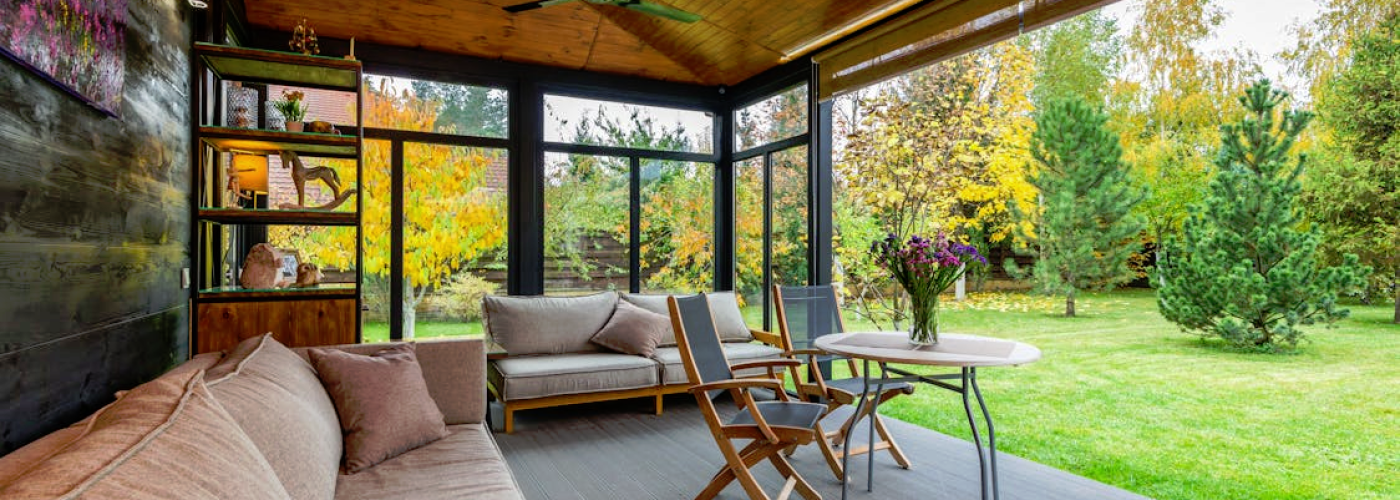


The traditional boundaries between the home and the garden are increasingly blurred in modern architecture. As homeowners seek to maximise their living areas without the logistical nightmare of a full-scale brick-and-mortar extension, architects and developers are turning toward versatile, high-end structural solutions. The goal is no longer just to provide a view of the outdoors, but to create a seamless transition that allows the exterior to function as an integral part of the home’s floor plan.
This shift in residential design is driven by a desire for “indoor-outdoor” living, a concept that has evolved far beyond the simple patio door. Modern developments now prioritise thermal efficiency, structural lightness, and aesthetic cohesion. By treating the garden as an additional “room,” developers can significantly increase the perceived value and utility of a property, providing the flexible spaces that the 2026 market demands.
Integrating the glass sliding door into contemporary building design
At the heart of this architectural evolution is the widespread adoption of the glass sliding door as a primary structural element. Unlike the heavy, framed bifolds of the past, today’s minimalist sliding systems offer expansive, uninterrupted views that effectively remove the visual barrier between the lounge and the terrace. These systems are designed to slide effortlessly, allowing for a large-scale opening that creates a fluid thoroughfare for air and light.
From a construction perspective, these glass walls provide a sophisticated solution for managing natural light in narrow urban plots. They allow architects to flood interior spaces with daylight, reducing the reliance on artificial lighting and improving the overall wellbeing of the occupants. When specified correctly, these systems maintain high levels of insulation, ensuring that the home remains energy-efficient during the winter while offering the possibility of a completely open-plan living experience during the summer months.
Enhancing property utility with a modern carport
While much of the focus on outdoor living remains on the rear of the property, the front elevation is seeing its own functional revolution. The traditional garage is often viewed as a missed opportunity for space, frequently used for storage rather than vehicle protection. Consequently, we are seeing a rise in the specification of the contemporary carport in new build developments. These structures provide a lightweight, aesthetically pleasing alternative to the enclosed garage, offering protection from the elements without the heavy footprint of a traditional building.
A well-designed aluminium structure can complement the lines of a modern house, providing a sheltered area that is both practical and visually unobtrusive. This is particularly relevant in the context of the growing EV market, where homeowners require easy, sheltered access to charging points. By integrating these structures into the initial design phase, developers can offer a premium feel that maintains an open, airy street scene.
The future of modular outdoor structures
The trend toward modularity in construction shows no signs of slowing down. Homeowners are increasingly looking for ways to customise their properties over time, and high-quality modular kits allow for this flexibility. Many industry professionals are now looking toward specialist manufacturers like Tuinmaximaal, who provide robust, professional-grade aluminium components that can be tailored to fit specific architectural requirements. This “plug-and-play” approach to high-end garden structures allows for rapid installation with minimal disruption to the site.
Ultimately, the successful bridge between interior and exterior spaces relies on the quality of the materials and the thoughtfulness of the design. By incorporating expansive glass systems and functional sheltered areas, we can create homes that feel larger, brighter, and more connected to the world outside. As we look toward the future of UK residential development, these versatile structures will continue to play a pivotal role in how we define the modern British home.