

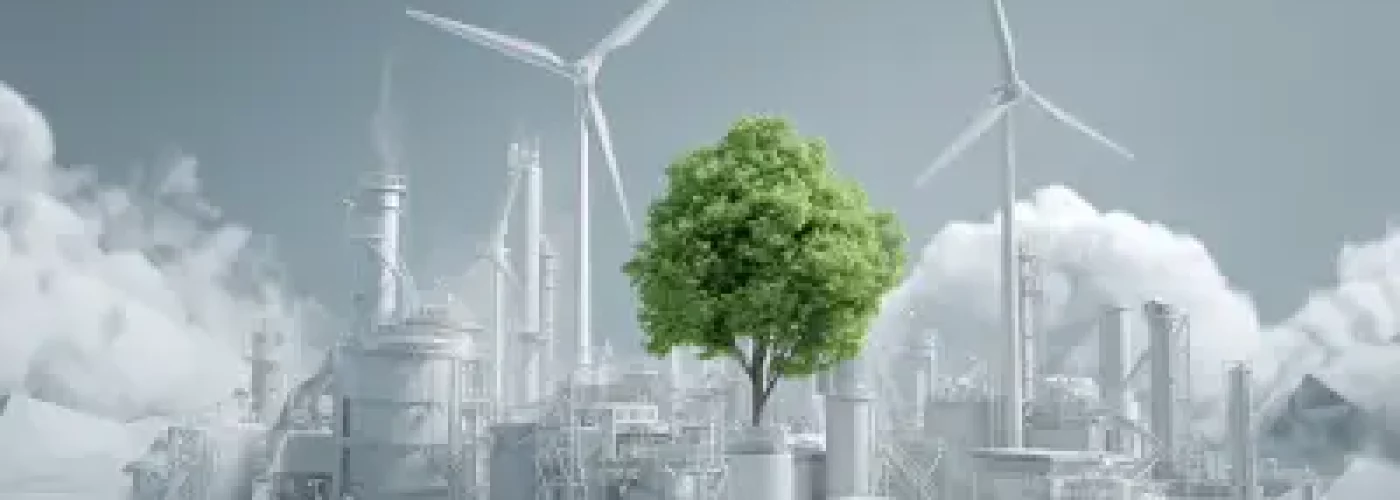


For decades, waste was seen as an endpoint — something to be burned or buried. Today, waste is considered an overlooked resource waiting to be unlocked, and a wave of innovation is making this transformation possible.
New technologies are moving the U.S. toward a truly circular economy, where materials are kept in use for years beyond their typical “expiration dates.”
The Driving Forces Behind the Waste Revolution
Experts predict that global municipal solid waste generation will increase from 2.1 billion tons in 2023 to 3.8 billion tons by 2050. The alarming quantities are not going unnoticed. Modern consumers are becoming more environmentally conscious.
Around 65% want to buy eco-friendly products, showing a clear market preference for sustainability. This high demand is putting pressure on brands to adopt greener practices, for everything from product design to packaging choices.
Federal grants help drive the circular economy in America, like the $275 million for solid waste infrastructure for improvements in recycling and waste management. Another example is the RECYCLE act, which provides up to $15 million for waste management education and initiatives.
The Technologies Turning Trash Into Resources
America has a 32% recycling rate, and the goal is to reach 50% by 2030. Here are some of the innovations that can help the country hit that mark.
1. AI-Powered Sorting and Robotics
Imagine a modern sorting facility where conveyor belts move waste under high-speed cameras. AI software identifies different materials — such as PET and HDPE plastics — in milliseconds and directs robotic arms or jets of air to separate them.
This results in much higher purity in recycled materials, making them more desirable to manufacturers. It also helps sort items that are difficult for humans to separate quickly and safely.
2. IoT Sensors and Intelligent Route Optimization
IoT sensors placed in public and commercial trash cans can monitor fill levels in real time. They can send a signal to a central software platform, which will automatically reroute the nearest collection vehicle and add the stop to its optimized route.
This keeps bins from overflowing, reduces unnecessary collections of half-empty bins, and lowers fuel consumption and emissions. Route optimization can also ease urban traffic congestion.
3. Advanced Chemical Recycling
Unlike shredding, melting and other mechanical recycling methods, chemical recycling breaks down complex plastics into their original molecules or feedstock. This output is identical to the kind derived from oil. That means it can be used to repeatedly create new, food-grade quality plastic products.
4. Data and Software for a Greener Footprint
A waste management company can use software solutions to track how much waste is collected, where it goes and how much is recycled and sent to landfills. The associated carbon footprint of these activities can also be monitored.
Accurate reporting capabilities can help organizations comply with environmental impact regulations and demonstrate sustainability improvements to stakeholders.
5. Turning Waste Into Watts
Modern anaerobic digestion facilities can process organic waste, such as food scraps, by breaking it down in an oxygen-free environment. This produces biogas — which is burned to generate electricity — and a nutrient-rich digestate that can be used as agricultural fertilizer.
Modern incinerators can burn residual waste that can’t be recycled to generate steam, which powers turbines that create electricity and heat for local homes and businesses.
6. Digital Waste Marketplaces
Many online platforms now connect businesses producing a specific type of refuse, like wood offcuts and textiles, with others that can use that waste as raw material. This creates a B2B circular economy, turning disposal costs into revenue.
For example, a furniture maker with a regular supply of wood cuts can list them on a marketplace. A local artist who needs small wood pieces for sculptures can purchase this waste, creating value for both parties.
Responsible Disposal for Every Item
A complete smart waste system empowers individuals and businesses to properly manage items that don’t belong in the main recycling stream. For example, improper disposal of chemicals containing heavy metals and other hazardous elements can lead to soil and water contamination.
Consider automotive products, such as refrigerant canisters. To keep them out of landfills, check if the retailer has a take-back program or determine the disposal methods recommended by local waste management providers.
A New Era for Waste Management
Powerful new technologies are rising to meet the challenges of waste. Smart management is the thread connecting all aspects, from AI-driven industrial plants to the responsible choices of a single person. With each innovation, America takes a step closer to a future where the circular economy is the norm.