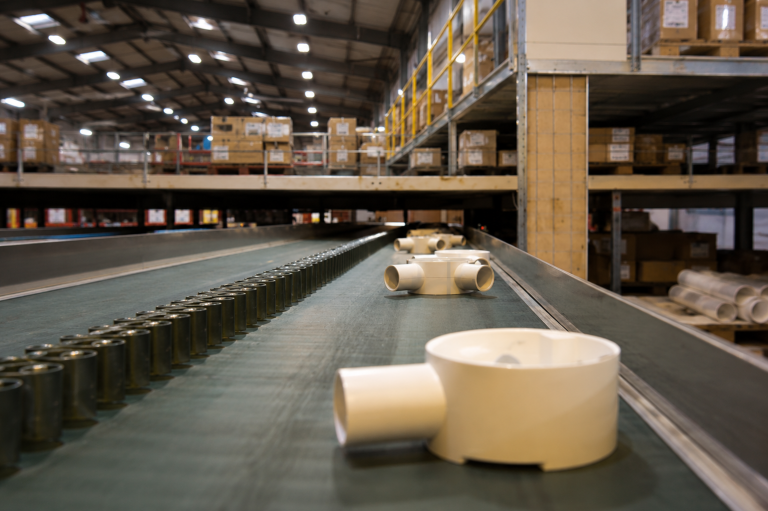
Why Plastic Injection Molding Remains Essential for Product Manufacturing Plastic injection molding stands as one of the most widely used and highly regarded manufacturing processes for producing precise, scalable, and durable plastic components. Today, a vast array of industries rely on injection molding to create everything from critical automotive parts and life-saving medical equipment to everyday consumer products and heavy-duty industrial components. Because the demand for high-quality, mass-produced parts continues to grow, companies searching for reliable production solutions often explore options such as plastic injection molding done by Texas Injection Molding to understand how specialised manufacturing services can support product development. Ultimately, selecting an experienced manufacturing partner is crucial, as their ability to provide consistent quality, technical expertise, and scalable solutions directly dictates the success of the final product. What Is Plastic Injection Molding and How Does It Work? At its core, plastic injection molding is a highly efficient manufacturing process. The basic concept involves heating plastic materials until they become molten, forcefully injecting this liquid material into a custom-designed mold, and then allowing the plastic to cool and solidify into the final desired shape. The process unfolds across several main stages: This process is overwhelmingly preferred for high-volume manufacturing because it guarantees repeatable production, ensures highly consistent dimensions across every single unit, significantly reduces material waste through precise material usage, and allows for much faster manufacturing cycles compared to alternative methods. The Role of Precision Engineering in Injection Molded Products Modern manufacturing requires far more than simply creating basic plastic shapes; it demands exactitude. Precision engineering is the backbone of successful injection molding, relying heavily on accurate mold design, advanced production techniques, consistent quality control, and detailed engineering analysis. The level of precision directly impacts the end product in several ways. It dictates overall product performance, ensures seamless assembly compatibility with other components, guarantees long-term durability, and ultimately drives a positive overall customer experience. To achieve these results, top-tier manufacturers utilise advanced technology, such as high-precision CNC machining and 3D printing, to achieve complex shapes, detailed textures, and highly customised designs that would be impossible with traditional manufacturing methods. Industries That Depend on Plastic Injection Molding Solutions The versatility of injection molding makes it a cornerstone across multiple sectors: The inherent flexibility and scalability of the injection molding process make it uniquely suitable to meet the diverse and demanding needs of all these industries. Advantages of Choosing Injection Molding for Product Development Businesses choose injection molding for product development due to several key benefits: From Prototype Development to Full-Scale Production Injection molding is not just for mass production; it supports businesses throughout the entire product lifecycle. The journey typically begins with prototype testing, allowing for design improvements and the validation of concepts. This is followed by small production runs (often using softer tooling or rapid molding) before transitioning to large-scale manufacturing with hardened steel molds. Early testing is invaluable, as it helps identify potential design problems, material issues, and manufacturing challenges before they become costly mistakes. Therefore, close collaboration between design engineers and manufacturing experts is absolutely critical to refining the product before moving into full, high-volume production. Factors to Consider When Selecting a Plastic Injection Molding Partner Choosing the right supplier is a strategic decision. Businesses should carefully evaluate several factors: Selecting the right manufacturing partner can significantly reduce production delays, improve operational efficiency, and strongly support long-term production goals. How Innovation Is Shaping the Future of Plastic Manufacturing The industry is continuously evolving, driven by several key trends. The adoption of sustainable materials and improved recycling methods is helping to reduce the environmental footprint of plastic production. Furthermore, smarter manufacturing processes, powered by automation and digital production technologies (such as Industry 4.0 and IoT monitoring), are optimising machine performance and reducing waste. Manufacturers are actively adapting to the growing demand for environmentally responsible and highly efficient production. As a result, modern injection molding continues to evolve, integrating green technologies and smart systems to meet changing market expectations and regulatory standards. The Importance of Reliable Plastic Injection Molding in Modern Industry In summary, plastic injection molding provides businesses with an incredibly efficient, scalable, and cost-effective method for creating high-quality plastic products. The success of this process relies heavily on precision engineering, deep material knowledge, and advanced manufacturing expertise. By understanding the process and choosing the right injection molding approach and partner, companies can develop reliable, high-performance products while simultaneously improving their overall production efficiency and scalability in a competitive global market.