July 20, 2026
Most heat resistant metals for industrial application

Most heat resistant metals for industrial application

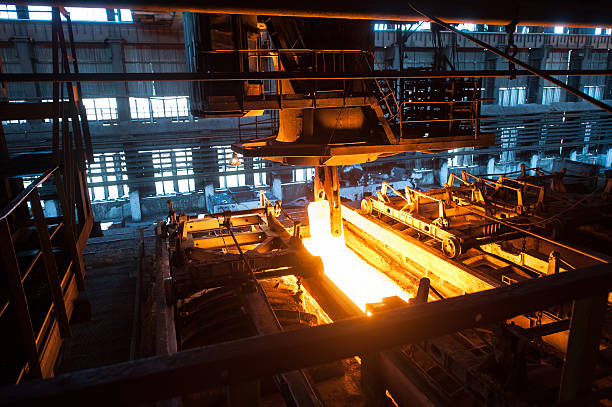
Engineering materials that can survive extreme thermal environments is a triumph of modern metallurgy. While standard metals are excellent for everyday structural needs, they quickly succumb to heat through oxidation and mechanical softening. The following overview explains the science behind high-temperature resilience and profiles the most effective metals available for

Read More »
Latest Issue
Issue 342 : Jul 2026

July 20, 2026

Most heat resistant metals for industrial application

Most heat resistant metals for industrial application

Engineering materials that can survive extreme thermal environments is a triumph of modern metallurgy. While standard metals are excellent for everyday structural needs, they quickly succumb to heat through oxidation and mechanical softening. The following overview explains the science behind high-temperature resilience and profiles the most effective metals available for your most demanding applications. What makes a metal alloy heat-resistant?  Standard steel fails rapidly above 600°C. Heat-resistant alloys endure because chromium or aluminum forms a microscopic, non-porous oxide layer blocking oxygen penetration. Heavy refractory elements like tungsten distort the crystal lattice. This atomic disruption halts internal slippage. In nickel superalloys, aluminum and titanium form a secondary gamma-prime phase acting as physical blocks against mechanical stress. Precise carbon additions create stable carbides along grain boundaries. They pin the structure, stopping high-temperature creep. Top 8 Most Heat-Resistant Metals Selecting the best heat resistant material prevents catastrophic thermal degradation in high-pressure environments where temperatures easily exceed one thousand degrees. To find what metal can withstand the most heat, these eight metals stand out for extreme environments. Failure is not an option. Tungsten Tungsten possesses the highest melting point of all metals, making it the highest heat resistant metal. It resists thermal expansion beautifully. Yet, it is notoriously brittle and difficult to work with. Rocket nozzles require this extreme endurance. Rhenium Rhenium excels in resisting wear and engine fatigue. It resists high-temperature creep effectively, proving to be the strongest heat resistant metal for such applications. This makes it perfect for jet engine turbine blades. It remains stable under pressure. Tantalum Tantalum offers high corrosion resistance alongside thermal stability. It forms a protective oxide layer. Medical implants and chemical reactors rely on this different element’s property. It survives where others dissolve. Molybdenum Molybdenum maintains high strength at elevated temperatures. It conducts heat highly efficiently. Power electronics use it as a best heat resistant metal to dissipate heat quickly, preventing thermal hot spots. Niobium Niobium provides excellent heat resistance while remaining highly ductile. It is often used in the manufacturing process and alloyed with other metals to improve workability. Superconductors and aerospace alloys depend on it. It bends easily without breaking. Titanium Titanium combines high strength, low weight, and exceptional heat resistance. It resists corrosion from saltwater and chlorine. Aerospace frames rely on this strength, as it belongs to the class of metals that can withstand extreme heat. Nickel Nickel serves as the foundational base for complex superalloys (such as Inconel 718 or Hastelloy) designed to operate under stress above 1000°C. It maintains its tough, face-centered cubic (FCC) crystal structure under extreme loads. Gas turbines can spin without micro-fracturing for over 10,000 hours because nickel alloys resist severe mechanical stress and demonstrate exactly how much load a material can withstand simultaneously with heat. Heat-Resistant Stainless Steel If you ask what is the most heat resistant metal or alloy for daily industrial use, heat resistant stainless steel is the most practical, cost-effective choice. Specialized austenitic grades like AISI 310 or AISI 314 contain high levels of chromium and nickel to prevent scaling and oxidation. It balances performance, mechanical workability, and cost in commercial exhaust systems and industrial ovens. Heat-Resistant Metals: Melting Point Comparison Table Metal Melting point Tungsten 3422°C Rhenium 3186°C Tantalum 3017°C Molybdenum 2623°C Niobium 2477°C Titanium 1668°C Nickel 1455°C Stainless steel 1375°C Common Applications of Heat-Resistant Metals These specialized alloys power our most demanding modern technologies. Aerospace engines, nuclear reactors, and chemical processing plants require these unique materials to function safely on a daily basis. When asking what metal is heat resistant, look to these high-stakes industries for the answer. Without them, commercial aviation and advanced energy production are completely impossible. Different manufacturing sectors use a specific high heat resistant metal depending on the thermal and mechanical loads of the environment. For instance, the strongest heat resistant metal elements like tungsten and rhenium are used where components must withstand temperatures that would quickly melt standard steels. Meanwhile, a lighter high heat resistant metal like titanium is crucial for flight-ready components that need to maintain their strength under friction without adding too much weight. Every industrial application depends on matching the right element to the specific operational stress, ensuring that the chosen structure resists both thermal fatigue and rapid oxidation in hot environments. How to Choose the Right Heat-Resistant Metal? Selecting the correct alloy requires balancing melting points, oxidation resistance, and mechanical workability when evaluating the most heat resistant materials. Those who skip this step come back to it later—usually at the worst possible moment. High melting points do save systems, but companies that bought metals for that reason alone were disappointed—oxidation ate the metal faster than heat could melt it. According to industrial metallurgy data, 67% of high-temperature component failures stem from oxidation rather than melting. Oxidation ruins poorly chosen alloys. “Source: aspersteel.com”

Read More »
Designing Out the Moth: How Fit-Out and Refurbishment Choices Decide Whether Buildings Get Infested

Designing Out the Moth: How Fit-Out and Refurbishment Choices Decide Whether Buildings Get Infested

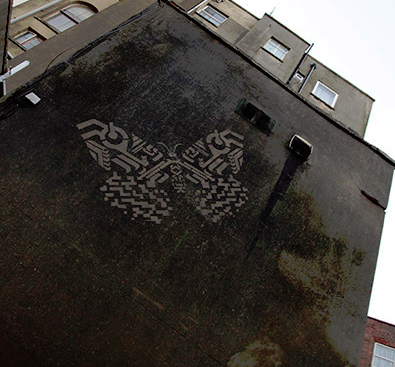
Pest control is usually treated as a facilities problem: something that happens to a building years after the design team has moved on. But for one of the UK’s fastest-growing infestation risks, the die is largely cast at specification stage. Clothes moth and carpet moth numbers have climbed steadily for over a decade, with heritage bodies recording some of the highest levels since monitoring began. The insects’ success is, in an uncomfortable way, a design story. Modern buildings, warm year-round, well sealed, generously carpeted and full of quiet voids, are close to ideal moth habitat. And the difference between a building that suffers recurring infestations and one that never does often comes down to decisions made in the spec, the fit-out and the handover. Here’s what the design and construction side should know about a pest the industry rarely thinks about. Why modern buildings suit moths so well The species doing the damage, the common clothes moth and the case-bearing carpet moth, need three things: keratin-based fibres to feed their larvae, warmth to breed, and undisturbed darkness to do it in. Contemporary buildings deliver all three: None of this argues against warm, well-sealed, wool-carpeted buildings. It argues for knowing the tenant you’re designing in alongside the ones you’re designing for. The specification decisions that matter A handful of choices at design and fit-out stage largely determine a building’s moth exposure. The construction-phase risk nobody briefs Refurbishment projects carry a specific and underappreciated moth risk: disturbance and inheritance. Stripping out an older building with a historic infestation scatters larvae and eggs precisely when dust, temporary works and stored materials make monitoring impossible. Retained carpets, stored furniture and soft strip-out arisings can reseed a finished scheme. And furnished show flats, hotel FF&E and staged interiors routinely import natural-fibre goods that have sat in warehouses for months. The mitigations are cheap and procedural: That last point deserves emphasis on handover. An infestation surfacing during the defects liability period, in a hotel, BTR block or high-end residential scheme, becomes an argument about origin that nobody can win cleanly. Dated monitoring records from practical completion onward settle it before it starts. When a building already has them For completed buildings, the response discipline matters as much as the design, because moth biology punishes half-measures. Eggs, larvae, pupae and adults are present simultaneously; surface treatment kills the visible generation while the next matures in the voids, and the infestation returns on a six-week schedule that gets misread as reinfestation rather than incomplete treatment. Established problems in occupied buildings justify bringing in moth control professionals at the survey stage rather than after a failed in-house attempt, particularly in London’s period conversions and dense residential stock, where infestations travel between units through shared voids and the true extent is reliably larger than the visible damage. A proper survey maps the spread before anyone commits to a treatment plan, and options now include whole-room heat treatment, which eliminates every life stage in one chemical-free session, a meaningful advantage in occupied residential and hospitality settings. Where the infestation centres on textiles and storage, or has already survived one round of treatment, specialist treatment for moth infestations is the higher-percentage call than a generalist contract. Single-pest specialists succeed on exactly the details that building-level treatments miss: species identification, treatment of stored textiles and concealed harbourages, and follow-up visits timed to intercept eggs that survived the first pass. For managing agents, the specialist’s documentation also feeds directly into service-charge justification and dilapidations files. A small line in the spec, a large line in the accounts The financial asymmetry is what makes this worth a design-stage conversation. The preventive measures, fibre choices, edge details, storage ventilation, monitoring traps through handover, cost between nothing and trivial. The failure modes are not trivial: wool carpet replacement at £30 to £60 per square metre across a floorplate, recurring treatment cycles in multi-unit buildings, FF&E write-offs in hospitality, and defects-period disputes with no clean answer. Moths will keep thriving in the buildings Britain now constructs; the warmth and the wool aren’t going anywhere. Whether they thrive in your buildings is, to a surprising degree, a specification decision. Design the harbourage out, monitor through handover, and escalate properly on first evidence, and the industry’s least-discussed pest stays that way.

Read More »