
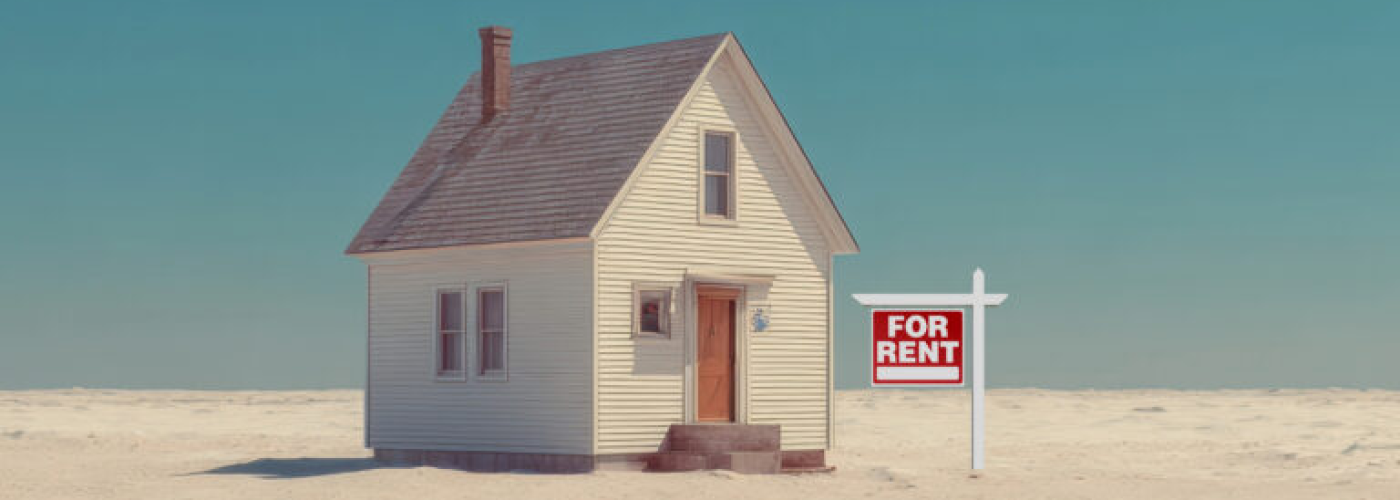


Buying an investment property is only the beginning of the financial commitment. The real cost of ownership includes ongoing expenses such as maintenance, insurance, vacancies, management fees, and taxes, although careful planning and available tax deductions can improve long term returns.
Many first time investors focus heavily on the purchase price and mortgage payment, only to discover that the day to day costs of operating a rental property have a much greater impact on profitability. Understanding every expense before making an investment helps property owners build realistic budgets, avoid unpleasant surprises, and make stronger financial decisions.
Looking Beyond the Purchase Price
A property’s asking price often receives the most attention during the buying process, but successful investors know that ownership costs continue long after closing day. Every rental requires ongoing spending to remain attractive, safe, and compliant with local regulations.
Creating a complete ownership budget allows investors to calculate realistic cash flow instead of relying on optimistic projections. A property that appears profitable on paper may generate much smaller returns after every operating expense has been considered.
The Ongoing Costs Every Investor Should Expect
Monthly and annual expenses vary by property type, location, and tenant turnover, although several costs affect almost every rental property.
Common ownership expenses include:
- Mortgage payments
- Property taxes
- Landlord insurance
- Routine maintenance
- Emergency repairs
- Landscaping
- Utilities during vacant periods
- Legal and accounting services
Even newer buildings require regular maintenance. Appliances wear out, plumbing develops leaks, paint fades, and roofing materials eventually need replacement.
Using Tax Deductions to Calculate Real Costs
Looking only at gross expenses does not provide an accurate picture of ownership costs. Investors should also consider available tax benefits that may reduce their overall financial burden.
Understanding rental property tax deductions can help investors identify qualifying expenses and estimate the property’s actual after tax performance before making purchasing decisions.
Planning for Major Capital Expenses
Some costs occur less frequently but carry much higher price tags. Roof replacement, heating systems, windows, paving, and structural repairs can significantly affect investment returns.
Setting aside money each month for future capital improvements helps avoid financial strain when large projects become necessary. Long term planning also helps preserve property value while keeping rentals competitive in the local market.
Insurance Should Never Be an Afterthought
Landlord insurance differs from standard homeowner policies and provides protection tailored to rental properties. Appropriate coverage helps reduce financial exposure after unexpected events.
Policies may include protection for:
- Property damage
- Liability claims
- Loss of rental income
- Storm damage
- Fire damage
- Certain acts of vandalism
Coverage options differ among insurers, making regular policy reviews an important part of property ownership.
Make Every Investment Decision With the Full Picture
The true cost of owning rental property extends far beyond the purchase price. Maintenance, insurance, vacancies, management, and long term repairs all shape investment performance, while tax planning can improve overall returns.
Investors who budget carefully before buying are far better prepared to build sustainable rental portfolios.