
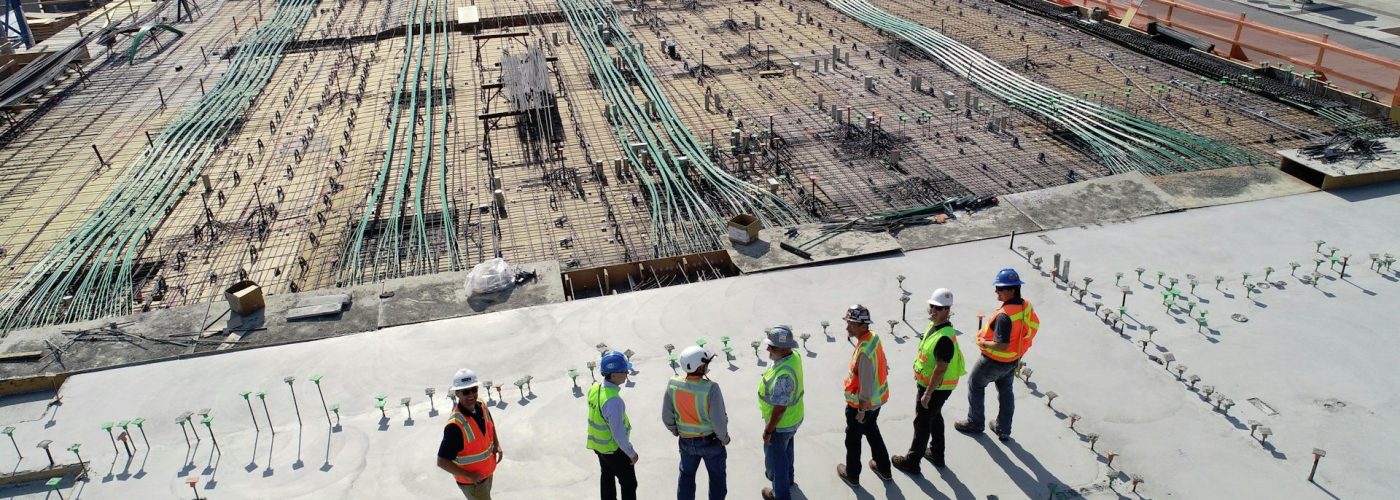


No matter where you are in the world, commercial property development involves complex layers of legislation, non-standard contractual frameworks, and strict regulatory oversight. Not only do these massive projects carry enormous physical risks and reshape communities, but they also span years and involve millions in capital.
Attempting to break ground without expert legal counsel leaves a developer blindly exposed to devastating operational and financial bottlenecks. In today’s piece, we’ll discuss three critical reasons why specialised legal expertise is a requirement.
1. Complex Planning Obligations
Nothing of substance can be built without securing express planning permission, which is rarely a straightforward endeavour. Approval of planning permission is almost always tied to complex legal agreements or heavy infrastructure requirements that require careful negotiation before you can safely build.
Every developer worth their salt knows they can’t do much without a professional real estate attorney to negotiate and structure legally binding planning obligations between the developer and the Local Planning Authority.
In fact, reliable legal expertise in commercial real estate law is a must-have from the start of every commercial development project through to the end. For the planning step, you need a legal expert to ensure the financial contributions or land restrictions don’t kill the project’s financial viability.
2. Securing Essential Infrastructure Agreements
A project of the magnitude of Liverpool’s Pall Mall regeneration doesn’t exist in isolation. It must connect safely and legally to public utilities and roads. For this, you need legal experts to draft and review critical infrastructure adoptions before construction begins.
Without specialised legal help, developers are left exposed to unlimited layout liabilities or highway authority disputes.
3. Uncovering Title Restrictions and Restrictive Covenants
Land ownership is never straightforward, especially after it has passed through several generations of owners.
Without proper due diligence, you may discover a bit too late that the land is burdened by restrictive covenants (e.g., a century-old clause stating the land cannot be used for retail operations) or unrecorded easements (third-party rights-of-way or drainage crossings across the site).
Discovering these after pouring concrete gives neighbouring parties legal leverage to seek an injunction, forcing you to tear down your work or pay extortionate damages.
Overall Risk Mitigation
As a rule of thumb, if you want to build commercial projects that change the face of a community, you need access to reliable legal expertise. Besides the cases mentioned above, you also need lawyers for highly specialised, non-standard contract suites, strict environmental laws, and construction regulations.