
How to Repaint a Building That Never Closes

Most redecoration in the UK happens around people, not instead of them. Offices keep trading, surgeries keep seeing patients and schools only close for a few weeks each summer. Of all the finishing trades, painting sits closest to the occupants. It brings smell, wet surfaces and access towers into corridors that are still in use.
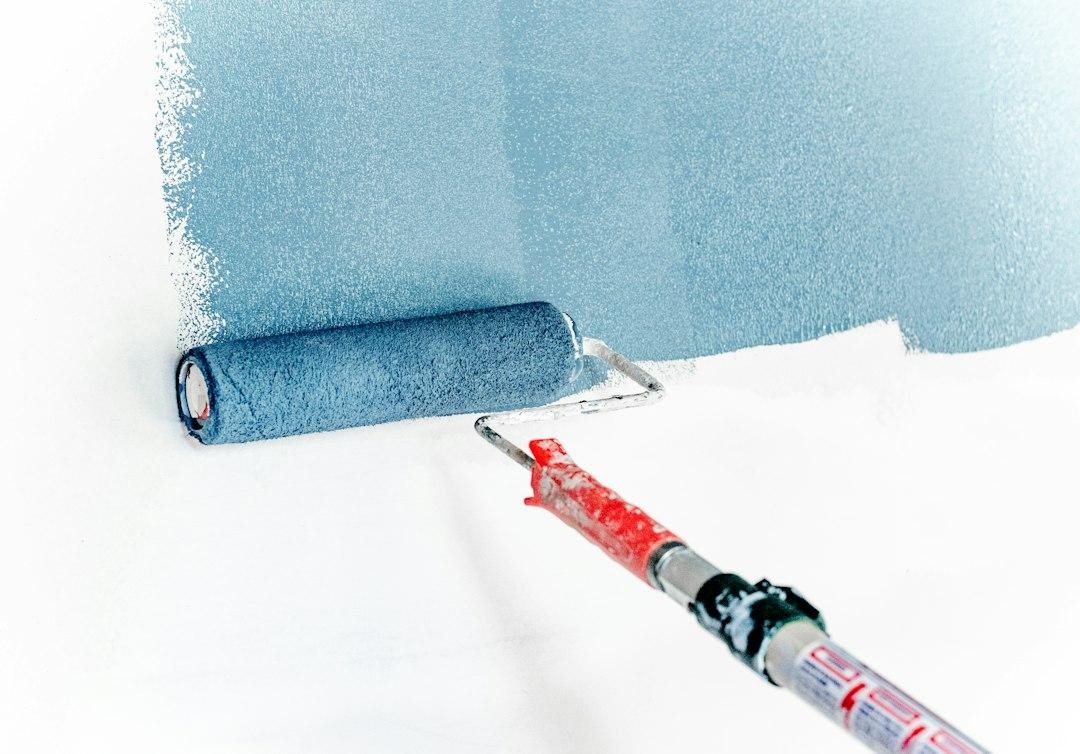
Contractors in places with long trading hours have built firm habits around this problem. In Perth, Western Australia, the commercial crews at Ascend Painting Services work 24-hour shifts on time-sensitive jobs. They also use low-VOC paints in buildings that stay open. Their working method translates well to a UK live site.
Why Is a Live-Site Repaint Its Own Kind of Project?
A live site is a building where the works and the normal users share the same space. That changes almost every planning decision. The programme follows the occupants' calendar, not the contractor's preferred sequence.
CIRIA addressed this in its occupied buildings guide, publication C621, released in July 2004. It runs to 116 pages and covers projects from simple repainting to structural change. The guide points out that hospitals, airports and prisons cannot simply close. Schools have holidays, but struggle when a project will not fit inside them.
Its main themes are planning, communication, health and safety, security and nuisance to occupants. Painters tend to underrate nuisance, yet it decides how occupants judge the job.
How Should the Works Be Phased Around Occupants?
Phasing splits the building into zones that are handed over and taken back in a fixed order. A workable sequence for a commercial repaint looks like this:
1. Survey with the occupier. Walk the building with the facilities manager and mark rooms that can never close, such as server rooms or kitchens.
2. Set the zones. Group rooms so each zone can be emptied, painted and returned within one working window.
3. Agree the working hours. Decide which zones need evenings, weekends or overnight shifts.
4. Fix the handback standard. Define what "returned" means: dry to touch, furniture replaced and floors clean.
5. Publish the timetable. Give occupants dates for their own area at least a week ahead.
6. Hold a daily review. A short check after each shift catches complaints early.
Recent office schemes show the same staged logic. At 43 Castle Street in Liverpool, the first floor is due for completion in December 2026. A basement phase follows in Q1 2027, after earlier upgrades to reception and selected floors.
What Does Fresh Paint Do to the Air Inside?
VOCs, or volatile organic compounds, are carbon-based chemicals that evaporate from a product at room temperature. Paints release them while they dry and for some time afterwards. In a closed office, that becomes the smell people complain about.
The government's Air Quality Expert Group published a report on indoor air quality in November 2022. It notes that people often spend 80 to 90 per cent of their lives indoors. It names decorating products, such as paints and varnishes, among the major indoor sources of VOCs.
The same report observes that emission labelling schemes for construction products exist across Europe, but not in the UK. A specifier therefore has to ask for the data. Request the product data sheet and check the VOC content before the paint reaches site.
Ventilation is the other half of the answer. Painting a meeting room on Friday evening and running the air handling over the weekend gives the coating time to settle.
Which Site Controls Protect Staff and the Public?
Occupants do not read method statements, so controls have to work without their attention. These basics cover most live-site painting:
- Physical segregation. Barriers and closed doors keep the public out of active zones.
- Wet-paint signs. Place them at eye level, and remove them once the surface has dried.
- Clear escape routes. Never block a fire exit with towers, ladders or stored tins.
- Access equipment discipline. Lower or remove platforms at the end of each shift.
- Low-odour products. Choose water-based or low-VOC systems for interiors that reopen quickly.
- Floor and fixture protection. Cover desks, carpets and handrails before any preparation begins.
- Daily clean-down. Clear dust and offcuts before occupants return.
Preparation deserves extra attention. Sanding creates dust that settles on keyboards and drifts through ceiling voids. Schedule it for empty hours.
What Does a Perth Commercial Crew Do Differently?
The Perth example is useful because its list of commercial work is almost all occupied buildings. Ascend names schools, community centres, restaurants, office buildings and apartment blocks among its projects.
Three habits from its published approach stand out. First, it offers 24-hour shift availability for time-sensitive projects, so painting can follow trading hours. Second, its commercial work uses the Dulux range of low-VOC paints. The firm describes these as low odour and faster drying, which shortens the gap before a room reopens.
Third, the crew treats tidiness as part of the specification. Its tradespeople are inducted in safe work on scaffolds, ladders and elevated work platforms. Floors and fixtures are protected during the works. Painting materials and waste are removed before handover.
UK refurbishments can borrow all three. Compare a vacant floor plate, like the redecorated floors at Crown House Southampton, with a floor that still has staff at their desks. The paint is the same in both cases. The method around it is not.
Live-Site Painting at a Glance
- Plan the programme around the occupants' calendar before pricing any zone.
- Write a handback standard that says exactly what "finished" means.
- Ask for VOC data, because UK products carry no emission label.
- Move sanding and spraying into empty hours.
- Keep escape routes clear at every stage of the work.
- Remove materials and waste before each zone goes back to its users.
Keeping the Doors Open While the Rollers Move
A live-site repaint succeeds when occupants barely notice it happened. That depends on phasing, air quality and housekeeping far more than on the paint chosen.
Frequently Asked Questions
Can a School Be Repainted During Term Time?
Yes, if the work is zoned and kept to evenings and weekends. Classrooms need a full drying and ventilation period before pupils return. Larger schemes still usually target the summer holiday.
Is Low-VOC Paint Slower to Dry?
Not usually. Many water-based, low-VOC products dry faster than solvent-based ones, and they carry less odour. Always check the recoat time on the product data sheet.
Who Should Tell Occupants What Is Happening?
The client or facilities manager should own communication, with dates supplied by the contractor. One named contact for complaints keeps problems small.
When Should Out-of-Hours Working Be Priced In?
Price it at tender stage for any zone that cannot close by day. Adding night shifts later causes disputes over rates and supervision. A clear zone schedule makes those costs visible from the start.