
Pre-Listing Prep for Alexandria Homeowners: Clearing Out Years of Clutter
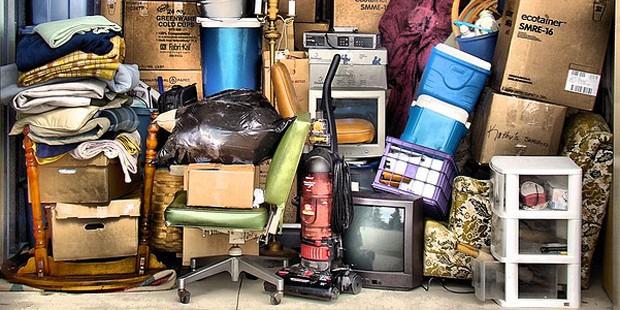
Decluttering ranks first among the improvements agents suggest before a sale, with 91% of sellers' agents recommending it in the NAR 2025 Profile of Home Staging, as summarized by the Pennsylvania Association of Realtors. That finding lands differently when you have lived in the same Alexandria house for ten or twenty years. Every closet, attic, and garage shelf has filled up over time, and it is hard to know where to begin.
This guide gives you a clear plan for pre-listing preparation, from sorting room by room to removing what is left. Each step is built to save you time, so you can list with a clean, open home.
Why Clutter Comes First in Pre-Listing Home Preparation
Buyers need to see the space in your home, so clearing it gives every other improvement a better chance to show. Fresh paint and a deep clean look their best in rooms where the floors, counters, and walls are visible. The same NAR report found that 29% of agents saw a 1% to 10% increase in offers on staged homes, and clearing the home is the first stage of that work.
Think about the first showing from a buyer's side. They arrive with a short list of needs, and they scan each room for space to live, cook, and store their belongings. When furniture and keepsakes fill that space, buyers have to use their imagination to picture their own things there.
What buyers notice when a home is full
After years in the same house, belongings spread into every corner. Buyers walk through quickly, and a crowded room gives them little to remember about the layout. These are the details that stand out most:
- Closets that look small because they are packed to the door
- Furniture that blocks windows and walkways
- Personal photos and collections that pull attention away from the room
- Garages and basements that appear to have no usable storage
Why years of belongings need extra time
Long-time owners often have items in places they rarely open, such as attic eaves, the back of the pantry, and the far corner of the garage. Each of these spots takes longer than expected. Starting early lets you sort at a steady pace and avoid rushed decisions in the final week.
A Room-by-Room Plan for Sorting Years of Belongings
Working one room at a time keeps the project manageable and shows visible progress each day. A simple method also protects you from the stalls that come with sentimental items.
Follow a four-step sorting method
- Choose a starting room with the least emotional value, such as a guest room or a hall closet.
- Set up four zones: keep, donate, sell, and discard.
- Handle each item once, and place it in a zone right away.
- Finish the room before you move on, including carrying out the donate and discard piles.
Know what to look for in each room
| Room | Common clutter | What to do |
| Kitchen | Duplicate cookware, expired pantry items, unused appliances | Keep what you use weekly and donate the rest |
| Bedrooms and closets | Clothes that no longer fit, extra linens, boxes under the bed | Pack off-season clothing and donate the surplus |
| Living areas | Extra furniture, stacks of magazines, old electronics | Remove one or two pieces to open the room |
| Bathrooms | Old toiletries, expired medicine, spare towels | Discard expired items and leave a clear counter |
| Home office | Paper files, cables, outdated equipment | Scan or shred papers and recycle old devices |
Flag bulky items on day one
Large pieces take the longest to remove, so list them at the start of the project. Think of worn sofas, broken exercise equipment, old mattresses, and furniture with no resale value.
Some owners borrow a truck for these, and others arrange junk removal in Alexandria for a single pickup day once the sorting is finished. Choosing a method early keeps those items from piling up in the driveway at the last minute.
Photos of large items also help if you plan to sell or donate them. A clear picture and a quick description let a buyer or a charity see the condition before pickup, which saves time on both sides.
Deciding Where Each Item Goes: Donate, Sell, Recycle, or Haul Away
Matching each item to the right destination keeps the project moving and reduces waste. A sorted pile that sits in the garage for weeks puts you right back in a cluttered space, so give every zone a pickup or drop-off date.
Set aside one afternoon in the middle of the project for drop-offs and online listings. Batching these trips reduces the number of times you load the car, and it clears the donate and sell zones in a single push.
Use a simple guide for common items
| Item type | Best destination | Helpful tip |
| Furniture in good condition | Donate or sell | Take clear photos and list within the first week |
| Clothing, linens, and kitchenware | Donate | Wash and bag items by category |
| Books, electronics, and small appliances | Sell or recycle | Wipe personal data from devices first |
| Broken furniture and old mattresses | Haul away | Arrange the pickup date before the sort begins |
| Paint, solvents, and chemicals | Hazardous waste drop-off | Check local guidance before moving them |
Handle sentimental items with a plan
Photos, school projects, and family keepsakes slow most sorting days. Place them in one labeled box per person, and set a firm limit on how many boxes you will keep. Scanning photos and papers is a good way to keep the memory while freeing the space.
Confirm local rules before the pickup
Hazardous materials, electronics, and large bulk items often follow specific rules for disposal. Check the City of Alexandria's guidance for your address before anything goes to the curb. Confirming the rules in advance prevents missed pickups and extra trips.
Clearing Attics, Basements, Garages, and Storage Spaces
These spaces hold the most forgotten items, so they need their own block of time. Buyers and inspectors often open these doors, and a tidy view of the space tells them the home has been cared for.
Plan these areas for a weekend, when you have long blocks of free time, so you can finish without leaving half-opened boxes behind. Invite a helper for the heavy lifting if you can, since attic stairs and tall shelves are easier with two people.
Start with the attic and basement
Bring good lighting, sturdy boxes, gloves, and a dust mask. Sort by category instead of by shelf, and move anything you plan to keep into sealed plastic bins. Check for signs of moisture before you stack boxes against walls, and keep walkways open around the furnace and water heater.
Reset the garage so it reads as storage
A garage is often the largest single storage area in the home, so buyers look at it closely. Remove these items first:
- Broken tools and old paint cans
- Outgrown sports gear and unused bikes
- Empty boxes, packaging, and loose lumber
- Seasonal decorations that can move to a rental unit or a relative's home
Once the floor is clear, hang what remains on wall hooks or shelves. A visible floor and labeled shelves make the garage feel larger.
Consider temporary storage for items you are keeping
If you plan to keep furniture or boxes for the next home, moving them to a storage unit early makes rooms feel more open. Label each box by room so unpacking at the new address is quick.
A Four-Week Timeline for Pre-Listing Preparation
A four-week plan gives most homes enough time to move from full to show-ready. Larger homes or heavily filled spaces may need more, so adjust the pace to your situation.
The weekly pace below assumes about eight to ten hours of effort each week. If your schedule is busier, spread the same tasks over six weeks and keep the order, so the largest spaces get done first, and the finishing touches come last.
Follow the weekly checklist
- Week one: Sort the garage, attic, and basement, and schedule pickups for bulky items.
- Week two: Clear bedrooms, closets, and bathrooms, and drop off donations.
- Week three: Sort kitchen, living, and office areas, and list items for sale.
- Week four: Deep clean, make small repairs, and arrange furniture for photos.
Finish with cleaning and curb appeal
Once the rooms are clear, cleaning shows the home at its best. In the same NAR findings, agents recommended cleaning the entire home at 88% and improving curb appeal at 77%, right behind decluttering. Wash windows, patch small holes, trim shrubs, and clear the front steps. Neutral touches, like fresh towels and simple lamps, help each room feel calm and welcoming.
Keep the home clear until the first showing
After the sort, keep a single box for daily items and return it to the closet after each use. Clear counters, empty bins, and tidy entryways matter most on showing days.
Start Early and Sort in Stages for a Calm Listing
Time is the most valuable tool in pre-listing home preparation. Owners who begin weeks before the photos have room to make thoughtful choices, schedule pickups, and handle sentimental items without pressure. Sorting room by room, giving every item a destination, and tackling the attic and garage on their own days turns a large project into a series of small wins. A clear, open home gives buyers an easier first impression and gives you a smoother path to the sale.
A good next step is to choose your starting room today and book your first sorting session. Write down the dates for your bulky item pickups, and share the plan with your listing agent so everyone works from the same timeline. With those first actions in place, the rest of the work follows a natural rhythm, and your home reaches the market ready for its first showing.
Frequently Asked Questions
How can I start decluttering when my whole house feels overwhelming?
Pick one small room, such as a hall closet, and finish it in a single session. A quick win builds momentum for larger spaces. Keep the four zones (keep, donate, sell, discard) next to you the whole time.
How early should I begin pre-listing preparation?
I suggest starting at least four weeks before you plan to list. Homes with attics, basements, or full garages may need six weeks or more.
Will decluttering help me sell for a higher price?
It can help. In the NAR 2025 report, 29% of agents said staged homes received a 1% to 10% increase in the offered price, and decluttering is the basis of that work.
What should I do with items I want to keep but do not need right now?
Move them into sealed, labeled bins and store them in a storage unit or a relative's home. Keeping them out of closets and garages lets buyers see the real space.
Do I need to hire help for a big cleanout?
Not every home does. If you have a lot of bulky furniture or a tight deadline, help with hauling can save several days of work. Compare your timeline and your capacity before deciding.