

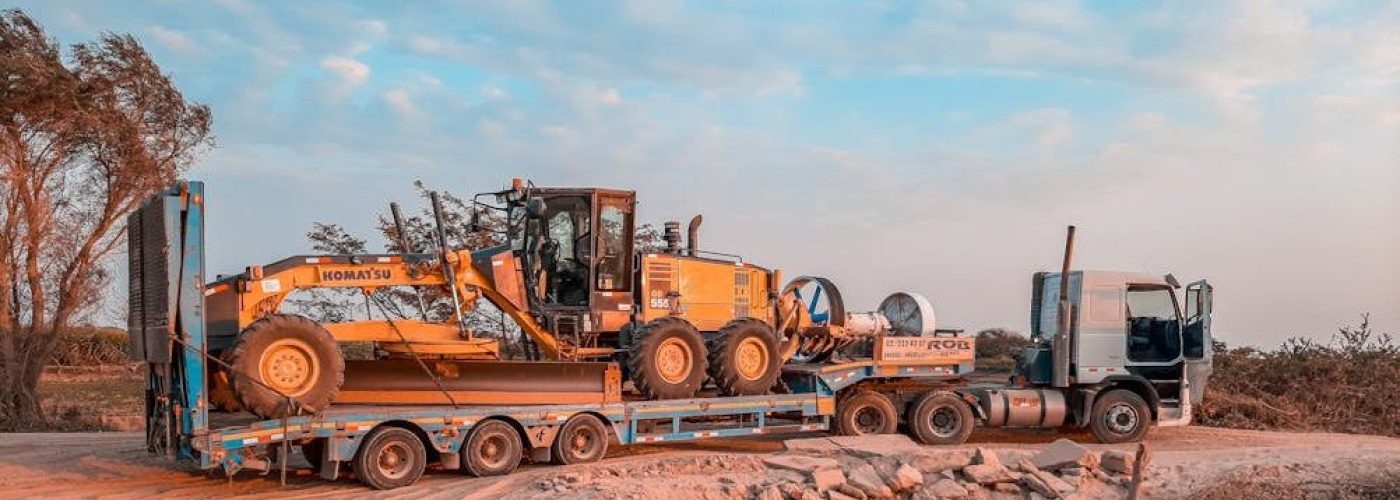


The nature of the cargo being hauled by a commercial truck fundamentally alters the dynamics of a collision and the subsequent injury risk. A truck hauling light, boxed goods reacts entirely differently during braking or a sudden turn than trucks transporting specialized loads like steel coils, liquids, or, for example, coal, logging, and refrigeration truck accidents. The sheer density and momentum of heavy cargo amplify every factor of a crash, leading to more destructive outcomes.
When a collision occurs, the momentum of the heavy load dramatically increases the force of impact on the passenger vehicle. More critically, the movement of the cargo itself can introduce massive instability, making the truck uncontrollable and contributing directly to the severity of the accident.
In a legal context, the type of cargo dictates whether the investigation must focus on driver error, mechanical failure, or, most often, negligence in securing or distributing the load. The high stakes involving heavy cargo ensure these claims are complex and high-value.
Weight Distribution and Stopping Distance
Heavy cargo drastically increases the necessary stopping distance for a commercial truck, a factor that is frequently overlooked by drivers and often leads to catastrophic rear-end accidents. The difference in momentum between an empty truck and a fully loaded one is staggering, requiring significantly more distance to safely decelerate.
Improper weight distribution is another key factor. If the load is poorly balanced—too heavy on one axle or not centered correctly—it compromises the truck’s stability during routine maneuvers. This imbalance can lead to tire failures, brake overheating, or an inability to maintain control on curves.
This issue is prevalent in coal logging refrigeration truck accidents. A logging truck with an uneven stack of logs, for example, has a high center of gravity, which makes it particularly prone to rollovers on ramps or curves, especially if the driver misjudges the necessary reduced speed.
How Load Shifts Increase Instability
For heavy haulers, load shift is one of the most dangerous and common causes of catastrophic failure. If the cargo is not properly secured, a sudden braking action or sharp turn can cause the entire load to slide forward or shift laterally, instantly destabilizing the truck.
A forward shift can overwhelm the cab, crushing the driver and immediately throwing the entire truck’s center of gravity forward, leading to a loss of steering control. A lateral shift, common with loads like coiled steel or hanging meat (in some refrigeration trucks), can initiate a rollover or jackknife, turning the truck into an uncontrollable hazard.
In accidents involving coal logging refrigeration truck accidents, the failure to adhere to federal cargo securement regulations often exposes the trucking company and the loader to liability. These regulations are designed precisely to prevent the catastrophic failure that a load shift represents.
How Cargo Affects Injury Severity
The type of cargo carried by a truck directly dictates the mechanism and severity of injuries sustained in a crash. In a collision, the cargo itself can become a deadly secondary projectile or a permanent hazard.
For example, in a truck hauling steel pipes or heavy logging beams, a rear-end collision can cause the cargo to pierce the cab of the truck or penetrate the passenger compartment of the car, leading to impalement or crushing injuries. Similarly, if a refrigeration unit is breached, the contents can pose biohazards.
The simple fact of immense weight means that the energy transferred in the collision is dramatically higher. A passenger vehicle is simply crushed by the force of a collision with a fully loaded truck, leading to the devastating, life-altering injuries that characterize these high-value claims.
Risks Unique to Specialized Hauling
Specialized hauling, which includes tanks carrying liquids, refrigerated trucks maintaining specific temperatures, or flatbeds transporting oversized equipment, introduces unique risks that go beyond simple weight. Each type of cargo has its own regulatory framework and failure modes.
Liquid tankers, for instance, are susceptible to “sloshing,” where the movement of the fluid creates internal forces that can destabilize the vehicle even during slight turns. Refrigeration trucks have complex mechanical systems that must be diligently maintained to ensure safety.
The unique risks associated with coal logging refrigeration truck accidents often require expert witnesses to testify about the specific industry standards violated. Whether it is poor bracing of a timber load or inadequate temperature maintenance, specialized negligence adds another layer to the liability investigation.
Why Heavy Loads Raise Crash Stakes
Heavy and specialized cargo elevates every component of risk in commercial trucking, from increasing stopping distances and creating rollover risks to amplifying the sheer force of a collision. The potential for catastrophic load shift turns the truck into an internal hazard to its driver and an external threat to the public.
For victims, the immense weight of the cargo guarantees severe injuries and complex legal claims involving multiple defendants—the driver, the carrier, and the party responsible for loading the freight.
Ultimately, the type of cargo carried dictates the specific safety rules that were likely broken, reinforcing the need for expert legal investigation into all aspects of the transport operation.