
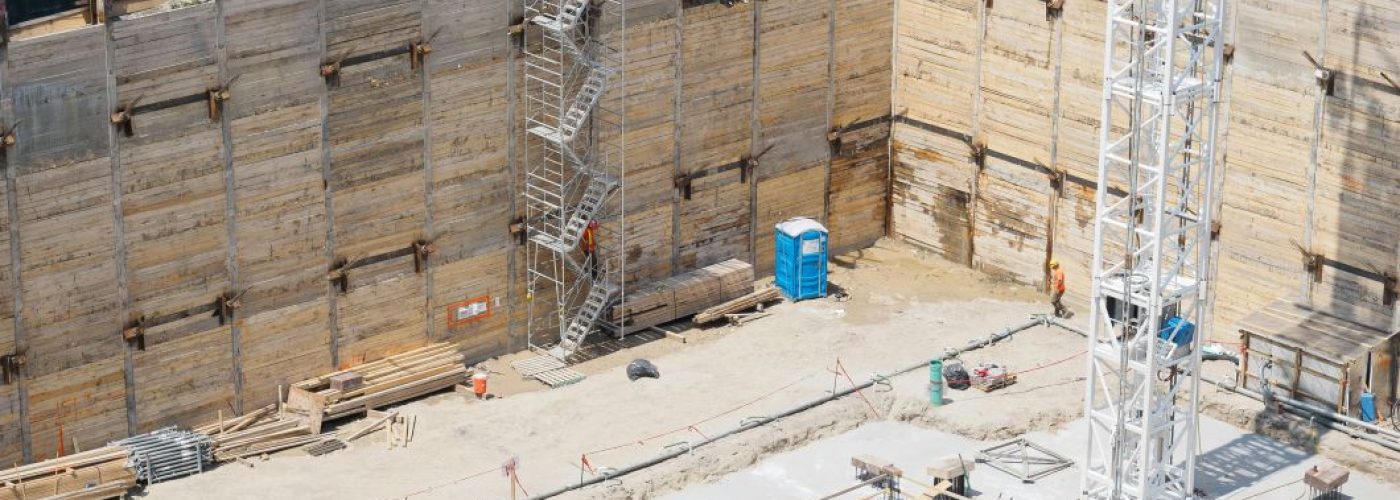


Schedules, materials, and skilled labour are often considered the most important factors that keep a construction project running smoothly. However, there’s one element that quietly underpins everything else: proper toilet facilities. It may not be the most glamorous part of site planning, but it directly affects worker wellbeing, efficiency, and your ability to meet legal requirements.
On busy construction sites, overlooking sanitation can lead to delays, low morale, and compliance issues. That’s why investing in the right sanitation solutions is a smart and practical decision that supports your entire operation.
Why Reliable Sanitation Matters
Every construction project depends on people. When workers don’t have access to clean, accessible restroom facilities, productivity suffers. You might notice longer breaks, reduced focus, and health concerns creeping in over time.
Providing portable toilets or more advanced portable restrooms ensures your team can stay on-site and maintain momentum. It also reduces unnecessary movement across job sites, which is especially important when heavy machinery and high levels of foot traffic are involved.
Beyond convenience, there’s a clear link between sanitation and health safety. Poor hygiene can quickly lead to illness, which means absenteeism and delays. Clean, well-maintained toilet facilities help maintain a sanitary condition and create a more professional environment across your construction sites.
Finding Practical Solutions
Many site managers find that balancing cost, convenience, and compliance can be challenging. It can be a struggle to find equipment that meets sanitation standards while also being durable enough for demanding environments. Poor-quality units can break down, require frequent maintenance services, or fail to provide a hygienic experience.
Provider sites like portabletoiletslimited.com are highly useful when exploring your options. These companies offer a range of portable construction site toilets designed for long-term use, helping you address issues like waste collection, tank capacity, and durability. Choosing reliable providers ensures your toilet stations are properly set up and maintained throughout the lifecycle of your project, even in challenging weather conditions.
Built for Tough Environments
Construction environments are demanding, and your sanitation facilities need to keep up. Units made from high-density polyethylene and supported by reinforced frames are built to withstand wear and tear. This kind of durable construction ensures that your facilities remain functional despite constant use.
Features like lock doors, proper ventilation systems, and thoughtful outdoor design make a big difference in usability. On high-rise construction projects, for example, accessibility becomes a key consideration. Strategically placing toilet stations reduces downtime and improves workflow.
It’s also worth considering recirculating toilet systems and adequate holding tanks to handle high usage levels. These elements contribute to a cleaner, more efficient waste collection process and reduce the frequency of servicing interruptions.
Types of Construction Site Toilets and When to Use Them
Not all toilet facilities are created equal. The type you choose should reflect the scale and complexity of your construction project.
Here are some common options you’ll come across:
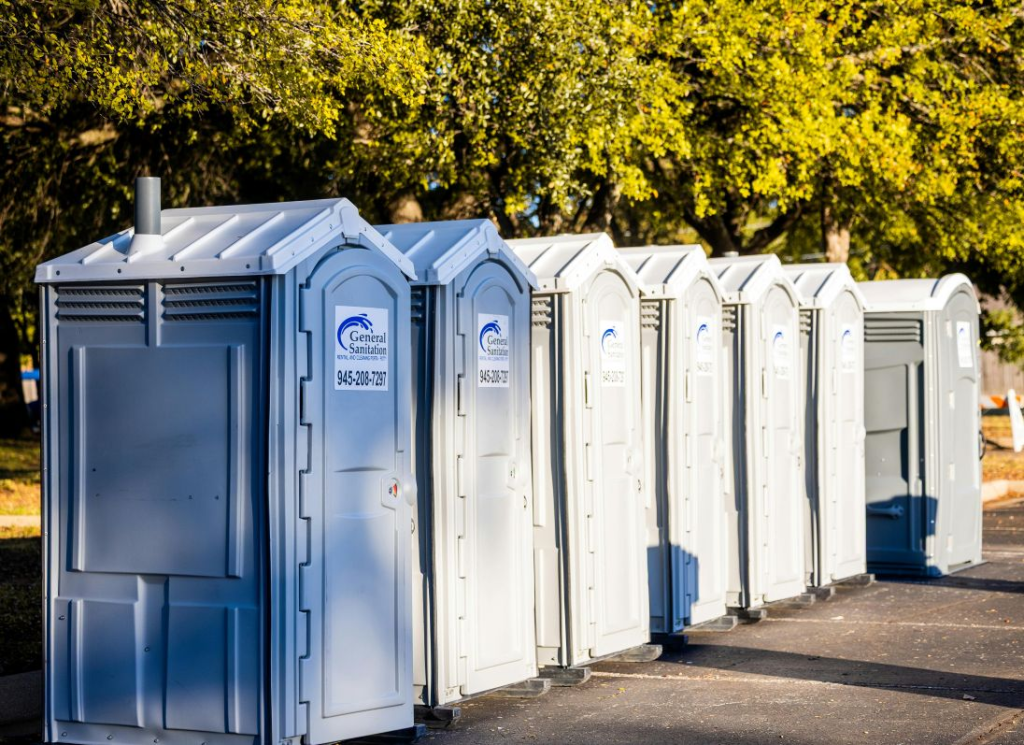
- Temporary portable toilets: Ideal for smaller job sites or short-term work. These basic units are easy to install and relocate, making them a flexible option.
- Porta potties with enhanced features: These often include a hand sanitizer dispenser, an improved ventilation system, and interior lighting for better usability.
- Restroom trailers: Suitable for larger teams or projects requiring higher levels of user comfort. They often include a sink and toilet setup, integrated sinks, and more refined finishes.
- Shower trailers: Particularly useful for remote locations or projects involving hazardous materials, supporting worker hygiene after shifts.
Each option plays a role in delivering effective sanitation facilities, and choosing the right mix helps you maintain efficiency across different job sites.
Compliance and Standards You Can’t Ignore
Meeting legal requirements isn’t optional. In the UK, construction managers are responsible for ensuring that adequate restroom facilities are available and maintained. This includes providing handwashing stations, ensuring cleanliness, and offering ADA-compliant options where required.
North America and other Asian countries follow ANSI standard guidelines when assessing quality and safety benchmarks. While UK regulations differ, the principle remains the same: your facilities must support health safety and meet recognised sanitation standards.
The UK construction industry is poised to grow 21% in the next two years, underpinning the importance of compliance in project sites. As demand increases, scrutiny will too. Ensuring your sanitation setup is up to standard protects both your workforce and your reputation.
Practical Tips for Managing Site Sanitation
Keeping your facilities in top condition requires more than just installation. You’ll need a plan that ensures consistency and reliability.
- Schedule regular maintenance services: Routine cleaning and servicing keep units in a hygienic state and prevent unpleasant surprises.
- Position units strategically: Place toilets close enough for convenience but far enough to maintain a comfortable working environment.
- Monitor usage levels: Adjust the number of units based on workforce size and project phase to avoid overcrowding.
Taking these steps helps you maintain a sanitary condition across your job sites while supporting productivity.
Supporting Your Workforce in a Changing Industry
Establishing good working conditions is essential, particularly in an industry that’s severely understaffed. Experts estimate that the industry will require 240,000 new workers between 2025 and 2029. Attracting and retaining talent means paying attention to the details, sanitation included.
Clean, accessible restroom facilities signal professionalism. They show that you value your team’s wellbeing, which can make a real difference in morale and retention. Investing in proper toilet facilities is a step towards better site management, whether you’re managing a small crew or a large-scale operation.
Conclusion
Construction site toilets may not be the first thing on your checklist, but they’re one of the most important. When you invest in high-quality portable toilets, plan your sanitation facilities carefully, and maintain them properly, you create a safer, more efficient working environment.
In the end, having one is crucial not just for meeting regulations. Functional toilets and sanitation facilities support your team and protect your timeline. They’re the unsung heroes that enable you to deliver a project that runs as smoothly as possible from start to finish.