

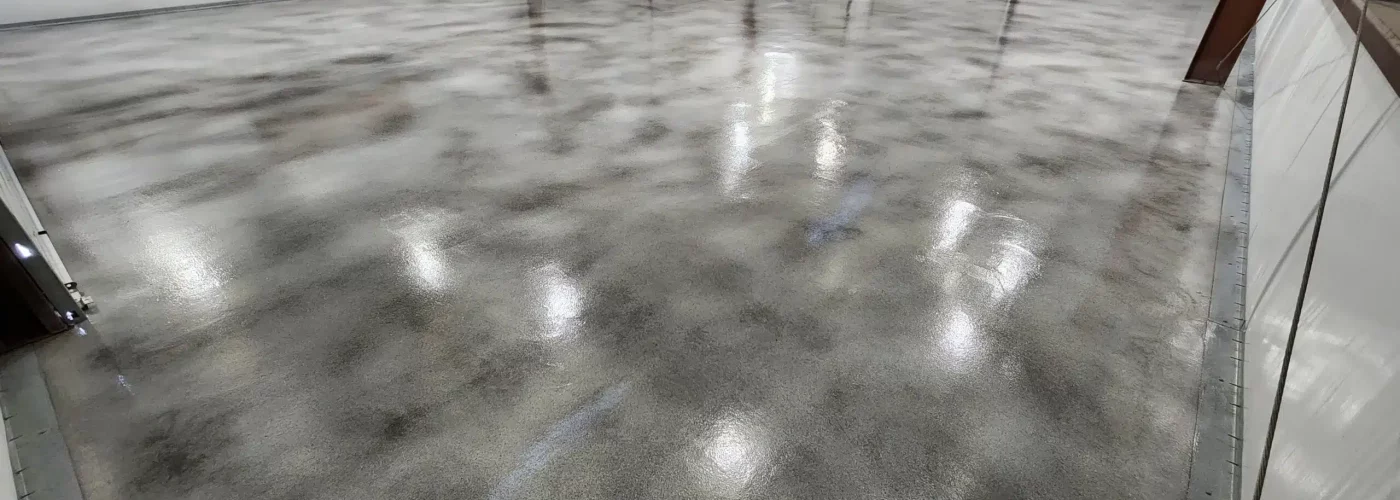


A Modern Solution for High-Performance Flooring
As industries, businesses, and homeowners demand more from their built environments, flooring systems must deliver not just aesthetics, but resilience, speed of installation, and long-term performance. Traditional coatings like epoxy have served well, but they often fall short in extreme conditions or fast-turnaround projects. Enter a new generation of protective surfaces designed for today’s high-stress demands.
Among the most advanced solutions available today, polyurea floor coating stands out for its exceptional durability, rapid curing time, and superior resistance to wear and environmental factors. Originally developed for military and infrastructure use, polyurea has now become a go-to choice for garages, warehouses, retail spaces, and even residential patios.
In this guide, we’ll explore what makes polyurea unique, where it performs best, how it compares to alternatives like epoxy, and what to consider when selecting a system for your project.
What Is Polyurea Floor Coating?
Polyurea is a seamless, spray-applied elastomeric coating formed by the reaction between an isocyanate component and an amine-based resin blend. Unlike traditional coatings, it cures through a chemical reaction, not evaporation, making it extremely fast and insensitive to humidity.
Compared to epoxy (which is rigid and prone to yellowing in UV light) and polyurethane (which offers flexibility but slower cure times), polyurea combines the best of both: flexibility, toughness, and speed. It emerged in the 1980s for pipeline and tank linings but has since evolved into a premier flooring solution due to its adaptability and performance under stress.
Key traits include:
- Near-instant curing (as fast as 5–30 minutes)
- High elongation (up to 300%), preventing cracks
- Seamless, monolithic finish with no joints or seams
- Resistance to chemicals, abrasion, and thermal shock
These properties make it ideal for environments where downtime is costly and failure is not an option.
Key Benefits of Polyurea Floor Coatings
Exceptional Durability
Polyurea withstands heavy foot traffic, forklifts, dropped tools, and constant impact without chipping or delaminating, unlike brittle epoxies that crack under pressure.
Rapid Curing Time
With full cure in hours (not days), facilities can resume operations quickly. A garage floor can be coated in the morning and driven on by evening, minimizing disruption.
Superior Chemical and Moisture Resistance
Resistant to oils, acids, solvents, and salt, polyurea is perfect for auto shops, food processing plants, and labs. Its moisture tolerance also allows application on damp substrates, critical in humid climates.
Seamless and Aesthetic Finish
Available in matte, satin, or glossy finishes, and customizable with color flakes or quartz broadcast, polyurea enhances visual appeal while eliminating grout lines where bacteria thrive.
UV and Temperature Resistance
Unlike epoxy, polyurea won’t yellow or degrade in sunlight, making it suitable for driveways, patios, and outdoor loading docks. It performs reliably from -40°F to over 300°F.
Applications of Polyurea Floor Coatings
Residential Spaces
Garages, basements, pool decks, and driveways benefit from polyurea’s stain resistance, easy cleaning, and slip-resistant options. Homeowners appreciate the “new concrete” look that lasts decades.
Commercial Environments
Retail stores, showrooms, restaurants, and offices use polyurea for its sleek appearance, low maintenance, and quick return-to-service, ideal during renovations or tenant build-outs.
Industrial Facilities
Warehouses, manufacturing plants, and distribution centers rely on polyurea for its ability to endure constant forklift traffic, chemical spills, and thermal cycling without degradation.
Institutional and Public Spaces
Hospitals, schools, parking structures, and airports choose polyurea for hygiene (seamless = fewer pathogens), durability, and compliance with safety standards.
Polyurea vs. Epoxy: Understanding the Differences
| Feature | Polyurea | Epoxy |
| Curing Time | Very fast (minutes to hours) | Slow (24–72 hours) |
| Flexibility | High (elastic) | Moderate (rigid) |
| UV Resistance | Excellent (no yellowing) | Poor (discolors in sun) |
| Durability | Superior (impact-resistant) | High (but prone to cracking) |
| Temperature Range | Wide (-40°F to 300°F+) | Limited |
| Downtime | Minimal | Longer |
For projects requiring speed, resilience, or outdoor exposure, polyurea is increasingly the smarter choice.
The Installation Process Explained
Professional installation is critical for optimal results:
- Surface Preparation: Concrete is cleaned, profiled (via shot blasting or grinding), and repaired to ensure adhesion.
- Primer Application: A moisture-tolerant primer seals the substrate and enhances bonding.
- Coating Application: Polyurea is sprayed using plural-component equipment at precise ratios, ensuring consistent thickness and performance.
- Topcoat & Finishing: Optional anti-slip additives or UV-stable topcoats are applied for enhanced safety and longevity.
Because polyurea cures so quickly, timing and expertise matter. DIY kits rarely match professional-grade formulations or equipment.
Maintenance and Longevity
One of polyurea’s standout advantages is its low-maintenance nature. Routine care typically involves sweeping and occasional mopping with mild, pH-neutral cleaners—no harsh chemicals or special equipment needed. Its seamless surface resists staining from oil, grease, wine, and industrial solvents, while its impermeability blocks moisture penetration that can cause mold or concrete degradation. Annual visual inspections are usually sufficient to catch minor wear early. Thanks to its exceptional resistance to abrasion, UV exposure, and thermal cycling, a professionally installed polyurea floor can last 15–25 years or more, delivering significant long-term cost efficiency compared to coatings that require frequent recoating or repairs.
Environmental and Economic Advantages
Polyurea delivers both ecological and financial benefits. Its rapid curing time minimizes facility downtime, critical for businesses where every hour of closure means lost revenue, and reduces labor costs associated with extended installation periods. The application process is energy-efficient, often requiring no ovens or high-heat curing. With a service life exceeding two decades, polyurea drastically cuts the need for replacement materials, reducing construction waste and resource consumption. This longevity, combined with its durability and low maintenance, aligns with principles of sustainable construction by promoting lifecycle efficiency and minimizing environmental impact over time, making it a responsible choice for eco-conscious developers and facility managers alike.
How to Choose the Right Polyurea Floor Coating
Selecting the ideal polyurea system starts with understanding your intended use: Is it a residential garage, a food processing plant, or a retail showroom? Match the coating to expected traffic levels, light foot traffic versus heavy forklift use demand different formulations. Consider environmental exposure: Will the floor face UV sunlight, chemical spills, or freeze-thaw cycles? Prioritize safety by choosing appropriate slip resistance (e.g., quartz or aluminum oxide broadcast). Aesthetic preferences, gloss level, color, decorative flakes, should complement your space. Crucially, verify installer credentials; polyurea requires precise temperature, humidity, and mixing ratios best handled by certified professionals. Finally, review warranty terms and performance data sheets to ensure the product meets industry standards for your specific application.
Conclusion: A Future-Ready Flooring Solution
Polyurea floor coating stands out as a high-performance solution built for the demands of modern construction. Its unmatched durability, rapid installation, and resistance to chemicals, moisture, and wear make it ideal across residential, commercial, and industrial settings. Unlike traditional coatings that degrade quickly or require lengthy cure times, polyurea delivers immediate usability and decades of reliable service. As sustainability and efficiency become central to building decisions, polyurea’s long lifespan and low environmental footprint further enhance its value. For property owners and contractors seeking a smart, future-proof investment, exploring polyurea isn’t just practical, it’s a strategic step toward resilient, beautiful, and cost-effective flooring.