April 15, 2026
Robertson lands key role in £36m Ashington regeneration scheme

Robertson lands key role in £36m Ashington regeneration scheme

Robertson Construction North East has been appointed to deliver a new cinema and leisure complex in Ashington, marking a major step forward in the £36 million transformation of the Northumberland town centre. The design and build project, located at Portland Park, will see the development of a five-screen cinema alongside

Read More »
Lynfield Mount Hospital development secures funding

Lynfield Mount Hospital development secures funding

A major £65 million redevelopment of Lynfield Mount Hospital has been approved for construction after receiving Full Business Case sign-off from the Department of Health and Social Care. The project, led by P+HS Architects in partnership with offsite manufacturer McAvoy, will now move into the build phase following the funding

Read More »
AG Strengthens Brick Offering with Clay-Like Range

AG Strengthens Brick Offering with Clay-Like Range

AG, a Tyrone headquartered, manufacturer of low carbon paving and building products, has launched Heathfield, a new clay‑like concrete brick range designed to challenge long‑held assumptions about what brick should be. Developed in response to growing pressure on traditional clay supply, rising energy costs and increasing demand for consistent, reliable

Read More »
Jewson launches petition to help industry in crisis

Jewson launches petition to help industry in crisis

Jewson has today launched a petition calling on government to get Britain’s building and construction sector out of crisis and into positive economic growth. Jewson is championing the petition, #LetsGetBritainBuildingNOW, which calls on government to build certainty and confidence in the market, focusing on the three biggest things general builders and

Read More »
Polyurea Floor Coating: The Ultimate Solution for Durable and High-Performance Surfaces

Polyurea Floor Coating: The Ultimate Solution for Durable and High-Performance Surfaces

A Modern Solution for High-Performance Flooring As industries, businesses, and homeowners demand more from their built environments, flooring systems must deliver not just aesthetics, but resilience, speed of installation, and long-term performance. Traditional coatings like epoxy have served well, but they often fall short in extreme conditions or fast-turnaround projects.

Read More »
Latest Issue
Issue 340 : May 2026

April 15, 2026

Robertson lands key role in £36m Ashington regeneration scheme

Robertson lands key role in £36m Ashington regeneration scheme

Robertson Construction North East has been appointed to deliver a new cinema and leisure complex in Ashington, marking a major step forward in the £36 million transformation of the Northumberland town centre. The design and build project, located at Portland Park, will see the development of a five-screen cinema alongside a mix of complementary leisure uses. The scheme includes space for two restaurants and a family-focused ‘competitive socialising’ venue, reflecting a growing trend towards experience-led town centre regeneration. Planning approval for the development was secured last year, with construction now set to begin in the coming months. The project is being delivered by Advance Northumberland on behalf of Northumberland County Council and has been procured via the Procure Partnerships Framework. Once complete, the cinema will be operated by independent operator REEL Cinemas and will serve as the only ‘first run’ cinema between Edinburgh and Blyth. The venue is expected to attract between 125,000 and 157,000 visitors annually, significantly boosting footfall and supporting the town’s wider economic recovery. The development forms part of a broader strategy to reposition Ashington town centre as a vibrant destination for leisure, dining and social activity. By extending activity into the evening and weekend economy, the scheme aims to increase dwell time and encourage greater local spending. Neil Kennedy, regional managing director at Robertson Construction North East, said the project represents an opportunity to deliver meaningful long-term benefits for the community. He highlighted the role of high-quality developments in driving regeneration, supporting local businesses and enhancing the overall appeal of town centres. The scheme is being funded through a combination of public sector investment, including support from the Ministry of Housing, Communities and Local Government, Northumberland County Council and Advance Northumberland. Local stakeholders have welcomed the project as a significant milestone in the town’s regeneration journey. The cinema and leisure complex will complement other recent and planned investments in the area, including new transport infrastructure and education facilities, helping to reinforce Ashington’s position as a growing regional hub. The appointment underlines continued confidence in town centre regeneration projects that prioritise mixed-use, experience-led environments, with construction-led delivery playing a key role in unlocking long-term economic and social value. Building, Design & Construction Magazine | The Choice of Industry Professionals

Read More »
Lynfield Mount Hospital development secures funding

Lynfield Mount Hospital development secures funding

A major £65 million redevelopment of Lynfield Mount Hospital has been approved for construction after receiving Full Business Case sign-off from the Department of Health and Social Care. The project, led by P+HS Architects in partnership with offsite manufacturer McAvoy, will now move into the build phase following the funding green light. The redevelopment will transform the hospital into a modern mental health facility, combining the refurbishment of existing wards with the construction of a new modular two-storey ward block. Plans include upgrading bedrooms to provide 100% en-suite accommodation, alongside improved clinical spaces, therapeutic environments and staff facilities. The scheme has been developed in collaboration with Bradford District Care NHS Foundation Trust, with a focus on patient wellbeing. Design features include increased natural light, access to outdoor space and layouts aimed at supporting recovery and delivering high-quality care. Therese Patten, Chief Executive of Bradford District Care NHS Foundation Trust, said: “This is an important milestone for the Trust and for the people who rely on our mental health services. The redevelopment of the central block will bring significant improvements to Lynfield Mount Hospital, to create a facility that supports the recovery and wellbeing of service users, and a better working environment for staff. “We have worked closely with staff, patients, families, carers and partners to develop our plans and ensure that the redeveloped site can support the needs of our local communities for years to come. “We are delighted to have received this final stage of approval as it gives us the go ahead to start making our exciting vision a reality.” The project also aligns with wider NHS priorities, including sustainability and long-term value, and is designed to meet modern environmental standards. Cath Lake, Director and Mental Health Lead at P+HS Architects, said: “This project represents a significant step forward in the design of forward thinking, therapeutic mental healthcare environments. Funding approval from the Department of Health and Social Care reflects the strength of the clinical vision and the collaborative approach taken by the Trust and project team. We’re proud to be working alongside Bradford District Care NHS Foundation Trust to help create a facility that supports recovery, wellbeing for patients and staff.” Stephen Clayton, Preconstruction Director at McAvoy, added: “Achieving funding approval from the Department of Health and Social Care marks a significant step forward in the creation of new high-quality mental healthcare facilities for the Bradford community. The modular approach supports the creation of a flexible, therapeutic environment which will be delivered efficiently and with minimal disruption. We are committed to working alongside the Trust and project partners to ensure this facility is delivered to the highest standards without delay.” Building, Design & Construction Magazine | The Choice of Industry Professionals

Read More »
Low Carbon Construction plans to deliver one million homes backed by LSE listing

Low Carbon Construction plans to deliver one million homes backed by LSE listing

Low Carbon Construction Plc, a UK-based house manufacturer, has set out plans to deliver large-scale affordable housing across the UK, alongside proposals to pursue a London Stock Exchange listing to support delivery. The combined strategy positions the UK-based house manufacturer at the centre of efforts to address the UK’s housing shortage, at a time when delivery rates continue to fall short of national targets. Data from the Ministry of Housing, Communities and Local Government indicates that approximately 196,500 homes were added to England’s housing stock between 1 April 2024 and 31 March 2025, well below the 300,000 homes to meet the Government’s ambition of 1.5 million homes.  Forecasts show that the UK could miss this target by nearly half if current trends continue. The company argues that traditional construction methods alone cannot meet demand due to labour shortages, material constraints and planning delays. Bridgette Farrow, Main Board Director of Low Carbon Construction Plc, said the initiative aims to shift the national conversation from ambition to delivery. “The ambition to build 1.5 million homes reflects the scale of the housing crisis, but the reality is that delivery is already falling behind. Without structural change in how homes are financed, approved and built, the gap will continue to widen. Our model is designed to address that challenge head-on.” The company’s Offsite/Onsite construction system combines factory-manufactured components with coordinated onsite assembly, enabling high-volume housing delivery while maintaining compliance with national technical and environmental standards. Under the proposal, Low Carbon Construction Plc aims to deliver one million affordable homes. The plan proposes between 75 and 100 new large-scale communities nationwide, alongside 100 to 200 smaller urban extensions, supported by up to 1,000 ‘flying assembly factories’ operating concurrently.  These developments would integrate housing with schools, transport infrastructure, employment hubs, renewable energy systems and public open space. The company also proposes that major housing developments be designated as nationally significant projects, enabling faster decision-making through central planning processes to support large-scale delivery. To deliver at this scale, Low Carbon Construction Plc has confirmed plans to pursue a full listing on the London Stock Exchange, unlocking access to private capital and ensuring the delivery of its national housing strategy. The company said that recent reforms to UK listing rules, introduced by the Financial Conduct Authority, have created a more accessible environment for growth companies seeking to raise long-term investment. “The UK needs homes at scale, and that requires capital at scale,” added Bridgette. “Listing on the London Stock Exchange allows us to bring in long-term investors to support the infrastructure, manufacturing and delivery systems needed to make this plan a reality.” The company is currently engaging with IPO sponsors, institutional investors, banks and equity partners to support the next phase of its growth. Low Carbon Construction Plc shared that its housing model meets Technical Housing Standards, Nationally Described Space Standards and Part M of the Building Regulations, while aligning with Future Homes Standard principles and the UK Net Zero Carbon Building Standard. The scale of the challenge is reinforced by wider economic and social data. A report by the Centre for Economics and Business Research, commissioned by Shelter and the National Housing Federation, highlights the broader economic case for large-scale housing delivery, estimating that building and managing 90,000 social homes in a single year could generate £51.2 billion in net economic benefit over 30 years. Meanwhile, more than 1.3 million households remain on council waiting lists, with approximately 350,000 living in temporary accommodation in England alone. Against this backdrop, Low Carbon Construction Plc says its manufacturing-led approach offers a route to bridge the gap between ambition and delivery. The company reports that approximately 180 organisations have expressed support for the initiative, with further engagement underway across the construction, finance and infrastructure sectors. Building, Design & Construction Magazine | The Choice of Industry Professionals

Read More »
Greggs ramps up site search to fuel nationwide expansion and new format rollout

Greggs ramps up site search to fuel nationwide expansion and new format rollout

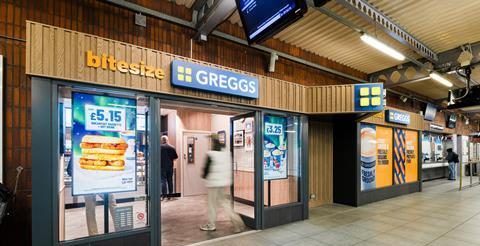
Greggs has unveiled an updated property requirements list as it accelerates plans to expand its UK footprint, signalling continued demand for a diverse range of retail and roadside locations across the country. The food-to-go operator, which secured 100 new shop locations during 2025, is actively seeking leasehold units with a minimum floor area of 900 sq ft. Its acquisition strategy spans both in-town and out-of-town environments, reflecting a flexible approach to site selection aligned with changing consumer habits. Target locations include high streets, shopping centres and transport hubs, alongside retail parks, roadside plots, industrial areas and business parks. The company is also open to opportunities within supermarkets and suburban parades, while continuing to grow its drive-through estate, an increasingly important format within the quick-service sector. Greggs’ broad property criteria highlights the ongoing convergence between retail and industrial real estate, particularly in roadside and logistics-linked locations where accessibility and convenience are key. Sites within mixed-use schemes and employment-led developments are likely to play a growing role in supporting this expansion. The company is aiming to deliver approximately 120 net new stores in 2026, despite reporting a dip in profits in the previous year. With an existing estate of around 2,700 outlets, Greggs has identified capacity to exceed 3,000 locations across the UK over the longer term, underpinned by what it describes as a strong pipeline of opportunities. In addition to its core formats, Greggs is set to trial a new ‘bitesize Greggs’ concept, designed to operate in more constrained urban locations where space is limited but demand remains high. The expansion strategy reflects sustained occupier demand for well-located, flexible units, reinforcing the role of retail-led operators in driving activity across both traditional high streets and emerging urban logistics and roadside environments. Building, Design & Construction Magazine | The Choice of Industry Professionals

Read More »
Siemens launches groundbreaking portfolio for the era of direct current technology

Siemens launches groundbreaking portfolio for the era of direct current technology

Siemens Smart Infrastructure has launched a new, comprehensive portfolio of direct current (DC) protection and switching solutions, solidifying its position as a pioneer in the DC era. The new offering, including the innovative SENTRON 3QD2 semiconductor circuit breaker and the SIRIUS 3RF5 solid-state switching device, is designed to meet the growing demand for sustainable, efficient, and reliable low-voltage power distribution and industrial switching technology. Integrated in power distribution systems such as SIVACON S8 low-voltage switchboard and SIVACON 8PS busbar trunking systems, these solutions are particularly crucial for high-performance applications such as data centers, especially AI Factories, production facilities and battery storage systems, as well as for the integration of renewable energies. The shift from widely used AC (Alternating Current) systems towards DC technology is a critical step in the global energy transition. Renewable energy sources like photovoltaics (PV) and battery storage systems generate or store electricity as Direct Current. By reducing conversion (DC to AC) losses and enabling the direct integration of renewable energy sources, DC systems offer a more efficient and sustainable alternative to traditional AC grids. Siemens is at the forefront of this transformation, with a deep commitment to research and development, demonstrated by its active participation in initiatives like the Open Direct Current Alliance (ODCA) and Current/OS. A key innovation in the new portfolio is the SENTRON 3QD2 semiconductor circuit breaker. Based on semiconductor technology and smart protection algorithms, it enables ultra-fast interruption of short circuits in the microsecond range, up to 1,000 times faster than conventional systems. This is mandatory for DC grids and offers a significant increase of protection and system availability. “With the consistent development of our pioneering semiconductor switching technology, we enable a new level of electrical safety also for the DC era,” said Andreas Matthé, CEO of Electrical Products at Siemens. The parametrizable SENTRON 3QD2 combines protection, switching, monitoring, and energy management in a single compact and multifunctional unit, replacing multiple components and saving significant space. Being maintenance-free with no mechanical wear parts, the SENTRON 3QD2 ensures a long service life and maximum plant availability, making it ideal for critical infrastructure. “Our new DC portfolio equips customers with innovative solutions that not only enhance energy efficiency but also enable them to build a more resilient, future-ready infrastructure. This is a crucial contribution to the decarbonization of our industries and a testament to our commitment to creating technologies with purpose,” Andreas Matthé added. Complementing the SENTRON 3QD2 is the new SIRIUS 3RF5 solid-state switching device, the first of its kind for DC applications. It is designed for high-frequency switching of resistive loads, offering a low wear and durable solution that enhances the efficiency and availability of industrial plants. The SIRIUS 3RF5 also carries the Siemens EcoTech Label, highlighting its sustainable and transparent product design. Together with the SIVACON S8 low-voltage switchboard (with Siemens EcoTech Label), SIVACON 8PS busbar trunking systems as well as integrated DC protection and switching devices, we are paving the way for new DC solutions, supporting a high level of reliability and efficiency in production or infrastructure. The advantages of DC solutions extend beyond individual products. By implementing DC grids, customers can achieve significant cost and material savings. For example, in a manufacturing setting with the use of robots, applying DC technology combined with energy recuperation and storage can reduce peak power demand by up to 80 percent, leading to substantial cost reductions. Furthermore, DC systems eliminate the need for reactive power compensation and require less copper in cabling, resulting in up to 50 percent material savings and a smaller environmental footprint. Siemens will present its new portfolio at the Hannover Messe 2026 in Hall 27, booth A 48. Building, Design & Construction Magazine | The Choice of Industry Professionals

Read More »
AG Strengthens Brick Offering with Clay-Like Range

AG Strengthens Brick Offering with Clay-Like Range

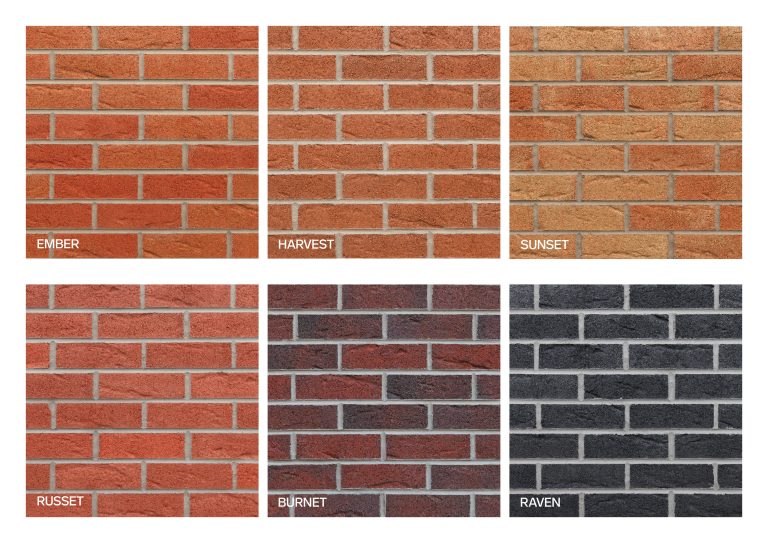
AG, a Tyrone headquartered, manufacturer of low carbon paving and building products, has launched Heathfield, a new clay‑like concrete brick range designed to challenge long‑held assumptions about what brick should be. Developed in response to growing pressure on traditional clay supply, rising energy costs and increasing demand for consistent, reliable materials, Heathfield delivers the authentic appearance of clay with the performance, availability and sustainability of precision‑engineered concrete. The launch marks the latest step in AG’s continued investment in innovation that gives developers and specifiers greater confidence in an increasingly unpredictable market. Each brick is moulded directly from clay samples, with varied embossing applied across each slice offering 27 unique patterns to replicate the natural, irregular surface of clay. This creates a non-repetitive, organic finish across elevations, delivering a timeless aesthetic while avoiding the common challenges of traditional clay. Produced in the third generation company’s state-of-the-art facilities using Enduur 1 advanced concrete technology, Heathfield offers enhanced strength, durability, UV resistance, and hydrophobic performance. Two teardrop-shaped perforations also enhance density and structural strength compared with traditional three-holed bricks. With water absorption around 6% much lower than clay’s 15-20%, and no soluble salts in the mix, Heathfield significantly reduces the risk of efflorescence on site. Cured with renewable energy, the range is more consistent in size than traditional clay, creating uniform bedding joints, sharper finishes, and quicker, more reliable installation while avoiding the uneven joints caused by warped, energy-intensive kiln-fired bricks. Sustainably produced using aggregates from AG’s own quarry, including limestone to enrich colour, the range delivers consistent tones throughout each brick. Currently offered in six traditional colourways, with more planned, the collection provides architects and developers with flexible design options across housing, education and commercial projects. Building on the success of AG’s Woodward bricks, named Responsible Product of the Year 2025 by Business in the Community, Heathfield delivers the same innovative, high-performance qualities as an alternative to traditional clay bricks. Backed by a 60-year guarantee, Heathfield is produced locally in the UK, with typical lead times of just three to five working days, giving builders and specifiers confidence even in unpredictable markets. With energy prices and global supply chains under pressure, many construction materials face significant risk. AG’s low-energy, UK-based manufacturing avoids that exposure, ensuring reliable supply, consistent quality, and a partner customers can trust for the long term. The newly launched range is also part of AG’s broader portfolio of building products, including paving and walling solutions, providing specifiers and developers with a complete, one-stop solution for external materials. Commenting on the launch, AG CEO Stephen Acheson said: “The success of our Woodward range proved that concrete bricks can genuinely compete with, and in many cases outperform, traditional clay. Heathfield builds on that momentum and represents a further step forward in how the industry thinks about brick.” “We set out to create a product that delivers the character and warmth of clay while removing many of the challenges that developers, specifiers and bricklayers experience on site. Every detail has been carefully engineered, informed by close collaboration with the people who use our products day in, day out.” “As the market continues to rethink material choices in light of cost, availability and sustainability pressures, Heathfield offers a confident alternative. We believe products like this will play an increasingly important role in the future of construction, and we are proud to be leading that shift.” Samples of the Heathfield range are now available. For further information, visit ag.uk.com. Building, Design & Construction Magazine | The Choice of Industry Professionals

Read More »
Jewson launches petition to help industry in crisis

Jewson launches petition to help industry in crisis

Jewson has today launched a petition calling on government to get Britain’s building and construction sector out of crisis and into positive economic growth. Jewson is championing the petition, #LetsGetBritainBuildingNOW, which calls on government to build certainty and confidence in the market, focusing on the three biggest things general builders and specialist tradespeople are crying out to be resolved. As a business committed to supporting small and medium builders and tradespeople, Jewson forms part of STARK Building Materials UK Ltd, one of the UK’s leading network of builders’ merchants and materials distributors. John Carter, CEO of STARK Building Materials UK Ltd, who is proudly championing the petition, said: “Despite the ongoing conflict in the Middle East, Britain still needs to get building again. The conflict continues to bring price inflationary pressures that we’re pushing back very hard on to protect our customers as best we can, and as we maintain a reliable flow of material supply into the market. However, this latest challenge only strengthens the headwinds our sector continues to lean into, with building and construction being in the longest period of significant downturn that I’ve seen in my near 50-year career. Enough is enough. Sometimes you just can’t wait, and saving our industry is too important to be left on the brink. “Britain’s hardworking professional trades are at the heart of building our local communities. It’s unthinkable that slow, costly and contradictory planning processes, chronic skills shortages, and a collapse in public confidence are pushing one of our most vital industries to the brink. I really hope that people will get behind this petition, so that we can bring the collective voice of building and construction to Number 10 and turn debate into decisive positive action that kickstarts the sector’s recovery and also much needed broader economic growth.” Commenting on the initiative, Helene Bradley, Communications Director for STARK UK said: “The industry’s in crisis. It’s really important that the broader business community and general public start to understand what’s keeping our hardworking builders and tradespeople awake at night and to consider the unintended consequences if action isn’t taken. “We believe this petition will help amplify the collective voice of builders and tradespeople across the land, so that we can together get Britain building again – and now.” To learn more about the issues underpinning the petition and to join Jewson’s efforts, visit www.jewson.co.uk/lets-get-britain-building-now.   You can sign the petition here: https://www.change.org/LetsGetBritainBuildingNOW.   Building, Design & Construction Magazine | The Choice of Industry Professionals

Read More »
Need Top-Rated Aftermarket Parts for Heavy Equipment? These Are the 4 Best Providers

Need Top-Rated Aftermarket Parts for Heavy Equipment? These Are the 4 Best Providers

For building design and construction professionals, reliable aftermarket parts suppliers, such as Custom Truck, H&R Construction Parts and Equipment, DMC Wear Parts, and FAB Heavy Parts, are crucial for minimizing downtime. Keeping your machines running involves routine maintenance and sourcing the right components from these reliable suppliers as quickly as possible. Investing in top-rated aftermarket parts for heavy equipment offers a practical way to keep costs low without compromising performance. The key is knowing which providers deliver consistent quality, dependable support and the inventory depth needed to keep your operations moving seamlessly. 1. Custom Truck: Best for Whole-Fleet Support Custom Truck stands out for its full-service approach. Instead of operating as a simple parts distributor, it supports your machinery life cycle from acquisition to maintenance and beyond. Its model works well if you manage multiple machines or locations and need consistent support across your fleet. Instead of juggling multiple vendors, you can consolidate sourcing, service and long-term planning in one place. Key Features 2. H&R Construction Parts and Equipment: Best for Brand-Specific Component Rebuilds H&R Construction Parts and Equipment has built a reputation on specialization. It focuses on new aftermarket, rebuilt and used units for major manufacturer brands, making it a strong option when you need components for specific machines. The company is a reliable choice for items designed for well-known equipment brands and refurbished components. It’s especially useful for maintaining older machines where OEM components may be harder to source. Key Features 3. DMC Wear Parts: Best for Earthmoving Equipment Spares DMC Wear Parts specializes in high-wear components, particularly ground-engaging tools (GET), such as bucket teeth, blades and cutting edges. These units face continuous stress, making durability a top priority. For operations involving large-scale digging, grading or material handling, having a reliable source for high-wear parts can make a noticeable difference in maintenance cycles and operating costs. Key Features 4. FAB Heavy Parts: Best for E-Commerce Convenience FAB Heavy Parts takes a more modern approach, offering an e-commerce-driven platform built for speed and convenience. If your priority is fast sourcing and straightforward ordering, this option can save time. It’s best to order components well in advance for standard maintenance, but for emergencies, it may mean longer downtime to replace a broken part. It has excellent sales and shipping support. Key Features Compare Heavy Machinery Aftermarket Parts Suppliers Deciding on the right partner depends on how you operate. If you need ongoing support across multiple machines, a full-service entity makes sense. If you’re sourcing individual items for planned maintenance, an e-commerce platform may be enough. Provider Best For Part Focus Service Model Custom Truck Full fleet support and long-term partnerships Broad equipment and truck components Integrated units, service and support H&R Construction Parts and Equipment Brand-specific and rebuilt components Major OEM brands Parts-focused with rebuild services DMC Wear Parts High-wear components GET and wear parts Specialized product expertise FAB Heavy Parts Fast online ordering, though import taxes apply General non-OEM items Transactional e-commerce How to Buy Top-Rated Aftermarket Parts for Heavy Equipment Several considerations matter when identifying reliable sources for fabricated non-OEM items. Criteria Why It Matters Product breadth and availability Finding components for multiple machine types or brands in one place makes working with distributed suppliers or a single core entity easier. Quality and reliability Consistency in performance and adherence to industry standards determine longevity. Customer support and service Access to knowledgeable teams who can help you identify and source the right components reduces downtime. Industry reputation A track record of serving construction and industrial machinery professionals guarantees professionalism. Frequently Asked Questions About Aftermarket Parts Prepare for repairs before they become failures with knowledge and the right partners. Asking questions ensures you get the best service and components. Q: Are aftermarket parts as good as OEM components? A: They can be, depending on the manufacturer and supplier. High-quality fabricated units are designed to meet or exceed OEM specifications. The difference comes down to materials, engineering and quality control, which vary between fabricators. Q: How do I ensure I’m buying the right part for my machine? A: Start with your machine’s make, model and serial number. From there, work with a supplier that offers technical support. A knowledgeable team can confirm compatibility and help prevent costly mistakes. Q: What is the biggest benefit of using a supplier with service and support? A: Access to service support helps you go beyond part replacement. You can diagnose issues faster, reduce repeat failures and keep equipment running longer. This approach supports uptime and reduces disruptions across your jobsite. Where Can You Buy Top-Rated Aftermarket Parts for Your Heavy Equipment? Sourcing aftermarket parts is essential to daily operations, but the supplier you choose shapes your team’s efficiency. Reliable inventory, strong support and consistent quality all contribute to keeping your machines in service and your deadlines on track. When your provider understands how your machinery operates in the field, you spend less time troubleshooting and more time getting work done.

Read More »
Polyurea Floor Coating: The Ultimate Solution for Durable and High-Performance Surfaces

Polyurea Floor Coating: The Ultimate Solution for Durable and High-Performance Surfaces

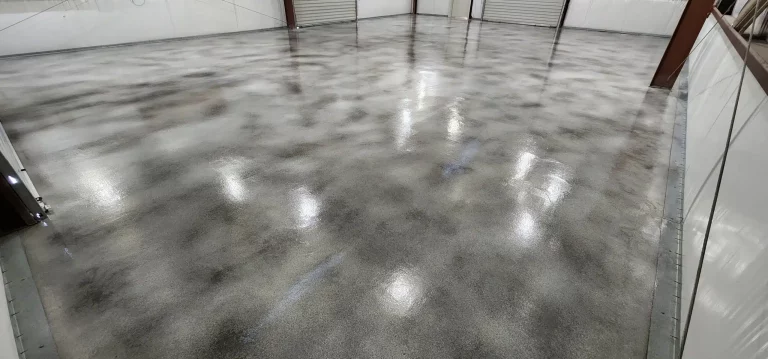
A Modern Solution for High-Performance Flooring As industries, businesses, and homeowners demand more from their built environments, flooring systems must deliver not just aesthetics, but resilience, speed of installation, and long-term performance. Traditional coatings like epoxy have served well, but they often fall short in extreme conditions or fast-turnaround projects. Enter a new generation of protective surfaces designed for today’s high-stress demands. Among the most advanced solutions available today, polyurea floor coating stands out for its exceptional durability, rapid curing time, and superior resistance to wear and environmental factors. Originally developed for military and infrastructure use, polyurea has now become a go-to choice for garages, warehouses, retail spaces, and even residential patios. In this guide, we’ll explore what makes polyurea unique, where it performs best, how it compares to alternatives like epoxy, and what to consider when selecting a system for your project. What Is Polyurea Floor Coating? Polyurea is a seamless, spray-applied elastomeric coating formed by the reaction between an isocyanate component and an amine-based resin blend. Unlike traditional coatings, it cures through a chemical reaction, not evaporation, making it extremely fast and insensitive to humidity. Compared to epoxy (which is rigid and prone to yellowing in UV light) and polyurethane (which offers flexibility but slower cure times), polyurea combines the best of both: flexibility, toughness, and speed. It emerged in the 1980s for pipeline and tank linings but has since evolved into a premier flooring solution due to its adaptability and performance under stress. Key traits include: These properties make it ideal for environments where downtime is costly and failure is not an option. Key Benefits of Polyurea Floor Coatings Exceptional Durability Polyurea withstands heavy foot traffic, forklifts, dropped tools, and constant impact without chipping or delaminating, unlike brittle epoxies that crack under pressure. Rapid Curing Time With full cure in hours (not days), facilities can resume operations quickly. A garage floor can be coated in the morning and driven on by evening, minimizing disruption. Superior Chemical and Moisture Resistance Resistant to oils, acids, solvents, and salt, polyurea is perfect for auto shops, food processing plants, and labs. Its moisture tolerance also allows application on damp substrates, critical in humid climates. Seamless and Aesthetic Finish Available in matte, satin, or glossy finishes, and customizable with color flakes or quartz broadcast, polyurea enhances visual appeal while eliminating grout lines where bacteria thrive. UV and Temperature Resistance Unlike epoxy, polyurea won’t yellow or degrade in sunlight, making it suitable for driveways, patios, and outdoor loading docks. It performs reliably from -40°F to over 300°F. Applications of Polyurea Floor Coatings Residential Spaces Garages, basements, pool decks, and driveways benefit from polyurea’s stain resistance, easy cleaning, and slip-resistant options. Homeowners appreciate the “new concrete” look that lasts decades. Commercial Environments Retail stores, showrooms, restaurants, and offices use polyurea for its sleek appearance, low maintenance, and quick return-to-service, ideal during renovations or tenant build-outs. Industrial Facilities Warehouses, manufacturing plants, and distribution centers rely on polyurea for its ability to endure constant forklift traffic, chemical spills, and thermal cycling without degradation. Institutional and Public Spaces Hospitals, schools, parking structures, and airports choose polyurea for hygiene (seamless = fewer pathogens), durability, and compliance with safety standards. Polyurea vs. Epoxy: Understanding the Differences Feature Polyurea Epoxy Curing Time Very fast (minutes to hours) Slow (24–72 hours) Flexibility High (elastic) Moderate (rigid) UV Resistance Excellent (no yellowing) Poor (discolors in sun) Durability Superior (impact-resistant) High (but prone to cracking) Temperature Range Wide (-40°F to 300°F+) Limited Downtime Minimal Longer For projects requiring speed, resilience, or outdoor exposure, polyurea is increasingly the smarter choice. The Installation Process Explained Professional installation is critical for optimal results: Because polyurea cures so quickly, timing and expertise matter. DIY kits rarely match professional-grade formulations or equipment. Maintenance and Longevity One of polyurea’s standout advantages is its low-maintenance nature. Routine care typically involves sweeping and occasional mopping with mild, pH-neutral cleaners—no harsh chemicals or special equipment needed. Its seamless surface resists staining from oil, grease, wine, and industrial solvents, while its impermeability blocks moisture penetration that can cause mold or concrete degradation. Annual visual inspections are usually sufficient to catch minor wear early. Thanks to its exceptional resistance to abrasion, UV exposure, and thermal cycling, a professionally installed polyurea floor can last 15–25 years or more, delivering significant long-term cost efficiency compared to coatings that require frequent recoating or repairs. Environmental and Economic Advantages Polyurea delivers both ecological and financial benefits. Its rapid curing time minimizes facility downtime, critical for businesses where every hour of closure means lost revenue, and reduces labor costs associated with extended installation periods. The application process is energy-efficient, often requiring no ovens or high-heat curing. With a service life exceeding two decades, polyurea drastically cuts the need for replacement materials, reducing construction waste and resource consumption. This longevity, combined with its durability and low maintenance, aligns with principles of sustainable construction by promoting lifecycle efficiency and minimizing environmental impact over time, making it a responsible choice for eco-conscious developers and facility managers alike. How to Choose the Right Polyurea Floor Coating Selecting the ideal polyurea system starts with understanding your intended use: Is it a residential garage, a food processing plant, or a retail showroom? Match the coating to expected traffic levels, light foot traffic versus heavy forklift use demand different formulations. Consider environmental exposure: Will the floor face UV sunlight, chemical spills, or freeze-thaw cycles? Prioritize safety by choosing appropriate slip resistance (e.g., quartz or aluminum oxide broadcast). Aesthetic preferences, gloss level, color, decorative flakes, should complement your space. Crucially, verify installer credentials; polyurea requires precise temperature, humidity, and mixing ratios best handled by certified professionals. Finally, review warranty terms and performance data sheets to ensure the product meets industry standards for your specific application. Conclusion: A Future-Ready Flooring Solution Polyurea floor coating stands out as a high-performance solution built for the demands of modern construction. Its unmatched durability, rapid installation, and resistance to chemicals, moisture, and wear make it ideal across residential, commercial, and industrial


Read More »
Preventing Theft On Construction Sites: A Guide For Business Owners

Preventing Theft On Construction Sites: A Guide For Business Owners

Theft is a top concern amongst construction business owners, even in 2026 when monitoring and surveillance is more common than ever. Security risks on construction worksites run high at all times, but theft is something that never seems to be completely stamped out.  And that’s why we’ve put together a quick guide for eliminating theft risks within your construction business. Here’s how to set up a security foundation on any and all worksites you may be contracted for. Make Sure the Site is Well Lit You don’t want to make the mistake of working with dark areas along the fencing, behind any erections, or in the worksite corners. If any would-be trespasser or thief spots these, your site can quickly become a target.  After all, they know there are literal blind spot areas available, where both CCTV cameras and any on site personnel are less likely to notice someone.  Set Up an Access Control System Yes, even outdoor and/or temporary construction sites can make use of an access control system to keep track of who’s been on site and when.  Whether or not your site is split into zones where only certain workers are permitted to enter, you can use an access control check in on any and all entry points.  This gives you a much clearer view of who has gained access to your site, as every person has their own check in credentials. These can also be time limited, to make sure no one is able to access entry past a certain point in time.  Combined with a CCTV system, an access control system can let you watch over your site remotely, at all times, and with better peace of mind.  Make Use of CCTV It’s the classic way to keep any and all business premises secure. On a construction site, temporary camera systems can be used to monitor the work area 24/7.  And like we said above, they can be easily integrated with further access control measures to provide an all round theft deterrent. Make sure your worksite also employs the use of CCTV warning signs, as these can be deterrents on their own.  However, they’re essential for data privacy concerns as well; anyone on or near the site needs to be aware that they might be recorded.  Leave Nothing On Site Overnight It’s easy to forget a few tools when you’re in a rush. It’s also very easy to forget to lock up the tool shed or storage lockers you’d usually keep them in.  But that’s why you need to run a working policy around tools, materials, and equipment being left on site when you’re off the clock.  Take valuable equipment off site with you at the end of the day, and require all employees to complete mandatory tool checks to ensure nothing has been left behind by accident.  Construction site theft often causes a loss in profits. Safeguard your own business from it using the worksite tips listed above. 

Read More »