
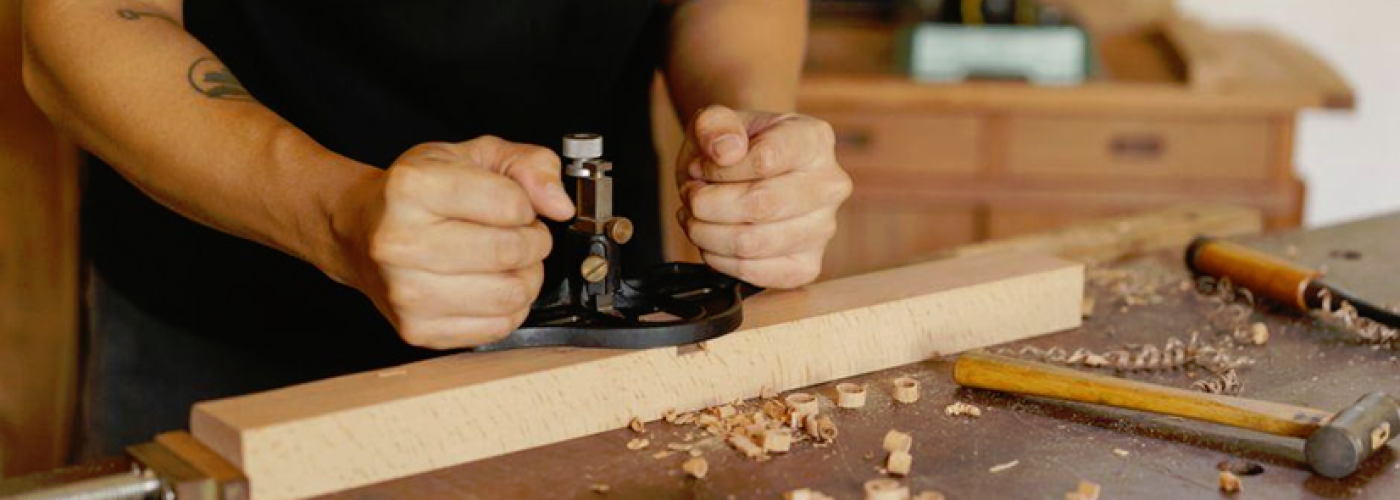


Walk through most new developments and the fit-out feels familiar: the same flat-pack joinery, the same mass-produced finishes, the same slightly anonymous feel. It is efficient, but something is lost. Bespoke woodwork is the quiet antidote, and it is making a comeback in serious builds.
Custom makers prove the point. Workshops like Parkman Woodworks, a Los Angeles studio crafting custom wood and steel furniture, show how much character handmade joinery brings to a space. This piece looks at why bespoke woodwork endures, even in an age built around speed.
Why Does Bespoke Woodwork Still Matter?
Because it solves problems mass production cannot. A standard unit is made to fit an average room. A bespoke piece is made to fit your room, your dimensions, and your use, with no awkward gaps or compromises.
It also lasts. Where flat-pack furniture is often built to a price and a short life, quality custom joinery is built to endure, frequently outliving the building’s first fit-out by decades. That longevity is increasingly valued as the industry rethinks throwaway interiors.
There is a character dimension too. Handmade timber carries grain, warmth, and individuality that a laminated panel simply cannot fake. In a market chasing distinctiveness, that craft is a genuine differentiator for developers and homeowners alike.
And it aligns with where building is heading. As the sector debates what it means to be built to last, bespoke woodwork answers with pieces designed to be repaired, not replaced. Craft and sustainability turn out to be close allies.
What Sets Custom Furniture Apart?
A series of qualities that standardised production trades away for scale. The differences are clear once you know what to look for. The main ones are:
- Exact fit. Built to precise dimensions, not average ones.
- Material quality. Solid timber and steel, not veneer over board.
- Joinery. Traditional joints that hold for decades, not staples.
- Repairability. A quality piece can be restored, not binned.
- Individuality. Each piece is unique, with real grain and character.
Each of these adds up to a piece that performs and ages better. The contrast with mass production is stark: one optimises for cost and speed, the other for fit and longevity.
Sourcing matters too. The best makers use responsibly harvested timber, and some, like the studios working with locally fallen trees, turn sustainability into part of the story. The material itself carries provenance.
How Does Quality Woodwork Fit Modern Buildings?
More naturally than you might expect, even in contemporary schemes. Bespoke joinery is not about period pastiche; it is about doing the built-in elements properly. A few facts frame its place:
- Solid hardwood pieces can last 50 years or more with basic care.
- A bespoke item is made to 1 exact set of dimensions, not a range.
- Wood and steel together pair warmth with strength in 2 honest materials.
- Hardwood dust carries a strict workplace exposure limit, set at 3 mg/m³.
Those last figures matter on site. Working timber safely is a regulated trade, and official guidance on woodworking safety sets out how dust and machinery must be managed, which reputable makers take seriously.
Compliance reaches the finished build as well. Fitted timber elements must meet the relevant building regulations, from fire performance to structural fixings, so quality woodwork is engineered, not just attractive. Good makers design with those standards in mind from the first sketch.
What Should You Look for In a Maker?
Evidence of craft, materials, and reliability, not just a portfolio of nice photos. The table below frames the checks.
| Factor | Why It Matters |
| Material honesty | Solid timber and steel outlast veneered board |
| Joinery quality | Proper joints define how long a piece lasts |
| Sustainable sourcing | Responsible timber adds value and provenance |
| Custom capability | True bespoke fits your exact space and brief |
| Track record | Past work shows consistency and reliability |
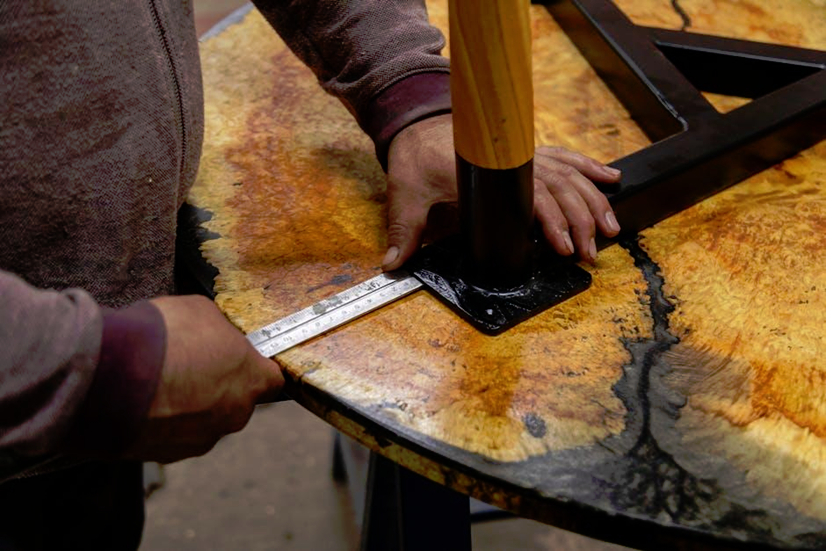
Alt text: A handcrafted wood and steel table in a modern interior
Any maker should be able to evidence each of these readily. Vague answers on materials or sourcing are a warning sign, while a confident, specific response signals genuine craft.
The payoff is a fit-out with soul. Whether it is a conference table, built-in shelving, or a statement staircase, bespoke woodwork brings a character that off-the-shelf joinery rarely matches. Studios like the Los Angeles makers at Parkman Woodworks show what that looks like. It is craft worth specifying.
The Case for Craft
- Bespoke woodwork fits exactly, lasts longer, and carries real character.
- Solid materials and traditional joinery outperform flat-pack alternatives.
- Quality joinery meets building regulations and safety standards.
- Responsible timber sourcing adds sustainability and provenance.
- Choose a maker on materials, joinery, sourcing, and track record.
Building With Pieces That Last
In a construction culture optimised for speed, bespoke woodwork is a deliberate choice for quality. It costs more up front than flat-pack, but it fits better, lasts longer, and gives a space a character that mass production cannot buy. For developers and homeowners weighing the long view, well-made custom joinery is not an indulgence. It is an investment in a building that will still feel considered decades from now.
Frequently Asked Questions
Is Bespoke Furniture Worth the Cost?
For most quality-focused projects, yes. Bespoke furniture fits a space exactly, uses better materials, and lasts far longer than mass-produced alternatives, often outliving several rounds of flat-pack. When you factor in durability and the ability to repair rather than replace, the higher upfront cost frequently works out as good value.
How Long Does Solid Wood Furniture Last?
Well-made solid timber furniture can last fifty years or more, and often much longer with basic care. Because it can be sanded, repaired, and refinished, a quality piece is rarely thrown away. That longevity is one of the strongest arguments for choosing bespoke joinery over cheaper, disposable options.
What Should I Ask a Custom Furniture Maker?
Ask about materials, joinery methods, timber sourcing, and past projects. A reputable maker will happily explain whether they use solid wood or veneered board, what joints they use, and where their timber comes from. Clear, specific answers signal genuine craft, while vague responses are a reason for caution.
Does Bespoke Woodwork Suit Modern Buildings?
Very much so. Custom joinery is not limited to traditional styles; it adapts to contemporary design while bringing warmth and longevity. Built-in storage, statement furniture, and timber detailing all work in modern schemes, and because they are made to measure, they fit clean, minimal interiors particularly well.