


The commercial property sector faces a profound shift driven by changing consumer habits. Modern spectators no longer view live sporting events through a purely passive lens. Instead, contemporary stadium visitors expect seamless, high-speed digital engagement across the matchday journey.
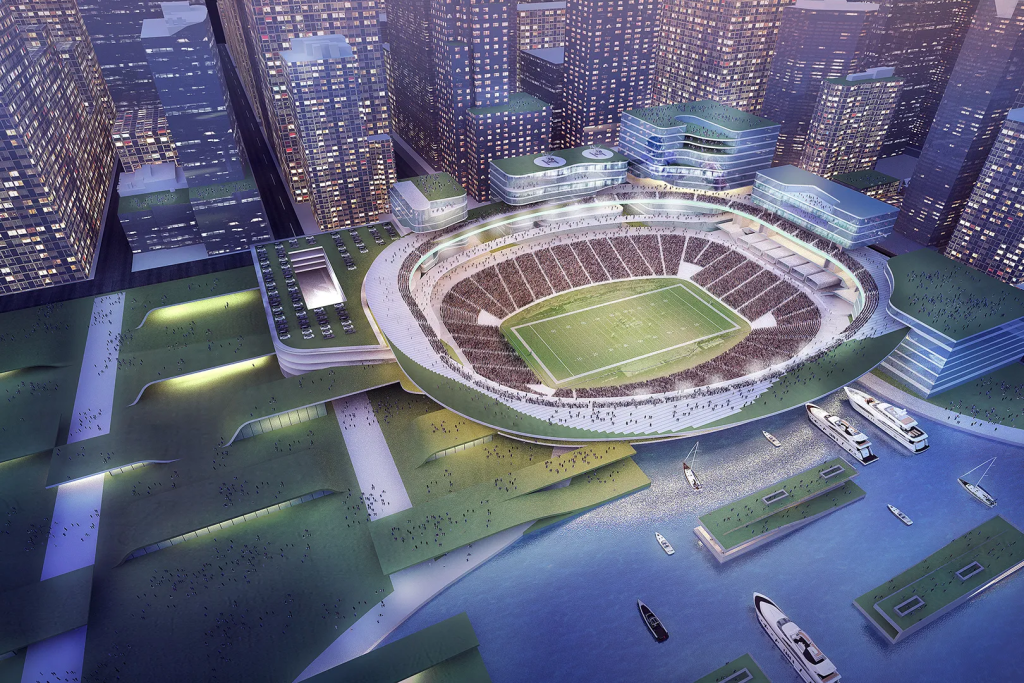
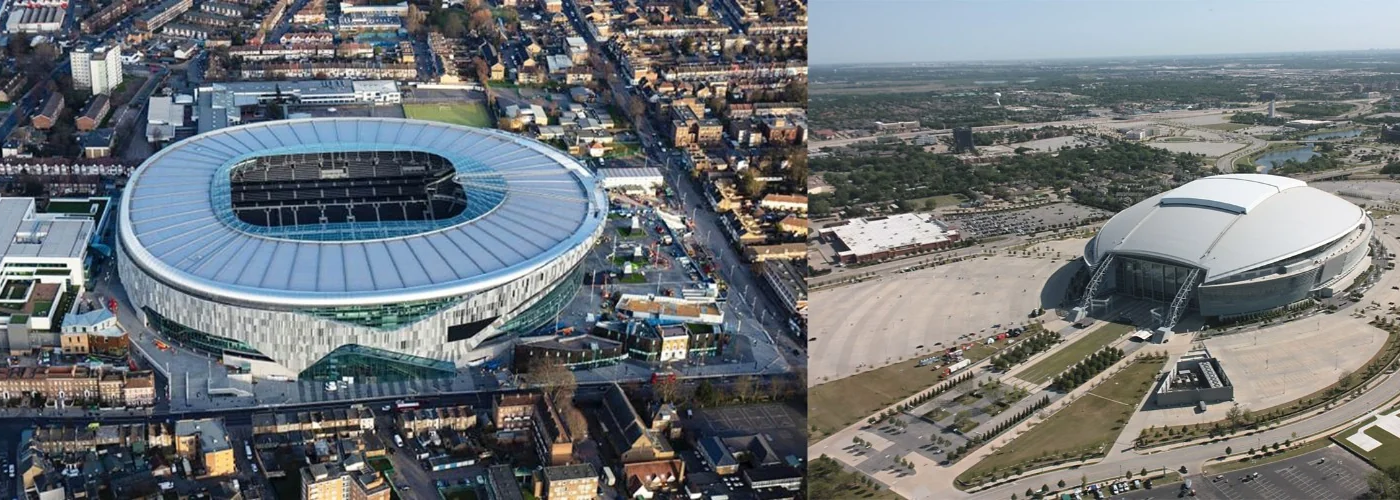
This behavioral change forces architects, engineers, and developers to rethink traditional venue blueprints. Basic seating bowls—from a global World Cup stadium or cricket ground to a NBA sports arena—are increasingly evolving into highly integrated, tech-driven entertainment hubs.
Forward-thinking designers are prioritizing robust communication networks as fundamental elements of structure. Consequently, contemporary stadiums must support massive localized data demand generated by thousands of connected mobile devices. Building digital-first venues can help sports clubs strengthen long-term commercial assets.
Integrating High-Density Network Infrastructure
The commercial viability of modern arena construction depends heavily on advanced connectivity platforms. Tier-one contractors are installing comprehensive fiber-optic networks to support high-performance data traffic. For example, the newly completed Nu Stadium at Miami Freedom Park features next-generation network infrastructure. This high-density system incorporates advanced Wi-Fi 7 elements throughout the venue.
This robust infrastructure supports thousands of fans streaming content simultaneously during events. Spectators consistently use mobile devices to track concurrent tournament matches during breaks. They use custom smartphone applications to check fantasy lineups, follow World Cup betting markets, or browse merchandise stores across major soccer, basketball, and cricket events.
Therefore, engineers integrate high-density cellular and Wi-Fi systems throughout the stadium design. This forward-thinking approach prevents network congestion and ensures uninterrupted digital access. Engineering teams often use connectivity solutions from providers such as CommScope to support antenna planning and coverage design. This professional tool optimizes antenna placement to guarantee uniform coverage throughout the bowl.
Expanding Mixed-Use Entertainment Districts
Contemporary sports venue design extends far beyond the physical perimeter of the pitch. Capital developers are creating expansive commercial zones to engage visitors before kickoff.
In Manchester, the Etihad Stadium expansion plans include enhanced entertainment, hospitality, and fan-zone facilities. Architects use large-format outdoor LED displays to create immersive pre-game public viewing areas. These amenities can encourage earlier arrivals and increase matchday retail activity. Integrating retail, hospitality, and leisure facilities transforms traditional stadiums into year-round community anchors.
Consequently, construction firms must design flexible urban spaces that support diverse revenue-generating opportunities. To model these extensive master plans, design teams rely heavily on Autodesk Revit. This building information modeling software allows architects to coordinate complex mixed-use structures seamlessly.
Implementing Smart Crowd Management Systems
Modern stadium developments utilize advanced technological solutions to optimize matchday logistics and safety. Intelligent building systems help venue operators monitor massive crowd movements in real-time. Notably, some local authorities have deployed traffic-adaptive street lighting on routes serving major event venues, including soccer stadiums. This innovative setup utilizes sensor-based systems to adjust illumination. Brightness can increase during periods of higher pedestrian flow to support safety around the site.
Inside the venue, smart technology transforms how people and physical assets interact by managing concourse lines at concession stands. Digital signage updates to direct spectators toward shorter restrooms and exit queues. Implementing these automated data tools streamlines stadium operations and minimizes venue congestion.
To simulate these pedestrian dynamics during the design phase, engineers use Oasys MassMotion. This crowd simulation tool helps identify potential bottlenecks during design stages.
Enhancing Immersive Visual Environments
The interior architecture of modern sports arenas focuses heavily on visual immersion. Main contractors in modern stadium projects are installing large LED scoreboard systems to enhance spectator engagement and in-venue visibility.
For example, the Spotify Camp Nou redevelopment is part of FC Barcelona’s Espai Barça project. It involves a phased modernization of the stadium, including planned upgrades to its digital and audiovisual infrastructure. The project aims to improve the overall fan experience, though implementation depends on construction progress and redevelopment phases. High-definition ribbon boards also wrap around stadium tiers to maximize commercial sponsorship exposure.
Integrating these advanced audiovisual technologies creates new premium advertising inventory for venue operators. Ultimately, visual engineering keeps modern crowds deeply engaged throughout the entire event. To integrate these complex electronic displays into the architecture, engineers use Navisworks. This project review software helps construction teams detect structural clashes before fabrication.