

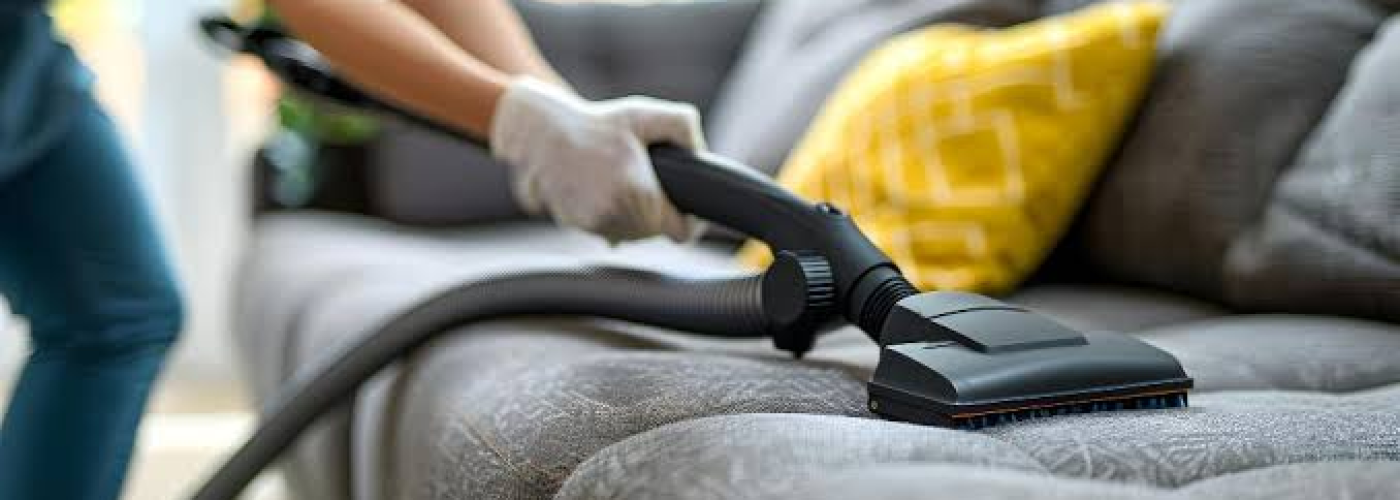


Furniture is a long-term investment, but even high-quality pieces can lose their appearance and stability without proper care. Daily use, dust, moisture, sunlight, and accidental spills can gradually affect chairs, tables, cabinets, and other household furniture.
The good news is that furniture maintenance doesn’t have to be complicated. A few simple habits can keep your furniture looking better and help prevent small problems from becoming expensive repairs.
1. Clean Furniture Regularly
Regular cleaning is one of the easiest ways to protect furniture.
Dust can accumulate on surfaces and inside small gaps, while food particles and spills may cause staining if they are left untreated.
Use cleaning products suitable for the specific material. A soft microfiber cloth is generally useful for removing everyday dust without creating unnecessary scratches.
Avoid applying excessive moisture to wooden or woven furniture. Always follow the manufacturer’s cleaning instructions when available.
2. Protect Furniture From Excessive Moisture
Moisture can damage many furniture materials.
Wood may swell or develop stains, while natural woven materials can deteriorate when repeatedly exposed to damp conditions.
Keep indoor furniture away from persistent sources of moisture, such as leaking windows or damp walls.
For outdoor furniture, check whether the material has been specifically designed to withstand outdoor conditions.
3. Keep Furniture Away From Direct Sunlight
Strong sunlight can gradually fade fabrics, finishes, and natural materials.
If possible, position valuable furniture away from prolonged direct sunlight. Curtains, blinds, and UV-filtering window treatments can also help reduce exposure.
Rotating furniture occasionally can help prevent one area from receiving all the sunlight.
4. Inspect Chairs and Tables for Loose Parts
Furniture can develop loose connections after repeated use.
Chairs are particularly likely to experience movement around their legs and joints because they are frequently shifted and carry body weight.
Every few months, check screws, bolts, joints, and connecting hardware.
Tighten loose fittings carefully, but avoid overtightening them.
5. Pay Attention to Woven Furniture
Woven furniture adds texture and character to a room, but its construction means dust can collect between individual strands.
Rattan is one example of a natural material commonly used for seating and decorative furniture. If you’re unfamiliar with the material, this guide to what a rattan chair is explains its characteristics and common uses.
Use a soft brush or suitable vacuum attachment to remove dust from woven surfaces. Avoid soaking natural rattan unless the manufacturer specifically recommends that cleaning method.
6. Check for Wobbly Furniture
A chair that rocks or moves should not simply be ignored.
A wobbly chair may have a loose screw, damaged joint, uneven leg, worn furniture foot, or an uneven floor underneath it.
Start by placing the chair on a hard, level surface and gently testing it from different directions.
If you’re unsure where the instability is coming from, a detailed guide to fixing a wobbly chair can help you identify common causes and possible solutions.
Fixing minor instability early can help prevent additional stress on the chair frame.
7. Use Furniture Pads
Furniture pads can protect flooring and help reduce minor movement.
Felt pads work well on many hard floors, while rubber pads may provide additional grip.
However, furniture pads shouldn’t be used to hide serious structural damage.
If a chair has a cracked leg or badly damaged frame, repair the underlying problem rather than simply adding a thicker pad.
8. Don’t Drag Heavy Furniture
Dragging furniture across the floor can damage both the furniture and the flooring.
When moving heavy pieces, lift them when practical or use appropriate furniture-moving equipment.
For larger items, having another person help can reduce the risk of injury and accidental damage.
Repair Small Problems Early
One of the best furniture-care habits is dealing with small problems before they become major ones.
A loose screw may take seconds to tighten. A small surface scratch may be easy to repair. A slightly loose joint may be manageable before repeated movement causes further damage.
Ignoring these problems can eventually result in more extensive repairs.
Know When Professional Help Is Needed
DIY maintenance is suitable for many minor furniture problems, but not every repair should be attempted at home.
Professional help may be appropriate when furniture has:
- Severe structural cracks
- Extensive water damage
- Rot
- Broken load-bearing components
- Valuable antique construction
- Repeated repair failures
Safety should always be the priority.
Choose Furniture Based on Your Lifestyle
Furniture care begins before you even purchase an item.
Consider how the furniture will be used and where it will be placed.
For a busy family home, durable and easy-to-clean materials may be more practical. For a decorative room, appearance and texture may have greater importance.
Think about children, pets, moisture, sunlight, and frequency of use before making your decision.
Create a Simple Maintenance Routine
You don’t need a complicated schedule.
A basic routine could include:
Weekly: Remove dust and clean visible spills.
Monthly: Check frequently used furniture for movement or loose parts.
Every few months: Inspect joints, legs, hardware, and protective pads.
Annually: Review the condition of major furniture and decide whether repairs or refinishing are needed.
This small amount of regular attention can make a significant difference over time.
Final Thoughts
Good furniture care is mostly about consistency. Regular cleaning, sensible placement, careful handling, and early repairs can help extend the useful life of chairs and other household furniture.
Don’t wait until a chair becomes seriously unstable before checking it. Likewise, protect natural materials from excessive moisture and sunlight and use cleaning methods appropriate for each material.