

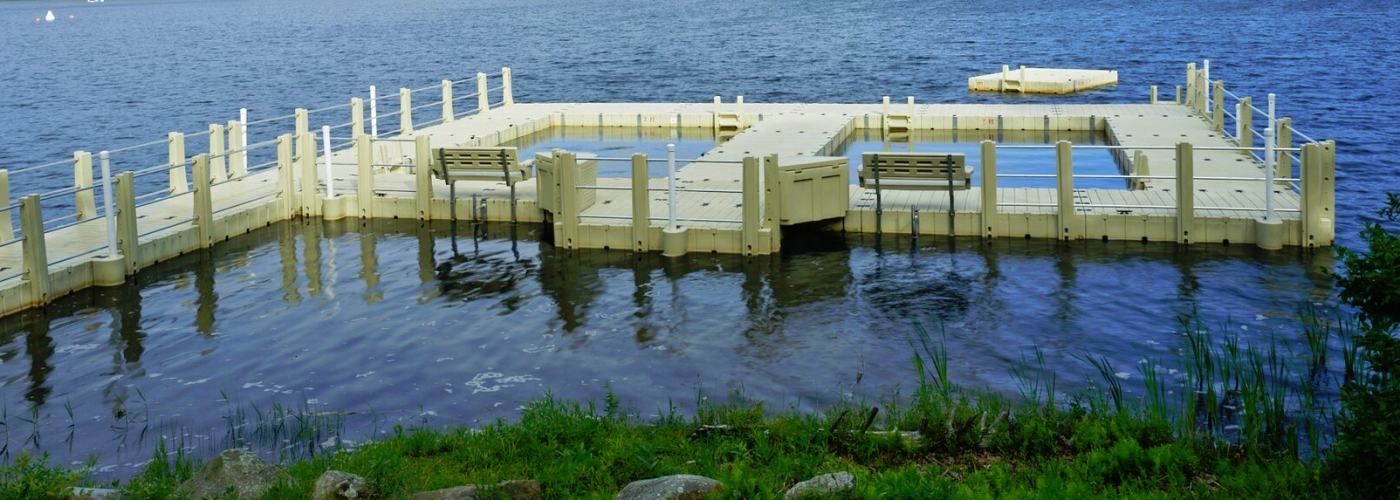


Floating dock selection represents a critical infrastructure decision that directly impacts marina longevity, operational safety and client retention. Building design professionals must evaluate structural performance, environmental compliance and material durability.
This guide examines essential design considerations, provider evaluation criteria and a detailed comparison of leading manufacturers.
Key Environmental and Structural Design Considerations
Marina designers face complex challenges when specifying floating dock systems. Structural integrity must account for wave energy dissipation, lateral loads and continuous movement in variable water conditions.
Material longevity is equally important, as exposure to ultraviolet radiation, temperature extremes and corrosive saltwater accelerates degradation.
Marinas must also account for the daily movement patterns of vessels, pedestrians and service crews. Dock surfaces, access points and connection systems should support safe circulation while maintaining enough flexibility to handle changing water levels.
Navigating Basin Area and Footprint Requirements
A marina’s basin layout should support efficient slip use without compromising turning radius, fairway width or emergency access. Professionals should also consider how the dock configuration affects fueling, pumpout access, accessibility and service vehicle staging.
Determining optimal basin area and dock layout requires balancing moorage density against safe vessel maneuverability. Vessel number and size dictate the required basin area, depth and clearance specifications.
It is important to address wave protection, fender system design and mooring load calculations.
Modular floating dock systems can help marina operators adjust layouts over time as vessel sizes, seasonal demand and revenue goals change.
Environmental Protections and Foam Containment Laws
Environmental regulations increasingly mandate floating dock systems that protect aquatic ecosystems from microplastic pollution. Traditional polystyrene foam flotation poses significant risks as degradation releases harmful particles into sensitive marine habitats. Research demonstrates that polystyrene nanoplastics cause endocrine disturbance and neurotoxicity in fish, gut inflammation in seabirds and decreased feeding rates in zooplankton.
Washington state environmental regulations enforced starting in 2024 require polystyrene foam to be fully encased in durable shells constructed from plastic, concrete, aluminum or steel. Similar frameworks continue to emerge, making environmentally responsible material selection a compliance requirement.
How to Choose the Best Floating Dock Providers
Evaluating the best floating docks for marinas requires systematic assessment of material quality, structural resilience and long-term performance.
The following criteria separate premium manufacturers from budget alternatives:
- Material durability: Tough plastic construction resists rot, corrosion and UV degradation far better than easily compromised materials.
- Structural longevity: Proven installations with decades of service history demonstrate real-world performance.
- Storm resilience: Engineered wave energy dissipation systems protect dock infrastructure and moored vessels.
- Installation efficiency: Modular systems minimize onsite labor and accommodate phased construction.
What Are the Best Floating Docks for Marinas?
Key considerations include on-site conditions, vessel types and operational priorities. Here are five of the best floating docks for marinas.
1. EZ Dock
EZ Dock stands as the premier floating dock solution for marina designers prioritizing durability, flexibility and proven performance. Tough plastic construction eliminates rot, splintering, chipping, warping and peeling. Flexible rubber couplers dissipate wave energy, protecting infrastructure and moored vessels.
Some installations from over 25 years ago remain in active service, demonstrating exceptional durability.
Key Features
- Modular marina layouts: Reconfigurable systems allow seasonal adjustments to slip widths, maximizing revenue.
- Durable polyethylene construction: Engineered plastic resists rot, splintering, chipping, warping and peeling.
- Low-maintenance surfaces: Durable textures are safe and easy to clean.
- Eco-friendly modular system: Recyclable polyethylene and molded rubber components eliminate microplastic pollution.
2. FloatingDocks.com
FloatingDocks.com specializes in aluminum and concrete systems for commercial marinas facing challenging conditions. Integrated wave attenuators provide vessel protection where wind and wave action threaten infrastructure.
Key Features
- Aluminum and concrete systems: Commercial-grade materials designed for marina applications.
- Integrated wave attenuators: Engineered protection systems secure mooring in rough-water conditions.
- Custom marina infrastructure: Complete solutions including gangways and utility-ready components.
- Heavy-duty coastal performance: Robust construction suitable for large vessels and exposed environments.
3. Candock
Candock offers modular HDPE systems that assemble into virtually unlimited configurations. The cube-based approach provides exceptional layout flexibility.
Key Features
- HDPE modular cube system: Assembles into unlimited shapes and sizes.
- UV and chemical resistance: Materials designed for long-term durability.
- Maintenance-free construction: No wood or metal components to rot, rust or require painting.
- Fast lightweight installation: Anti-skid surfaces and high stability.
4. ShoreMaster
ShoreMaster is a U.S.-based manufacturer of docks, boat lifts, floating docks and waterfront accessories for residential and commercial marine applications. The company is recognized for its durable marine-grade aluminum construction, modular designs and customizable waterfront systems that perform reliably in a variety of lake and marina environments.
Key Features
- Modular dock systems: Sectional, wheel-in and floating configurations.
- Marine-grade aluminum construction: Corrosion-resistant, durable and low-maintenance.
- Comprehensive boat lift lineup: Vertical, hydraulic, pontoon and PWC lifts.
- Adaptable floating dock technology: Expands easily and adjusts to changing water levels.
5. Bellingham Marin
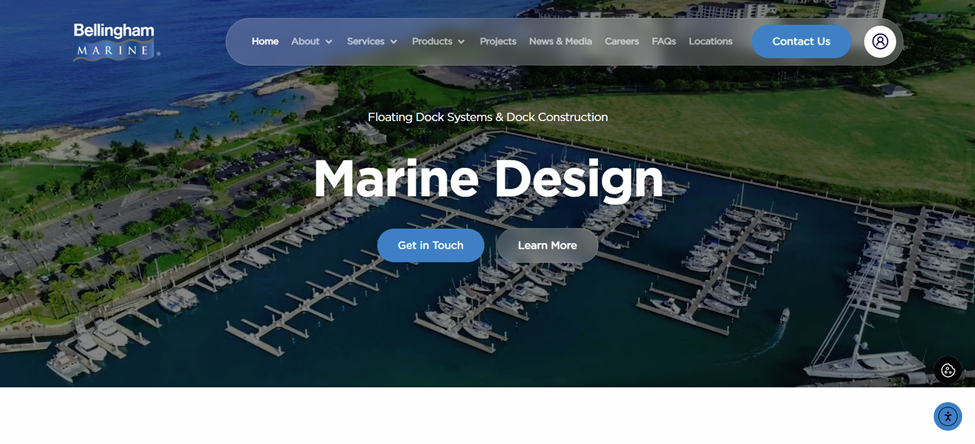
Bellingham Marine brings decades of waterfront engineering experience to comprehensive marina solutions. Concrete dock systems offer exceptional longevity, with installations engineered to exceed 50 years.
Key Features
- Comprehensive marina engineering: Floating docks, wave attenuators and design-build solutions.
- Multiple dock material options: Concrete, aluminum and timber systems.
- Long service life: Concrete systems engineered to exceed 50 years.
- Global marina expertise: Decades of engineering experience and project delivery.
Comparing These Floating Dock Providers at a Glance
The following comparison highlights key differentiators among leading floating dock manufacturers, enabling designers to match specific project requirements with optimal material and performance characteristics.
| Company | Primary Material | Key Feature | Ideal Use Case |
| EZ Dock | Polyethylene plastic | Modular reconfiguration with rubber wave energy dissipation | Commercial marinas requiring seasonal layout flexibility |
| FloatingDocks.com | Aluminum and concrete | Integrated wave attenuators for rough-water protection | Exposed coastal facilities with heavy vessel traffic |
| Candock | HDPE modular cubes | Unlimited shape configuration with maintenance-free plastic | Custom marina layouts in varied environments |
| ShoreMaster | Marine-grade aluminum | Modular dock systems with customizable waterfront layouts | Residential and commercial waterfronts with changing water levels |
| Bellingham Marine | Concrete, aluminum, timber | 50-plus year service life with concrete systems | Large-scale waterfront developments requiring permanent infrastructure |
Frequently Asked Questions About Marina Docks
Discover more about the best floating docks for marinas.
Q: How long do plastic floating docks last?
A: When properly installed and maintained, high-quality polyethylene floating docks can last for decades with minimal maintenance. Material quality, UV stabilization and upkeep consistency impact service life.
Q: How do floating docks handle severe weather?
A: Engineered systems use flexible connectors and wave energy dissipation to absorb storm forces. Rubber couplers allow sections to move independently, preventing stress concentration. These components help the dock move with water action instead of concentrating stress in one rigid point.
Q: What environmental regulations affect floating dock selection?
A: Environmental requirements vary by jurisdiction, but many rules focus on flotation materials, foam containment and protection of aquatic ecosystems. Jurisdictions increasingly regulate flotation materials to prevent microplastic pollution. For instance, Washington state regulations require polystyrene foam to be fully enclosed in a plastic, concrete or metal shell.
Finalizing a Marina Infrastructure Investment
Durable floating dock systems represent a cornerstone investment influencing operational costs, client satisfaction and longevity. Designers who prioritize material quality deliver projects that withstand decades of demanding service.