Kenneth Booth
Willmott Dixon Begins £30m Redevelopment of Barnes Hospital

Willmott Dixon Begins £30m Redevelopment of Barnes Hospital

Willmott Dixon has commenced a £30 million regeneration scheme at Barnes Hospital, set to transform the site into a modern NHS mental health facility and a new special educational needs (SEN) school. The redevelopment will see the creation of a dedicated mental health hub, providing accommodation for a range of

Read More »
McLaughlin & Harvey celebrate opening of Janet Harvey Hall

McLaughlin & Harvey celebrate opening of Janet Harvey Hall

Recently on 25 June 2025, representatives from McLaughlin & Harvey joined client BAE Systems to celebrate the official opening of the Janet Harvey Hall. The project combined expertise from McLaughlin & Harvey’s construction and civil engineering teams to deliver a new, more efficient and safe shipbuilding facility for BAE Systems.

Read More »
Vivalda now offering Cedral Facades nationally

Vivalda now offering Cedral Facades nationally

Vivalda has underpinned its status as a national supplier of Cedral facades, following its extensive UK-branch network and investment in warehousing, logistics and fabrication technology. As one of the UK’s largest stockists of non-flammable facades, Vivalda is able to supply Cedral’s most popular products to contractors and merchants within just

Read More »
Loft Conversions 101: Transforming Attics into Living Space

Loft Conversions 101: Transforming Attics into Living Space

With property prices continuing to rise across the UK and moving costs reaching new heights, homeowners increasingly turn to loft conversions as a practical solution for expanding their living space.These transformative projects offer an opportunity to unlock hidden potential within your existing property, creating valuable additional rooms without the expense

Read More »
Greener Workspaces: Low-Carbon Materials for Your Next Office Fitout

Greener Workspaces: Low-Carbon Materials for Your Next Office Fitout

The commercial property sector is undergoing a fundamental transformation as businesses increasingly recognise the environmental impact of their workspace decisions. Modern office fitout projects now prioritise sustainability alongside functionality, with low-carbon materials becoming essential components of responsible workplace design. This shift represents more than just environmental consciousness—it’s reshaping how organisations

Read More »
Landsec Begins Transformation of Marlborough Square at Gunwharf Quays

Landsec Begins Transformation of Marlborough Square at Gunwharf Quays

Landsec has officially broken ground on its redevelopment of Marlborough Square at Gunwharf Quays in Portsmouth, marking a significant step forward in the ongoing enhancement of the popular outlet shopping destination. This latest phase follows recent improvements to The Avenues and forms part of Landsec’s broader strategy to elevate the

Read More »
Firethorn Trust tops out PBSA development in Leith Walk, Edinburgh

Firethorn Trust tops out PBSA development in Leith Walk, Edinburgh

Real estate investor, developer and asset manager, Firethorn Trust, has reached a significant construction milestone at its purpose-built student accommodation (PBSA) development at Leith, Edinburgh, with a topping out ceremony marking completion of the site’s structural framework. Located on Leith Walk, Firethorn’s six-storey asset will provide high quality accommodation for

Read More »
Latest Issue
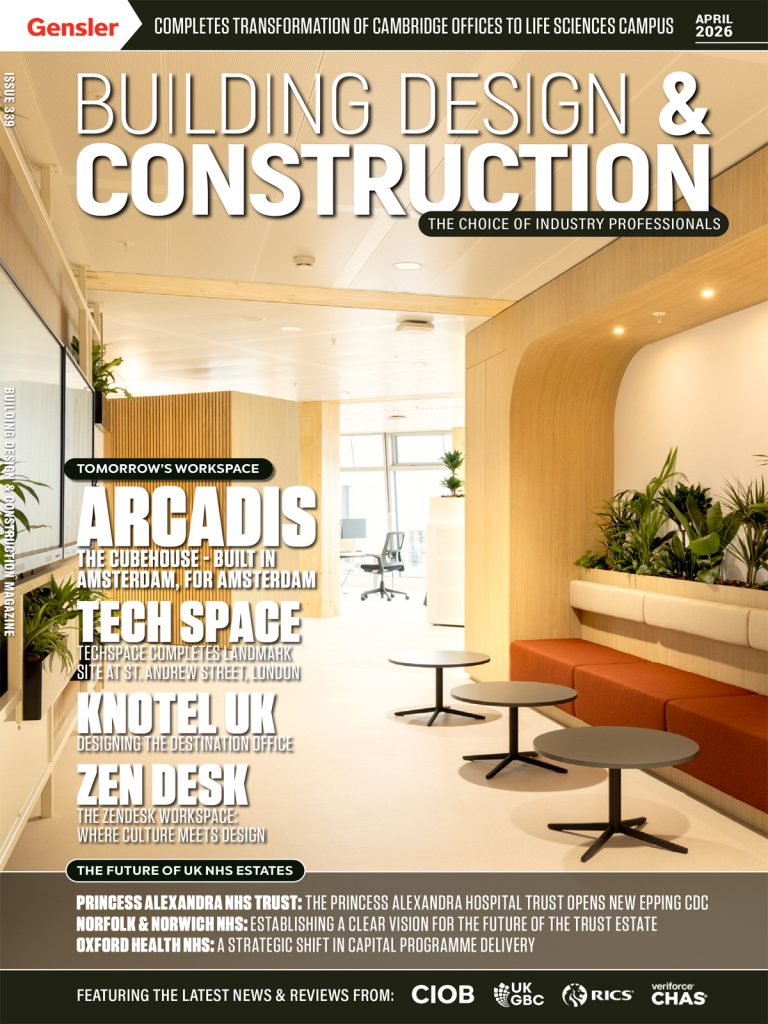
Issue 339 : Apr 2026

Kenneth Booth

Willmott Dixon Begins £30m Redevelopment of Barnes Hospital

Willmott Dixon Begins £30m Redevelopment of Barnes Hospital

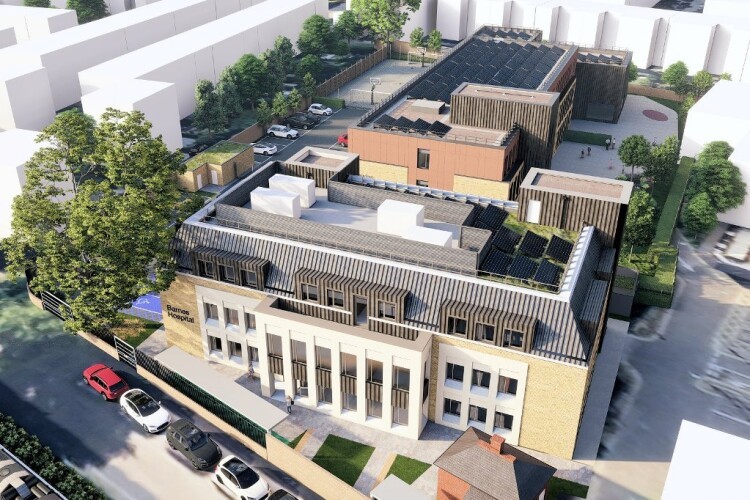
Willmott Dixon has commenced a £30 million regeneration scheme at Barnes Hospital, set to transform the site into a modern NHS mental health facility and a new special educational needs (SEN) school. The redevelopment will see the creation of a dedicated mental health hub, providing accommodation for a range of community-based services. These services were temporarily relocated to the South West London and St George’s Mental Health NHS Trust’s Livingston House in Teddington in 2023. Once Barnes Hospital reopens in 2027, the Trust’s expanded community services will operate across both sites, improving accessibility and continuity of care throughout the borough. In addition to the healthcare provision, the site will also be home to the London River Academy, a new SEN school offering 90 places for children with social, emotional, and mental health (SEMH) needs. The school will be operated by the Beckmead Trust, a specialist education provider. The Barnes Hospital project forms part of a wider strategy to modernise mental health services across southwest London. The programme began with the £150 million redevelopment of Springfield University Hospital in Wandsworth, completed in 2022/23. It will continue with the opening of the Richmond Royal Wellbeing Centre this summer, followed by the Barnes Hospital relaunch in 2027, and will conclude with the £110 million redevelopment of Tolworth Hospital in Kingston, scheduled for completion in 2028. Richard Poulter, Managing Director for Willmott Dixon in the South of England, commented: “We are excited to have been chosen to deliver this vital project, procured via the Southern Construction Framework (SCF). It will create modern centres of excellence for mental health and education, with sustainable, inclusive, and high-quality spaces that will help shape a healthier future for people in Barnes.” Building, Design & Construction Magazine | The Choice of Industry Professionals

Read More »
Back in the office? Here’s how to keep your people happy, motivated and staying put

Back in the office? Here’s how to keep your people happy, motivated and staying put

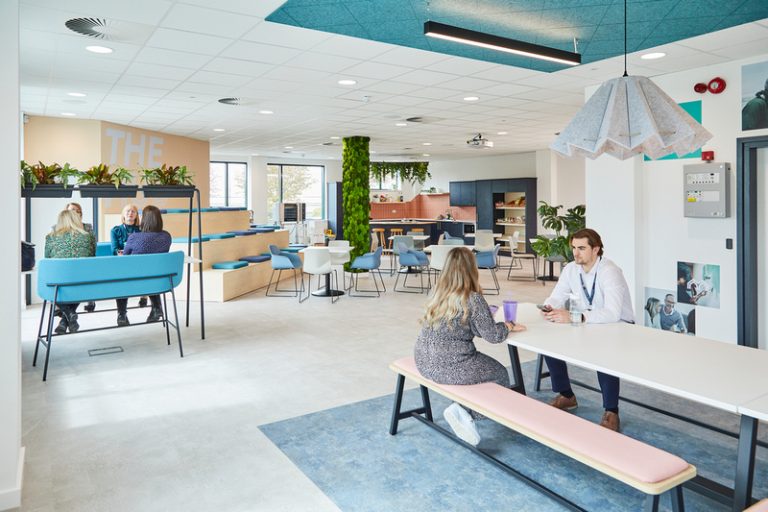
By Blueprint Interiors With the hybrid tide turning and more businesses bringing people back to the office, the conversation has quickly moved from “how do we get them back?” to “how do we make them want to stay?” The answer lies not just in desks and deadlines – but in design, culture and purpose. We’ve spent over two decades helping businesses create workspaces that are more than just functional. They’re places where people want to be. And with recent stats showing that nearly 40% of global workers value a positive work environment over salary (Microsoft Work Trend Index, 2024), now’s the time for employers to rethink what a return to the office really means. Here are our top tips for keeping your people happy, productive and loyal once they’re back through the door: 1. Design spaces that inspire collaboration The traditional “rows of desks” model doesn’t cut it anymore. The office isn’t just a place to complete daily tasks – it’s a space for culture, collaboration and connection. Research shows that people want to come into the office to collaborate, build relationships and be part of something bigger. It’s not just about getting people back into the office; it’s about creating spaces that make them want to stay. By creating collaborative spaces that encourage teamwork and innovation, businesses see a significant boost in creativity and employee satisfaction. Top Tip: Use spatial zoning to create different environments – quiet zones, collaboration hubs, social spaces. These spaces will inspire creativity and make employees feel more connected. It shows you understand that work isn’t one-size-fits-all. 2. Prioritise employee wellbeing in design A great workspace isn’t just about aesthetics – it’s about creating an environment where employees feel physically and mentally supported. With employees increasingly prioritising wellbeing over salary, the design of your office space plays a crucial role in retention. Top Tip: Integrate biophilic design elements such as plants, natural lighting, and outdoor views to enhance mood and productivity. Include quiet zones for relaxation and focus, and ensure ergonomic furniture is a priority to prevent burnout. 3. Tailor the office to your culture We take a bespoke approach to each client, ensuring the office design mirrors the values, mission, and personality of the company. The workspace should reflect your company’s unique culture, encouraging employees to feel part of something bigger than just their job. Top Tip: Use branded elements in your workspace design, such as custom wall art, colour schemes, or interactive displays that reflect your company’s ethos. Integrate spaces for informal team building, brainstorming, and socialising, ensuring employees feel a sense of belonging. Partnering with a professional team building company can further enhance these efforts by creating tailored activities that strengthen collaboration and engagement. 4. Flexibility still matters Flexibility remains a top priority for employees, and we champion flexible, hybrid-friendly office designs that allow businesses to adapt to evolving work styles. Creating adaptable workspaces helps employees feel empowered and trusted in their roles. Top Tip: Design spaces that can accommodate various work styles. Include adjustable desks, movable partitions, and multi-purpose areas to ensure that the office meets both personal and team needs. 5. Enhance productivity through acoustic design One area that often gets overlooked is acoustics. Poor acoustics can significantly impact employee focus and satisfaction making sound management a priority in creating a better working environment. Top Tip: Use acoustic panels, ceiling baffles, and carpeting to reduce noise in open-plan areas. Offer employees quiet rooms and phone booths for private calls, ensuring they have spaces to focus without distractions. 6. Listen to your people and measure what matters One of the biggest mistakes we see is businesses assuming they know what people want. Is your workspace actually doing what it’s supposed to? Track key metrics like engagement, retention, and productivity – but also qualitative feedback on how the office really feels to your team. We work closely with our clients to evaluate the success of office transformations, measuring not only how well the space works but how it impacts employee experience. Top Tip: Define success criteria and assess progress over time. Conduct regular employee feedback surveys to identify areas for improvement and ensure your office space evolves to meet their needs. At Blueprint, we believe the office should be more than a place to sit – it should be a place to belong. The employers getting it right aren’t just filling their desks – they’re building spaces that fuel purpose, connection and growth. Building, Design & Construction Magazine | The Choice of Industry Professionals

Read More »
McLaughlin & Harvey celebrate opening of Janet Harvey Hall

McLaughlin & Harvey celebrate opening of Janet Harvey Hall

Recently on 25 June 2025, representatives from McLaughlin & Harvey joined client BAE Systems to celebrate the official opening of the Janet Harvey Hall. The project combined expertise from McLaughlin & Harvey’s construction and civil engineering teams to deliver a new, more efficient and safe shipbuilding facility for BAE Systems.   In phase one, civil engineering experts drained and infilled the wet basin where the Janet Harvey Hall would be situated. Over 430,000 tonnes of sand and stone was used to infill the site, including around 318,000 tonnes of sand dredged directly from the River Clyde. Before constructing the foundations with reinforced concrete, 5000 metres of steel piles were installed.  John Mariner, Operations Director – Civils at McLaughlin & Harvey, said: “This is a brilliant example of the emphasis on collaboration at McLaughlin & Harvey. Our ability to take what was once a wet basin, infill it and create a solid structure for our construction team to build on demonstrates McLaughlin & Harvey’s ability to work across disciplines seamlessly.”   After the initial civil engineering works, phase two was completed by McLaughlin & Harvey’s construction team. Using over 6,000 tonnes of steel and over 20,000m3 of concrete, this vast shipbuilding facility houses two electric overhead travelling cranes and two Goliath cranes weighing an incredible 280 tonnes in total. “A project of this scale offers many challenges, but working together as one team with BAE Systems, our supply chain partners and internal teams, we have built a significant structure that will be part of the next chapter in Glasgow’s shipbuilding legacy.” Martin Keys, Operations Director at McLaughlin & Harvey. Named after the World War II shipyard electrician, Janet Harvey, the hall is situated on the banks of the River Clyde. Spanning 170 meters in length and 80 meters in width, it is sure to become a staple on the Glasgow skyline. At the end of the ceremony Janet’s nieces joined the Lord Provost to cut the ribbon across the towering 33m long by 54m wide hall door- a symbolic gesture that officially opened the facility and marked a new era for shipbuilding in Scotland. Simon Lister, Managing Director of BAE Systems’ Naval Ships business, said: “The Janet Harvey Hall marks a major step forward for shipbuilding in Glasgow and will help enable efficient and safe shipbuilding for decades to come. It’s a symbol of pride not just for our skilled workforce who bring these ships to life, but for the entire city.” This project is another example of McLaughlin & Harvey’s expertise in the defence sector and its ability to deliver complex infrastructure projects to support the UK armed forces and supply chain. Building, Design & Construction Magazine | The Choice of Industry Professionals

Read More »
Vivalda now offering Cedral Facades nationally

Vivalda now offering Cedral Facades nationally

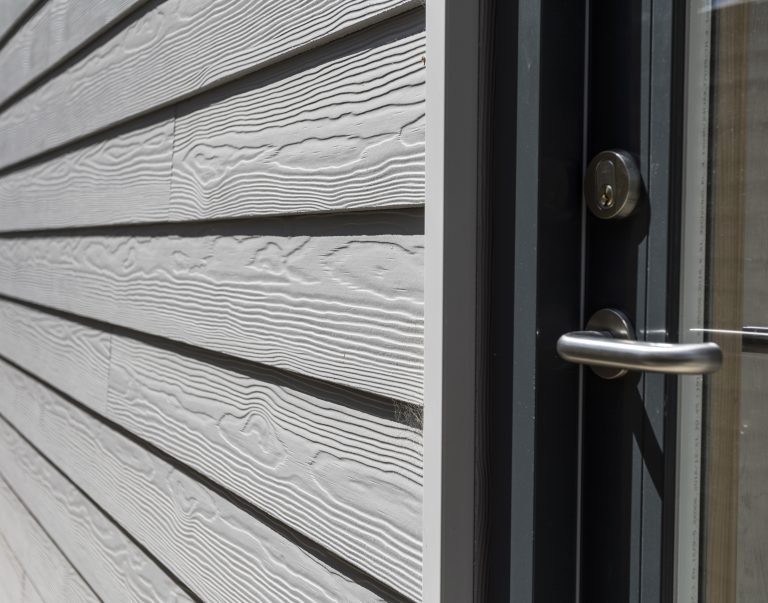
Vivalda has underpinned its status as a national supplier of Cedral facades, following its extensive UK-branch network and investment in warehousing, logistics and fabrication technology. As one of the UK’s largest stockists of non-flammable facades, Vivalda is able to supply Cedral’s most popular products to contractors and merchants within just 72 hours. This development also ensures the core range of Cedral’s most popular colours (Black, Platinum Grey, Slate Grey, Steel Grey and White) are available, along with the full range of supporting accessories, for immediate collection across its branch network. Using its West Midlands headquarters as a central hub, Vivalda is also making available the full range of Cedral Click, Lap and Smooth products via its branches in Birmingham Manchester, Hull, Cheltenham, Glasgow and London – all on a five-day order cycle. Wes Hague, commercial director at Vivalda, said: “Poor product availability is one of the key frustrations faced by contractors, especially on domestic projects. That’s why we are so pleased with our ability to offer Cedral readily available and nationally – which ensures peace of mind to installers and homeowners across the UK.” Lewis Walsh, head of national accounts at Cedral UK, added: “As one of the UK’s leading brands of high-performance fibre cement cladding, we are constantly exploring ways to make life easier for installers to work with us. While we already provide seamless delivery of our range nationwide, this investment from Vivalda will make availability of our cladding boards and accessories even easier.” The UK-wide distribution deal includes all Vivalda UK branches, including BBS Facades’ outlet in Cheltenham, Gloucestershire. Building, Design & Construction Magazine | The Choice of Industry Professionals

Read More »
Loft Conversions 101: Transforming Attics into Living Space

Loft Conversions 101: Transforming Attics into Living Space

With property prices continuing to rise across the UK and moving costs reaching new heights, homeowners increasingly turn to loft conversions as a practical solution for expanding their living space.These transformative projects offer an opportunity to unlock hidden potential within your existing property, creating valuable additional rooms without the expense and disruption of relocating. Understanding the fundamentals of loft conversions empowers homeowners to make informed decisions about this significant home improvement investment. Understanding Different Types of Loft Conversions Velux Conversions: The Budget-Friendly Option Velux loft conversions represent the most straightforward and cost-effective approach to attic transformation. These conversions work within your existing roof structure, requiring minimal external alterations whilst maximising the available space. The process involves installing Velux windows directly into the roof slope, providing natural light and ventilation without changing the roofline’s appearance. This type of conversion suits properties with adequate headroom and sufficient roof pitch to create comfortable living areas. The simplicity of Velux conversions often means they fall under permitted development rights, eliminating the need for planning permission in many cases. However, building regulations approval remains mandatory to ensure structural safety and thermal efficiency standards. The installation timeline for Velux loft conversions typically ranges from 4-6 weeks, making them an attractive option for homeowners seeking minimal disruption. The retained roof structure keeps costs manageable whilst still delivering substantial additional floor space for bedrooms, home offices, or recreational areas.Dormer Conversions: Maximising Space and LightDormer loft conversions extend beyond the existing roofline to create additional headroom and floor area.These extensions project outward from the main roof, featuring vertical walls and their own smaller roof structure. The increased vertical space dramatically improves the usability of converted areas, eliminating the sloping ceilings that characterise basic conversions. Flat roof dormers offer the most space-efficient design, extending across substantial roof sections to create near-rectangular rooms. Hip-to-gable dormers prove particularly effective on semi-detached properties, extending the roof to the property’s edge and creating significant additional space. Each dormer style offers distinct advantages depending on your property’s architecture and spatial requirements. The enhanced natural light from dormer windows transforms previously dark attic spaces into bright, welcoming rooms. This illumination proves particularly valuable for bedrooms or study areas where good lighting significantly impacts usability and comfort.Hip-to-Gable and Mansard ConversionsHip-to-gable conversions specifically benefit semi-detached and detached properties with hipped roofs. This approach extends the existing roof to the property’s gable end, creating substantial additional floor space previously lost to the roof’s sloping sections. The conversion typically incorporates rear dormers to maximise the space gained through the roof extension. Mansard conversions represent the most comprehensive loft transformation, involving complete rear roof reconstruction to create near-vertical walls and flat roof sections. These conversions deliver the maximum possible space increase, often adding rooms equivalent to a full additional storey.Planning Permission and Building Regulations ConsiderationsPermitted Development Rights and Planning ApplicationsMany loft conversions benefit from permitted development rights, allowing homeowners to proceed without formal planning permission. These rights cover specific criteria including roof height increases, extension volumes, and materials used. However, properties in conservation areas, listed buildings, or those with previous extensions may require planning applications regardless of conversion type. Understanding your permitted development allowances helps determine project scope and associated costs. The guidance specifies maximum volume increases of 40 cubic metres for terraced houses and 50 cubic metres for detached and semi-detached properties. Exceeding these limits necessitates planning permission, potentially extending project timelines and increasing costs.Building Regulations and Safety RequirementsAll loft conversions must comply with building regulations, regardless of planning permission requirements. These regulations ensure structural safety, fire safety, thermal efficiency, and accessibility standards. The approval process involves multiple inspections throughout construction, from foundation work through to final completion. Building regulations specifically address crucial safety elements including structural calculations, fire escape routes, staircase design, and insulation standards. Professional loft conversion specialists handle these requirements as part of their service, ensuring compliance whilst optimising design solutions. Modern loft conversions must achieve specific thermal performance standards, contributing to your property’s overall energy efficiency. These requirements often necessitate comprehensive insulation installation, improving comfort levels whilst reducing heating costs. The complexity of building regulations compliance reinforces the importance of selecting experienced professionals for your conversion project. Qualified teams understand regulatory requirements and incorporate necessary elements seamlessly into the design process, ensuring your loft conversions meet all safety and performance standards whilst delivering exceptional living spaces tailored to your family’s needs.

Read More »
Greener Workspaces: Low-Carbon Materials for Your Next Office Fitout

Greener Workspaces: Low-Carbon Materials for Your Next Office Fitout

The commercial property sector is undergoing a fundamental transformation as businesses increasingly recognise the environmental impact of their workspace decisions. Modern office fitout projects now prioritise sustainability alongside functionality, with low-carbon materials becoming essential components of responsible workplace design. This shift represents more than just environmental consciousness—it’s reshaping how organisations approach their interior spaces whilst delivering tangible benefits for both planet and profit. The Carbon Challenge in Office Fitouts Traditional office fitout practices contribute significantly to global carbon emissions, with the lifecycle of office interiors producing approximately 190 kg of CO2e and 77 kg of waste per square metre in major markets worldwide. The construction industry accounts for nearly half of all global carbon emissions, making sustainable office fitout solutions crucial for achieving climate targets. The challenge extends beyond initial construction. Office fitouts typically have shorter lifespans than building shells, meaning carbon-intensive elements like flooring, lighting, and ceiling systems are frequently discarded and replaced well before their natural operational lifespans. This rapid replacement cycle means embodied carbon emissions from office fitout projects can quickly surpass those of the building’s core structure. Revolutionary Low-Carbon Materials Transforming Workspaces Sustainable Ceiling and Acoustic Solutions Modern office fitout projects are embracing innovative ceiling materials that deliver both performance and environmental benefits. Mineral wool-based ceiling tiles, such as wet felt mineral options, provide excellent acoustic performance whilst reducing operational carbon footprints through enhanced thermal insulation.  These EPD-certified materials help lower heating and cooling energy requirements, making them ideal for comprehensive office fitout schemes. Fiberglass-based acoustic baffles represent another breakthrough in sustainable office fitout design. These lightweight solutions effectively absorb sound in open-plan environments whilst utilising materials with significantly lower carbon footprints than traditional alternatives. Timber and Bamboo: Natural Champions Responsibly sourced wood remains fundamental to sustainable office fitout projects. FSC and PEFC certified timber acts as a carbon store whilst providing the warm, natural aesthetic that enhances employee wellbeing. Oak, beech, and pine offer excellent sustainability credentials when sourced from well-managed forests, with oak being considered carbon neutral due to its superior CO2 absorption capabilities. Bamboo is revolutionising office fitout sustainability, growing up to 36 inches daily and reaching full size within one to five years compared to decades for traditional timber. This remarkable growth rate, combined with bamboo’s exceptional carbon absorption and oxygen production, makes it an outstanding choice for modern office fitout projects seeking to minimise environmental impact. Innovative Fabric and Soft Furnishing Solutions Natural fabrics are transforming office fitout design through their organic, textural qualities that create calming workplace environments. Wool offers renewable properties alongside natural flame retardancy and heat regulation, making it perfect for office fitout upholstery applications. Hemp provides exceptional versatility and requires minimal cultivation resources, whilst linen delivers strength, versatility, and complete biodegradability. Sustainable Furniture: The Foundation of Green Office Fitouts Ergonomic Solutions with Environmental Benefits Modern office fitout projects increasingly feature furniture manufactured from multiple low-carbon materials. Declare-certified task chairs constructed from sustainable materials offer ergonomic benefits whilst meeting transparency standards for chemical content. These solutions support healthy posture and productivity whilst contributing to improved indoor air quality through low-emission manufacturing processes. Meeting furniture crafted from renewable timber provides durability and longevity, reducing waste through extended product lifecycles. Such approaches align with circular economy principles that are becoming central to responsible office fitout planning. Storage and Modular Systems Sustainable storage solutions manufactured with oak veneer and other low-carbon materials offer EPD certification alongside exceptional durability. These systems provide flexible storage options suitable for various office fitout layouts whilst ensuring longevity that reduces replacement requirements and associated waste. Energy Efficiency: The Operational Advantage Successful sustainable office fitout projects prioritise energy efficiency through LED lighting systems that consume significantly less power than traditional alternatives. Smart lighting systems that adjust based on occupancy and natural light levels further reduce energy consumption, whilst optimised HVAC systems can incorporate renewable energy sources like solar panels. Energy-efficient office fitout design extends to encouraging natural light usage and fresh air circulation, reducing artificial lighting requirements whilst improving indoor air quality. These strategies deliver immediate operational cost benefits alongside environmental advantages. Future-Proofing Through Sustainable Office Fitout The forthcoming Net Zero Carbon Building Standard will establish ambitious embodied carbon targets that will challenge traditional office fitout approaches. Acceptable embodied carbon limits reduce year-on-year, requiring substantial and consistent decarbonisation over time. Office fitout projects completing in 2050 must achieve just 60kg of CO2/m2 compared to 735kg of CO2/m2 in 2025. Forward-thinking office fitout strategies that embrace low-carbon materials, energy efficiency, and circular economy principles are positioning businesses advantageously for this regulatory future whilst delivering immediate benefits through reduced operational costs, enhanced employee wellbeing, and strengthened corporate sustainability credentials. Sustainable office fitout represents the intersection of environmental responsibility and business intelligence, creating workspaces that serve people, planet, and profit simultaneously.

Read More »
Travelodge acquires long leasehold of prime Liverpool Street office building for hotel conversion

Travelodge acquires long leasehold of prime Liverpool Street office building for hotel conversion

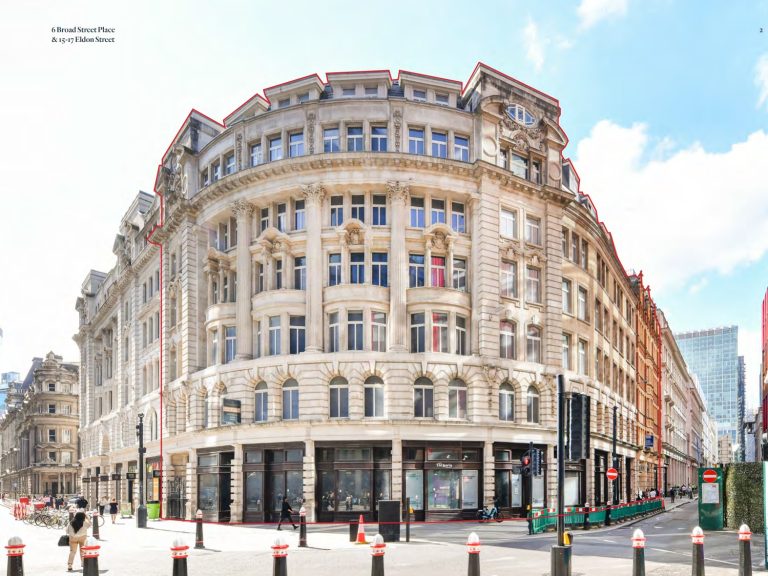
Travelodge, the UK’s first budget hotel brand which operates over 610 hotels, has acquired a 155-year long leasehold interest in 6 Broad Street Place & 15-17 Eldon Street from the City of London Corporation. The property is being acquired within the Travelodge OpCo Group.  Located opposite Liverpool Street station, the acquisition covers two prominent adjacent buildings, totalling 58,893 sq ft net internal area, which are currently vacant and awaiting refurbishment. Subject to planning permission, Travelodge will convert the upper floors of both buildings into a hotel with an 85 Bar Café, offering a relaxed space for guests to eat and drink. The project will also reinstate pre-existing retail uses on the Ground Floor of 6 Broad Street Place.  The acquisition is an example of one element of Travelodge’s UK development strategy, sustainably expanding its network of hotels by converting existing, vacant office and retail buildings into new hotels. By repurposing redundant spaces, Travelodge aims to bring them back into active economic use, benefiting the local community and meeting the growing demand for budget accommodation.   Travelodge continues to see significant growth opportunities in the UK, with over 300 target locations identified following a comprehensive market review. The Group is successfully executing its development strategy, with 11 freehold and leasehold hotels opened in the year to date, and a further 4 hotels exchanged or completed. It is also exploring extension opportunities within its existing estate.  Internationally, Travelodge has an established profitable presence in Spain, currently operating 12 hotels. With plans to expand into 20 key markets in Spain, the Group aims to grow through new developments and freehold or leasehold rebrand acquisitions. Jo Boydell, CEO of Travelodge, comments: “The acquisition of 6 Broad Street Place and 15-17 Eldon Street marks another significant step in our UK development strategy as we continue to grow and optimise our hotel network. Office-to-hotel conversion is a sustainable way of developing, allowing us to meet the increasing demand for budget hotels while reducing the carbon impact that new development brings. We are also excited to expand our portfolio in London, where we currently operate over 80 hotels, with a further five developments underway.” The City Corporation was advised by Capital Real Estate Partners, while Travelodge was represented by Strettons. Building, Design & Construction Magazine | The Choice of Industry Professionals

Read More »
Landsec Begins Transformation of Marlborough Square at Gunwharf Quays

Landsec Begins Transformation of Marlborough Square at Gunwharf Quays

Landsec has officially broken ground on its redevelopment of Marlborough Square at Gunwharf Quays in Portsmouth, marking a significant step forward in the ongoing enhancement of the popular outlet shopping destination. This latest phase follows recent improvements to The Avenues and forms part of Landsec’s broader strategy to elevate the centre’s physical environment, improve operational performance, and enhance the retail offering. The works are scheduled for completion in spring 2026. The redevelopment will include updated building façades and shopfronts, revitalised landscaping and public realm areas, expanded and modernised guest washrooms, increased public seating, and the addition of a new retail unit. Tim Treadwell, Head of Retail Portfolio at Landsec, commented:“We continue to see strong demand from leading brands seeking premium environments to expand their outlet presence. Gunwharf Quays exemplifies how Landsec is investing in its outlet portfolio to create spaces that attract more guests, deliver exceptional experiences, and support the long-term success of our brand partners.” Landsec is positioning Gunwharf Quays to better cater to its affluent domestic and international visitors, with a growing focus on aspirational retail and experience-led design. Recent lettings at the scheme include Russell & Bromley and Giggling Squid, reinforcing the centre’s appeal to high-end consumers. Building, Design & Construction Magazine | The Choice of Industry Professionals

Read More »
Firethorn Trust tops out PBSA development in Leith Walk, Edinburgh

Firethorn Trust tops out PBSA development in Leith Walk, Edinburgh

Real estate investor, developer and asset manager, Firethorn Trust, has reached a significant construction milestone at its purpose-built student accommodation (PBSA) development at Leith, Edinburgh, with a topping out ceremony marking completion of the site’s structural framework. Located on Leith Walk, Firethorn’s six-storey asset will provide high quality accommodation for 230 student beds, alongside generous amenities including a fully equipped gym, student common room, cinema and modern study spaces. Work commenced last summer, following Firethorn’s purchase of the site in February 2024, marking the first acquisition under its Living portfolio. The company has since expanded its footprint with additional PBSA assets in Hackney Wick and Stratford, plus a hotel development in central Dublin and the One Bessborough Gardens residential conversion in London. With the structural frame now complete, Leith Walk is on track for completion in time for the 2026/27 academic year. Paul Martin, Head of Development at Firethorn Trust, commented: “As the first asset within our Living portfolio, topping out at Leith Walk is a significant milestone for Firethorn, and a prime example of our ability to deliver buildings swiftly and to a high standard. “Edinburgh has a growing student population and an urgent need for modern, quality accommodation, so we are very pleased with the pace at which works are progressing and look forward to bringing the site to completion over the next 12 months.” Grier Edmead, Operations Director, Ogilvie Construction, said:  “Today’s topping out marks the significant progress that we have made since breaking ground last year, and we look forward to handing over a first class building in 2026. This will be the fifteenth student accommodation facility that we have delivered in recent years using our extensive experience and expertise in the sector.” For more information, visit www.firethorntrust.com Building, Design & Construction Magazine | The Choice of Industry Professionals

Read More »
SP Energy Networks launches £1.4bn investment to support Government's Clean Power 2030 Mission

SP Energy Networks launches £1.4bn investment to support Government’s Clean Power 2030 Mission

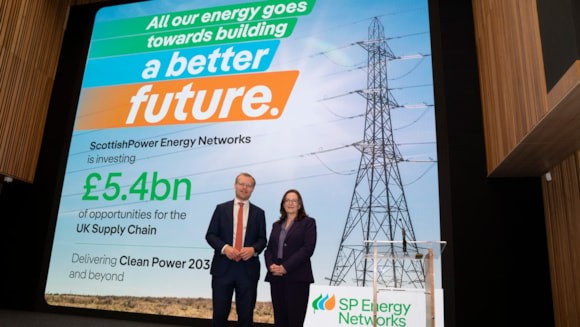
SP Energy Networks has awarded supply chain contracts to support a £1.4bn commitment to deliver critical onshore transmission projects across central and southern Scotland and help deliver the Government’s Clean Power 2030 mission. Forming part of a wider £5.4 billion supplier investment programme over the next decade to move the grid forward, the contracts enable SP Energy Networks to build long-term partnerships with UK businesses to rewire the electricity network. It’s part of a multi-billion-pound investment programme to unlock more capacity for new homes, businesses, and clean energy projects, move power around the country more efficiently and significantly reduce the UK’s reliance on fossil fuels and boost energy security. To mark the announcement, Nicola Connelly, SP Energy Networks CEO, was joined by Energy Minister, Michael Shanks MP, at an event close to the company’s Glasgow headquarters. Representatives from the successful businesses signed SP Energy Networks’ Delivery Charter, committing to green job creation, positive community impact, and a safe working environment. Nicola Connelly, CEO SP Energy Networks said, “These strategic partnerships give suppliers the confidence to invest in themselves – growing their workforce, opening new offices across the country and creating even greater opportunities for the UK. “This is great news for the UK and Scottish supply chains, with every pound spent directly benefiting central and southern Scotland and its infrastructure for decades to come. “This is a defining moment for our energy future. These contracts are not just about infrastructure—they’re about enabling a cleaner, greener Britain. We’re proud to be leading the charge in helping deliver the UK Government’s Clean Power 2030 ambition.” Energy Minister, Michael Shanks, praised the initiative, saying, “These SP Energy Networks partnerships take us a step closer to reaching clean power by 2030, in modernising the country’s outdated network to get more of clean power generated in Scotland to homes and businesses across the country.  “This is the clean power transition in action – investing in British supply chains that will bring skilled jobs and economic growth to communities in Scotland and beyond.” The awarded contracts cover a wide range of critical infrastructure, including: The strategic partnerships will initially run for five years, with the option to extend to 10, providing long-term certainty for suppliers and enabling them to invest in skills, technology, and innovation with 17 of the 19 suppliers based in the UK. Morgan Sindall Infrastructure is the sole contractor for both substation and overhead lines on the Denny to Wishaw project. There will be a joint office opening at Eurocentral in the Autumn. Simon Smith, Managing Director, Morgan Sindall Infrastructure, said, “We’re proud to support the UK energy network’s biggest upgrade in a generation, and to be part of SP Energy Networks’ Delivery Charter. Projects like the Denny to Wishaw Network Optimisation (DWNO) will improve resilience and energy security, boost capacity to meet future demand, and connect Scotland to greener, renewable energy. In upgrading the transmission network, we will be able to bring skills and employment to the central belt, and leave a lasting legacy in the local communities.” The announcement follows ScottishPower’s commitment to double its UK investment to £24 billion by 2028, with two-thirds allocated to electricity networks. SP Energy Networks will soon submit its five-year business plan for 2026–2031 to Ofgem, reinforcing its role in delivering the UK Government’s Clean Power 2030 ambition. Building, Design & Construction Magazine | The Choice of Industry Professionals

Read More »