Kenneth Booth
Structural Soils to investigate Future Circular Collider Site at CERN

Structural Soils to investigate Future Circular Collider Site at CERN

Geotechnical and geoenvironmental ground investigation services company Structural Soils will carry out site investigation work as part of a feasibility project supporting the Future Circular Collider study at CERN, the European Laboratory for Particle Physics. CERN’s Large Hadron Collider has a circumference of 27 km. The Future Circular Collider is

Read More »
Third Jewson’s dragon boat race raises vital funds for duo of charities

Third Jewson’s dragon boat race raises vital funds for duo of charities

Suppliers from across the industry recently came together to take part in Jewson’s dragon boat race tournament, one of the national builders’ merchant’s annual fundraising events for its two official charity partners, Band of Builders and Whiteleys Retreat. Taking place for a third consecutive year, more than 400 people –

Read More »
Balancing River Use and Sustainability for Future Generations

Balancing River Use and Sustainability for Future Generations

Rivers provide essential resources, from drinking water to recreation, and are a vital part of ecosystems. However, human activity has put increasing pressure on these waterways. Finding a balance between using rivers and securing their sustainability is key to preserving them for future generations. The Impact of Human Activity Urbanization,

Read More »
Unprecedented £700m capital investment from The University of Warwick

Unprecedented £700m capital investment from The University of Warwick

The University of Warwick has unveiled a £700m investment in its West Midlands campus as part of its ambitious Connect Programme. This is the largest single investment in campus facilities across its entire 60-year history.   The unprecedented investment will focus on the Social Sciences and STEM subjects (science, technology, engineering

Read More »
Post-Grenfell Best Practice: CIAT Issues Recommendations for Architectural Technologists

Post-Grenfell Best Practice: CIAT Issues Recommendations for Architectural Technologists

Following the Grenfell Tower Inquiry, the Chartered Institute of Architectural Technologists (CIAT) has released a briefing, offering vital guidance for professionals in architectural technology. The report examines the recommendations from the inquiry’s Phase 2 findings and aims to establish best practices in the evolving regulatory landscape. A Focus on Building

Read More »
Latest Issue
Issue 335 : Dec 2025

Kenneth Booth

Structural Soils to investigate Future Circular Collider Site at CERN

Structural Soils to investigate Future Circular Collider Site at CERN

Geotechnical and geoenvironmental ground investigation services company Structural Soils will carry out site investigation work as part of a feasibility project supporting the Future Circular Collider study at CERN, the European Laboratory for Particle Physics. CERN’s Large Hadron Collider has a circumference of 27 km. The Future Circular Collider is expected to be 91km – more than three times the size of the current Large Hadron Collider. The work at CERN, which was established in 1954, aims to “uncover what the universe is made of and how it works”. CERN, the world’s biggest particle physics laboratory, does this by providing a unique range of particle accelerator facilities to researchers to advance the boundaries of human knowledge. Remaining at the forefront of scientific excellence and reinforcing European leadership in particle physics, an international collaboration is conducting a feasibility study for the Future Circular Collider (FCC), a proposed next-generation collider for the post-LHC era. This study, mandated by the update of the European Strategy for Particle Physics, explores the potential of the FCC to push the boundaries of high-energy physics. Structural Soils, an RSK Group company, has been tasked with carrying out site investigations for CERN in France in the Haute-Savoie area, south of Geneva, Switzerland. The work will examine the geology of the area with the enhanced level detail required to support the goals of the feasibility study.  Structural Soils Director Mike Williams said: “The site investigation will examine critical areas to reduce any uncertainty surrounding the geological conditions. The emphasis for our team is to review and quantify potential construction risks. This includes a focus on identifying suitable, consistent tunnelling strata, investigating potential high water pressures in the strata and ascertaining the levels of natural gas in the ground. “The Structural Soils team is incredibly excited about the opportunity to contribute its ground investigation skills to such a globally important and prestigious project. We are collaborating with two companies as part of a joint venture to deliver this work for CERN: Smart Seismic Solutions (S3), a French geophysics company, and Geotec SPA, an Italian firm specialising in deep drilling. Together, we form the consortium known as SGS3.” The project began in late September and will run for six months on-site, with associated lab testing, monitoring and reporting being carried out over a further six-month period. Mike said: “Our work involves a wide range of ground investigation techniques, including project management of a large-scale site investigation, in-situ testing, geological logging and sampling, geophysical surveys, and laboratory testing – all conducted by our expert team at Structural Soils. As the lead contractor within the consortium, we are also coordinating the efforts of our partners to ensure the project runs smoothly. “Our work will be crucial in terms of reducing the construction risk for underground works, but also the environmental aspects. It will be important for Structural Soils to work with the larger team to confirm the ground conditions to aid with the design of the best tunnel footprint alignment to advance further studies at CERN. We are committed to performing this work with minimal disruption to the local population and in strict compliance with environmental standards. Drawing on our previous experience with similar projects and working closely with local and regional stakeholders, we ensure that all activities are conducted responsibly and sustainably, with safety and environmental care as top priorities. “As part of this process, we will be producing a realistic geological underground model along with a geological profile for every location. This will hopefully provide a template for future main site investigations and our work will support plans for future civil engineering underground works. This will all contribute to the input required for the next European Strategy Update for Particle Physics in 2026/2027.” Mike said that additional RSK companies will support the project, with CAN assisting with the supply of equipment, RSK Acoustics carrying out noise/vibration monitoring, Central Alliance tasked with mobilisation planning, Drilling Supplies providing consumables and RSK France giving health and safety support. CERN France ground investigation facts: Building, Design & Construction Magazine | The Choice of Industry Professionals

Read More »
Willmott Dixon strengthens commitment to SEND support through Oxlow Bridge Project

Willmott Dixon strengthens commitment to SEND support through Oxlow Bridge Project

A construction company manager is committed to fostering an inclusive workplace environment where dedication and hard work are the cornerstones of success.   Willmott Dixon social value manager Natalie Sidey was speaking after meeting students with special educational needs and disabilities (SEND) at Barking & Dagenham College.  As part of the business’s ongoing Oxlow Bridge project, she spent the day with 120 SEND and neurodiverse students, leading workshops with four groups as part of the college’s Horizon programme.  She said: “I would like us to lead the charge in creating an inclusive work environment where being a hard worker counts.”  Oxlow Bridge School, located in the London Borough of Barking and Dagenham, is a collaboration between the Department for Education (DfE) technical advisers, Willmott Dixon Construction, and the Partnership Learning Trust to create a new school for up to 100 pupils with profound and multiple learning (PMLD) difficulties.  During Natalie’s visit each session was tailored to the unique challenges and capabilities of the participants, underscoring the ongoing need for industries to embrace all learning styles.  The students, whose day-to-day challenges often include mastering skills like reading timetables to travelling independently, taught Natalie as much as she taught them.  She said: “I really enjoyed listening and learning from the young people, and it was great to hear their answers to the question, ‘What three positive words would you use to describe yourself?’ with answers like wonderful, fabulous, resilient, creative and respectful with ‘hard worker’ becoming the common thread of the day.”  Reflecting on the sector, she said: “Our industry hasn’t historically embraced these incredible individuals, but the smallest contribution can make a monumental difference.”  While health and safety regulations, including CSCS and other certifications, often make it difficult to employ individuals without formal qualifications, Natalie stressed the importance of creating opportunities.  This commitment to inclusivity aligns with Willmott Dixon’s broader efforts in the educational sector. The company has published a white paper, Building for All, which provides unique insight and guidance for local authorities developing a new generation of schools for SEND pupils.  The paper captures the lessons learned from various stakeholders – ranging from councils to architects – who are involved in creating specialised school accommodations.   Speaking of her insightful visit, Natalie said: “My visit to Barking and Dagenham College was possibly one of my most humbling experiences. The students had a contagious energy for life. They laughed with me, and at me sometimes too! All they really wanted was for someone to take the time to understand them and show a bit of patience.   “No matter their personal challenges, the students were lively and engaged. It’s clear they have so much to contribute if given the right support.”  For further information about Willmott Dixon, visit willmottdixon.co.uk  Building, Design & Construction Magazine | The Choice of Industry Professionals

Read More »
Third Jewson’s dragon boat race raises vital funds for duo of charities

Third Jewson’s dragon boat race raises vital funds for duo of charities

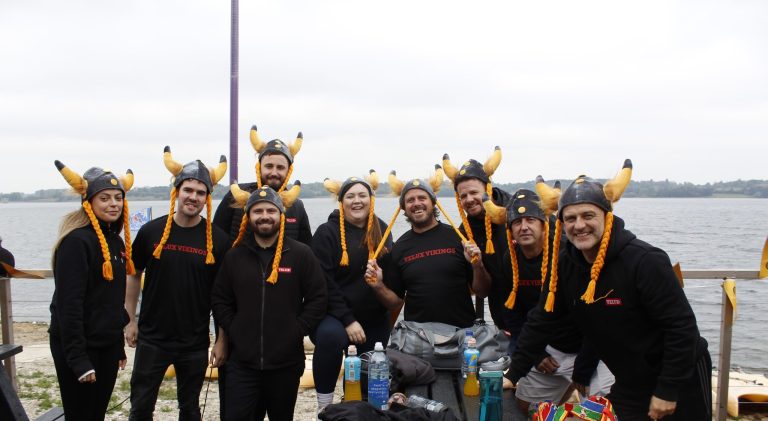
Suppliers from across the industry recently came together to take part in Jewson’s dragon boat race tournament, one of the national builders’ merchant’s annual fundraising events for its two official charity partners, Band of Builders and Whiteleys Retreat. Taking place for a third consecutive year, more than 400 people – made up of Jewson colleagues and team members from 35 of its suppliers – were split across 25 teams, competing in a series of races at Draycote Water, ahead of a knockout round.  A grand finale took place between three teams, with the highly competitive race won by ‘Super Fast Plus’, made up of colleagues from CT1. Every year, Jewson organises a wealth of fundraising activities for Band of Builders, which supports tradespeople and their families during times of need. These include initiatives such as the annual Big Brew, which this year took place on 10th October.  The event encourages tradespeople to connect over a hot drink and discuss the different elements of their job which impact their mental health, to drive more positive conversations about wellbeing in the construction industry.  Jewson has raised more than £300,000 since it became official charity partners with Band of Builders. In 2023, Jewson announced Whiteley’s Retreat as its official charity partner for Scotland and the North. The organisation, which has a centre based in Ayrshire, provides free therapeutic respite breaks and extended support for children, young people and their families with cancer or life altering illnesses. Richard Holland, Category Manager at Jewson, said: “Each year, our dragon boat race event gets better and better. There was an incredible atmosphere amongst all participants, who were here to work together, play hard, and most importantly raise money for charities that are incredibly close to our hearts.” Tony Steel, Operations Director at Band of Builders, said: “Our partnership with Jewson continues to thrive, and the dragon boat race is just one example of the brilliant ideas Jewson has to continue supporting our charity, and the people who benefit from it. “The money raised from this year’s event will go towards some of the many tradespeople and their families that we’ll be working with in coming months, ensuring they have the tools and support they need to get back on track and rebuild their lives.” Building, Design & Construction Magazine | The Choice of Industry Professionals

Read More »
Balancing River Use and Sustainability for Future Generations

Balancing River Use and Sustainability for Future Generations

Rivers provide essential resources, from drinking water to recreation, and are a vital part of ecosystems. However, human activity has put increasing pressure on these waterways. Finding a balance between using rivers and securing their sustainability is key to preserving them for future generations. The Impact of Human Activity Urbanization, agriculture, and industrial development have transformed many river systems. Over-extraction of water, pollution from runoff, and habitat destruction are just a few ways human activities have impacted rivers. The challenge is maintaining the economic and recreational benefits these rivers provide while mitigating the harm caused by unsustainable practices. For example, industries often depend on rivers for water, but excessive withdrawal can deplete water levels, harm aquatic life, and affect the surrounding ecosystems. In urban areas, rivers are also used for wastewater disposal, which can lead to pollution if not properly managed. As our population grows, these stresses on river systems increase, requiring more careful management strategies. Sustainable River Management Sustainable water resources management involves protecting the health of river water while meeting human needs for water, recreation, and other resources. This requires maintaining the balance between conserving natural ecosystems and allowing for responsible usage. To do this, various strategies are employed to restore and protect waterways from the impacts of pollution, overuse, and habitat destruction. One example is the Indian River Lagoon, where conservation efforts focus on restoring habitats, improving water quality, and involving the local community in preservation activities. Such projects demonstrate that meeting sustainable development goals is not just about regulating water use but also about fostering healthy ecosystems that support both wildlife and people. Restoring natural processes is another key practice to ensure the availability of freshwater resources. Removing outdated dams allows for the free flow of water, secures water supplies, and helps to reestablish natural ecosystems. Similarly, wetland restoration projects help filter pollutants from runoff before they reach the river, improving water quality and providing habitats for a variety of species. These efforts are essential for the long-term sustainability of the entire river basin, as they help maintain biodiversity and improve water quality for human consumption and agricultural use. Stakeholder Engagement and Collaboration The future of river sustainability depends on collaboration between governments, industries, environmental organizations, and local communities. Effective stakeholder engagement allows for diverse perspectives to be considered, leading to more balanced and sustainable solutions. Local communities, in particular, play a critical role because they are often the most directly affected by changes to river health. Community-based initiatives can help foster this engagement. For instance, creating river ‘report cards’ offers a transparent way to track water quality and river health, engaging the public in monitoring and preservation efforts. Involving local stakeholders early in planning processes can lead to more informed decision-making and better long-term outcomes. Private sector participation is also critical in financing sustainable river management projects. Aside from environmental compliance, businesses that rely on river systems for their operations can contribute through ecosystem service payments, which incentivize the protection and restoration of river ecosystems. Climate Change Considerations Climate change is one of the biggest threats to river sustainability. Changes in weather patterns, increased temperatures, and altered precipitation can disrupt river flows, lead to more extreme flooding or droughts, and further strain already overtaxed river systems. Planning for these changes is a necessary component of any sustainable river management strategy. Using climate-sensitive models to predict future water availability and developing infrastructure that can withstand extreme weather events are both essential for protecting river systems. For example, in flood-prone areas, natural floodplains can be restored to help absorb excess water, reducing the need for artificial flood defenses and preserving the ecosystem. Balancing Recreation and Conservation Rivers are a source of recreation for millions of people. From fishing and boating to swimming and hiking along riverbanks, these activities contribute to local economies and enhance quality of life. However, recreational use can sometimes conflict with conservation efforts, especially in fragile ecosystems. Sustainable recreation management aims to minimize environmental impact while still allowing people to enjoy rivers. Simple strategies, like limiting access to sensitive areas or establishing seasonal restrictions, can help protect wildlife during critical times, such as breeding seasons. Organizations focused on river conservation often work to educate the public about responsible recreation practices. For example, promoting ‘leave no trace‘ principles helps reduce litter and other human impacts on river environments. Additionally, some areas have implemented eco-tourism programs that support both recreation and conservation efforts by directing visitor revenue into water conservation projects. The Path Forward Balancing river use with sustainable development requires coordinated efforts on many fronts. Governments must enact and enforce regulations that protect clean water and limit overuse. Industries and agriculture must adopt more water conservation practices, and communities need to be actively involved in preservation efforts. By taking a holistic approach that considers environmental, social, and economic factors, we can safeguard rivers for future generations. Rivers are not just resources; they are lifelines for both people and ecosystems. Sustainable water management practices, stakeholder collaboration, and climate-adaptive planning are the foundation for supporting the long-term health and vitality of rivers in the years to come.

Read More »
Legal & General Secures Planning for £750m Sustainable Data Centre in Newham

Legal & General Secures Planning for £750m Sustainable Data Centre in Newham

Legal & General (L&G), alongside digital infrastructure investment firm Goldacre and development partner sineQN, has received planning approval for a £750 million hyperscale data centre in the London Borough of Newham. This significant project aims to deliver a sustainable, urban data hub, contributing an estimated £88 million to the local economy (GVA) and creating over 1,000 skilled jobs during its construction and operation phases. The new data centre is set to attract around 500 high-growth data businesses to Newham, positioning the borough as a key player in the UK’s expanding digital infrastructure sector. The development is the latest in L&G’s ongoing commitment to regenerating Newham, having already invested over £550 million in local projects. These include high-profile developments like 14 Westfield Avenue, 5 Endeavour Square, and affordable housing schemes such as the Manor Road Quarter. As demand for data storage and processing continues to rise, fuelled by trends like cloud migration and artificial intelligence, this project addresses the critical need for more digital infrastructure in London. The data centre will provide 80 megawatts of IT power by early 2027, with capabilities to support various data-driven workloads, including AI, in a secure and sustainable environment. Its location, just 500 metres from the London Internet Exchange (LINX), further enhances its appeal as a major hub for data traffic. In addition to bolstering Newham’s status as a digital innovation hub, the data centre could also serve as a heat source for thousands of local homes, supporting the Council’s net-zero ambitions. The development will improve the surrounding environment, including enhancements to Bidder Street and pedestrian pathways connecting Canning Town and Stratford. This project aligns closely with Newham Council’s vision of transforming the borough into London’s go-to destination for businesses and innovators in the data sector. The planning approval comes after extensive consultations with residents and key stakeholders. Matteo Colombo, Managing Director of Digital Infrastructure at Legal & General, emphasised the long-term benefits of the project, stating: “This data centre signals our continued support for Newham, helping to boost productivity and bring further investment to this vibrant part of London.” David Bloom, CEO of Goldacre, highlighted the centre’s importance in strengthening London’s role as a global leader in digital infrastructure: “This development reinforces the capital’s position as a global hub for innovation and technology.” SineQN’s CEO, Gavan Mackenzie, added: “We are excited to deliver this next-generation, sustainable project that will positively contribute to both the local economy and the community.” As Newham continues its transformation into a centre for digital innovation, this new data centre marks a major milestone in its journey. Building, Design & Construction Magazine | The Choice of Industry Professionals

Read More »
Hill Rise scoops design award as work begins on innovative low-carbon community

Hill Rise scoops design award as work begins on innovative low-carbon community

As work begins on site near Woodstock, Blenheim Estate Homes’ innovative community Hill Rise has already picked up a prestigious design award for its architects, Pollard Thomas Edwards (PTE). The community, by Blenheim Estate Homes, will be built by their build partner, Pye Homes and has been named as one of the big winners in the 2024 Housing Design Awards. Hill Rise is an innovative low-carbon development, where Blenheim Estate Homes has full planning permission to build 48 homes, 57 sqm of community space and a parking barn. The Oxfordshire housebuilder is also preparing a Reserved Matters Application for the outline permission of up to 132 homes.  Key features at Hill Rise include: Roger File, Managing Director of Real Estate at Blenheim Estate Homes said: “Hill Rise sets new standards for low-carbon housing, and we are rightly proud of the scheme to have already won an award before even a single home has been built.” PTE partner and project masterplanner Alexis Butterfield said: “We had a refreshingly unusual brief; to imagine a different relationship with private cars. The resulting dramatic change from car-shaped roads to landscaped, sociable streets hints at what we could deliver nationwide if this cultural shift could be embraced more widely.” He added: “The benefits of reduced road infrastructure are, put simply, more green space. Having easy access to quality green spaces is a key part of a healthier lifestyle. More green spaces contribute to improved mental and physical health, air quality and temperature control, as well as providing vital habitat for nature.” In addition to Blenheim Estate Homes’ Hill Rise, build partner Pye Homes is also continuing to develop its greener community, Church Farm, in Radley, with homes for sale now, as well as a final spacious and family friendly home at Temple Gate in Marcham. Both locations offer a lifestyle centred around commitment to quality, heritage, community, and sustainable living that defines Pye Homes.  To enquire about Hill Rise, contact the Blenheim Estate Homes team at Hillrise@pyehomes.co.uk Building, Design & Construction Magazine | The Choice of Industry Professionals

Read More »
Unprecedented £700m capital investment from The University of Warwick

Unprecedented £700m capital investment from The University of Warwick

The University of Warwick has unveiled a £700m investment in its West Midlands campus as part of its ambitious Connect Programme. This is the largest single investment in campus facilities across its entire 60-year history.   The unprecedented investment will focus on the Social Sciences and STEM subjects (science, technology, engineering and mathematics) and will facilitate an expansion in interdisciplinary education and research opportunities and new courses in both areas. The investment will also support expansion of the University’s purposeful collaboration and partnerships regionally, nationally and internationally.  Today, plans were revealed for phase one of the investment, the STEM Connect Programme. This will see innovative spaces built for new state-of-the-art research and education programmes.   From teaching rooms to laboratories, the facilities will enable the University to build on its innovation and research excellence and enhance its campus experience to create more learning opportunities for undergraduate and postgraduate students.  Professor Stuart Croft, Vice-Chancellor and President of The University of Warwick, said:   “The Connect Programme demonstrates how we are fostering curiosity and creativity and creating a lasting impact for years to come. We will equip our students, researchers and partners to tackle the urgent global challenges of today and tomorrow.  “As we enter the first phase of the STEM Connect programme, The University of Warwick is leading the way in advancing STEM education and research, to inspire the next generation of innovators. 2025 marks 60 years of The University of Warwick and this investment reaffirms our commitment to making a better world together through our research, education and innovation. We are looking forward to further announcements about our Social Sciences Connect Programme later this year.”  Professor Mark Williams, Academic Director for the STEM Connect Programme, said:    “Through the STEM Connect Programme, we will firmly maintain The University of Warwick’s position as a global powerhouse for STEM, that will pave the way for groundbreaking research and education. The programme will also provide access to state-of-the-art facilities that will deliver both innovation and societal impact.    “We will be creating an environment that will combine excellence with an interdisciplinary culture to create partnerships that will help address the world’s pressing challenges.  This is a hugely ambitious project, and I am looking forward to working with our colleagues, students, business partners and wider community to deliver our vision.”  The Connect Programme will attract and inspire the world’s brightest students and reinforce the University’s internationally recognised research and education work. For nearly 60 years, The University of Warwick has led on a vast array of pioneering research, including innovations to save lives through the early detection of skin cancer and dementia, to raising the profile of social isolation and loneliness as a human rights issue.   The Connect Programme will also strengthen the economy by creating more than 1,500 construction-related jobs over the lifetime of the project, while also working with business, communities and local authorities, across the West Midlands and nationally, to enhance the UK’s knowledge base, skillset and innovation pedigree.  Richard Parker, Mayor of the West Midlands, said:   “Investing in STEM is essential for driving innovation that boosts our economy and creates quality jobs for people across the region. Universities like Warwick that invest heavily in Research and Development and STEM activities are key to achieving this, and their investment will help ensure the West Midlands stays at the forefront of the UK’s innovation and skills-based economy, benefiting both our communities and businesses.”  Cllr Jim O’ Boyle, Coventry City Council’s Cabinet Member for Jobs, Regeneration and Climate Change welcomed the investment:   “Coventry has always been a dynamic and innovative city and the University’s investment, announced today, underlines our status. Working in partnership, we are creating the skilled jobs and workforce, as well as the technology and solutions, of the future.  “As part of a major campus investment, The Connect Programme will create opportunity for students and staff, but also businesses, local partners, and the public sector who will benefit from collaborative new relationships.   “The Connect Programme will positively impact the entire city and region and we will continue to work together with the University and other partners to unlock its potential.”  Construction for the STEM Connect Programme is expected to commence over the coming 12 months.   Further announcements on the Social Sciences Connect Programme will be released later this year, including a details of a significant capital project and the launch of new undergraduate and postgraduate programmes.  Building, Design & Construction Magazine | The Choice of Industry Professionals

Read More »
Whitbread Offloads 51 Restaurants in £56 Million Deal as Part of Strategic Restructure

Whitbread Offloads 51 Restaurants in £56 Million Deal as Part of Strategic Restructure

Whitbread, the parent company of Premier Inn, has sold 51 of its restaurants for £56 million as part of a major restructuring plan aimed at refocusing on its more profitable hotel operations. The sale is a key element of Whitbread’s wider strategy to streamline its portfolio and improve cost efficiency. Earlier this year, the company announced plans to divest 126 underperforming Beefeater and Brewers Fayre locations, in response to changing market conditions. Alongside the sales, Whitbread plans to repurpose 112 of these restaurant sites, converting them into additional hotel rooms to drive growth for its Premier Inn brand. The sale of the 51 sites marks an important step in Whitbread’s strategy to enhance profitability, particularly within a challenging hospitality sector. The food and beverage market has seen declining demand, with a notable drop in both business and leisure travel when compared to the post-pandemic surge of the previous year. Although Whitbread reported a total revenue of £1.57 billion for the six months leading up to August 29, its pre-tax profits have dropped by 22%. This decline has prompted the company to intensify its cost-cutting measures, targeting £50 million in annual savings as part of a long-term plan that extends to 2030. Furthermore, concerns over potential increases in employer taxes could add additional pressure on profitability within the industry. Looking ahead, Whitbread is fully committed to expanding its Premier Inn brand. The company has set an ambitious target to increase its room count from the current 86,000 to 125,000 across the UK and Ireland. Additionally, Whitbread is eyeing significant growth opportunities in Germany, which boasts a hotel market 40% larger than the UK. By shedding underperforming restaurant assets and reinvesting in its core hotel operations, Whitbread aims to secure a more streamlined and profitable future amidst an ever-evolving hospitality landscape. Building, Design & Construction Magazine | The Choice of Industry Professionals

Read More »
Post-Grenfell Best Practice: CIAT Issues Recommendations for Architectural Technologists

Post-Grenfell Best Practice: CIAT Issues Recommendations for Architectural Technologists

Following the Grenfell Tower Inquiry, the Chartered Institute of Architectural Technologists (CIAT) has released a briefing, offering vital guidance for professionals in architectural technology. The report examines the recommendations from the inquiry’s Phase 2 findings and aims to establish best practices in the evolving regulatory landscape. A Focus on Building Safety After Grenfell The Grenfell Tower fire tragically exposed widespread failings in building safety, including governance, regulatory compliance, procurement, and project delivery. Phase 2 of the inquiry specifically investigated these systemic shortcomings, resulting in 58 recommendations designed to improve safety standards throughout the construction and maintenance chain. CIAT’s briefing is intended to help architectural technologists prepare for the impending regulatory changes and ensure that their work adheres to the highest safety standards. It acknowledges that the profession must evolve alongside these new expectations and that the lessons learned from Grenfell should drive a commitment to improving building safety. Preparing for Regulatory Changes The briefing highlights the Labour Government’s pledge to review the Phase 2 recommendations and implement a “generational shift” in building safety, including updates to Parliament on progress. Anticipated changes include enhanced oversight of materials, stricter building requirements, and greater responsibilities for design professionals. CIAT advises architectural technologists to stay ahead of these changes by exceeding current regulations and avoiding practices that prioritise cost over quality. This proactive approach is seen as essential to rebuilding trust in the safety of UK buildings and ensuring long-term compliance. Maintaining High Professional Standards A key takeaway from the CIAT briefing is that architects and technologists must take full responsibility for the safety and quality of their work. This includes ensuring that all project records are properly maintained, particularly the “Golden Thread” of information required by the Building Safety Act 2022, which tracks the design and realisation of high-risk buildings (HRBs). CIAT also emphasises the importance of upholding professional standards as outlined in its Code of Conduct and Professional Standards Framework. For those aspiring to become Principal Designers under the Building Regulations, CIAT stresses the need for appropriate skills, knowledge, and experience to fulfil the role effectively. A Commitment to Safer Buildings CIAT’s guidance serves as a crucial resource for architectural technologists navigating the post-Grenfell regulatory environment. By committing to the highest safety standards, professionals can play a key role in ensuring that the built environment becomes safer and more resilient in the years to come. Building, Design & Construction Magazine | The Choice of Industry Professionals

Read More »
New Leadership for Four Major Shopping Centres as Pradera Lateral Takes the Helm

New Leadership for Four Major Shopping Centres as Pradera Lateral Takes the Helm

Pradera Lateral has been appointed as the new asset manager for four major shopping centres, previously managed by Global Mutual, as SGS aims to usher in a new era of growth for these high-profile retail destinations. The centres now under Pradera Lateral’s management include the Lakeside Shopping Centre in Essex, Atria Watford, Victoria Centre in Nottingham, and Braehead Shopping Centre near Glasgow – all iconic shopping hubs in their respective regions. Lakeside Shopping Centre, a premier regional retail destination, spans 1.6 million sq ft and boasts over 250 shops and restaurants, along with a vibrant leisure offering. Major tenants include M&S, NEXT, Zara, H&M, Primark, and Apple. Atria Watford, situated in the heart of the town, covers 1.4 million sq ft and offers a variety of retail outlets, cafés, bars, restaurants, and a nine-screen Cineworld cinema. Its key tenants include M&S, Zara, H&M, Apple, Next, and Primark. Nottingham’s Victoria Centre, opened in 1972 after a regeneration project that transformed a former railway station, extends over 950,000 sq ft. This mixed-use development features 120 stores, including anchor tenants John Lewis and House of Fraser, along with residential flats and office space. Other notable retailers include Next, WHSmith, Boots, and EE. Braehead Shopping Centre, just outside Glasgow, spans 1.1 million sq ft and offers retail, leisure, and food spaces, alongside 7,900 free parking spaces and convenient public transport links. The centre welcomes 16.5 million visitors annually and is home to 120 UK and international brands. SGS believes that Pradera Lateral’s appointment will drive the growth of these shopping centres, particularly with the recent addition of Philip Wardle, who joined from British Land’s mall leasing team. Wardle will collaborate closely with Pradera Lateral and its new CEO, Claire Barber, to lead the next phase of development. Barry Cox, Managing Director of Pradera, expressed excitement for the future, saying: “We are grateful to SGS for placing their trust in us, and we’re eager to take this portfolio of prime shopping centres into a new chapter of growth. With ambitious plans in place, we look forward to working closely with Claire Barber and her team to realise the full potential of these centres.” Building, Design & Construction Magazine | The Choice of Industry Professionals

Read More »