Kenneth Booth

Major Prologis UK project begins at DIRFT in Northamptonshire

A major capacity boost is expected to the rail freight network in the UK as work has begun on a major project at Daventry International Rail Freight Terminal in Northamptonshire. The project is being led by Prologis UK and is being delivered by Winvic Construction Ltd and will see the

Read More »

Helping Your Business to Battle Through the Pandemic

2020, as a year, has dealt surprise after surprise to the vast majority of us. Unfortunately, many of the surprises haven’t been all too positive. This has been the year of coronavirus and Covid-19. Since the start of the year, the deadly virus and resultant disease have spread rapidly around

Read More »

Live Dealer Casino Studio And Technology In Europe

Europe is the birthplace of industrial civilization and the beginning point of the new casino culture. With most gaming jurisdictions based in Europe, it makes sense for most of the top online casinos with live dealers to benefit from them and the general conditions for online gambling in the European

Read More »

Winvic Developing AI Enabled Health & Safety Site Software

Digital-first Contractor Winvic set to Develop AI Enabled Software to Send Personal Site Risk Alerts to Team Winvic, the University of the West of England (UWE Bristol) and One Big Circle Consortium secure Innovate UK Funding for Computer-Vision-SMART. Winvic Construction Ltd, a leading main contractor that specialises in the design

Read More »

New national intelligence portal launched to track criminal gangs

The SmartWater Group, one of the UK’s fastest growing risk management companies, has launched its Intelligence Portal in Shropshire to help track Organised Criminal Gangs (OCGs) as they move across the UK, stealing valuable assets from infrastructure and construction sites. Costing over £2m, the Centre for Infrastructure and Asset Protection

Read More »

Property Management Industry Trends

For property managers working in the UK rental market, times have changed dramatically since the pandemic hit hard. But, the good news is that many of the emerging trends are proving beneficial to the market.   Demand for rental properties up Strong demand for rental properties has continued with economic uncertainty

Read More »

Time for the adaptive project profession – APM reveals findings of its Projecting the Future report

The project profession is at the forefront of change, but needs to continually develop skills to stay relevant Association for Project Management (APM) has released the findings of its year-long conversation with the project profession in its latest Projecting the Future1 report, The Adaptive Project Professional. The report, which draws on contributions

Read More »

CONTROLLING THE RISK OF MSD IN CONSTRUCTION

CONTROLLING THE RISK OF MSD IN CONSTRUCTION By Joe Cilia, Technical Director Overuse or repetitive motion injuries have become a frequent occurrence in the workplace and it is why ensuring good musculoskeletal health has become such an important issue for workers. These musculosketal disorders (MSDs) cost construction employers £646 million a

Read More »

10 Things All Property Management Beginners Should Know

Whether you’re a landlord or you simply want to make money with real estate, understanding how to manage property properly is essential to your success. You don’t just need to know how to fix things when they break. Any first time landlord/property manager needs to take on many jobs when

Read More »

The future for Ports in the UK: priorities post the EU exit transition period, infrastructure development and freight

Westminster Energy, Environment & Transport Forum policy conference – Morning, Monday, 7th December 2020 Book Online | Live Agenda | CPD certified | Sponsorship | Our Website | @WEETFEvents | Unsubscribe with Richard Ballantyne, Chief Executive, British Ports Association Tim Morris, Chief Executive, UK Major Ports Group Peter Neville-Jones, Technical Director,

Read More »
Latest Issue
Issue 343 : Aug 2026

Kenneth Booth

Major Prologis UK project begins at DIRFT in Northamptonshire

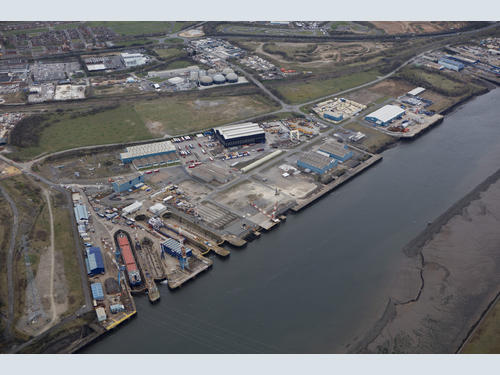
A major capacity boost is expected to the rail freight network in the UK as work has begun on a major project at Daventry International Rail Freight Terminal in Northamptonshire. The project is being led by Prologis UK and is being delivered by Winvic Construction Ltd and will see the construction of a new rail freight terminal with a new access road. Daventry terminal, known as DIRFT, is recognised as one of the most successful intermodal logistics parks in the UK. It is situated in the Golden Triangle, which spans from Northampton to East Midlands Airport, in the North, and is located near the M1, and of course the West Coast Main Line. Daventry is currently home to big names such as Sainsbury’s, Tesco, Royal Mail and DHL, and currently handles 12 freight trains a day. The latest phase of work includes the construction of a new terminal and enhancement to the current rail corridor which connects into the West Coast Main Line. Construction has already begun and is expected to be completed in 2021.

Read More »

Helping Your Business to Battle Through the Pandemic

2020, as a year, has dealt surprise after surprise to the vast majority of us. Unfortunately, many of the surprises haven’t been all too positive. This has been the year of coronavirus and Covid-19. Since the start of the year, the deadly virus and resultant disease have spread rapidly around the world, causing a huge number of deaths and widespread illness. In a bid to slow the spread of the virus until we develop a vaccine, social isolation and social distancing measures have been put in place around the world. For many of us, months have been spent in our own homes, with many countries telling their citizens for months that they should only be leaving their homes for essentials, such as food shopping, medication or to briefly exercise. Still now, the majority of countries around the world are still implementing social distancing rules, where people have to wear masks and maintain a two metre distance between each other, sometimes only seeing people who they live in the same household with. This, of course, has had a profoundly negative impact on many businesses. Countless businesses haven’t been able to operate in this manner and have gone under. Many businesses are struggling. Countless people have lost their jobs through company collapses and companies no longer being able to afford their services. If your business is up and running, you may be worried that your company won’t make it through this pandemic. But try to be positive! There are a number of things that you can do to try to keep things up and running and work your way through this. Here are some that you might like to keep in consideration. Adapt to Remote Working Well If your company can operate remotely, chances are you’ve been operating on a remote basis for a little while now. But remote working isn’t the key to success. Making sure your staff can work well remotely is. A switch to remote work (and a sudden one at that) isn’t ideal for you or your staff. Learning to operate and work on a remote basis needs adaptations that can take a little time to implement and get a grip of. Here are some you really need to consider. Communication Communication between team members is key to any company’s success. But communicating in an office space or other commercial premises is much simpler than having a full team communicate from different locations. In a commercial premises, staff can chat, hold meetings in meeting rooms and generally get their thoughts, feelings and delegations out quickly and easily. The good news is that there are now various online programmes and applications that can help everyone to communicate almost as simply from their own individual locations. Programmes and apps like Zoom allow multiple people to video call at once, working as a great replacement to meetings. Software like Microsoft Teams have instant chat features, which staff can use in place of chatting. Make sure to prioritise communication. You need to keep your team together if you want everyone to be as collaborative and productive as possible. Security Security is another factor that you really need to focus on. Of course, security is always important in business. But when you are in an office space, staff can work from a network that you have provided. They can work from devices that you have provided. They can work on an internet connection you have provided. They can be monitored by you. When they work from home, this could all go out of the window. This is potentially dangerous for your company, as it leaves your company vulnerable to cyberattack. What’s worse? Cyber criminals are aware that most companies are still getting used to operating on a remote basis and are targeting many small businesses, knowing about these vulnerabilities. A successful cyber attack could result in a security breach, which could result in leaked data, data related issues for employees and customers and serious damage to your reputation. Steps to take to maximise your security while staff work remotely include: Staff cybersecurity training – staff need to be trained in cybersecurity. The more aware they are of common cyber attacks (such as phishing), the less likely they are to fall for them. This will significantly reduce the opportunities that a cybercriminal will have to infiltrate your systems. Moreover, you can also trust sapphire.net for the best cyber security services within the UK. Spam Blocking Software – of course, your staff are much less likely to fall for phishing emails if the emails don’t make their way to them in the first place. This may sound excessive, but spam emails genuinely do account for 50% of all emails and some can be pretty convincing. Spam blocking software can help to effectively filter out spam and prevent it from getting into your staff members’ inboxes. Secure data storage – all of your data should be stored as safely and securely as possible. It’s a good idea to migrate to aws, which will ensure that all of your data is safely secured within a Cloud system. A VPN – VPN stands for “virtual private network”. It is essentially a network that you and your staff can connect to via the internet. It provides your business with much better security than staff operating on their own networks, which could be less secure. Adapt Your Commercial Premises and Operating Procedures If your business is returning to a commercial premises, you’re still going to have to operate according to government guidelines. This is likely to involve implementing social distancing measures and various other measures to protect your staff and members of the public. Following these measures doesn’t only ensure that you are operating legally. It also ensures that customers feel safe and comfortable shopping with you and will encourage them through your doors. Here are a few steps you could take. Ensure all staff and customers are wearing masks – provide all of your staff with masks and

Read More »

Live Dealer Casino Studio And Technology In Europe

Europe is the birthplace of industrial civilization and the beginning point of the new casino culture. With most gaming jurisdictions based in Europe, it makes sense for most of the top online casinos with live dealers to benefit from them and the general conditions for online gambling in the European states. Apart from being controlled and monitored, most of the online casinos open to Europeans offer the most modern live dealer tools and the new sports. Whenever a new tech vendor appears, it typically focuses on the European market before attempting to spread to other areas. In order to provide the best service to their users, software providers will combine generic live casino games with dedicated tables and environments designed exclusively for unique operators and their respective audiences. Technology Behind live casino studios The equipment used in live streams is called Optical Camera Recognition. This technique involves capturing any key factor in the gaming room, and then using a video link to broadcast games to casino patrons. If players choose to position their bets, they will use a console that shows on their computer screen. Generally, there is also a live chat operator that gives players a chance to ask for assistance. Optical Camera Detection Technology catches any significant movement, such as the shuffling of cards, the turning of the circle or the delivery of cards. This makes the experience very believable and gives players a chance to enjoy a betting journey that comes true to the one land-based casinos offer to their customers. Key Elements of live casinos In order to make the live-dealers betting experience more practical and exciting, live casinos use a variety of core elements that help enhance the simulated betting of players. Of course, depending on the type of game and the digital framework on which it works, there might be some extra features. Cameras The most critical aspect of live dealer games is to catch any crucial step in the game. This is achieved with the aid of web cameras that used to be very large, but with the advent in technology, modern cameras are smaller and do a better job of capturing the main aspect of live dealer games. Wheel and Table Many of the games you’ll be able to play at live casinos are variants of classic table games. That’s why the table is another main component of Live Dealer Casinos gaming experience. Since roulette is also a very popular game among players, its live casino models have a wheel that is an exact replica of those you are used to seeing at land-based casinos. Both tables and wheels are fitted with sensors that help translate the outcomes of each round into data that can be accessed by casino patrons. Game Control Unit This machine is about the size of a shoebox, but it’s so critical that there wouldn’t be any live casino games if there wasn’t a Game Control Device. Monitor Another critical aspect of a live casino is the camera. It allows dealers and players to keep track of the game. Dealers use the console to see how many players have entered the game and to watch the bets they have made. Online players, on the other hand, can use the console to see when they can put bets on the table and when they are finished. Live Dealers It’s the live dealer who makes the game incredibly practical and enjoyable. Using real people as dealers are what improves the realism of a game. This way players feel like they’re putting their money on a real land-based casino. Thanks to innovative interactive casino technologies, participants have the ability to track every move of a live dealer. This way, players will be confident that the game is fair and that every aspect of the game is played in compliance with the rules. More and more live casinos offer various casino games and employ live dealers that speak foreign languages. This way, different players will experience their favourite games in their native tongue.

Read More »

Winvic Developing AI Enabled Health & Safety Site Software

Digital-first Contractor Winvic set to Develop AI Enabled Software to Send Personal Site Risk Alerts to Team Winvic, the University of the West of England (UWE Bristol) and One Big Circle Consortium secure Innovate UK Funding for Computer-Vision-SMART. Winvic Construction Ltd, a leading main contractor that specialises in the design and delivery of multi-sector construction and civil engineering projects, is working on a second Innovate UK funded project, which aims to keep site staff even safer; the three organisations involved will together leverage the latest real-time image and machine learning technologies to detect, recognise and track hazards on a construction site, which will then alert nearby operatives via IoT enabled, GPS devices. Dubbed as Computer-Vision-SMART, the ‘Computer Vision and IoT for Personalised Site Monitoring Analytics in Real Time’ project will run for two years. The Big Data Enterprise and Artificial Intelligence Lab (Big-DEAL) at UWE Bristol, and Bristol industrial intelligent video specialists One Big Circle are the two other organisations in the consortium that were successful in their application for an Innovate UK – the UK’s innovation agency – Smart Grant. They will share the £600,000 research pot with Winvic. Smart grant is the new name for Innovate UK’s ‘Open Grant Funding’ programme. Innovate UK, part of UK Research and Innovation, is investing up to £25 million in the best game-changing and commercially viable innovative or disruptive ideas through its ‘Open Grant Funding’ programme. How the Technology Works Interior and exterior site cameras will continuously capture video images. Via Artificial Intelligence (AI), any hazards – from moving heavy machinery to overhead works to people operating without the correct Personal Protective Equipment (PPE) – will be identified. Over the length of this project the machine learning models will be able to make an increasing number of intelligent predictions over the time of the project. Safe space radii, or zones, will be predetermined and applied to each hazard. Exact operator and hazard locations are understood through a geographic information system (GIS). When an operator enters a hazard zone, the individual – and when appropriate other members of the site team – will receive a personal alert via an app on a wearable or mobile device. Managers can also review alerts and relevant video segments from a laptop-based app. In the event of an operator being identified of not wearing appropriate PPE, the person and Project Manager will be alerted of the issue. Each hazard radii will comprise four zones (SAFE): Safe: a site worker is in a safe location and won’t receive an alert; Alert: a site worker is alerted to a possible risk; Full alert: a site worker receives a consistent alert; Escalate: there is a site wide alert of an immediate health and safety concern. The Requirement for Innovation A clear need for the development and widespread use of digital technologies within construction health and safety was identified: Existing vision-based approaches to construction site monitoring only focus on areas such as site security, dispute avoidance and time-lapse project progress, and applications to improve people’s safety are lacking. Furthermore, HSEQ managers and operatives depend on self-reporting or warnings from co-workers, which can simply come too late to avoid an incident. Consequently to achieve a zero-harm target, health and safety best practice must be reimagined utilising effective digitisation alongside appropriate social interventions; delivering a solution where social and technical systems overlap. Two Winvic project sites will take part in the initiative to develop the technology over the 24-month period.  UWE Bristol and Winvic are also partners on the Conversational BIM Project; another AI-enabled development to create a voice activated, BIM model connected headset, which will allow users to retrieve any and all project design and construction information with a simple vocal request.  Tim Reeve, Winvic’s Technical Director is leading the Computer-Vision-SMART project on the main contractor’s team. He commented: “Utilising intelligent digital technologies in construction to deliver projects more rapidly, cost-effectively and safely is a passion of Winvic’s and this forward-thinking health and safety initiative is truly ground-breaking. It’s a privilege to be working with UWE Bristol on a second AI-enabled project, and with One Big Circle also on-board, we have a very dedicated and eager consortium team. There is a clear gap in this area of construction safety, where social and technical efforts can successfully converge, and with the solution that has been conceived will come better opportunities than ever before to reach our zero-harm aim. It’s a very exciting time in the world of digital transformation, and our achievements over the next two years will generate a significant leap forward for safety across the whole of the construction industry.”             Olugbenga Akinade, an Associate Professor at UWE Bristol and Principal Investigator, said: “This Computer-Vision-SMART project will enable us at the Big Data Enterprise and Artificial Intelligence Lab to employ our expertise in computer vision and sensor fusion technologies to improve safety on construction sites. The project is pivotal to our strategy to push the frontiers of construction research and to address industrial needs using innovative digital technologies. “The Innovate UK Smart grant provides us with a unique partnership opportunity with Winvic and One Big Circle to address a unique gap in the construction industry. We are convinced that Computer-Vision-SMART will deliver a step-change which will enable us to explore the socio-technical overlap of behaviour-based safety on construction sites. The project will further mature our capabilities in delivering high impact research and to establish UWE Bristol as a business-facing university.” Founder and Director of One Big Circle, Emily Kent, added: “As specialists in intelligent video and integration our purpose is to provide digital video solutions to real world challenges, especially in industrial environments, thereby increasing safety and enhancing operations. The power of a collaboration such as the Computer-Vision-SMART group means we can steer our video and computer vision expertise according to industrial need, working closely with others who are also experts in their own fields. We have been successful with this approach in highways and rail previously and are very excited

Read More »

New national intelligence portal launched to track criminal gangs

The SmartWater Group, one of the UK’s fastest growing risk management companies, has launched its Intelligence Portal in Shropshire to help track Organised Criminal Gangs (OCGs) as they move across the UK, stealing valuable assets from infrastructure and construction sites. Costing over £2m, the Centre for Infrastructure and Asset Protection (CIAP) has unique access to privileged closed source data provided by both police and their Clients, enabling highly trained analysts to track the movement of the gangs across the UK. The benefit for Clients, such as the Solar Trade Association, The Survey Association, Ecclesiastical Insurance Group and many others, are that, as the criminal gang travels into a new region, CIAP analysts send ‘early warning’ security alerts to enable rapid deployment of target-hardening measures to protect key assets. According to the National Crime Agency, serious and organised crime (SOC), which includes attacks on infrastructure sites, now affects the UK more than any other national security threat. It is estimated to cost the UK economy at least £37 billion a year, with figures increasing year on year. SmartWater’s CIAP has already assisted the police in securing the conviction of hundreds of criminals for serious offences against the national critical infrastructure.  One case involved the tracking of a criminal gang across the Midlands region as they stole hundreds of thousands of pounds of solar panels.  Working in partnership with the police, a trap was set using a combination of SmartWater forensics and mobile CCTV, resulting in the arrest and conviction of the gang for theft. Says Gary Higgins, SmartWater Technology’s COO and Head of CIAP:  “With its privileged access to closed source data, CIAP provides a unique service for its many Clients, further enhancing the SmartWater Group’s reputation as Innovators in risk management.”

Read More »

Property Management Industry Trends

For property managers working in the UK rental market, times have changed dramatically since the pandemic hit hard. But, the good news is that many of the emerging trends are proving beneficial to the market.   Demand for rental properties up Strong demand for rental properties has continued with economic uncertainty and tighter mortgage lending driving people away from house purchase. At the same time, shortage of new rental properties has kept rent levels up.  UK rental income in June was on the rise — up 1.1 percent on average compared with equivalent figures for June 2019.  However, the difference in rental variations was quite significant. In the North West, for example, average rents in June were up 6.6 percent on the same period in 2019. In contrast, the South West saw an increase of just 1.8 percent for the same period.  The East of England saw no change, while the North East and South East saw decreases with Greater London experiencing the biggest fall of 1.8 percent.  There was a surge in demand for rental properties in May, but supply was not keeping up, in contrast to the boom in build-to-let. .  “Landlords and tenants now expect greater transparency and faster communication, and technology is driving that shift. But local insight remains crucial! Combining modern systems with on-the-ground expertise is what delivers real long-term value.” Adam Kershaw, Director at Hopewell Properties Build-to-let increasing Build to rent (BTR) is one of the fastest growing sectors in the UK property market. According to recent figures from the British Property Federation, there are now 167,853 BTR homes in the UK, up from 157,512 in Q1 2020.  BTR properties are owned by companies and custom-designed for rental by multiple occupants. They carry strong branding, making them easier to market than individual properties.  Unlike private accommodation, BTR properties provide management services and offer shared facilities such as gyms. They are designed to appeal to long-term renters who may not be able or interested in buying a home and provide long-term stable revenue streams compared to private fluctuating short-term income. House prices more affordable Demand in the wider housing market has been stimulated by the Chancellor’s Stamp Duty holiday, which has made house purchase more affordable, particularly for properties under £500,000.  As an example, Bromley in South East London saw an astonishing 83 percent rise in enquiries following the announcement. Rightmove calculated that a buyer in London would save around £15,000 on average.  That lower cost is also encouraging landlords to increase their portfolios to take advantage of sustained demand for rental properties.  Technology adoption increasing  The pandemic and the subsequent lockdown have accelerated the adoption of technology in the rental market -a sector that has traditionally lagged behind the rest of the property market. That can make it easier for property managers to do business. The ability to put property details online and integrate sophisticated search functions can make it easier to match tenants and property owners. It also improves convenience for tenants, giving a competitive advantage to property managers offering online search.  The wider availability of online data on trends makes investment planning and resource allocation more accurate and effective, helping property managers improve ROI on rental properties.  For property managers with smaller rental portfolios, online tools are available to simplify property valuation. Adding information on details of the property – the number of bedrooms, whether the property is larger or smaller than average and an estimate of its condition – into the tool provides a professional valuation in minutes.  Arranging and conducting viewings in person can be very time consuming. The lockdown forced landlords to offer virtual viewings by video and this is now recognised as a practical alternative by both tenants and landlords. There is a cost to produce the initial video, but this can be used for multiple viewings and may be more cost-effective than the same number of personal viewings. Landlords lifes are also being made easier. Letting agent comparison sites like Rentround help landlords save on their agent fees and recoup more rental property profits Going online to speed up processes Access to online databases can simplify and speed up processes like tenant identity verification or credit checks, which are essential elements of the letting process. Similarly, landlords or property managers are now able to customise tenancy agreements online before digitally sending them to the tenant and having them electronically signed. One of the main aims of property technology is to create ‘frictionless transactions’. Creating online rental documentation, accepting digital signatures on contracts exchanged online and online payment systems to simplify rent collection are examples of the way technology is changing the traditional property management/tenant relationship.  As well as saving time and money, online transactions improve customer service and convenience for tenants.  Communication with tenants can be improved by making greater use of videoconferencing tools like Zoom or Cisco Webex, which has been widely adopted during the pandemic. Those tools also improve communication with colleagues and other property professionals such as lawyers, letting agents and surveyors.  Property managers who want to work with letting agents can make significant savings by using online services. High street agents’ fees cost 8 percent or more of the rental price for advertising, interviewing and credit checks. Online agents’ charges for a similar service attract an average set fee of around £50, with Portico Direct charging just £1 to advertise on Rightmove, Zoopla and On The Market.  Navigating the new landscape Continuing change in the rental market coupled with economic uncertainty poses many challenges for property managers. However, adopting the many innovations and benefits of property technology can help managers maintain greater control and improve the efficiency of their operations.

Read More »

Time for the adaptive project profession – APM reveals findings of its Projecting the Future report

The project profession is at the forefront of change, but needs to continually develop skills to stay relevant Association for Project Management (APM) has released the findings of its year-long conversation with the project profession in its latest Projecting the Future1 report, The Adaptive Project Professional. The report, which draws on contributions from APM members, project professionals and external organisations, sets out a series of ideas and insights to help shape the future of project management. It also highlights that now is the time to focus on the ‘adaptive’ project professional. The adaptive project professional must be able to adapt in an era of unprecedented technological, social and environmental change. As the project profession will be at the heart of creating and delivering such change, adaptability is key. Adaptive professionals are characterised as being responsive to the shifting contexts in which they work, having the right skills set, continually learning, able to utilise new technology, engage with stakeholders, highly proficient communicators, leaders and managers of their project teams. The coronavirus pandemic has demonstrated how adaption is so important in keeping up with the pace of change, from the building of the NHS Nightingale hospitals, the Ventilator Challenge, the government’s furlough scheme, and the race to find a find a vaccine for Covid-19 – and project professionals have been at the heard of making these innovative changes happen. As the report also highlights, the project profession will need to respond and adapt quickly to the other major challenges facing the world including climate change and the transformation of the economy by new technological advance. Tim Banfield, chair of the Projecting the Future group which oversaw the debate said: “Project management already plays a pivotal role in the changing world and contributes an estimated £156.6 billion2 of gross value added to the UK economy. Moving forwards, adaption will be vital, both in how we help organisations adapt, delivering successful projects, and in how we adapt ourselves, continually developing and evolving our skills and behaviours to keep pace. “The report sets out eight ideas to support a more adaptive profession3, one which will be centre stage in the effort to bounce back from the coronavirus pandemic and adapting to the challenges of the fourth industrial revolution, climate change and increasing human longevity.” Debbie Dore, chief executive of APM, added: “The ideas and recommendations presented in the report are a result of APM listening to our members, and conversations about some of the most profound changes under way in our economy and society. Although we continue to face very challenging circumstances, the project profession should face them with confidence. Projects are how change happens and have played a vital role in the crisis response and will be every bit as important in reshaping, reviving and rebuilding the economy. “Adaptive skills are essential, and it’s important for today’s professionals to take learning and training seriously, right the way through their careers. As the chartered body for the profession, APM continues to offer a range of qualifications and training to support a successful career in project management.”   Other core ideas to emerge from the report range from a need to build the profession’s talent pipeline, from starter to chartered: providing new routes into the profession both for young entrants, and for more mature professionals and mid-career changers. Hand in hand with that, there is a need to strengthen the culture of professionalism through life, supported by employer commitment to training and an ambitious new policy framework that caters for learning at all stages of life. The Projecting the Future debate also demonstrates the desire of project professionals to have a more influential role in shaping the strategy of projects. Projects are how change is delivered, and so they are critical to strategy, and need to be a bigger part of strategy development across all industry sectors. Promoting the profession and building its impact is also highlighted in The Adaptive Professional report, continuing to champion the importance and influence of the profession as an agent of change across the economy and society. The full The Adaptive Project Professional report can be found at www.apm.org.uk/projecting-the-future/ Read APM’s blog: Why it’s time for the adaptive professional

Read More »

CONTROLLING THE RISK OF MSD IN CONSTRUCTION

CONTROLLING THE RISK OF MSD IN CONSTRUCTION By Joe Cilia, Technical Director Overuse or repetitive motion injuries have become a frequent occurrence in the workplace and it is why ensuring good musculoskeletal health has become such an important issue for workers. These musculosketal disorders (MSDs) cost construction employers £646 million a year and is one of the most common causes of sickness, absence, and productivity loss at work. In the plasterboard sector, what can everyone in the supply chain do to control the risk of musculoskeletal injury when their workforce handle plasterboard? When a worker is asked to do work that is outside their body’s capabilities and limitations, they are being asked to put their musculoskeletal system at risk. It might well be a one-off event and the body gradually heals but repeated or awkward handling of heavy items can cause the greatest risk and lead to long-term problems. Such is the extent of the problem in the UK that nearly seven million workdays are lost annually due to musculoskeletal disorders. In construction, the rate of MSDs is the highest of any profession, with back or shoulder pain one of the most common reasons for people to be off work or having to give up work early. At a time when the health of the workforce has never been more important, musculoskeletal problems should never be seen as an inevitable part of some jobs. Most injuries are not accidents, they can be prevented through planning and better working practices. It’s also vitally important for workers to keep physically fit and seek advice if they experience musculosketal problems.  In order to reduce the health risks to construction workers from lifting, moving and handling large amounts of plasterboard, manual handling should be kept to a minimum and if it is carried out, then as safely as possible. The journey of plasterboard from factory to site involves many people, all of whom need to be able to work with a reduced risk of injury.  The risk is predominantly due to the weight and unwieldy nature of the plasterboard. Any manual handling needs to be minimised by good planning and using equipment. There needs to be good training and implementation of those practices. Most importantly, everyone needs to have the right attitude and behaviour so that no one in the industry is exposed to short or long-term risks that will affect their musculoskeletal health and ability to do their everyday activities, now or in the future. There should be good planning and good communication between everyone involved throughout any construction project. Principal contractors should be encouraged to engage with all parts of the supply chain before the logistics plan is developed. Any changes in plans need to consider the effects on the supply movement and installation of plasterboard. Furthermore, people need to know how to look after their own musculoskeletal health, but others must not expose them to avoidable risks. A new FIS Best Practice Guide produced by members of the Plasterboard Material Handling Group aims to improve health and safety when plasterboard is delivered, moved and stored and how risks can be reduced.  It covers material-handling arising from the journey that plasterboard takes when delivered to sites that include homes, commercial, high-rise multi-occupancy, new builds and refurbishments. The guide is broken down into stages from planning to engagement with manufacturers and distributors, delivery and offloading, storage, vertical and horizontal movement, storage of off-cuts and finally the removal and egress of waste. Training, planning and good working practices will ensure that people can work in the industry until they wish to leave it with good health and not have to leave the industry because of debilitating musculoskeletal problems. To download, click FIS Best Practice Guide, Recommendations for the Safe Ingress of Plasterboard.

Read More »

10 Things All Property Management Beginners Should Know

Whether you’re a landlord or you simply want to make money with real estate, understanding how to manage property properly is essential to your success. You don’t just need to know how to fix things when they break. Any first time landlord/property manager needs to take on many jobs when they’re just starting out.  How you manage a property could make a big difference to your success. Short term rentals are becoming more popular, but long term rentals are one of the best ways to make passive income. The best thing about it is that even if you only put 20% down on a property, you will receive 100% of the rental income. Not having time shouldn’t be an issue, as a local property manager could take care of everything for you. However, you could save a huge sum of money if you do some of it yourself. Here, we’ll go through 10 things all property management beginners should know.  Managing a property the right way involves a lot of hard work, communication, and transparency. Setting expectations by going the extra mile for people in the properties is a must – the only way you can land yourself in hot water is if you fail to communicate or set the wrong expectations. For short term rentals, if you list a feature not available in a property it’s not important as long as you communicate to resolve the issue quickly. If you leave it to fester and don’t say anything, it could end in a complaint. Being as transparent as possible when listing and describing the property can save plenty of headaches and complaints later on down the line.  2. Get To Know The Property and Save Headaches  Upon purchasing a property to rent out, make sure you get to know it as well as you can. Knowing what systems and elements are involved and the lifespan of those systems is key, as you need to be prepared to care for them appropriately. A lack of preventative maintenance will result in complaints at the very least, at most, a huge repair bill and even a serious accident.  3. Reinvest in the Property Before You Rent It Out Reinvesting in the property before you rent it out could mean making it far more attractive and attracting guests who want more luxury. People will pay good money to rent a luxurious property.  4. Do The Maths – A Financial Plan Is Imperative Make sure you have a good idea of how much revenue your home is likely to generate, taking into account the location, the level of luxury, the size, and the amenities. This will also depend on who you plan on renting it to, for instance, families looking for something long term or couples looking for a short term stay.  5. Work Alongside A Real Estate Agent A good real estate agent can offer some great advice pertaining to the industry and property management. However, they should understand the business, so do your research to find someone suitable. This will do you the world of good during the early stages.  6. Should You Use Finance To Fund Your Purchases? Knowing where you’re going to find the money to finance your purchases is crucial. Banks and societies will offer buy to let finance, but you may need to consider things like home loan refinancing or restructuring so you can free up capital to achieve this. A private loan, business angel, or another source of cash could also work depending on what you believe to be best for your venture.  Property is a debt driven business. You do need to take on some level of debt before you can really enter the property market. Even cheap properties are expensive commodities. Unless you have a large amount of cash in reserve, going into debt is the only way to achieve your goals. When considering your financing options, it’s important to evaluate the various types of loans available and understand how each one impacts your cash flow and investment potential. For an in-depth look at different loan structures and how to effectively finance rental property based on property type, down payment, and income documentation, explore this comprehensive resource. 7. Your Strategy Regarding Personal Use Of course you can use your own property, but if you’re using it as a vacation rental then you don’t want to be there during peak times. Make sure you’re strategic about your personal use and stick to the off season if you can.  8. Think Of It As A Hospitality Business When running the place as a rental, you should think of it like a hospitality business. Consider the care and attention that many hotels and other types of accommodation provide to their clients. It should be second to none, and the extra mile will ensure that these people consider coming back again and again. A property management company can help with this, but you do need to have a genuine desire to please the people who stay in your property. Treating them like valued friends will go a long way to making sure they give you a good review and help you to build your reputation.  9. Come Up With Realistic Pricing One of the biggest mistakes that property managers can make, is renting out a place with the pricing set too high. Your approach should be realistic, so do your research. What are others charging for similar properties in similar areas? You need to use this information to come up with a price that people will pay. You should work hard to find the sweet spot if you want to have a high occupancy rate.  10. Build a Solid Relationship With Your Housekeeping Team Having a housekeeping team that you can trust is essential. If you’re going to own property and rent it out, a high level of care and attention when hiring your team will make the biggest difference to client satisfaction and your reviews. A team that

Read More »

The future for Ports in the UK: priorities post the EU exit transition period, infrastructure development and freight

Westminster Energy, Environment & Transport Forum policy conference – Morning, Monday, 7th December 2020 Book Online | Live Agenda | CPD certified | Sponsorship | Our Website | @WEETFEvents | Unsubscribe with Richard Ballantyne, Chief Executive, British Ports Association Tim Morris, Chief Executive, UK Major Ports Group Peter Neville-Jones, Technical Director, Maritime and Ports, AECOM FROM – Michael Ryan, Deputy Editor, Westminster Energy, Environment & Transport Forum Hello, I hope this finds you well. I’m inviting you to this conference, which will discuss the policy priorities for further developing ports in the UK, examining how key operational challenges ahead of the end of the EU exit transition period. Sessions will also assess the impact of COVID-19 on the sector, priorities for modernising and digitising ports, decarbonising ports and the future of freeports in the UK. Why this is relevant – the context: [jump to the agenda summary] It takes place: In the context of significant challenges and pressures effecting ports throughout the UK, with COVID-19 disrupting port operations and efficiency, and with the end of the EU exit transition period drawing near Following the close of the Government’s Freeports Consultation earlier this year on creating up to 10 freeports in locations across the UK Following the anticipated release of the National Infrastructure Strategy alongside the Autumn Budget, expected to outline the Government’s long-term priorities for infrastructure development With the published 5-year plan for maritime and trade, which prepares a vision for 2050, and outlines how key areas such as port digitisation, the use of autonomous technology, and the greening of port operations, can improve the strength and competitiveness of British ports [Book Online] Key areas for discussion: [jump to the agenda summary] Developing port resilience and maintaining operational efficiency during periods of economic and physical disruption Ahead of the end of the EU exit transition period, planned sessions will discuss: how the sector has adapted to COVID-19 what will be required from policy in order to minimise further challenges, such as protecting the financial sustainability of key supply chains, and the flow of travel and trade the impact of the intensification of recent preparations for the upcoming end of the transition period – such as the provision of £84m to grow an intermediary sector for custom checks, encompassing all EU trade beyond 2020 – including customs requirements for imported and exported items, the declaration of goods, and increased physical checks What is needed from policymakers and wider groups of stakeholders to ensure ports remain resilient, and are able to operate effectively during periods of disruption, considering: priorities for safeguarding port operations during COVID-19 – accessing financial support mechanisms, ensuring facilities remain open and safe for cargo and port users, and latest thinking on utilising facilities efficiently to protect supply chain operations preparing for different exit scenarios and steps for minimising disruption at the end of the transition period – boosting capacity for increased checks and traffic, reducing barriers to the efficient flow of freight and commerce and opportunities presented by digital technology for streamlining the travel of goods Steps for unlocking smart ports and digitisation, and the future of freeports in the UK Further sessions will provide an opportunity to examine the priorities for developing port infrastructure in the UK, including: designing a ports infrastructure system that enables economic growth – scaling up terminal capacity for international trade, partnerships with industry to facilitate new services, and improving the readiness of major ports for dealing with new sectors and export markets developing a pathway for smart ports and overcoming modernisation challenges – digitising logistics and technical operations, automating stacking and crane functions, steps for accessing funding for innovation, and reducing operational costs through efficiency leveraging the benefits of port development for local economies – increasing local business activity, integrating ports within the wider transport infrastructure network, and supporting economic growth next steps for decarbonising ports and their operations – including reducing operational emissions, supporting the growth of low carbon shipping, and working with local governments and other energy-intensive stakeholders on integrated local net-zero strategies It will also be an opportunity for policymakers and stakeholders to examine the Government’s intention to create up to 10 new freeports across the UK, following the closed consultation earlier this year, with sessions looking at the potential opportunities for economic growth, as well as implications on customs regimes, including: Future customs arrangements – priorities for setting rules on duty free imports, assembly, and re-export, communicating new and flexible taxation rates to businesses establishing a system that fosters and drives innovation – providing dynamic regulation for innovators, enabling new business models and industries to operate in growth hubs, and latest thinking on growing productivity through the development of startups and new technology [Book Online] ***Full-scale policy conference taking place online*** [further details] The agenda The outlook of the ports sector Case study – protecting port functions during COVID-19 Preparing UK ports for after the UK-EU Transition Period – minimising traffic and trade congestion, boosting capacity, and latest thinking on adjusting to new tariff regimes Developing port infrastructure in the UK – designing terminals fit for capacity, and meeting the needs of new services and demands Positioning the UK as a leader in smart ports and automation – increasing operational efficiency, cargo logistics, and harnessing the benefits of digitisation Pathways for port decarbonisation up to 2050 – commercialising low-carbon shipping, reducing operational emissions, and collaborating on local net-zero strategies Next steps for freeports in the UK – practical design, enabling economic growth, and supporting innovation Effective customs arrangements – reducing tariff barriers, becoming more competitive, and supporting duty free re-exports Freeports and supporting innovation – regulatory flexibility, attracting startups, and testing new technology Policy priorities for developing and supporting UK ports [jump to full agenda] [Book Online] Policy officials attending: Our forums are known for attracting strong interest from policymakers and stakeholders. [About Us] It’s certainly the case with this one. There’s an outline of the government departments, regulators and other interested parties who we expect to take part

Read More »