Commercial : Industrial News

GLP Upsizes European Development Fund, Targeting €4 Billion in AUM

The upsize will fund strategic expansion and transform the fund into a diversified Pan-European vehicle GLP announced today a strategic expansion in size and scope of GLP Continental Europe Development Partners I (“GLP CDP I”). GLP and its partners Canada Pension Plan Investment Board (“CPP Investments”) through its wholly owned

Read More »

Caddick Construction progresses North West multimillion pound contract for Alpla UK’s UK manufacturing facility expansion

Caddick Construction’s North West team is making great progress on the expansion of Alpla’s Warrington UK manufacturing facility in Golbourne. Global packaging and recycling specialist, Alpla, appointed Caddick Construction to deliver the multimillion pound Design and Build contract. It covers a series of phases, including a bridge link over the

Read More »

Essential Loading Dock Equipment To Enhance Operations

The dock station is a vital part of all businesses that operate in the manufacturing and distribution industries. However, this area is often overlooked as a smaller detail; the docking station is the gateway between your business and your valued customers. Because opting for quality loading dock equipment and crucial

Read More »

6 Uses Of Woven Polypropylene Fabric In Construction

Polypropylene or PP fabric is a type of textile that’s said to have many uses in various industries worldwide. It’s created through the production of specific oil and gasses. Then, they’re woven into fabrics ready for use.  Without undergoing prior chemical treatments, untreated PP fabric can be both bleached and

Read More »

Flow Meters: Exploring Types, Technology and Applications

A flow meter is a machine that measures the density or velocity of fluids or gases. They are also known as flow rate sensors, flow indicator, flow gauge, liquid meter, etc. Flow meters are mostly used to measure the fluids or gases that flow within a pipe.   There are several

Read More »
Latest Issue
Issue 335 : Dec 2025

Commercial : Industrial News

GLP Upsizes European Development Fund, Targeting €4 Billion in AUM

The upsize will fund strategic expansion and transform the fund into a diversified Pan-European vehicle GLP announced today a strategic expansion in size and scope of GLP Continental Europe Development Partners I (“GLP CDP I”). GLP and its partners Canada Pension Plan Investment Board (“CPP Investments”) through its wholly owned subsidiary, CPP Investment Board Europe S.à r.l., and QuadReal Property Group (“QuadReal”) have agreed to expand the investment capacity of GLP CDP I, targeting €4 billion of assets under management (“AUM”) (~US$4.9 billion) upon stabilization. Through this expansion, CPP Investments has committed €900 million of equity, representing a 45% share and QuadReal has committed €800 million of equity, representing a 40% share, with the remaining 15% held by GLP. Ralf Wessel, Managing Director, Fund Management, GLP, said, “This upsize is testament to how well GLP CDP I has performed since its inception. Our investment pipeline is considerably ahead of schedule and we are seeing strong demand for our developments, reflecting attractive fundamentals for logistics development across all major hubs in Europe. We look forward to continuing our partnership with CPP Investments and QuadReal to expand GLP CDP I into a truly Pan-European development vehicle.” GLP CDP I was established in 2018 to develop modern logistics assets in Continental Europe including Germany, France, Italy, Spain and the Netherlands. The upsize will be used to transform GLP CDP I into a Pan-European development vehicle by strategically expanding in the United Kingdom (“UK”) and Central and Eastern Europe (“CEE”) markets via the acquisition of landbank and select high-quality logistics development opportunities. Andrea Orlandi, Managing Director, Head of Real Estate Investments – Europe, CPP Investments, said, “GLP CDP I is a key part of our development-led growth strategy in the logistics sector globally. Given the success of the venture to date, we are pleased to be continuing and expanding our partnership with GLP and QuadReal. We have a strong conviction in the logistics and warehousing sector and the ability of GLP to execute on our strategy, enabling us to deliver long-term sustainable returns for our contributors and beneficiaries in Canada.” Jay Kwan, Managing Director, Head of Europe, QuadReal, said, “Expanding our venture with GLP and CPP Investments was a natural evolution of our partnership given its success to date, continued favourable market conditions and strong relationships created with tenants. We’re pleased to be investing alongside two partners with whom we have a lockstep relationship.” Since entering the European market in 2017, GLP has more than tripled its AUM. Following the upsize of GLP CDP I, GLP now manages more than €12 billion (~US$13 billion) of AUM across Europe’s strongest logistics markets.

Read More »

Caddick Construction progresses North West multimillion pound contract for Alpla UK’s UK manufacturing facility expansion

Caddick Construction’s North West team is making great progress on the expansion of Alpla’s Warrington UK manufacturing facility in Golbourne. Global packaging and recycling specialist, Alpla, appointed Caddick Construction to deliver the multimillion pound Design and Build contract. It covers a series of phases, including a bridge link over the highway to connect Alpla’s existing production facility with the adjacent former Carlsberg unit (GB4) which the company acquired in 2019 as its new logistics hub. The Caddick Construction team is delivering the latest phase, which includes a substantial expansion of the logistics hub, along with associated external works. Work will complete in autumn 2021. Ben Edwards, contracts manager at Caddick Construction, said: “The team has already started the delivery of the bridge link and is delighted to have secured this latest phase, expanding the company’s logistics facility. “The project will allow this family-firm to expand in the UK in response to a rising demand for it’s products, creating new employment opportunities and boosting the local economy. The bridge link will also create business efficiencies, enabling products to be safely conveyed between Alpla’s manufacturing and storage facility without the need to hand transport between the buildings.” Alpla produces innovative packaging systems, bottles and moulded parts for a wide range of customers, including packaging for hand sanitisers and cleaning sprays. The company is headquartered in Austria and employs more than 20,000 staff worldwide. Alpla occupies a number of manufacturing and distribution facilities at Stone Cross Business Park in Warrington, close to junction 23 of the M6. Pozzoni Architecture designed the expanded facility and bridge link. Caddick Construction has delivered a series of retail, manufacturing and production facilities for clients around the UK, including Carlsberg, Arla Foods, Heineken, Tesco and Morrison.

Read More »

Futureal’s HelloParks to develop a 400,000 sq m of GLA logistics megapark in West Budapest

The total pipeline of Futureal Group’s industrial and logistics property development company, HelloParks, has now reached 900,000 sq m of GLA around Budapest. HelloParks continues its development in the western agglomeration of the Hungarian capital, next to the M1 motorway, in Páty. This is the largest project in the history of the company and will complement HelloParks Fót in the North and HelloParks Maglód in the East, next to the airport. As a member of Futureal Group, HelloParks continues its development in one of the most developed industrial and commercial zones in the western agglomeration of Budapest, Páty, which is an ideal location for production companies and logistics service providers. Located along the M1 motorway with direct connection and excellent visibility, 6 km from the M0 ring road and 10 km from the M7 motorway, HelloParks Páty is easily accessible also from the downtown of Budapest. The 100 ha site will feature modern warehouse and production space in a total of 400,000 sq m of GLA, which will be developed in several phases. Preparations for the first phase have already begun. The first building will offer 55,000 sq m of modern warehouse space and is expected to be handed over in Q3 2022. The value of this investment exceeds EUR 50 million. HelloParks has recently announced the development of one of the largest industrial and logistics centres in the country on a 76 ha site in Fót and a similar development on a 46 ha plot in Maglód. 33.000 sq m of warehouse and industrial space can be set up in Fót and 193,000 sq m in Maglód. “HelloParks has reached another milestone by investing in the western agglomeration of Budapest, and so far this promises to be our largest development, both in terms of plot size and total facilities.” said Rudolf Nemes, CEO of HelloParks. The minimum rentable area for the so-called Big Box type halls will be 3.300 sq m, while the Flexi Box buildings with a more flexible rental scheme can offer rental properties up to 500, 1,000 or 2,000 sq m for smaller tenants. Like the megaparks in Fót and Maglód, facilities to be built in Páty will also meet the requirements of the BREEAM sustainability standard, thanks to smart solutions that ensure energy efficiency and environmentally friendly operation. Short-term offices, Hello Café and conference rooms with catering services and long-term A-category offices also will be available for the convenience of tenants. HelloParks can build on Futureal Group’s decade-long property development and investment experience. Futureal is one of the leading real estate developers and investors in Central and Eastern Europe and is among the top 10 largest real estate developers in Europe. Since its foundation Futureal Group’s portfolio has included more than 180 real estate projects with a total value of over EUR 5 billion and an area of 3 million square meters.

Read More »

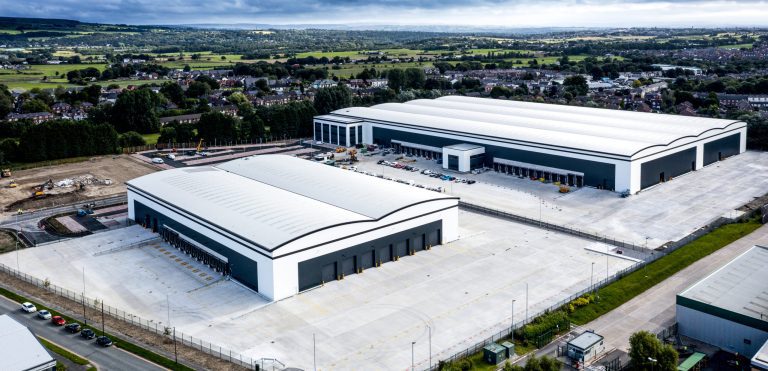
GLP secures planning permission to develop up to 736,000 SQ FT of warehouse space in Ashby

GLP, a leading investor and developer of logistics buildings and warehouses, has announced that it has secured planning permission for the development of up to 736,000 SQ FT of warehouse space at G-Park Ashby. The planning consent allows for the development of either one or two units depending on customer requirements. The 66-acre development site at G-Park Ashby is centrally located in North West Leicestershire at the heart of the Golden Triangle for logistics. The site was formerly occupied by ‘The Lounge Coal Preparation and Disposal Point’ and will now be re-developed to provide Grade A modern logistics space in a prime location. The park benefits from excellent access being directly adjacent to the A42 and A511 with links to the M42 to the South, and M1 and East Midlands Airport 10 miles to the North East. The new unit(s) will be built to GLP’s enhanced specification including an 18 M clear internal height. In line with GLP’s sustainability commitment, the development will be built to BREEAM UK Excellent level standards and will include a range of innovative environmental features, such as rainwater harvesting and an online energy dashboard to help customers proactively manage their energy consumption. Gwyn Stubbings, Planning Director, GLP, said: “The proposals to redevelop a brownfield site will deliver significant economic benefits to the area including improved local infrastructure and creating almost 1,000 new jobs, at a time when the need for logistics has never been greater. The logistics industry will continue to play a vital and important role in supporting the economic recovery in the UK and this development will respond to the significant outstanding demand for modern and sustainable warehouse space.” Planning and development consultancy Turley provided planning, strategic communications, EIA, and sustainability services for the scheme.

Read More »

Expansion for Kaseum Technology at Moorfield’s Aberdeen Energy & Innovation Parks

Moorfield Group, the owner and landlord of Aberdeen Energy and Innovation Parks, has agreed lease renewal terms and an expansion with Kaseum Technology at the Energy Development Centre in Bridge of Don. Kaseum, specialists in the design, development and manufacture of downhole tools has agreed a new five-year lease renewal at Units 1 and 2. In addition, Kaseum has also agreed to expand its presence by 30% at the EDC having secured a lease on Unit 4, taking their total space to 6,700 sqft. Paul Church, Managing Director of Kaseum said: “We have managed to come through the Covid pandemic in a healthy position and have experienced increased demand for our products and services. This expansion will allow us to organise our electronics manufacturing more efficiently and will also free up space for our ambitious R&D program, supported by Scottish Enterprise and the Scottish Investment Bank.” “Being able to expand our operation at the Energy Park is ideal for our business requirements and offers continuity for our staff and clients. We’ve been based here for four years and are very satisfied with the high quality and well-located space.” Hugh Canham, Head of Asset Management at Moorfield Group added: “Concluding this deal with Kaseum is very positive news for the parks, which has seen a flurry of occupier committing to lease re-gears and expansions in recent months. We have continued to invest in the parks through the pandemic to meet the changing needs of occupiers. We recently launched our flexible workspace offering which caters to a wide range of occupiers with the provision of standalone offices, serviced offices, coworking and workshops within a secure and spacious environment.” Matt Park, Associate Director at Knight Frank said: “With the return to the workplace now in sight, the Energy & Innovation Parks offer the perfect location for occupiers seeking extra space in line with social distancing. The parks are located conveniently close to the city centre, with ample car parking space and beautiful outdoor space. We anticipate increased demand for space over the coming months.” Knight Frank and Ryden are joint agents for Aberdeen Energy & Innovation Parks.

Read More »

Essential Loading Dock Equipment To Enhance Operations

The dock station is a vital part of all businesses that operate in the manufacturing and distribution industries. However, this area is often overlooked as a smaller detail; the docking station is the gateway between your business and your valued customers. Because opting for quality loading dock equipment and crucial maintenance can enhance productions, you should consider kitting out your docking station with this essential equipment while also prioritizing ongoing maintenance of the equipment is just as vital. Loading Dock Bumpers Quality loading dock bumpers from Miner Corp are vital components of any dock station. It can be pretty tricky to maneuver a large trailer or truck, even for expert drivers, and this challenge can potentially increase the risks of damage to the loading dock. Installing dock bumpers is a practical way to reduce the chances of damages while also ensuring processes are smoother and less challenging for your drivers. These innovative essentials act as a safety cushion between the truck or trailer and your building. There is quite a wide variety on the market, so be sure to opt for dock bumpers that are best for the type of trucks or trailers at your facility. Dock Seals Dock seals are vital for creating a waterproof seal between the delivery vehicles and the loading dock. Installing dock seals will reduce the costs of energy consumption for your business simply by making it possible to maintain the internal climate of the dock station. When it comes to lean manufacturing, reducing energy consumption is just as crucial as reducing waste, so dock seals can enhance your lean manufacturing status and ensure you can save on expenses as a direct result. Aluminum Loading Dock Boards Aluminum loading dock boards are another piece of essential yet simple equipment required for loading docks. These dock boards will expedite the process of loading-in and loading-out by streamlining the process. However, aluminum loading dock boards are primarily suitable for facilities that deal mostly with lighter loads of less than 15,000 pounds. The boards serve as a bridge between delivery trucks and the dock station. Aluminum is the cheaper material solution for dock boards, although they may need replacing more often than higher quality materials. Regardless, they will get the job done if kept in ideal condition and only used for lighter weight loads. Steel Loading Dock Boards Suppose your facility deals primarily with heavier loads. In that case, steel dock boards will be a more viable solution as these serve the same purpose as aluminum dock boards, although they are significantly more robust and more durable. Steel docking boards can handle loads of up to 60,000 pounds. Even if your facility is handling lighter loads, steel loading dock boards may be the better solution. You won’t have to replace them often; therefore, you can save substantially by investing in the more durable material regardless of how light your delivery loads are. Loading Dock Levelers Loading dock levelers are essential to bridge the gap between the dock station and the delivery trucks or trailers. The decision to install dock levelers will streamline business processes in this area of business and ensure no damage is done to your facility during the delivery process. With that said, you have the choice of hydraulic dock levelers and mechanical dock levelers. You will have to evaluate costs and determine your needs when choosing the best dock levelers for your dock station. Maintaining Loading Dock Equipment Maintaining your dock equipment is just as important as opting for quality equipment installation. Therefore, once you have all the essentials, you should ensure regular maintenance is prioritized. Proper cleaning of the loading dock is part of maintenance, and when cleaning, you should ensure all items are secure before pressure washing the station. Imposing a no eating and drinking policy will also avoid the unnecessary mess that can jam equipment. In addition to this, you should opt for routine pressure washing to keep your equipment in ideal condition while ensuring you are devoted to a maintenance routine with reliable maintenance services is just as crucial. Equipment cleaning and maintenance should be prioritized just as you do loading dock safety. Equipment failure can lead to unplanned downtime, which will have mammoth impacts on profits, processes, and ultimately, your reputation in the industry. So when finding all the necessary equipment for your dock station, you should also ensure you have a proper maintenance and cleaning plan with the right services.

Read More »

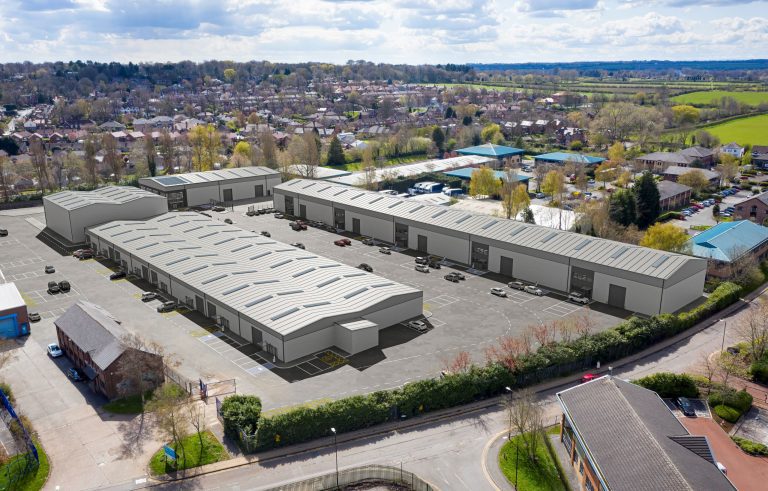
WORK STARTS ON MAJOR NEW INDUSTRIAL DEVELOPMENT ON FORMER COLLIERY SITE

Yorkshire construction company, Harris CM has started work on a £3.4million contract to build a major new industrial development on part of the former Kellingley Colliery in Knottingley near Wakefield. The scheme will offer 11 high specification units that range from 3,000 sq ft to 4,000 sq ft and is being developed by CRT Property Investments Ltd, which is wholly owned subsidiary of The Coalfields Regeneration Trust. Work will complete by the end of the year.  The development, which is supported by a £1.8m grant from the European Regional Development Fund (ERDF), will offer extensive car parking with electric vehicle charging points along with high quality landscaping. The project team features the Yorkshire offices of architects, The Harris Partnership, construction consultants Rex Procter & Partners, HJ Consulting Engineers and building services and environmental engineering firm, Hydrock MRB. Jason Adlam, CEO at Harris CM, said: “This site is steeped in history and was the UK’s last deep coal mine to close in 2015. In its heyday, it employed thousands of local people and now through its regeneration, it can play an important role in the local economy once again. “This is our first project with CRT Property Investments, and it is a great opportunity to contribute to the continued regeneration of the ‘Five Towns’, on a site that is only 20 minutes away from our head office near Pontefract, which makes it a fantastic scheme to be involved with.” Shaun O’Brien, Property Investment and Development Director, from CRT Property Investments, said: “These units will appeal to a wide range of SMEs and help address the  shortage of available property in the local area. Once complete, the development will offer a high-quality working environment where businesses can thrive, as well as playing a crucial role in the local economy by creating jobs and opportunities for people in and around Knottingley. “This site is a prime example of how we can create opportunities within the coalfields, and everyone involved with the development is pleased to see work starting on site.” The wider 151-acre Kellingley Colliery site is currently being transformed by Harworth Group into a large-scale development, known as Konect, that will offer 1.45m sq ft of manufacturing and distribution space. The Coalfields Regeneration Trust is the only organisation dedicated to supporting the 5.7m people living in former mining communities throughout the UK. With three priorities for action: employment, skills, health and wellbeing, the organisation redirects funds and support through a programme of activities to ensure that it has a positive impact where it is needed the most.

Read More »

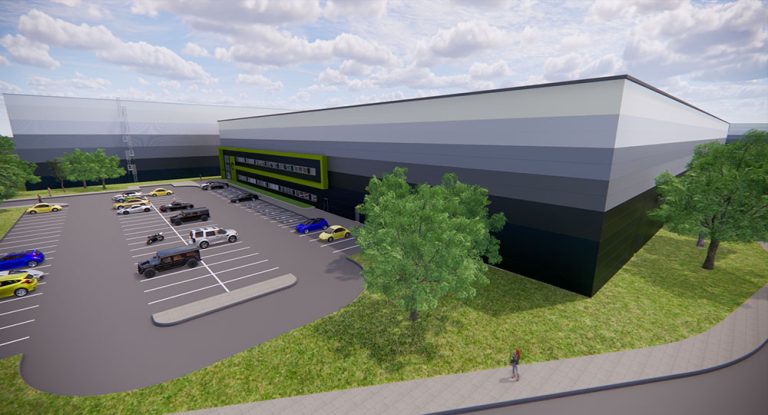
GMI awarded major contract by Symphony Group to expand major production facility

Design and construction of a 332,626 sq ft production/warehouse facility to be built adjacent to existing facility at their HQ in Barnsley with the design mirroring the existing building. GMI Construction, a leading main contractor to a growing portfolio of public and private clients throughout the UK has announced that it has been awarded a major new contract by The Symphony Group – the UK’s largest privately owned manufacturer of fitted kitchen, bedroom and bathroom furniture to develop a new 332,626 sq. ft. production warehouse facility at their HQ in Barnsley. The facility which has been designed by Architect Garnett Netherwood and will feature enhanced FM1 floor slabs will be constructed adjacent to the existing Symphony production plant with a harmonious design that mirrors the existing building.  The new facility will provide Symphony with much increased storage and production capacity, along with the enabling of key equipment to enable Symphony to fulfil its plans for growth. The build is expected to take 38 weeks with the expectation that the facility will become fully operational later the same year. Speaking about the appointment Lee Powell, GMI Divisional Managing Director said: “We are very pleased to have been instructed by Symphony Group to construct this important new production plant and warehouse to enable their next phase of expansion. GMI is well known for its work and credentials in the production and warehouse sector and we look forward to working with Symphony and the full project team to deliver this building on time/budget”.

Read More »

6 Uses Of Woven Polypropylene Fabric In Construction

Polypropylene or PP fabric is a type of textile that’s said to have many uses in various industries worldwide. It’s created through the production of specific oil and gasses. Then, they’re woven into fabrics ready for use.  Without undergoing prior chemical treatments, untreated PP fabric can be both bleached and cleaned; more processes may be done for further refining the product. The fabric is also known for its strength and utility, hence, many in the construction industry prize it for its benefits. The following points pertain to how different construction companies are using the material for a variety of purposes.  1. Rubble Mound Creation  Polypropylene fabrics are used in geotechnical engineering, a branch of engineering that involves the earth, materials related to the soil, and their behavior when used in construction. Coastal drilling and mining are just some of the activities that fall under the said category. PP’s also known as a geotextile or a special type of fabric favored for its geosynthetic feature and superior filtering capabilities.   Woven polypropylene fabric suppliers can create tear-resistant, mildew-resistant, high-strength, and lightweight materials that can withstand stretching and shrinking. The fabric prevents the mixing or transferring of delicate material like soil and sand with rocks or gravel.   It’s advisable that the material itself, however, needs to be protected by small stones that help prevent damage from rocks and blocks. Polypropylene is sometimes mixed with other similar geotextiles such as polyamide and polyethylene to enhance its usefulness and serve more specific tasks.    The synthetic fabric is used at beaches wherein it replaces rocks in locations that lack quarries. They can also be used as primary materials for the construction of rubble mound breakwaters to prevent the impact of ocean waves in coastal erosions and the transportation of sediments.   2. Flood Control  Locations that are constantly battling extremely wet weather conditions can use sandbags to protect different establishments. Polypropylene fabrics can be turned into sandbags. However, they’re not to be confused with earthbags for the two are different from each other. Sandbags are believed to be helpful flood control solution examples to prevent the flow of water as much as possible.   You can place sandbags in front of entrances and indoor water drainages such as the restroom and laundry room in your home. Sandbags are especially useful when the structure is made of fibro-sheeting or wood materials.   It’s important to note that this type of bag must only be filled with sand and not with clay, soil, or gravel as they’ll not hold water. They can go as heavy as 20kg and must be laid on top of a plastic sheet like you would with bricks where the unfilled part of a sandbag is topped with the filled end of another.  3. Fences And Screens    Polypropylene is one of the most widely used plastic materials in the world. It’s also used as a means to secure construction sites by keeping unauthorized persons out. Construction locations can be dangerous, and the use of polypropylene fences or screens is a safe and temporary alternative to other types of blockers a construction manager may use.   They’re economical and don’t cause harm to both motorists and pedestrians. Constructions sites also use them for aesthetic reasons as they can help block out the unsightly environment of the site from onlookers and passersby.   PP fabrics are regarded as a great material for construction fences because they’re resistant to the seasons and changing daily weather conditions. Their heat-enduring features prevent them from chipping or flaking that makes the covers long-lasting. In addition, they contain pigments and fillers that block out UV rays or ultraviolet radiation to protect both workers and the construction from possible damage.  4. Silt Fences For Erosion Control  Polypropylene silt-films are temporary shields used in construction sites to help prevent ground sediments from breaking or falling apart. It’s an essential tool for areas near bodies of water as it prevents the contaminated soil from eventually seeping into the water.  PP’s a durable material that’ll last up to six months with good care. They also make great temporary solutions to fencing because they’re easy to remove and can’t have a lasting effect on the environment.   Silt fencing can be a construction of wood and geotextiles like polypropylene material. They’re also resistant to water as it’s believed that they can withstand the pressures brought upon by a cubic foot of water.   5. Road And Railway Construction  Geotextiles like polypropylene fabrics, also called geotechnical materials mixed with other plastics, are also used to construct roadways and railways that make travel easier and faster. These unique types of fabrics are utilized to stabilize substrates or underlying layers of substances such as soft or uneven terrain underneath a construction feature.   In road construction, geosynthetic fabrics are laid out over muddy and unstable soil. Heavy machinery then spread out a subbase layer of rock or gravel on top. The plastic fabric helps prevent the subgrade material from sinking into the muddy ground. The area then becomes leveled and lowers the need for more maintenance work in the long run.   PP fabric is also placed between a layer of substrate underneath. A ballast layer is set on top to maintain structural integrity under the tracks. Railways tend to degrade over time because of subgrade cohesion. Geotextiles make it easier to save on labor costs because it puts a long gap between the maintenance periods of rail tracks.  Polypropylene combination fabrics can help prevent the subgrade underneath from pumping when trains travel on the tracks. The reinforcement barrier can help strengthen the layered elements to make them safer and sturdier throughout the years.  6. Earthbag Construction  Polypropylene fabrics can be made into earthbags that are used for home construction. They’re economical alternatives to conventional blocks and bricks but are also durable and holds well against water damage and rotting. They can be eco-friendly too as some earthbags are mixed with portions of clay and burlap or hemp. Some earthbags also come with UV protection.   No energy

Read More »

Flow Meters: Exploring Types, Technology and Applications

A flow meter is a machine that measures the density or velocity of fluids or gases. They are also known as flow rate sensors, flow indicator, flow gauge, liquid meter, etc. Flow meters are mostly used to measure the fluids or gases that flow within a pipe.   There are several options in flowmeters, such as magnetic Coriolis, single-use, variable area, etc. However, they can be different in price, accuracy, and functionality. Ultrasonic flow meters are an extremely accurate and multi-use option but tend to be quite expensive. For a low-price option with better accuracy, you can choose single-use turbine sensors. But they are only good if the working fluid is low viscous. For higher viscous flowing liquid, disposable ultrasonic meters are a good choice for single-use.  Things to Consider while Choosing a Flow Meter Type of Flow Measurement. Volumetric or Mass Flow, Momentum or Velocity. Type of Media. Liquid, gas, or slurry. Media Conditions. Temperature and pressure of the media and whether the conditions remain the same or change with time. Accuracy. Accuracy level required for the readings. Flow Range. Requirement of minimum and maximum readings in the flow range. Geographical Conditions. Clean installation, tamper proof-readings, ATEX zone installation, etc. Flow Meter Options Available 1. Ultrasonic Flow Meters. These are more advanced and flexible than other flow meters. They measure the frequency of ultrasonic waves passed through the fluids. Two popular categories of ultrasonic flow meters are Transit-time and Doppler. Doppler meters use particles in the liquid by their reflection mechanism to measure the speed of the liquid. The Transit-time meter measures the difference in frequencies of forward and reverses signals passed through the clean liquid. Transit-time works best in clean fluids without any particles or solids. As they are flexible, ultrasonic flow meters are widely used in many industries. That includes facilities management, chemical, paper and pulp, and mining sectors. Petrochemical, water, wastewater, and aquafarms also procure the technology. 2. Coriolis Flow Meters. They provide the measurement of true-mass flow from two designs: a single tube and two parallel tubes. They work through an oscillation that is induced within the tubes at indicated frequencies. It is based on Newton’s Second Law of Motion, the frequency of oscillation changes with a change in flow rate. Coriolis flowmeters are best suited for growing and broad collection of liquid and gas applications. They give multi-parameter details on temperature, density, and mass. Mainly used in the wastewater treatment facility, pharmaceutical manufacturing, gas facility, and nuclear facility 3. Gear Flow Meters. These use oval-shaped gears that are interlinked and rotates when liquid passes through them. The volume of fluid that passes through the oval gears is well controlled, which gives the meter higher accuracy. The structure is simple and rugged, which delivers the flexibility of installation in most types of environments. Gear meters are best suited for high-viscous fluids. The gear meters work well in the paper and pulp industry, oil and fuel transfer, and manufacturing. Because of stainless steel gears, they are best suited for petrochemical and any environment dealing in light to heavy oils.  4. Magnetic Flow Meters. They are also known as Magmeters and found in two types: full-bore and insertion. Magmeters work by assessing the electric content present in water or other fluids. The technology has no moving parts, and full-bore types provide no intrusion in the fluid stream. Magmeters are used in water purification, mining, food and beverage, paper and pulp, petroleum, and chemical industries. The use of Magmeters should be prevented in low-conductive liquids like de-ionized water. 5. Turbine Flow Meters. They have a bladed rotor connected to a centerline of a flowing stream. The rotator section provides a pulse while moving either an optical or a magnetic sensor. The pulse frequency is directly linked to the velocity of the liquid. Some turbine meters give higher accuracy and can deal with higher-viscous fluids. Two main applications for turbine flow meters are water purification and irrigation. However, they can also be applied in wastewater, utilities, and oil and gas industries. If accessed with proper sanitized connections, they manage flow in the food and beverage sectors. Not suited for a low-flowing stream. 6. Vortex Flow Meters. They use pressure sensors for measuring pressure pulse.  Pressure pulses are measured from vortices, which come from the flowing liquid passing a bluff object. A simple explanation for this can be the waving of the flag. The pulses and rate of flow are directly proportional. Although the vortex flow meter is lesser-known, it provides higher accuracy. The design is perfect for high-purity and aggressive applications. These meters are suitable for wastewater, food and beverage, oil and gas, and water industries. They can also be applied to chemical, utilities, and water purification. Be Wise While Choosing Flow Meters Although all the flow meters have their unique features, you must choose a flow meter wisely and based on your requirements. Consider factors like usage, sanitization, place of installation, pricing, maintenance, viscosity, temperature, etc., before making a decision. Make your choice that’s wide enough to cover your needs. The measurement accuracy depends on several factors. A low-cost, lower-quality meter will give lower accuracy results, while the same is true the other way around.

Read More »