Products & Materials : Building Trade Materials News

Fixmart Ltd Improves Customer Service with PODFather System

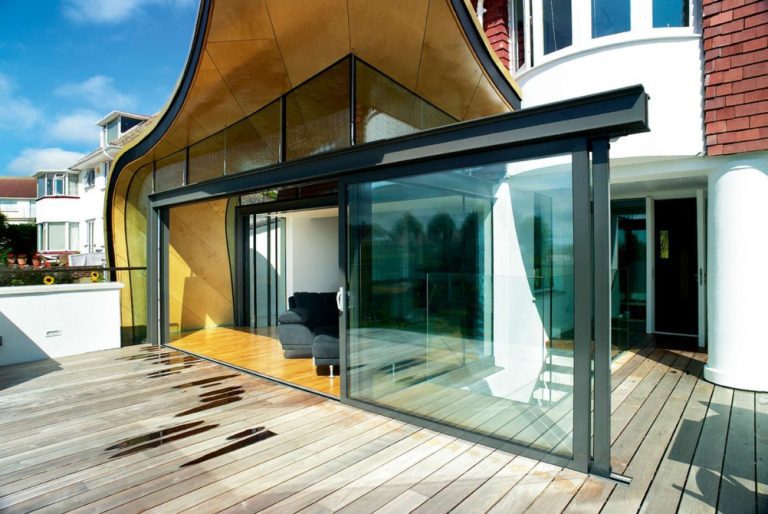
Fixmart Limited, the UK supplier of construction products, has implemented the PODFather System, in order to improve its customer service, productivity, visibility and client communication. With the help of the System, Fixmart’s customer service team will be able to schedule and monitor time-critical deliveries for clients to sites across London

Read More »

Lagan Is Now Breedon

Following the acquisition of Lagan Group by Breedon Group earlier this year, Lagan’s brick, tile and bagged cement products have been rebranded as Breedon. The company manufactures a comprehensive range of concrete roof tiles, clay facing bricks and bagged cement which it supplies to builders’ merchants across the UK and

Read More »

How Casters Can Improve The Mobility Of Your Workspace

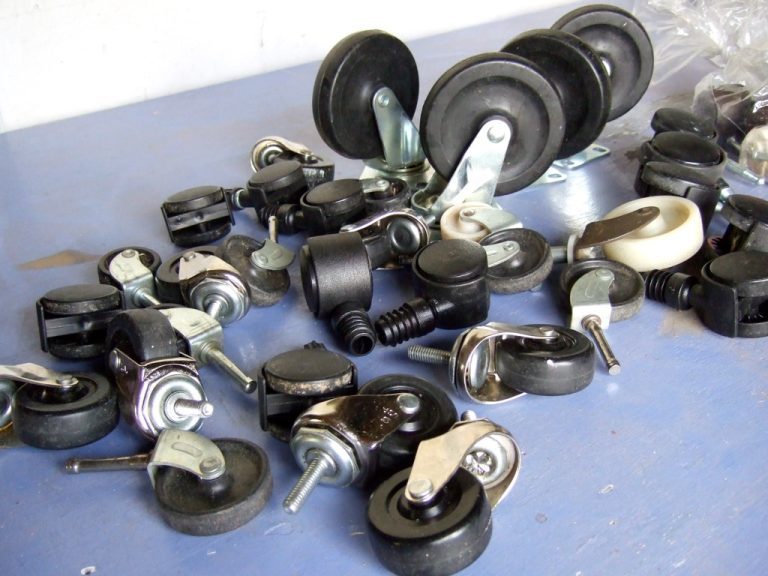
Casters are wheels that can be mounted directly to almost any piece of furniture, cabinetry, or machinery to create versatility within the space. They provide ease of mobility as well as shock absorption and protection from damage to floors and backs. Ergonomic movement of your equipment allows you to safely

Read More »

Perfect Museum Acoustic Solution from Sto

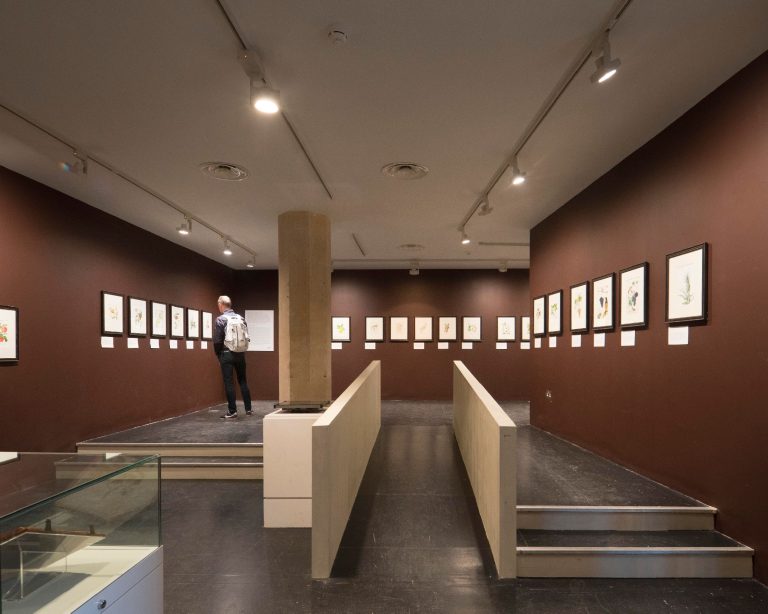
An acoustic system from Sto has been specified for a £7.5 million museum redevelopment project in London. The StoSilent Distance system has been installed in the Garden Museum, which is Britain’s only museum covering the art, history and design of gardens, located at the Church of St Mary-at-Lambeth. “We specified

Read More »

Countdown to NBG annual conference

A record number of independent merchants are set to take part in the National Buying Group’s annual conference in Liverpool next month. NBG partners, suppliers and special guests will take part in two days of networking, fundraising and celebrations in the sold-out event at Albert Docks on 12-14 November. The

Read More »

A Few Weeks Left for GAI Nominations

There are only a few weeks left for architects and specifiers to make their nominations for the internationally recognised biennial GAI/RIBA Architectural Ironmongery Specification Awards. Organised by the Guild of Architectural Ironmongers (GAI) in conjunction with the Royal Institute of British Architects (RIBA), the awards are designed to identify and

Read More »

Concrete vs steel: which building material should you choose?

When we think of concrete, we might think of its less elegant modern uses: brutalist architecture, bridges and paving slabs. Yet the material has proved itself one of mankind’s most enduring creations, surviving literally and figuratively for thousands of years. It continues to be one of the most popular choices

Read More »

BrandZ Names Dulux as the UK’s Most Innovative Brand

Dulux has been named the UK’s most innovative brand by BrandZ, the largest global brand equity platform, in its second annual review. The 2018 BrandZ list places the paint brand ahead of names such as Dyson, Brewdog, Innocent and Sky, hailing its innovation in product development, its world leading colour

Read More »

A taste for the high life: Industry urged to embrace concrete innovations in high-rise building design

With a record number of skyscrapers under construction in the UK, Aggregate Industries is reminding contractors that innovative concrete solutions such as Lytag are proving increasingly essential to achieving world-class sustainable building design for high-rise structures. According to the latest report by the Council on Tall Buildings and Urban Habitat,

Read More »
Latest Issue
Issue 335 : Dec 2025

Products & Materials : Building Trade Materials News

Fixmart Ltd Improves Customer Service with PODFather System

Fixmart Limited, the UK supplier of construction products, has implemented the PODFather System, in order to improve its customer service, productivity, visibility and client communication. With the help of the System, Fixmart’s customer service team will be able to schedule and monitor time-critical deliveries for clients to sites across London and the M25 corridor, straight from the company’s extensive warehousing facility in Kent. “Delivering products that are scheduled to arrive at a construction site are often time-critical with tight delivery windows so there are no delays to a particular phase of work. Failure to meet these can result in possible time and cost implications as well as financial penalties. The PODFather system will ensure that we deliver materials to our customers when they need them and also enable us to optimise our route planning to make the most efficient use of the fleet. It is just one of a number of recent initiatives we have undertaken to help our customers save time and money, maintain a competitive advantage and mitigate risk,” said Carl Ghinn, Managing Director of Fixmart Limited. Improved estimated times of arrival will be communicated to customers when the delivery is en-route with traffic information and delays provided in real-time. The system will also enable Fixmart to evaluate mileage, vehicle weight capacity and to create the most optimal delivery runs within the set time-window requirements of their customers. “Effective route planning should sit at the heart of any logistics team to help ensure the best chance of delivering on customer promises. Fixmart has taken PODFather to provide accurate delivery ETAs to their clients and they now know in advance if these are going to hit the required delivery time window. Electronic proof of delivery documents are sent in real-time back to the office and the customer stating the exact time of delivery, who received it, and where it was delivered,” commented Colin McCreadie, Managing Director of PODFather. Fixmart offers construction related products including fixings, containment, pipe support, brackets and ductwork.

Read More »

Lagan Is Now Breedon

Following the acquisition of Lagan Group by Breedon Group earlier this year, Lagan’s brick, tile and bagged cement products have been rebranded as Breedon. The company manufactures a comprehensive range of concrete roof tiles, clay facing bricks and bagged cement which it supplies to builders’ merchants across the UK and Ireland. This newly-branded range has enhanced the portfolio of specialist building products available through Breedon’s distributor network which also includes a variety of decorative aggregates, concrete products and its famous Welsh Slate.   James Cousins, regional director responsible for Breedon’s specialist building products, said: “It’s a very exciting time to be part of Breedon. We’ve spent the last few months getting to know our new colleagues, as well as the products and plants within the group, and the rebranding from Lagan to Breedon demonstrates our commitment to the market to move forward as a single brand, leveraging the strength of the enlarged group to offer our customers high-quality products and the highest level of customer service. “It’s early days but one thing’s for sure: we’ll be continuing to grow and invest in our business in the coming years, with a continuing focus on our customers throughout the UK and Ireland.”

Read More »

How Casters Can Improve The Mobility Of Your Workspace

Casters are wheels that can be mounted directly to almost any piece of furniture, cabinetry, or machinery to create versatility within the space. They provide ease of mobility as well as shock absorption and protection from damage to floors and backs. Ergonomic movement of your equipment allows you to safely and easily re-configure living and work spaces for maximum comfort, convenience, or efficiency. The quick roll-out makes cleaning a snap. Storage boxes or cabinets that are ready to roll may be utilized as additional space for a variety of purposes, including seating or additional work surfaces. Equipment that is not being utilized may be rolled out of the way, freeing up the space for other purposes. Finding the right caster for the job is not difficult, but there are many to choose from and getting the right one can be a key factor to optimizing that newfound versatility for your shop or home. You Get What You Pay For Sometimes it doesn’t pay to cut corners, and if you are putting your shop space on wheels, it pays to pay a little extra. The quality of the housing and axle assemblies will reflect the durability of the unit in general. The quality and type of wheel will directly affect the ease of your roll and how long the wheels will hold up under use. A failed wheel assembly can not only result in damage to the item on wheels, but to floors, walls, and potential injury to people involved. Taking the time to find the right casters for the job can save time and money later. Caster Characteristics The load rating is the amount of weight that a wheel is able to maintain on a continuous basis. Load ratings for wheel assemblies are generally listed as light (75 to 200 pounds), medium (200 to 300 pounds), heavy (300 to 500 pounds), and industrial (over 500 pounds), depending on the expected weight of the load. Wheel mechanisms may be locking or free-wheeling, fixed-, or swivel-mounted, single- or dual-wheeled. Locking mechanisms stop rolling or swiveling motion as appropriate for Single- or Double-locking casters, respectively. Wheels may be hard, impact resistant, or pneumatic for maximum shock absorption on uneven or difficult terrain. Wheel attachment designs may include a mounting plate that is screwed or bolted to the bottom of the piece or may consist of a pin or leg that is inserted into a receiver hole. Measurements including the diameter of the wheel, radius of the swivel rotation, and overall height from the base of the flange to the outer edge of the wheel should be considered when calculating spacial requirements. Colson Series 1 wheel sets are an easy way to set your environment rolling. They are available in a variety of sizes and configurations to match the needs of your free-wheeling designs. The zinc plating and raceways that are double hardened provide rugged performance and durability. Colson’s multi-temperature grease will maintain lubrication during extreme temperatures. The Performa wheels are chemical-, thermo-, and weather-resistant. They are non-marking, somewhat cushioning, and quiet on hard surfaces. Proper planning, procuring, and placement can give your life a little versatility with a whole lot of ease.

Read More »

Perfect Museum Acoustic Solution from Sto

An acoustic system from Sto has been specified for a £7.5 million museum redevelopment project in London. The StoSilent Distance system has been installed in the Garden Museum, which is Britain’s only museum covering the art, history and design of gardens, located at the Church of St Mary-at-Lambeth. “We specified the StoSilent Distance system for a number of reasons,” explained Alun Jones of Dow Jones Architects. “The building work involved the creation of a cluster of copper-clad pavilions around a cloistered garden area. These house two new educational spaces and a cafeteria, and they are connected by a number of covered walkways. These spaces feature concrete floors and floor-to-ceiling glazing, so in order to achieve an acoustic environment with a reverberation time of less than 0.8 seconds we used a Sto seamless acoustic ceiling. Having used the Sto solution on a previous project we were confident that it would be perfect for the museum, and Sto worked closely with us to create a balanced acoustic system which would satisfy all the different requirements.” The StoSilent Distance system provides a modern, clean, monolithic alternative to the standard options. It is ideal for situations where, as with the Garden Museum, these surfaces must be suspended to accommodate services, and where the ceilings were being used as negative plenums for air extraction and movement. The StoSilent Distance system utilises its own Sto SC400 metal framework, and StoSilent Distance 110 boards. The boards are manufactured from 96% recycled glass and can be integrated with lighting, grills and other M&E considerations. StoSilent boards are permeable, and have a honeycomb-like structure which allows noise and sound to dissipate through a void space and so balance the acoustic environment. StoSilent Distance is a lightweight system, and unlike exposed grid and soft tile alternatives, the boards will not sag or delaminate. It can be used to create many different design features, including seamless, inclined planes or curves, or sharp and consistent joints. The benefit to the architects and end user is that the system can also be repaired and refurbished throughout the lifetime of the building without greatly negating the value of the acoustics, wherever the system has been installed.

Read More »

Countdown to NBG annual conference

A record number of independent merchants are set to take part in the National Buying Group’s annual conference in Liverpool next month. NBG partners, suppliers and special guests will take part in two days of networking, fundraising and celebrations in the sold-out event at Albert Docks on 12-14 November. The conference marks the organisation’s 15th anniversary and this year’s theme, Building Stronger Brands, will highlight NBG’s focus on creating lasting relationships throughout the industry. Delegates will have access to an exhibition hosting 165 supplier stands, live demonstrations and the launch of new products. Also taking place will be the Annual General Meeting and Supplier Summit, where keynote speakers will take to the stage and NBG will be making announcements. The gala dinner will see the announcement of the annual NBG Supplier Award winners. Categories include everything from Brand and Account Manager of the Year to awards for each of NBG’s Category Management Teams. This year’s conference will support two great causes, with donations being split between construction industry charity The Rainy-Day Trust and Alder Hey Children’s Charity. The Rainy-Day Trust has been providing support for 175 years through financial assistance, training and counselling for those in the industry. Alder Hey Children’s Hospital care for more than 275,000 patients and their families each year. As a new initiative this year, for every £10,000 of orders placed, NBG will also add £5 to the charity pot, a donation that will be matched by suppliers attending the conference. Fundraising will kick-off with the annual charity football match where partners and suppliers will go head to head. NBG Managing Director Nick Oates said: “We are very much looking forward to welcoming all our partners, suppliers and special guests to the conference once again. It promises to be a fantastic two days, especially with the surprises we have up our sleeve. “We’re especially excited for the charity football match. Last year’s final ended in a draw, so it will be interesting to see who will take the glory this year. “Of course, the main thing is that we’re supporting two fantastic charities that are close to our hearts, so we hope everyone will give generously.”

Read More »

A Few Weeks Left for GAI Nominations

There are only a few weeks left for architects and specifiers to make their nominations for the internationally recognised biennial GAI/RIBA Architectural Ironmongery Specification Awards. Organised by the Guild of Architectural Ironmongers (GAI) in conjunction with the Royal Institute of British Architects (RIBA), the awards are designed to identify and reward excellence in the specification of architectural ironmongery. For the 2018/19 awards, projects can be nominated for a ‘Best new product: design and innovation’ category. This award has been created to showcase new ironmongery products, as well as the advancing technologies used within the door and window hardware industry. This category will celebrate products that have been created using new methods of manufacture, or that display new design concepts or originality of thought. This category is not limited to mechanical products. New innovations or technologies in access control, door automation or any field allied to architectural ironmongery could also be submitted. In addition to this new award, projects can be nominated for the following categories: residential; commercial and hospitality buildings; public health and education buildings, and international projects outside the UK and Ireland. Architects, specifiers, building contractors, clients and their architectural ironmongery advisers and suppliers across the world can nominate projects for the 2018/19 awards until Friday 16 November 2018. The projects or products must be either completed or released onto the market between 1 October 2016 and 30 September 2018 to be eligible for entry.    “The Specification Awards are unique because they reward the whole specification team. The outstanding design and high quality finishes of the projects nominated highlights the importance of the professional partnership between architects and architectural ironmongers,” said David Stacey, president of the GAI. “We hope the addition of the ‘Best new product: design and innovation’ category will reveal some really interesting products with pioneering ways of using materials to create a new solution or a new design,” he added. For each category there will be a winner, second and third place. The judges will also decide on an overall ‘winner of winners’. At the 2017/18 Specification Awards, this accolade went to Kings Gate, a residential project by architectural ironmongers izé and architect Lynch Architects. A brochure featuring the 2017/18 winning projects can be downloaded from the GAI website. There is no limit on the number of entries to the 2018/19 awards. The first entry from GAI or RIBA members is free of charge.

Read More »

Structural Timber Awards – Winners Announced – Celebrating the Simply Outstanding

Put it down to perfect timing, with the heightened interest in offsite technology, combined with the abundance of outstanding projects and product innovations it is easy to see why the 2018 Structural Timber Awards surpassed all previous events in terms of the calibre of entries and attendance. Construction professionals gathered at this prestigious award ceremony on October 10, at the National Conference Centre, Birmingham – to celebrate the great, the good and the simply outstanding. The Awards were hosted by compere Mark Durden-Smith and as anyone who has attended this event will know – his infectious humour is just one of the reasons this is a fantastic night out. With nearly 250 outstanding submissions, this year’s Structural Timber Award judges had an onerous job of selecting the winners. The big winner on the night was The Macallan Distillery project, which scooped the Winner of Winners plus two other categories. One of the judges commented: “The Macallan Distillery project and the precision installation of the engineered timber gridshell roof should be highlighted as a case study, par excellence, to the entire structural timber sector”. The head of the judging panel and Chief Executive of the Structural Timber Association, Andrew Carpenter said of the night: “The depth of expertise across all categories was impressive and the exceptional number of entries clearly demonstrates the upturn in the industry. The Structural Timber Awards is a high-point in the construction industry calendar and it is truly inspiring to see so much activity in the sector.” The full list of award winners are: Architect of the Year: Chadwick Dryer Clarke for The Stephen Perse Foundation Sports & Learning Building Client of the Year: Bloomberg LLP for Bloomberg European HQ Commercial Project of the Year: Heyne Tillett Steel & Studio RHE for The Import Building Contractor of the Year: Balfour Beatty for Abbey Wood Custom & Self-Build Project of the Year: STREIF UK for Skyfall Education Project of the Year: Eckersley O’Callaghan for Freemen’s School Engineer of the Year: Arup for The Macallan Distillery Installer of the Year: L&S Baucon GmbH for The Macallan Distillery Low Energy Project of the Year: Ruth Butler Architects for Hampshire Passivhaus Pioneer Award: Urban Splash for HoUSe Private Housing Project of the Year: Barratt Homes Yorkshire East Division for St Wilfrids Walk Development Product Innovation Award: Moduloft for Chippenham Bungalow Project of the Year: AKT II & Fosters & Partners for Bloomberg European HQ Project or Construction Manager of the Year: Barratt Homes Yorkshire East Division – Mark Greenley, Site Manager Retail & Leisure Project of the Year: METSÄ WOOD for Center Parcs, Elveden Forest Social Housing Project of the Year: CCG & Stora Enso for Ellerslie Road Development Best Use of SIPs: Innovaré Systems for Glasdir School Best Use of Solid Wood: METSÄ WOOD for Center Parcs, Elveden Forest Best Use of Timber Frame: Stewart Milne Timber Systems & Barratt Homes Yorkshire East Division for Barratt’s St Wilfrids Walk Development Winner of Winners: Arup, L&S Baucon GmbH, Robertson, Wiehag GmbH & Rogers Stirk Harbours + Partners for The Macallan Distillery There has already been a large amount of attention focused on next year’s awards, which will be returning October 2019. The Awards once again will reward excellence, celebrate expertise in timber technology and the ways it contributes to an attractive, energy efficient and sustainable built environment. For the hundreds of construction professionals who have attended the Structural Timber Awards, there is no need to explain the promotional opportunities that go hand in hand with this event. The Awards provide one of the most effective platforms to promote brands or companies alongside the best of the best. For details on sponsorship packages and promotional opportunities and to register interest to either sponsor the 2019 Structural Timber Awards or to enter your project into the awards, please contact Amy Pryce – amy.pryce@radar-communications.co.uk Please note that the Submission deadline for entries into the 2019 Structural Timber Awards is 31 May 2019.

Read More »

Concrete vs steel: which building material should you choose?

When we think of concrete, we might think of its less elegant modern uses: brutalist architecture, bridges and paving slabs. Yet the material has proved itself one of mankind’s most enduring creations, surviving literally and figuratively for thousands of years. It continues to be one of the most popular choices for modern structures, and it’s not going away anytime soon. While concrete still holds the edge in price, though, it is steadily being superseded by more modern building materials. From steel and hempcrete to entirely new composites and materials, developers now have more viable materials to choose from than ever before. Here is a rundown of the benefits and drawbacks of concrete and steel, and the many pretenders to their thrones. Benefits of concrete If a technology can go missing for over a thousand years and still be heralded as revolutionary, it’s clearly doing something right. Concrete was first devised by the Ancient Egyptians and nearly perfected by the Romans, whose finest examples of concrete masonry still stand to this day. The Romans weren’t just the first civilisation to deploy concrete structures en masse around the world, either. They also struck upon a form on concrete that healed and strengthened itself, something that’s only just entering back into modern construction in a cost-effective way. Concrete remains the most widely used building material in the world by weight, and not without reason. The benefits of concrete include: Price Concrete is still seen as the cheapest material for large builds, although this often only accounts for the price of the material, and not the process of installing it. Using concrete can save on property insurance, while its price has always remained stable compared to other materials, whose production tends to fluctuate. This said, there are increasing reports that the sand used in the most popular forms of concrete is running out, making this a more pressing issue. Safety Concrete is seen as a structurally reliable material, with a high tensile strength and natural fire resistant properties. Its weight, mass and strength allow it to resist most impacts, as well as winds of up to 200 mph. Thick concrete casing is routinely used by even the most high cost and safety conscious builds, including the new ‘Freedom Tower’ at 1 World Trade Centre. Design While unadorned and facade-free concrete can be considered an eyesore, it’s also been used in many iconic and beautiful constructions, from the Roman Pantheon to Frank Lloyd Wright’s Fallingwater, concrete can be used in a number of beautiful ways. Part of this is the ability to pour it into all different kinds of shapes, which has led to myriad creative, cascading designs. Benefits of steel Traditionally the preserve of tall buildings and large projects, steel has a reputation as being sturdy but slow when it comes to deployments. This is an increasingly dated attitude, however, and many of the traditional caveats of steel construction have been overcome with newer designs and methods. Some of the chief benefits are: Flexibility This is a literal benefit as well as a metaphorical one. Steel is much more ductile than concrete – in other words, less rigid – making it more appropriate for earthquake-prone and windy regions. It also has the highest strength-to-weight ratio of any popular building material, making it the primary choice for high rises as well as long, column-free spans. While it doesn’t offer as many opportunities for visual flourishes, it does facilitate a wide variety of flexible designs. Availability We’re running out of concrete. This isn’t scaremongering, just a fact of natural resources. Modern concrete – the kind known as Portland cement – relies on a particularly course kind of sand that’s proving to be in limited supply. Sustaining the world’s demand for concrete has led to widespread destruction of habitats, and that demand is still outstripping supply. While structural steel supplies can fluctuate, there is currently a large surplus, and the material is also recyclable. Efficiency It’s often said that the ‘two day cycle’ of concrete installation makes it the fastest means to build a structure. What this fails to account for is the many contributory factors in a quick build, and the ways in which steel can be deployed. Structural steel framing systems can now be built to spec using CAD software, reducing installation time by as much as 50%. It is also far less labour intensive than concrete, which requires an enormous amount of manpower for larger projects. Application Steel’s versatility renders it indispensable across numerous applications, spanning from residential to commercial and agricultural domains. In the residential sector, steel finds utility in various structural components like beams, columns, and frames. Its robustness ensures structural integrity, providing safety and longevity to buildings. Additionally, steel’s adaptability enables architects and designers to explore innovative construction techniques, resulting in modern and aesthetically pleasing residential structures. Within the realm of commercial establishments, steel serves as a cornerstone for constructing offices, warehouses, and retail spaces. Its inherent strength makes it applicable in vast open spaces without the need for cumbersome support columns, thus maximizing usable floor area. Moreover, steel’s ability to withstand heavy loads and adverse environmental conditions makes it ideal for commercial structures requiring durability and resilience. In agricultural settings, steel plays a crucial role in the construction of barns, storage facilities, and other farm buildings. Steel barns offer several advantages, including ease of assembly, durability, and customizable designs to accommodate various farming needs. Their resilience against harsh weather conditions and pests ensures the protection of valuable livestock, equipment, and produce, contributing to the efficiency and success of agricultural operations. Furthermore, steel’s sustainability credentials make it an environmentally conscious choice across all applications. Its high recyclability reduces carbon footprint and minimizes waste, aligning with modern sustainability goals. Additionally, steel structures can incorporate energy-efficient features, promoting sustainable construction. Alternative materials While concrete and steel continue to form the core of building design, scientists are always looking to augment these materials. New composites and designs can enhance many of the key

Read More »

BrandZ Names Dulux as the UK’s Most Innovative Brand

Dulux has been named the UK’s most innovative brand by BrandZ, the largest global brand equity platform, in its second annual review. The 2018 BrandZ list places the paint brand ahead of names such as Dyson, Brewdog, Innocent and Sky, hailing its innovation in product development, its world leading colour expertise, its approach to sustainability and its commitment to new technology. Five specific developments were highlighter, including Dulux’s expertise in the art and science of colour, as represented by its annual Colour of the Year and ColourFutures™ 2019. The second was the brand’s pioneering stance on sustainability in moving appliers, specifiers and homeowners away from solvent-based paints by providing proactive education on the benefits of water-based formulas. The third development was Dulux’s commitment to technology to support homeowners, naming the Dulux Visualizer, specifically, for allowing any room to be ‘virtually’ decorated in any Dulux colour in an instant. Fourthly was the success of the Dulux Academy – launched in March 2017 and now in numerous locations UK-wide – in continuing to upskill the trade in new techniques such as spray and urban effects. Finally, the list also praised the brand’s dedication to quality, with the production of Dulux materials in the UK coming from the world’s most advanced and sustainable paint factory in Ashington, Northumberland, which opened in 2017. At the heart of the Dulux brand is our mission to add colour to people’s lives, because we know – when used effectively – it can be absolutely transformative,” said Kathryn Ledson, marketing director of Dulux. “Today’s accolade is testament to a UK-wide team of experts who work everyday to make a meaningful difference, ensuring we are continuously raising the bar when it comes the quality of our products, our leadership in colour and our commitment to cutting-edge consumer solutions. As a result of this tireless dedication to innovate, we ensure that – as a brand – our tools, services and expertise has the power to transform spaces and improve lives,” she added. All these innovations saw the brand value of Dulux, owned by Dutch paints and coatings company AkzoNobel, rise by almost a fifth (18%) year on year in the BrandZ list, which is run by advertising giant WPP, in association with market data group Kantar. This saw it place 50th overall in the list of the UK’s most valuable brands.

Read More »

A taste for the high life: Industry urged to embrace concrete innovations in high-rise building design

With a record number of skyscrapers under construction in the UK, Aggregate Industries is reminding contractors that innovative concrete solutions such as Lytag are proving increasingly essential to achieving world-class sustainable building design for high-rise structures. According to the latest report by the Council on Tall Buildings and Urban Habitat, more high-rise towers are being built in the UK in 2018 than in the previous ten years1, with a record 510 tall towers at more than 20 storeys high, currently planned or under construction in London alone2. With this in mind, Aggregate Industries is advising the industry that using lightweight concrete solutions – often more cost effective and sustainable than standard options – has never been more crucial, particularly for meeting the complex design challenges of the UK’s most high-profile construction projects. Barry Mellor, Lytag commercial manager, comments: “The task for the modern structural engineer or contractor is not an easy one. Given the growing trend for high-rise developments across the UK, the onus is on creating cost-effective and sustainable structures which, at the same time, provide scope for greater design freedom than ever before. “As such, lightweight concrete solutions such as Lytag, a secondary aggregate up to 50% lighter than natural aggregate, can help developers to make the seemingly ‘impossible’ possible by enabling them to achieve remarkable architectural feats. Providing the same level of structural performance as standard weight aggregate used in concrete formulation, Lytag is ideal for reducing the number and size of columns in order to create bigger structures with greater spans, whilst at the same time being able to reduce the total load of their builds. Essentially, it reduces the volume of foundation needed by using less concrete and steel during the construction process.” What’s more, Lytag is made from fly ash generated by coal fired power stations. Being a secondary aggregate means it can drastically improve the green credentials of a build as seen during the construction of the £135m 70 St Mary Axe landmark development – the latest skyscraper set to transform London’s skyline. Lytag was instrumental in helping the tower recently receive an Excellent rating in BREEAM by conforming to clause WST 02 in relation to recycled aggregate. Barry adds: “Pushing boundaries is the cornerstone of pioneering design and, in turn, maintains our status as a world-leading construction company. And at the heart of this is seeking innovation in all areas, including building materials such as concrete, which as the most widely used man-made material in the world, has for far too long been viewed as an everyday, standard construction commodity. “However, since its inception 60 years ago, Lytag has had an incredible track record of helping to create the London skyline – usually on projects considered the first of their kind, which use space wisely, boast impressive aesthetics and keep sustainability at the forefront. “We’d recommend architects, developers and contractors, who haven’t done so already to continue to use Lytag’s unique capabilities to achieve the gold standard in high-end, intelligent and sustainable building design.” For more information on Lytag call 01904 727922 or visit www.lytag.com

Read More »