Trades & Services : Construct & Build News

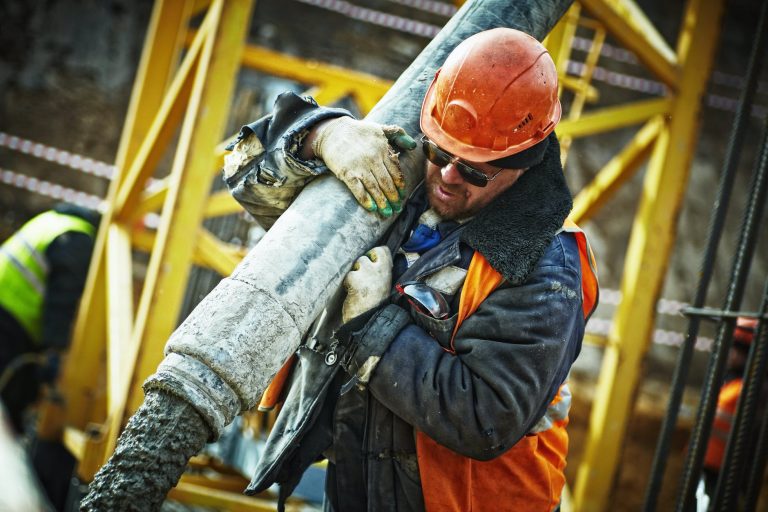
Improving Construction Site Safety: Consider These 5 Steps

The construction industry accounts for one of the highest numbers of workplace injuries and fatalities in the private sector. According to Occupational Safety and Health Administration (OSHA), about 20% of all private worker fatalities in 2019 were from the construction industry, equivalent to one in every five worker fatalities. With

Read More »

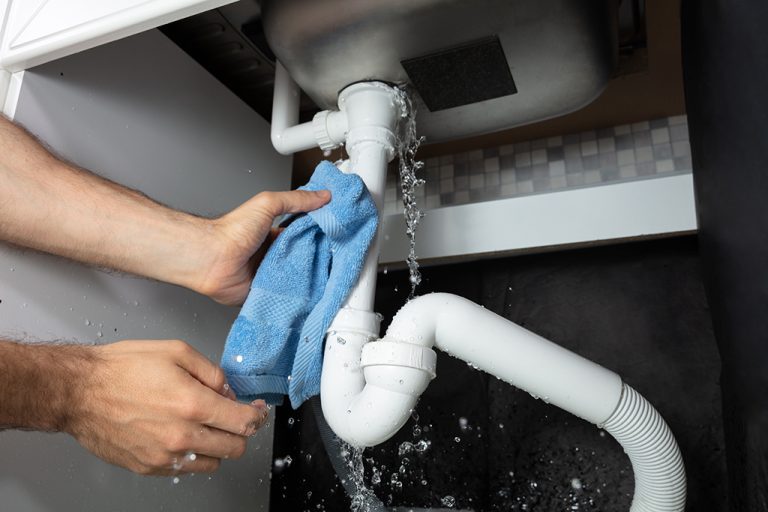
What is Considered an Emergency Plumbing Job?

It isn’t always clear when you should consider a plumbing job an emergency. When you’re up to your knees in water or it’s flowing from your ceiling, you can definitely call a plumber on the basis of an emergency. However, there could also be occasions that don’t appear to be

Read More »
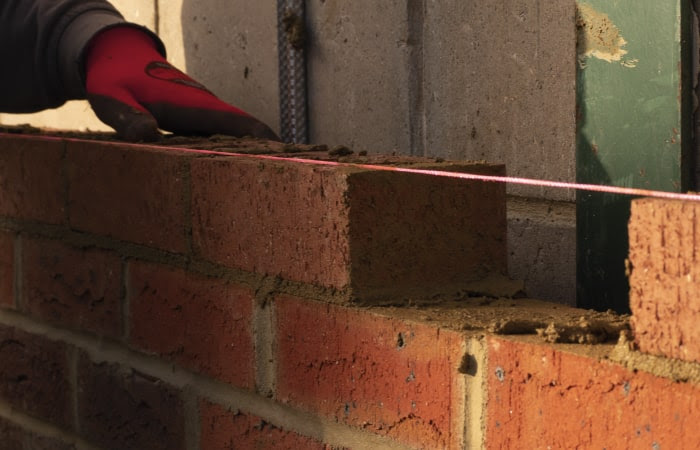
ABC Launches First Modern Masonry Programme

ABC Launches First Modern Masonry Programme

The Association of Brickwork Contractors’ ABC Assessment Centre is unique to the sector, as it’s the first training provider to offer CITB-approved accreditation in relation to ancillary bricklaying processes. The short duration courses include practical and theoretical experience in brick-slip systems, fire barriers, brick soffits, windpost installation and masonry support

Read More »
Keystone Brick Brings Detail to Old Coal Yard

Keystone Brick Brings Detail to Old Coal Yard

Keystone brick slip feature lintels have successfully balanced the traditional with the contemporary and brought an exceptional level of detailing as part of the Station Approach development, which has been designed and based on the concept of converted Victorian railway buildings. Close to the Georgian market town of Marlow, Buckinghamshire,

Read More »

Changes to GGF Group Management Structure

The Glass and Glazing Federation (GGF) Group is pleased to announce strategic changes to its management structure, to focus on improving services and further development of the GGF and its subsidiary commercial companies, FENSA, BFRC, Installsure and RISA. The following changes have been made with full approval of the GGF

Read More »

Asbestos in Construction: What you need to know

Few materials commands fear and trepidation as asbestos. Just about everyone, even if they’re not in the construction industry, understands that asbestos is a bad thing. But it wasn’t actually banned in the UK until 1999, and thus you might find it lurking in a whole range of different buildings.

Read More »

AkzoNobel adopt Alcumus SafeContractor to continuously improve Health, Safety, Environment and Security processes

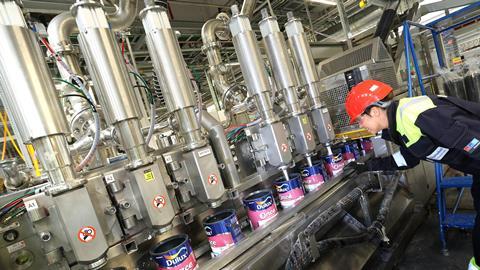
Paints and coatings expert, AkzoNobel, has partnered with Alcumus SafeContractor, to manage contractor compliance and support its Health, Safety, Environment and Security (HSE&S) ambitions to deliver zero injuries, reduce carbon emissions and move towards zero waste through operational excellence. Akzonobel is a leading paints and coatings manufacturer, its world class

Read More »
Latest Issue
Issue 339 : Apr 2026

Trades : Construct & Build News

Will Rising Summer Temperatures Disrupt Indirect Free Cooling Processes?

The popularity of indirect free cooling of data centres in the Nordics region could place facilities at risk of corrosion if conditions are not correctly controlled this summer, according to temporary solutions specialists Aggreko. According to a recent market report by Arizton, the Nordic region can facilitate up to 8,400 hours of data centre free cooling annually due to its colder climate. Though incoming ambient air is filtered before entering the controlled data centre environment, this process can result in temperature rises of two to four degrees. When combined with rising summer temperatures, data centre sites may experience higher moisture levels that could lead to condensation forming and rising water temperatures. Keeping key data centre components like electrical distribution systems dry and within a certain temperature band phase is crucial to ensuring its continued running. According to Aggreko, not taking steps to account for changing temperatures during the construction phase could lead to long-term damage that could impair functionality and void warranties. “The ability to use the climate as a resource to help free-cool facilities is one of many reasons the Nordics region appeals to organisations looking to construct data centres,” says Greger Ruud, Sector Development Manager – Nordic Datacenters at Aggreko. “However, it must be noted that like any other region, there are fluctuations in temperature depending on geography and the seasons, so conditions will occur that make free cooling more challenging. “Site managers must therefore be aware that a rise in ambient air temperature will be reflected in the data centre environment, especially with filtration processes generating added heat. As such, plans should be put in place to cool facilities and maintain controlled conditions during the upcoming warmer months.” Additional cooling solutions like chillers and dry coolers may be used to ensure controlled temperatures during warmer periods. But with this further cooling capacity only required for a short but critical time period, expensive new equipment bought for this purpose will likely be redundant for long stretches. An innovative strategic hire approach may therefore represent the best way of alleviating both financial and humidity risks. “Optimum conditions for free cooling occur in the Nordics for the majority of the time, but crucially, not all of the time,” Greger concludes. “These temporary conditions require a temporary response, so hiring data centre cooling equipment like chillers and dry chillers may appeal. “Taking this approach can help site managers to alleviate damage risks without being shackled to expensive, permanent equipment that will not require year-round use. With COVID continuing to constrain budgets in all sectors, this freedom can allow contractors to be more dynamic as pandemic-enforced social restrictions are loosened and demand rises further.” For more information on chiller and dry cooler solutions for your data centre site, visit www.aggreko.com/datacentre.

Read More »

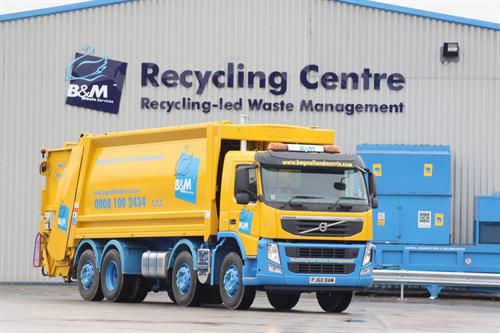
B&M Waste Services receives RoSPA Gold Medal Award 2021 for health and safety achievements.

B&M Waste Services is celebrating after landing an internationally recognised award for demonstrating high health and safety standards for five consecutive years. B&M has received a RoSPA Gold Medal (5 consecutive Golds) Health and Safety Award for working hard to ensure its staff get home safely to their families at the end of every working day. Organisations receiving a RoSPA Award are recognised as being world-leaders in health and safety practice. Every year, nearly 2,000 entrants vie to achieve the highest possible accolade in what is the UK’s longest-running H&S industry awards. B&M Services Director, Mick Ashall said: “We are thrilled to have upheld our excellent health and safety performance and to have been awarded RoSPA Gold Award for the fifth-year running is an amazing achievement. The last year has been tremendously challenging due to the COVID-19 pandemic but our team has been steadfast in its commitment to ensuring safety at work for all our colleagues.” Julia Small, RoSPA’s achievements director, said: “The RoSPA Awards scheme is the longest-running of its kind in the UK, but it receives entries from organisations across the globe, making it one of the most sought-after achievement awards for health and safety worldwide. “RoSPA is very proud of the achievements of its entrants, and with this award we recognise the best of the best, those organisations that have gone the extra mile, raising the bar for the delivery of safety in the workplace. Employees, wherever they may be, should be able to go to work safe in the knowledge that they will return home unharmed and healthy at the end of every day. Our RoSPA Award winners are central to achieving this goal. By entering they are driving up standards and setting new safety benchmarks for organisations across the world. Currently, around 7million people are directly impacted by the RoSPA Awards, but the scheme’s global influence is even wider – with nearly 2000 organisations from 46 countries represented this year. I would also particularly want to thank our main sponsor NEBOSH, the National Examination Board in Occupational Safety and Health – for their continued support for the 16th consecutive year.”

Read More »

Improving Construction Site Safety: Consider These 5 Steps

The construction industry accounts for one of the highest numbers of workplace injuries and fatalities in the private sector. According to Occupational Safety and Health Administration (OSHA), about 20% of all private worker fatalities in 2019 were from the construction industry, equivalent to one in every five worker fatalities. With such grim statistics improving construction site safety should be a priority for every employer. Risks Associated with Unsafe Construction Site Unsafe conditions and lack of training are some of the common problems that construction workers face daily. As a result, they may suffer a wide range of workplace accidents, including falling from heights, being hit by falling objects, electrocutions, being injured by construction machinery, and more. If you or someone you know has been injured at a construction site, seeking the advice of a construction accident lawyer such as Emroch & Kilduff, based in Virginia, can help you collect the benefits you deserve. Steps to Improving Your Construction Safety Workplace injuries and fatalities are usually expensive to employers in terms of compensation and loss of workforce. Employers may also be faced with higher insurance costs due to high accident prevalence. For that reason, every employer has an obligation to ensure the safety of their workers by: 1. Making Worksite Safety with Priority  In any worksite, “safety first” should be more than lip service. Prioritizing workers’ safety communicates that their wellbeing and safety is your top concern and can help instill confidence and build trust. Putting safety first can also help you cut costs by improving worker productivity since you will not have workers missing out on work due to injuries. Besides, a strong safety record can also help in keeping your insurance costs down. 2. Training Your Workers On Safety Regularly Ensuring that your workers get proper training is the easiest way to improve your company’s safety culture. On top of that, having your employees trained on safety shows that you value them, which can boost morale.  Safety training should not be a one-off event; it should be an ongoing effort at reinforcing best practices. Regular training helps workers retain what they have learned, which helps keep safety top of mind. 3. Ensuring Employees Are Equipped with Proper Protective Gear Wearing proper personal protective equipment (PPE) at the construction site could mean the difference between minor and long-term injuries or fatalities. It’s the employer’s responsibility to ensure that all their workers are equipped with the appropriate PPE relative to the nature of their work. Additionally, employers must ensure that their employees wear their appropriate protective equipment while on the worksite at all times.  4. Rewarding The Good and Correct the Bad Using incentives for good safety practices can be a great way of promoting adherence to company safety standards. Workers could be rewarded for attending safety meetings and training sessions, proper usage of their PPE, making safety improvement suggestions and reporting near misses or unsafe conditions or hazards. In addition to rewarding the good, be sure to correct workers who disregard your company’s safety standards.  5. Conducting Regular Site Inspections and Safety Meetings Job sites need to be inspected before work begins and at the end of each workday. These daily inspections ensure that no tools or dangerous debris are left lying around in the construction site and ensures that all the equipment is in good working condition. It would also be helpful to conduct brief safety meetings daily before work begins to go over the tasks ahead and the safety procedures to be observed. Holding brief meetings can also be an excellent way of ensuring that all construction workers have their proper PPE before starting work on the site. Wrapping Up Having a strong safety culture means making an intentional effort to put safety first. Even where you may believe that you have a safe work environment for your workers, there can always be room for improvement.

Read More »

What is Considered an Emergency Plumbing Job?

It isn’t always clear when you should consider a plumbing job an emergency. When you’re up to your knees in water or it’s flowing from your ceiling, you can definitely call a plumber on the basis of an emergency. However, there could also be occasions that don’t appear to be an emergency when they actually are, and you only realise when it’s too late. Here are five emergencies that require the services of a plumber. Flooding Rushing water is likely an emergency situation. Flooding can occur for various reasons. Usually, however, it’s due to an issue such as a clogged toilet or sink, or a burst pipe. The biggest issue facing you is the damage that can occur to your home while it’s flooding. If you don’t call a professional plumber, it will cause greater damage to your home, as well as the potential for a reoccurrence of the food. If you experience a flood in your home, call a plumber to both stop the flood and prevent it from happening again. Clogged Drain We use drains every day, and, as a result, they can get clogged from food scraps and grease. While a clogged drain might not seem like an emergency, it can become one if left unattended to. When water ceases to drain or if it drains really slowly, you should contact a plumber to tackle the issue before it worsens. If you drain banks up and water fills your sink, you should call a plumber as soon as possible, as it could indicate a sewage backup or another larger issue. Frozen Pipes When temperatures fall below freezing, the water inside the pipes outside your home freezes. When water turns to ice, the pipe can burst due to expansion. Frozen pipes can result in water ceasing to flow inside your home, which means you’ll be unable to flush your toilet, drink water, or take a shower. If you have frozen pipes, call a plumber rather than attempting to thaw out the pipes yourself. If you do, you risk causing additional damage to your pipes and home. So make sure to call a professional. Leaking or Bursting Pipes Among the more common reasons for a house flood is a leaking or burst pipe. No matter whether it results in a flood or not, in the event of a burst pipe, you should call an emergency plumber. Before you do that, however, turn off the water via the main shut-off valve. Doing this will lessen any water damage in your home. If flooring or drywalls are oversaturated with water, it can cause damage that can’t be reversed, so you should call a plumber as quickly as possible. Overflowing Toilet In order to resolve what could turn into a messy situation, you should call a plumber as quickly as possible. The reason for your overflowing toilet could be a simple one or it could be the result of a more significant issue. Before your plumber arrives, shut off the water on the toilet and ensure that nobody flushes it, as that would worsen the situation.

Read More »
ABC Launches First Modern Masonry Programme

ABC Launches First Modern Masonry Programme

The Association of Brickwork Contractors’ ABC Assessment Centre is unique to the sector, as it’s the first training provider to offer CITB-approved accreditation in relation to ancillary bricklaying processes. The short duration courses include practical and theoretical experience in brick-slip systems, fire barriers, brick soffits, windpost installation and masonry support angles. Delivered by experts with decades of brickwork experience who are available to carry out on-site training within a live working environment, competencies verified as part of ABC’s training programme will be added to candidates’ CSCS card, providing visible proof of their new-found expertise to current and future employers. Simon Livett, Centre Manager at the ABC Assessment Centre, said: “The training programme is our response to industry demand for more, better-skilled operatives in the brickwork sector. Over the years, manufacturers have developed many fantastic aids for bricklayers, particularly in the commercial building sector with regards to the creation of brick-slip façade cladding systems and the like. “But there’s a growing feeling that onsite, the level of workmanship has not necessarily kept pace with the evolution of new products and bricklaying techniques. Therefore, in conjunction with the ABC membership, we’ve devised a comprehensive suite of training courses delivered by experts in a range of modern brickwork installations, as well as covering a variety of core competencies such as cavity formation, wall tie installation and expansion joint provision.” The ABC Assessment Centre offers 16 short duration courses. Half-day, one-day and two-day programmes are available, with ‘background’ issues such as material storage and protection, quality assurance and the role of the bricklayer in the wider building supply chain, also covered within the training. In addition, manufacturer-led CPD training courses will offer trainees direct instruction from product designers and producers. Simon said although primarily aimed at contractors and current employees, the ABC Assessment Centre’s modern masonry training programme is being rolled out in Further Education colleges. A ‘demo wall’, which is currently in production for 25 hand-picked brickwork ‘Supercolleges’ will allow students to gain hands-on bricklaying experience within their own learning environment. The ABC Assessment Centre is already established as a provider of high-quality, on-site NVQ assessments to the construction sector.

Read More »
Keystone Brick Brings Detail to Old Coal Yard

Keystone Brick Brings Detail to Old Coal Yard

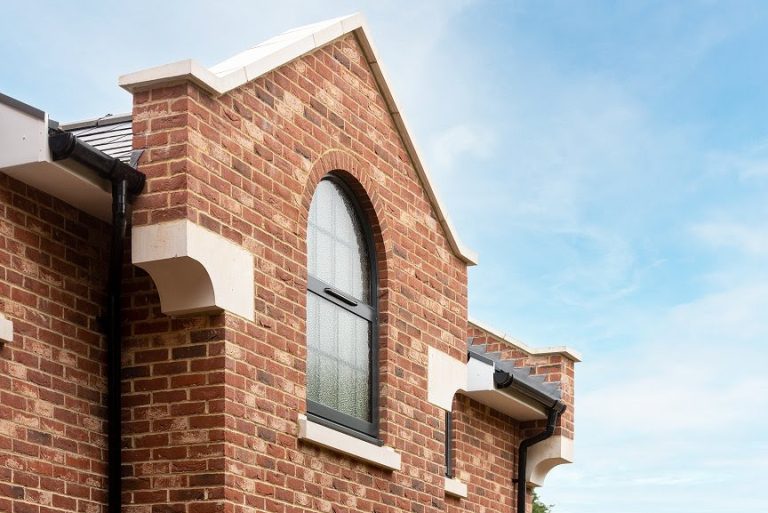
Keystone brick slip feature lintels have successfully balanced the traditional with the contemporary and brought an exceptional level of detailing as part of the Station Approach development, which has been designed and based on the concept of converted Victorian railway buildings. Close to the Georgian market town of Marlow, Buckinghamshire, and adjacent to a commuter branch line, ‘The Old Coal Yard’ Station Approach has been built by Bellwood Homes and features three Victorian-style buildings consisting of three, two-bedroom houses; eight, two-bedroom apartments and a one-bedroom apartment. In keeping with the Georgian, Edwardian and Victorian styles of architecture in Marlow, the housebuilder’s specification required brickwork which maintained the character and fabric of heritage buildings with Keystone Lintels able to meet the brief. Working with Bellwood Homes, Keystone’s technical engineer designed extra heavy-duty brick slip feature arch lintels for ground, first and second floor openings with a 1085mm span and 543mm rise. Over 40 brick slip arches were manufactured by Keystone’s production team to a high quality and consistent finish. Each Hoskins Maltings Antique brick was cut to size and bonded using a BBA-approved construction adhesive to the load bearing lintels. The patented perforated lintel design of a Keystone Brick Slip Feature Lintel allowed the adhesive to squeeze through the perforations and form a ‘mushroom’ on the inside, providing a mechanical lock between the steel lintel and the brick slips. The offsite economical solution did not require skilled bricklayers on site to replicate each traditional arch. This saved approximately labour costs of one bricklayer per arch per day and ultimately, weeks of the project build schedule. All prefabricated lintels were delivered to site and ready for final pointing in line with the phased construction plan of the three buildings being erected. The arches produced in a factory controlled environment were unaffected by torrential rain and winter-reduced daylight hours limiting productivity. This often occurs on other build schedules which leads to further delays in creating architectural features with real significance to the landscape. The offsite construction method facilitated onsite construction further by supporting bricklayers to recreate window tax designs, bricked-up window spaces seen in buildings from the Victorian period. The detail of the façade is prominent most through the repetition of window arches positioned symmetrically on elevations facing Marlow station. Keystone’s heavy-duty special segmental arches measuring a 2400mm span, with either a 600mm or 450mm rise provide a modern contemporary twist which feature above glazed bedroom windows and are in complete contrast to the smaller traditional arched windows, striking a balance between old and new architecture. “There was an initial uplift in costs for Keystone’s prefabricated brick slip feature lintels, but we did make savings elsewhere. By not creating traditional arches through bricklayers and using an offsite construction method we did not encounter weather disruption, resulting in increased productivity during winter hours, reduced labour costs and brick wastage. Each arch would normally take, on estimate, a day to complete per brick layer with a bricklayer hod carrier. We used 45 Keystone brick slip feature arches which saved weeks off the build schedule, not including rents on scaffolding,” said Matthew McGill, Site Manager at Bellwood Homes. Keystone is the largest supplier of steel lintels in the UK and Ireland and carries more stock than any of its rivals. For bespoke applications, architects, housebuilders and contractors can specify brick feature requirements by utilising Keystone’s free Brick Slip Feature Lintel design service. Keystone Brick Slip Feature lintels have once again played a significant role in an exemplary new development requiring complex brickwork detailing whilst facilitating a faster build schedule on-site.

Read More »

Groundbreaking Hire, Reclaim and Reuse Scheme to Combat Construction Waste

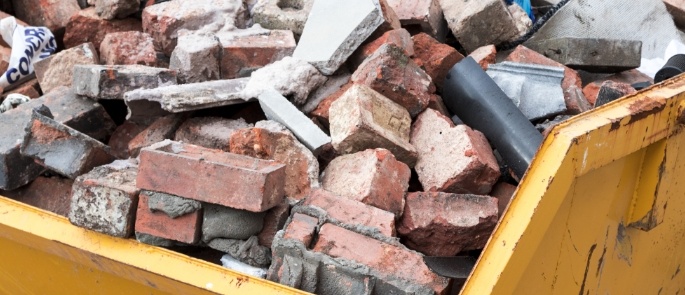
Dura Products launches new scheme to reduce waste and encourage material reuse Sustainable construction innovators, Dura Products, have today announced the launch of a new scheme to combat construction and demolition waste (CDW), of which the UK generates over 60 million tonnes per year[1]. Its groundbreaking Hire, Reclaim and Reuse initiative enables its recycled plastic kerbing and drainage solutions to be rented for a fixed length of time before being reclaimed and used again on future projects. Dura Products have been manufacturing sustainable road kerbs since 2003, and have always prioritised the green credentials of its sourcing, manufacturing and installation. However, 32% of waste sent to landfill comes from the demolition of buildings[2], and so to tackle this, the company has extended its focus to the recyclability of its solutions. This spurred Dura Products to launch its Hire, Reclaim and Reuse scheme, which allows contractors to rent and use its products for a fixed length of time before being reclaimed and used again on future projects. It aims to keep polymer waste in use for as long as possible to create a multiple recycling loop system that has a compounding positive effect on the environment. The scheme will be essential for short-term construction projects as it will provide an eco-friendly solution to the inevitable waste produced by the demolition of temporary infrastructures. Instead of discarding the materials, every Dura Product unit will be recovered and re-used. Steve Bennett, Managing Director of Dura Products, commented: ‘We’re incredibly excited to launch this first of its kind initiative! The scheme will be adopted within our environmental policy, developing over time with each and every uptake. In order to propel the construction industry towards a more sustainable future, we must be eco-conscious at every stage of development to ensure we get the maximum life out of the resources we use. The solutions we provide fit this criterion, and our new scheme, aimed at extending product life ever further, is the next logical step for us to take.’

Read More »

Changes to GGF Group Management Structure

The Glass and Glazing Federation (GGF) Group is pleased to announce strategic changes to its management structure, to focus on improving services and further development of the GGF and its subsidiary commercial companies, FENSA, BFRC, Installsure and RISA. The following changes have been made with full approval of the GGF Board and the Senior Management Team of the GGF Group. With immediate effect, GGF Managing Director John Agnew will assume overall responsibility for the operational activity of GGF (trade federation), GGF’s central internal services (HR, Finance and IT), and all subsidiary commercial companies. All GGF trade federation management, heads of central cervices & subsidiary commercial company heads will report to John Agnew in their day-to-day roles. Also with immediate effect, Anda Gregory will assume the new role of Chief Development Officer and take full responsibility for the business development activity of the GGF Group, including the trade federation, the central internal services and subsidiary commercial companies. All employees of GGF, the trade federation, central internal services and subsidiary commercial companies will report to Anda on all matters relating to the development of the business processes and systems and more importantly Anda Gregory will lead the development of the GGF Group’s products and services to all GGF Group shareholders, stakeholders and customers. Both John and Anda will continue to report to the GGF President, Tony Smith, acting on behalf of the GGF Main Board. On the new structure, GGF President Tony Smith stated, “This is an exciting time for the GGF Group of businesses, and these changes will enable us to drive the businesses forward creating excellent opportunities for our employees, customers, and shareholders.” On her new role, Anda Gregory commented, “I’m really excited by my new role as it will free up time to work on developing the business in a positive way, which is hard to do effectively around business as usual. And it’s great knowing that the commercial businesses will continue to be well looked after with John Agnew at the helm.” John Agnew concurred, “The changes that we have made in roles and responsibilities, will position the GGF Group of businesses to really focus on operational activities, whilst also developing the opportunities for business growth. This a very positive change for the whole organisation and I look forward to working with my colleagues as we embed the new structure for the benefit of all parts of the GGF Group.” Anda added, “The pandemic has given us the opportunity to reflect on what will work best for the businesses and the group as a whole. Standing still isn’t an option if we are to retain our leading positions in the glass, glazing and fenestration sectors. I’m very much looking forward to the new challenges and working on exciting initiatives for our industry.” Companies who are part of the GGF and its subsidiary commercial companies, should benefit significantly from these changes, with the new and sharper focus to take advantage of the raft of opportunities emerging as the industry recovers from unprecedented times. The new structure, will enable the GGF Group to grow quicker and improve all aspects of the business, from revenues, profits and investment, through to better processes, systems and a sustainable business that can enable a secure long term future for many in the industry. Tony Smith concluded by sharing his thoughts from a strategic perspective, “For many years, the GGF and its commercial companies have operated well but often independently. These changes will see the GGF Group make better use of its specialist skills across the organisation to improve the delivery of existing services and be more effective in the joint promotion of the GGF and its subsidiary commercial companies. I am sure all connected to the GGF Group will join me in extending our best wishes to John and Anda in their new roles.” The Glass and Glazing Federation (GGF) The Glass and Glazing Federation (GGF) is the primary trade association for companies that make, supply or fit flat glass and related products representing more than 60% of the industry’s turnover. As such the GGF is the recognised leading authority for employers and companies within the flat glass, glazing, window, home improvement, plastics and window film industries. This includes double glazing, Energy Efficient Windows, replacement windows, doors, conservatories, applied film, hardware, safety glazing, sealants, fire resistant glass, emergency glazing, decorative glass, secondary glazing, solar control and plastics. The GGF provides information for homeowners, professional specifiers and anyone seeking professional and unbiased information on any aspect of glass and glazing in the UK. GGF members supply replacement windows, doors, conservatories and Energy Efficient Windows in all framing materials including Aluminium, PVC-U, Steel and Timber. The GGF is a great promoter of energy efficient glazing and the GGF’s Carbon Calculator enables homeowners and others to see how much money and carbon can be saved by installing new Energy Efficient Windows.  Architects and Specifiers are well supported with a range of literature and professional advisors to assist with all aspects of specification and related issues. GGF Members sign up to the Federation’s Code of Good Practice and are vetted before being accepted. A free conciliation service is provided for mediation between customers and supplying member companies when required. For further information go to: http://www.ggf.org.uk or for consumer information generated by the GGF please visit www.MyGlazing.com


Read More »

Asbestos in Construction: What you need to know

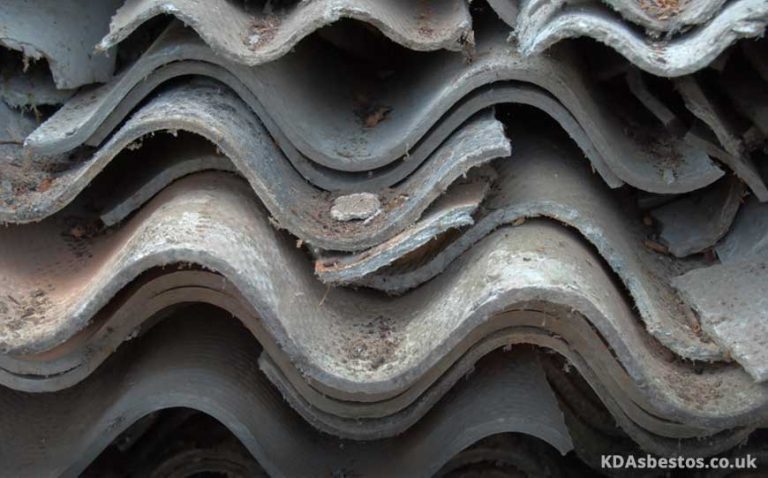
Few materials commands fear and trepidation as asbestos. Just about everyone, even if they’re not in the construction industry, understands that asbestos is a bad thing. But it wasn’t actually banned in the UK until 1999, and thus you might find it lurking in a whole range of different buildings. What is Asbestos? Asbestos is a group of six different types of naturally occurring fibres. These fibres are exceptionally resistant to heat and corrosion, which made them useful when it comes to making buildings where they are often found in insulation. Why was it banned? Unfortunately, the very same properties which make asbestos so good at creating permanent structures also make it very dangerous if it enters the human body. The body simply doesn’t have a way to break it down, which means that those inhaled fibres can cause inflammation and scarring inside the body. It is responsible for the vast majority of cases of mesothelioma, a type of cancer that wasn’t seen in the UK until asbestos entered the scene. Asbestos-related claims provide a way for effected workers to extract compensation, but they can’t reverse the damage. Is there a risk of asbestos exposure in construction? Unfortunately, the dangers of asbestos only came to light after it was rolled out into buildings across the UK. According to recent research, there are 6 million tonnes of asbestos distributed across 1.5 million public buildings. The material can be found in 94% of hospitals and 80% of public schools. In most cases, this asbestos is trapped behind walls and ceilings where it can’t inflict any damage. However, this changes when construction work is involved. If part of a building is destroyed, then those fibres might be released into the air. In some cases, this event isn’t even noticed. Moreover, many construction workers aren’t aware of exactly what to do in the event that they discover asbestos. How prepared are construction workers? According to polling from Opinium, commissioned by the Institution of Occupational Safety and Health, some 15% of workers have never been informed of the risks, and 18% of workers claimed that, if they found asbestos, they wouldn’t be sure of what to do. 15% of workers did not know about the asbestos register. This minority of uninformed workers pose a disproportionate risk, especially if they’re put in situations where they’re the only people working on a particular site. What can I do? Employers and workers have a duty to inform themselves on the dangers of asbestos, in order to limit the risk to everyone. If you’re in this position, then you can find plenty of resources available on the Health and Safety Executive’s website.

Read More »

AkzoNobel adopt Alcumus SafeContractor to continuously improve Health, Safety, Environment and Security processes

Paints and coatings expert, AkzoNobel, has partnered with Alcumus SafeContractor, to manage contractor compliance and support its Health, Safety, Environment and Security (HSE&S) ambitions to deliver zero injuries, reduce carbon emissions and move towards zero waste through operational excellence. Akzonobel is a leading paints and coatings manufacturer, its world class portfolio of brands includes Dulux, International, Sikkens and is active in more than 150 countries across 130 sites. With a strong focus on sustainability through its People Planet Paint programme, AkzoNobel has implemented a global people, process and product safety management programme, to ensure that the highest safety standards are applied to its activities and sites. In addition, its Life-Saving Rules programme embeds eight key safety rules that must be applied with zero tolerance, along with a golden rule that all employees are empowered to stop work that they recognise as being unsafe. SafeContractor is a leading provider of technology-led risk management solutions for both contractor safety management and accreditation. The online portal will help AkzoNobel to streamline its vetting and compliance checks across all sites, reduce administration time by up to 50 to 60 hours per month and source local contractors. The SafeContractor accreditation scheme will also provide AkzoNobel with valuable insight to make sure they’re working with contractors who meet their rigorous standards in health, safety and environment management. Nick Turnbull, UK HSES&S Manager at AkzoNobel, commented: “Health and safety are an integral part of how we operate. Being a manufacturing company, this is one of our core values so that we have effective and suitable controls in place for our own employees and contractors to manage health and safety risks across our value chain.” “In our role as a responsible employer, our strategic HSE&S priorities are focused on continuous improvement of standardised company-wide processes. To maintain our strong safety record, SafeContrator will help us to monitor contractor safety and provides clear insight that the contractors we work with have the correct procedures in place and that they are meeting our environmental obligations too.” Helen Jones, Chief Operating Officer, Enterprise at Alcumus, commented: “Compliance assurance is a key HSE&S priority, particularly in such a fast-changing regulatory environment like AkzoNobel operates in. SafeContractor plays a vital role in supporting our clients so they have the confidence that they’re working with prequalified accredited contractors who have the same high standards.” “We’re thrilled that AkzoNobel has joined our community and we wish them every success. More than 480 leading organisations and 35,000 contractors have selected SafeContractor to help create better workplaces, keep people safe, reduce risks and simplify processes.” About Alcumus SafeContractor For organisations that need to demonstrate compliance with increasingly stringent legislation, Alcumus SafeContractor, acts as a Supply Chain and EHSQ+ risk partner. We verify the compliance of your contractors and suppliers and make them available through an easy-to-use online portal. This provides vital insight into your supply chain, enabling you to effectively monitor, manage, and make informed decisions about who you work with.

Read More »