




- Installation is the first of its kind in the UK
- Park visitors can enjoy safer, more welcoming public spaces all year round, powered by a hybrid solar lighting solution that pairs renewable energy with a reliable grid backup
- Remote monitoring and smart sensors adjust brightness automatically for efficiency, safety, and environmental protection
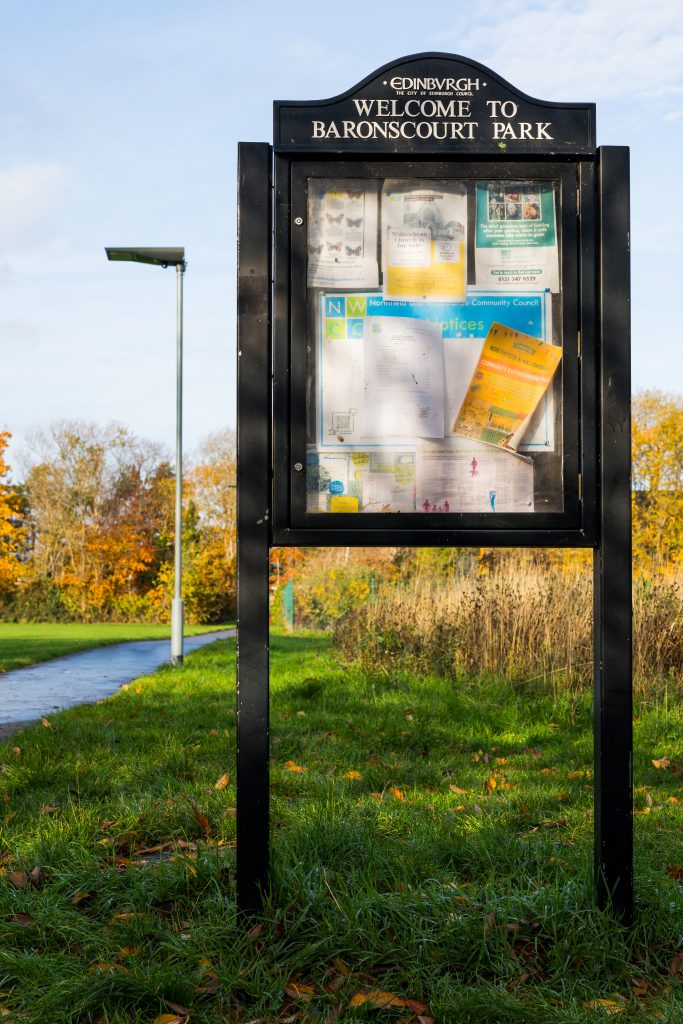

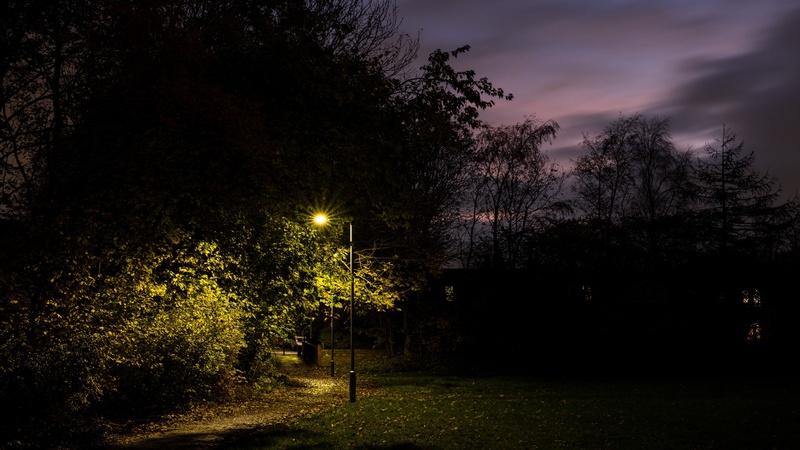

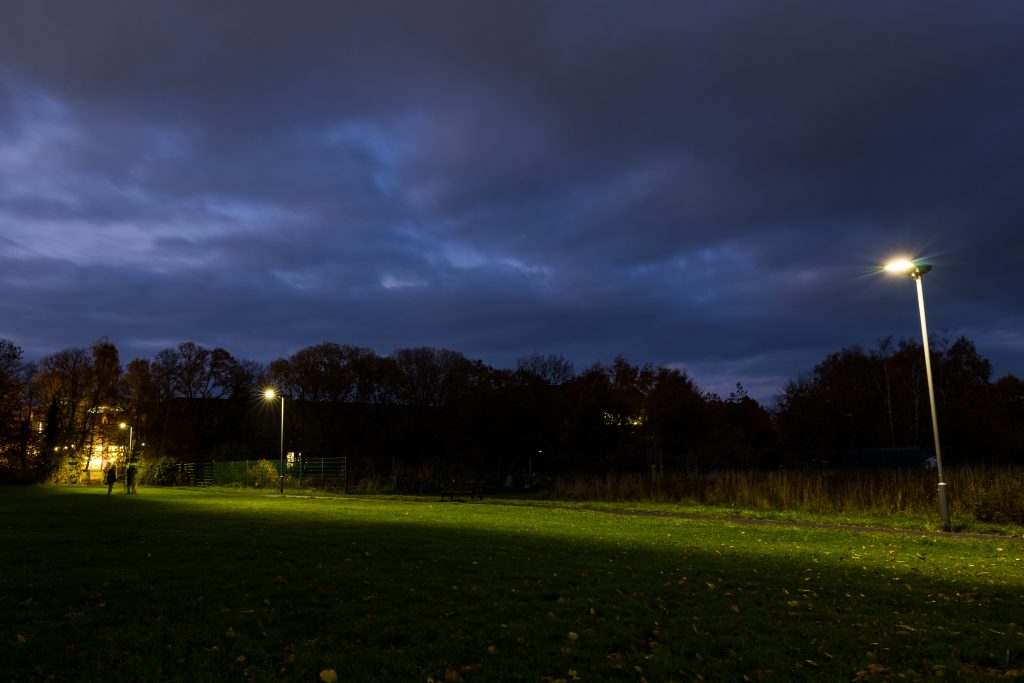
Signify (Euronext: LIGHT), the world leader in lighting, has partnered with the City of Edinburgh Council to install a hybrid solar connected lighting system in several of the city’s parks, creating safer, more welcoming spaces while advancing Edinburgh’s sustainability goals. The new technology is already lighting pathways in Baronscourt Park, Hailes Quarry Park, and Ferniehill, with an off-grid solar solution now in place in Dundas. The project includes a mix of installing lighting in parks where the installation was limited and upgrading the existing lighting where the parks were insufficiently lit.
Solar hybrid luminaires draw on solar energy when sufficient sunlight is available and switch seamlessly to grid power in low-light conditions, ensuring reliable light levels throughout the year. The lights are equipped with motion sensors that inform the system to deliver the right level of light at the right time. This intelligent solution reduces energy consumption and avoids unnecessary light output, helping to protect the area’s rich natural environment.
The illuminated pathways enhance security for pedestrians and cyclists, encouraging greater use of the park during evening hours and fostering stronger community engagement. The improved lighting supports more active lifestyles and social interaction, turning these parks into vibrant community spaces during the evening.
“Working with Signify on the Baronscourt Park project, has been transformative for our city,” said Councillor Margaret Graham, Culture and Communities Convener at the City of Edinburgh Council. “The innovative solar-powered lighting system has not only enhanced safety for park users during evening hours but also aligns perfectly with our sustainability and climate goals. By reducing grid energy consumption by 53% and minimizing ecological disruption, this project sets a new benchmark for environmentally sensitive urban development. I’m also pleased that the technology has been rolled out in three other parks, namely Ferniehill, Hailes Quarry and Dundas.
She added, “The community response has been overwhelmingly positive, and we’re proud to lead the way with a solution that balances safety, sustainability, and innovation. This collaboration demonstrates how technology and environmental responsibility can go hand in hand to benefit both people and nature. This initiative sets a new standard for sustainable and connected public lighting systems. I’m proud that Edinburgh has taken the lead here as the first UK city to implement such a scheme.”
In partnership with distribution specialist Street Lighting Supplies, the Council and Signify deployed SunStay Gen2 Hybrid solar luminaires, equipped with outdoor multisensors and connected through Interact City, Signify’s advanced lighting management platform. The system operates at 20% light levels when paths are empty and brightens automatically when people approach. This approach balances energy efficiency, safety, and cost effectiveness, and provides a safer and overall more satisfactory solution than switching lights off overnight, which some cities have done to reduce energy bills.
Through Interact City, managers can remotely monitor lighting performance, track real-time energy usage, and analyse pathway activity. Data-driven insights help city planners understand how people use the parks and guide future lighting decisions.
Beyond safety and efficiency, the system’s smart dimming and grouping functionalities limit illumination to areas needed, minimizing disturbance to wildlife in ecologically sensitive zones and protecting biodiversity in the parks.
Commenting on the project, Michelle McLaughlin, Key Account Manager, said ‘The vision for this project was rooted in environmental responsibility and community empowerment. The Council aimed to enhance safety by illuminating park pathways while minimizing reliance on grid electricity and protecting the park’s ecosystem. The solution also sought to adapt dynamically to user activity and provide actionable data for future improvements. We are proud to be a part of such a great initiative and are happy that our solutions can benefit the visitors of the parks’’
The City of Edinburgh is now building on the success of the parks project with plans to explore additional Interact City capabilities, such as integrating weather data to further optimize energy use and reduce grid dependency. Regular community feedback sessions will help ensure the system continues to meet residents’ needs while advancing Edinburgh’s progress toward net-zero.
Building, Design & Construction Magazine | The Choice of Industry Professionals