
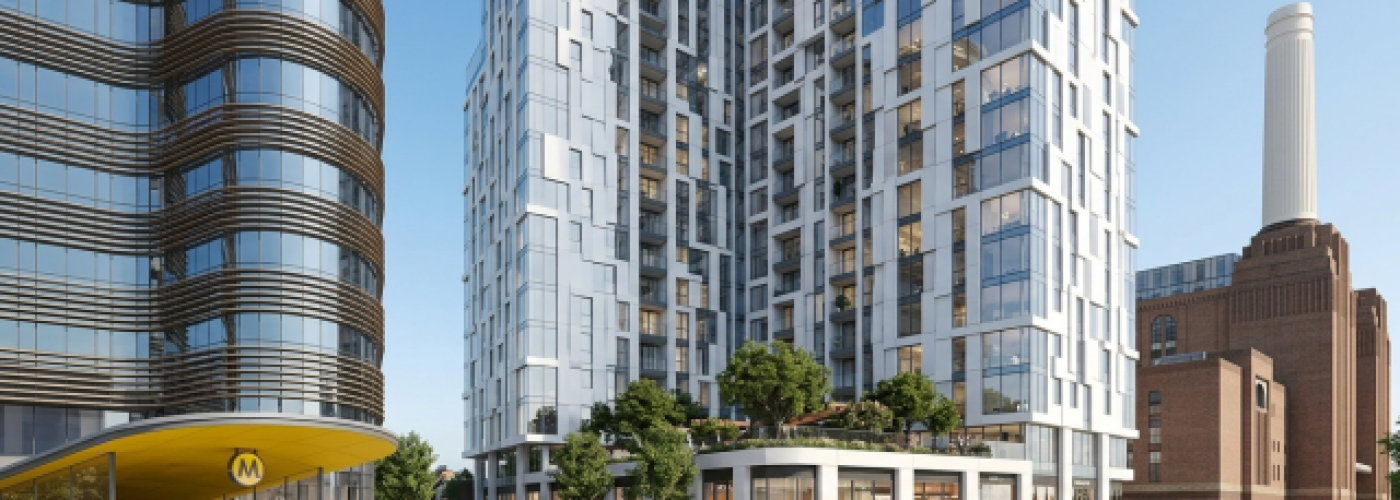


John Sisk & Son is understood to be the preferred contractor for the next phase of the Battersea Power Station development, with industry sources suggesting a deal is close to being finalised for phase 3C of the landmark scheme.
The contract, valued at between £250 million and £280 million, would see Sisk deliver the final two buildings designed by Gehry Partners, completing the architect’s distinctive contribution to the wider masterplan. While the agreement has yet to be formally signed, Sisk has reportedly emerged as frontrunner, marking a significant potential win in the London residential and mixed-use market.
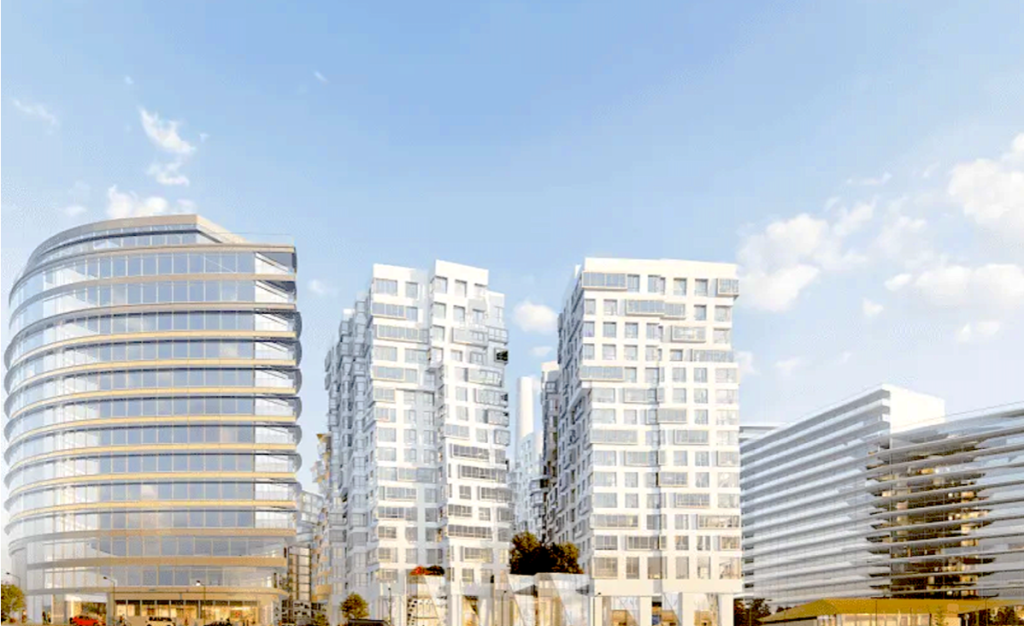
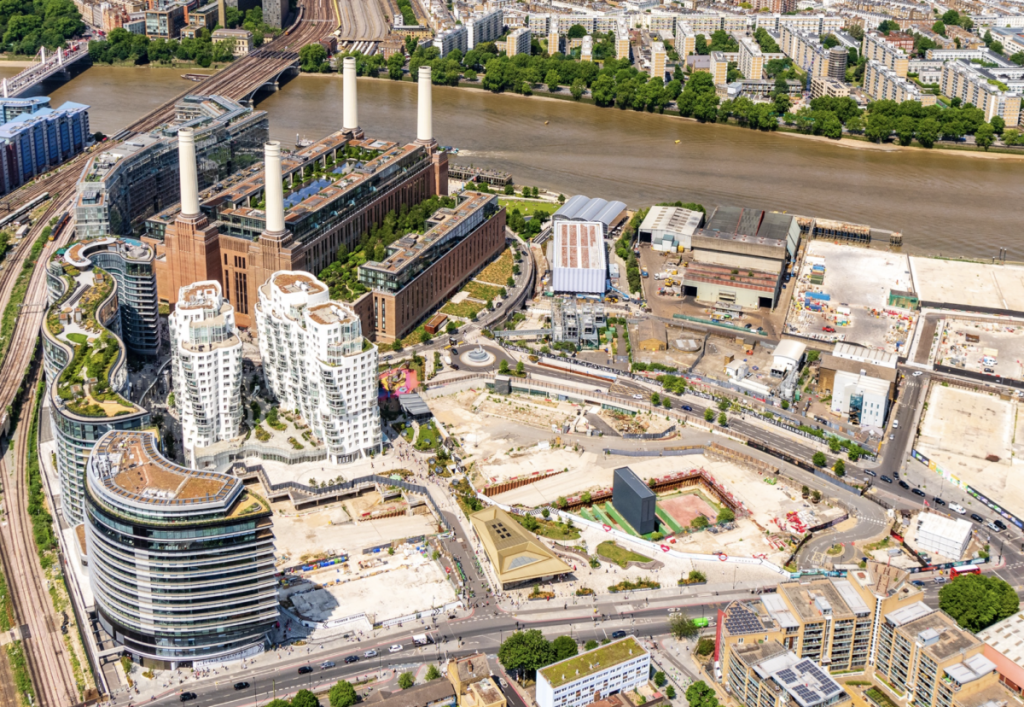
The two buildings will form the final stretch of Electric Boulevard, the pedestrianised high street at the heart of the development. Known for its sculptural, undulating façades, the Gehry-designed element has become one of the most recognisable parts of the scheme.
The proposed phase will comprise approximately 306 residential units alongside 65,000 sq ft of commercial space, including retail, café and restaurant uses. In addition, plans include a 15,000 sq ft community hub and a 600-space cycle facility, all supported by a substantial basement and podium structure. The buildings are expected to rise up to 15 storeys.
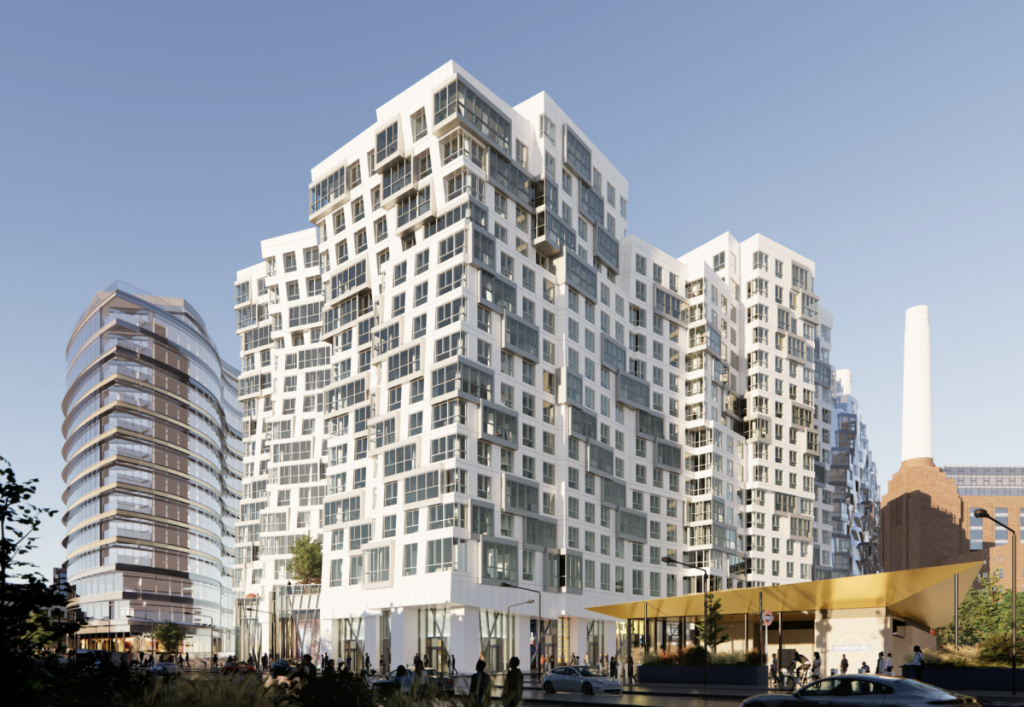
Sir Robert McAlpine previously acted as construction manager on the first Gehry-designed building, Prospect Place, within the development.
A start on site is anticipated in the coming months, signalling renewed momentum for the wider project following a more subdued period in London’s residential sector.
The scheme sits within the broader Battersea Power Station regeneration, led by a Malaysian-backed consortium, which has already delivered thousands of homes, significant office space and a vibrant retail and leisure offer. The recent appointment of James Saunders as chief executive of the development company is expected to drive forward the remaining phases of the 42-acre riverside site.
Meanwhile, Studio Egret West is revisiting the original masterplan developed by Rafael Viñoly, adapting later phases to reflect evolving market demand across residential, workspace and leisure sectors. The revised proposals are expected to unlock up to 3.2 million sq ft of additional development across the remaining site.
Since acquiring the former power station in 2012, the development consortium has invested around £5 billion into transforming the site, delivering more than 2,200 homes, 800,000 sq ft of office space, over 150 retail and leisure units, and a major extension to the Northern line, firmly establishing Battersea as one of London’s most significant regeneration projects.
Building, Design & Construction Magazine | The Choice of Industry Professionals