June 15, 2026
CPI Euromix is celebrating the world’s biggest football tournament

CPI Euromix is celebrating the world’s biggest football tournament

Stuart Russell, Head of Commercial at CPI Euromix is celebrating the world’s biggest football tournament with a reminder of CPI’s stadia project portfolio… At CPI, we have a proud history of supplying our high-quality mortar for buildings varying in stature and purpose. And as sports fans across the globe eagerly

Read More »
The HVAC Decisions Developers Should Make Early in the Design Phase

The HVAC Decisions Developers Should Make Early in the Design Phase

For residential developers, HVAC planning early in the design phase can shape construction costs, comfort, efficiency, and long-term property performance. Planning ahead helps ensure the system supports the home’s layout instead of being forced into leftover space after key design choices are already locked in. Why Early HVAC Planning Matters

Read More »
What Architects Should Know About Roller Doors

What Architects Should Know About Roller Doors

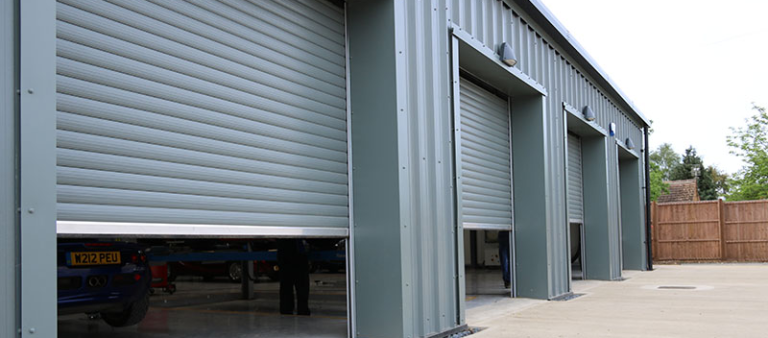
Roller doors are one of those building elements that look simple and are not. On the drawing they are a single line and a note. In reality they are a system of curtain, guides, drum, motor, and structure that has to satisfy wind loads, clearances, fire requirements, and durability standards,

Read More »
Best Fire Protection Software for Contractors in 2026: 7 Tools Compared

Best Fire Protection Software for Contractors in 2026: 7 Tools Compared

TL;DR: The best fire protection software for contractors is Onetrace, because it is built specifically for fire protection subcontractors and the compliance and workmanship evidence their work is judged on. That means photographic proof of every install and seal, signed compliance documents, and an audit trail that holds up to

Read More »
Matters In Modern Builds

Matters In Modern Builds

Walk through most new developments and the fit-out feels familiar: the same flat-pack joinery, the same mass-produced finishes, the same slightly anonymous feel. It is efficient, but something is lost. Bespoke woodwork is the quiet antidote, and it is making a comeback in serious builds. Custom makers prove the point.

Read More »
Latest Issue
Issue 341 : Jun 2026

June 15, 2026

Roofing apprentices say mentor support is key to building confidence in the trade

Roofing apprentices say mentor support is key to building confidence in the trade

Roofing apprentices are opening up about the role that mentor support plays in building their confidence, enhancing their skills, and helping them progress within the trade. The insight comes from applications submitted to the 2026 BMI UK & Ireland Apprentice of the Year competition, which this year received a record number of entries from apprentices.  Among the 68 applicants across pitched and flat roofing categories, more than two-thirds (68%) said they would first turn to a mentor, manager or experienced colleague when faced with a challenge on site, highlighting the importance of day-to-day support in helping apprentices develop both technically and professionally. “I feel very confident and comfortable asking the people I work with,” one applicant shared, emphasising the vital role mentors play in apprenticeships. “I always ask my manager or others on site for help.” Another apprentice added: “I feel lucky, my boss is always happy to show me what to do and teach me new things. I know I can always ask for help in my company.” The findings suggest that apprentices prefer learning the trade through peer-to-peer interactions, alongside formal training routes, particularly when developing confidence on-site and learning to handle real-world challenges.  When peer support is unavailable, 20% of applicants indicated they would turn to free online resources, including Instagram, YouTube, and manufacturer-led content to learn from other skilled professionals. This suggests that practical learning, whether in person or online, is still highly valued in the trade, especially given the ongoing concerns about skills shortages. “As a young person, I use YouTube to see if I can gain any knowledge there,” explained one apprentice. The findings come at a time when the roofing industry continues to face significant recruitment and retention challenges. According to the National Federation of Roofing Contractors (NFRC), the UK will need an additional 3,800 roofers by 2029. However, current training routes are projected to deliver only 1,550, resulting in a shortfall of over half.  Completion rates further compound this issue. The latest ‘Apprenticeship Gap Report’ reveals that the completion rate for roofing apprenticeships is just 28%, the lowest among construction trades, meaning nearly three in four roofing apprentices do not finish their training.  Several applicants also expressed ambitions to progress into leadership positions or eventually establish their own roofing business, reflecting the long-term career aspirations emerging across this year’s cohort. The findings suggest strong workplace support and positive site cultures could play an important role in supporting these ambitions and improving retention within the industry. Stuart Farnell, Lead Technical Trainer at BMI Academy, said: “What stands out from this year’s applications is how much apprentices value having experienced people around them who are willing to support, teach and share their knowledge on site. “Technical training is essential, but confidence, encouragement and practical guidance also play a huge role in helping apprentices develop successful long-term careers in roofing. Creating supportive environments where people feel able to ask questions and continue learning is incredibly important for the future of the industry.” The final of the Apprentice of the Year competition will be held on July 22nd and 23rd, 2026, at the BMI Academy in Gloucestershire. To find out more about the event or training courses provided by the academy, visit: https://www.bmigroup.com/uk/bmi-academy/?utm_source=PR&utm_medium=Release&utm_campaign=Insights&utm_id=insights Building, Design & Construction Magazine | The Choice of Industry Professionals

Read More »
Rocklands Youth Football Club wins Huws Gray’s inaugural Pitch in competition

Rocklands Youth Football Club wins Huws Gray’s inaugural Pitch in competition

Huws Gray, a leading national building materials supplier, providing end-to-end solutions to tradespeople and the DIY market, is pleased to unveil Rocklands Youth FC as the winner of its inaugural Pitch in competition, securing £5,000 worth of building materials to help transform the club’s facilities and create a more inclusive environment for players, volunteers and the wider community With grassroots football playing a vital role in bringing people together, improving wellbeing and creating inclusive spaces for local communities, Huws Gray launched Pitch in to support these community hubs that face growing financial pressures and struggling with outdated or inadequate facilities. Based in Norfolk, Rocklands Youth FC supports 10 teams from Under 7s through to Under 15s, including two female teams, and is run by 24 dedicated volunteers. The club plans to use the building materials donation to refurbish its clubhouse and bathroom facilities, ensuring it is inclusive and accessible for all players, volunteers, families and visitors. The improvements will help the club meet growing demand, support participation across all age groups and provide a welcoming community hub for local residents, reflecting Huws Gray’s commitment to giving back to its communities and relating to its sponsorship of the Professional Game Match Officials.  Daksh Gupta, CEO of Huws Gray, commented: “Grassroots football clubs play a vital role in bringing communities together, creating opportunities for young people and providing welcoming spaces for families and volunteers. Clubs are under increased financial pressure, leaving essential repairs unresolved. Pitch In strives to help create safe spaces for all who use a club’s facilities, supporting our local communities and providing more opportunities for young people to stay active and connect with one another. Rocklands Youth FC impressed us with its commitment to inclusivity, the impact it has on its local community and its clear vision for how these improvements will benefit players for years to come. We’re delighted to support the club through Pitch in and look forward to seeing the transformation take shape.” Rhys Verney, Chairman of Rocklands Youth FC, said: “We’re delighted to have been selected as the winner of Huws Gray’s Pitch in competition. It’s an excellent initiative that recognises the important role grassroots football clubs play in their local communities and provides practical support where it can make a real difference. Providing invaluable help to Rocklands, the building materials will help us improve our clubhouse and facilities, benefiting our players, volunteers, families and visitors, while helping us continue to grow and provide opportunities for young people in our community.” Building, Design & Construction Magazine | The Choice of Industry Professionals

Read More »
One Castlefield Plans Set to Transform Final Piece of Manchester Regeneration Puzzle

One Castlefield Plans Set to Transform Final Piece of Manchester Regeneration Puzzle

A striking new residential tower could soon reshape Manchester’s skyline after proposals were unveiled for a major city centre development that would bring nearly 600 new homes to one of the area’s last remaining vacant brownfield sites. Developer Allied London has revealed plans for One Castlefield, a landmark scheme that would deliver 593 apartments across two new buildings in the Castlefield district. The proposals form part of the wider St George’s regeneration masterplan and would complete the final undeveloped parcel within the long-established vision for the area. The development is being brought forward on behalf of investor Chatha Capital and is currently undergoing public consultation ahead of the submission of a formal planning application to Manchester City Council later this year. Designed by internationally recognised architects Denton Corker Marshall, the scheme comprises a 46-storey residential tower alongside an adjoining eight-storey building on Ellesmere Street. Together, the two structures would replace a previously approved project that failed to progress following the collapse of an earlier development proposal. The site has remained vacant since demolition works were completed after plans for a £75m residential scheme stalled several years ago. Allied London’s latest proposals aim to revitalise the location while making more efficient use of the city centre site. The revised plans significantly increase the residential offering, with the number of homes rising by more than 40% compared with the previous consented scheme. The proposed tower would accommodate 436 apartments, while the adjoining lower-rise building would provide a further 157 homes. The development would predominantly comprise one and two-bedroom apartments aimed at meeting growing demand for city centre living. However, a number of larger three and four-bedroom homes have also been incorporated into the proposals, supporting greater housing diversity within the scheme. Gary Mather, Development Director at Allied London, said One Castlefield presents an opportunity to bring a long-vacant brownfield site back into productive use while completing a key element of the wider regeneration vision for the area. If approved, the development would mark another significant milestone in Manchester’s continued growth, delivering new homes while reinforcing the city’s reputation as one of the UK’s most active urban regeneration markets. Building, Design & Construction Magazine | The Choice of Industry Professionals

Read More »
CPI Euromix is celebrating the world’s biggest football tournament

CPI Euromix is celebrating the world’s biggest football tournament

Stuart Russell, Head of Commercial at CPI Euromix is celebrating the world’s biggest football tournament with a reminder of CPI’s stadia project portfolio… At CPI, we have a proud history of supplying our high-quality mortar for buildings varying in stature and purpose. And as sports fans across the globe eagerly await the start of the tournament, we are pleased to say that our project portfolio includes high-profile UK football stadia and associated infrastructure. Football grounds matter. They are places of worship for millions of followers of the national game. In such places dreams are made, friendships are built, and families gather to enjoy a shared passion that is often handed down through the generations. Football stadia are not just bedecked in the colours of the occupant team; they are enveloped in history. The mere glimpse of a ground’s entrance or an iconic stand can be enough to stir memories of glories past – and moments not-so salubrious – in hardened fans. Foundational passion At many larger stadia, the bond between supporters and their team is literally etched into the foundations. In a dedicated area of the ground, fans can buy a brick and have it display their name or that of a loved one, as part of a commemorative wall portraying the particulars of hundreds, and sometimes, thousands of like-minded souls who want their commitment to their beloved club to be known for as long as time and the structure’s wellbeing allows. Football stadia in the higher echelons of the English game have undergone a huge transformation in the past couple of decades. No longer the crumbling concrete edifices of yore, England is now home to some of the best-equipped and most attractive grounds in Europe and the world; grounds that offer unprecedented safety and an unforgettable matchday experience for home fans and visiting supporters alike. Supporting structural evolution It’s therefore gratifying that CPI should have played a part in the structural revolution of a number of top-tier English football grounds. At Anfield, home of six-time Champions League winners Liverpool, our natural and coloured mortars were respectively used for the blockwork and external work of the club’s new main stand. With circa 8,500 seats, the facility is one of the largest all-seater single stands in Europe, increasing Anfield’s capacity to 54,000. Our natural-coloured mortar was also selected for the building of Arsenal’s Emirates Stadium. Opened in 2006, the 60,000 north London venue replaced the club’s former home, Highbury, less than a mile away. It means on matchdays, fans can take a short walk through time to arrive at their current abode. Another Premier League stadium to benefit from our pioneering products was Stamford Bridge, the west London home of Chelsea FC. We supplied brickwork contractor, Irvine-Whitlock, with silos of dry-mixed mortar for a redevelopment that included Chelsa Village, the stadium’s commercial element comprising a shop, bars, a music venue, a hotel and restaurant. Football success is largely earned on the training ground. It is also where the football stars of tomorrow are born. For the building of Manchester City’s world-class training facility, CPI supplied natural and coloured mortar, as well as specialist white lime mortar. The state-of-the-art academy is not only a schooling ground for future City professionals; the venue’s community function supports the development of elite athletes and local students. In Manchester’s ‘other half’, CPI provided the mortar for an upgrade to Manchester United’s ‘Carrington’ training ground. The £25m renovation introduced a new medical and sports science facility to the site where the likes of David Beckham and Gary Neville plied their trade during ‘the Reds’ last golden era of success. Even non-football fans will – perhaps grudgingly – understand why the sport and its storied stadia mean so much to fans whose happy space for the next month or so will be in front of the TV being sure not to miss every last kick, save, tackle and dive of this year’s World Cup. Let’s hope the beautiful game lives up to its reputation, and at least one of the two home nations taking part gives us a thrill along the way. If not, then let us take comfort in the fact that even if football doesn’t come home (again), the UK will still be home to some of the world’s best stadia, which lest we forget, contain some world-class mortar. Building, Design & Construction Magazine | The Choice of Industry Professionals

Read More »
Decoding the new Service Charge Code: what commercial property occupiers need to know

Decoding the new Service Charge Code: what commercial property occupiers need to know

Property Management expert at Naylors, Katy Clark, explains how recent changes to the RICS Service Charge Code affect commercial property occupiers. Much of the advice around the new edition of the RICS Service Charge Code is aimed at landlords but if you occupy a commercial property – what does it mean for you? The 2nd Edition of the Code recently came into force and, for occupiers, the updated guidance brings better transparency, timing and accountability. But, also, more responsibility. Occupiers can leverage the new Code to gain clearer visibility around costs, reduce disputes, and ultimately make more informed property decisions. Changes to the guidance – including more predictable budgeting, better upfront communication and fairer cost-allocation – are all welcome developments. Clearer explanations of costs Budgets are no longer expected to be just a series of numbers presented in isolation. Instead, they should be accompanied by supporting commentary that contextualises expenses and highlights any material changes. This enables occupiers to better scrutinise and reduce their reliance on retrospective queries once costs have already been incurred. The new Code states that landlord-specific costs should be excluded – such as void unit expenses, for example – which helps ensure tenants aren’t unfairly charged. New rules around funding major works There is the push for a more consistent approach to how service charges are used to fund significant repair or replacement works. These big works can have a substantial impact on both occupiers and landlords due to their cost and disruption. While both parties typically support carrying out necessary works, the way they are funded – and the effect on cash flow – is a key concern. The updated Code provides clearer best practice on funding options, including where costs are collected in advance through the service charge, as well as approaches where the landlord completes the works and then recovers the expenditure from tenants over an agreed period. More timely reconciliations Delayed reconciliations have long been a source of frustration for occupiers – often impacting financial planning and internal reporting. The new Code includes tighter expectations around the timing of year-end reconciliations which are designed to bring occupiers clarity sooner. Most institutional landlords and managing agents were already broadly aligned with best practice anyway but the Code gives those who weren’t, a push to do better. Hopefully, occupiers will see greater levels of compliance with the Code’s requirements to issue reconciliations within four months of year end. Fewer disputes The Code increasingly encourages upfront communication over reactive explanation. Early engagement between occupiers and landlords and better information sharing should ensure less disputes arise from unclear or unexpected costs. There are changes aimed at ensuring there is no ‘over-recovery’ and that there is clear treatment of reserve/sinking funds by reporting what landlords are doing, in advance.  This includes clearer supporting documentation – such as detailed cost breakdowns and clear apportionment matrices – as well as more explicit reporting on areas like reserve or sinking funds. Occupiers are no longer expected to simply accept charges; they are being given the tools to understand them. The result should be fewer disputes but the key to that is both parties being equipped to interpret and act on the information provided. More work for occupiers The new Code brings more responsibility for occupiers. This is due to the increasing volume and complexity of the information provided. Interpreting budgets, understanding reconciliations and assessing whether costs are ‘fair and reasonable’ all requires time, expertise, and often specialist knowledge. This is particularly true for national or multi-site occupiers, where inconsistencies between assets can quickly accumulate into significant cost inefficiencies. As the landscape becomes more complex, occupiers increasingly need property management professionals for support. Independent service charge reviews and audits are becoming more common, helping occupiers validate costs, identify discrepancies and ensure compliance with both lease terms and the Code. Lease advisory is another key area for occupiers, especially in assessing recoverability and identifying areas of risk – whether that’s linked to ESG expenditure, reserve funds or ambiguous lease wording. For occupiers with larger portfolios, strategic advice can unlock even greater value. By analysing service charge data across multiple sites, it becomes possible to identify inconsistencies, benchmark performance and uncover opportunities for cost savings. In summary The evolution of the Service Charge Code shouldn’t be viewed purely through a compliance lens. For occupiers, it is a chance to take greater control of property costs and engage more constructively with landlords and managing agents. However, doing so effectively requires more than passive receipt of information. It needs active interpretation, informed challenge and in many cases, professional support. In a market where margins are under pressure and operational efficiency is paramount, service charge transparency is not just an administrative improvement, it’s a strategic advantage. Those occupiers who embrace this shift and equip themselves with the right expertise, will be best placed to save both time and money in the years ahead. Find out more at www.naylors.co.uk Building, Design & Construction Magazine | The Choice of Industry Professionals

Read More »
The HVAC Decisions Developers Should Make Early in the Design Phase

The HVAC Decisions Developers Should Make Early in the Design Phase

For residential developers, HVAC planning early in the design phase can shape construction costs, comfort, efficiency, and long-term property performance. Planning ahead helps ensure the system supports the home’s layout instead of being forced into leftover space after key design choices are already locked in. Why Early HVAC Planning Matters HVAC planning should begin early because the mechanical system is not something that can be cleanly “fit in” after the building layout is already decided. Many of the most important HVAC decisions are actually architectural decisions in disguise. Heating, cooling, ventilation, ductwork, equipment placement, chases, soffits, ceiling heights, insulation levels, window placement, room orientation, mechanical closets, rooflines, and floor plans all affect one another. When HVAC is considered during schematic design, developers can make smarter decisions about building layout, mechanical space, duct routes, zoning, and system type before those choices become expensive to change. By the time framing, ceiling heights, window placement, mechanical closets, rooflines, and floor plans are locked in, the HVAC contractor may no longer be designing the best system. They may simply be trying to make a system fit inside the constraints they have been given. Early planning also helps prevent the common problem of forcing HVAC equipment into leftover spaces, which often leads to longer duct runs, reduced airflow, noisy operation, uneven temperatures, harder service access, lower efficiency, and avoidable construction conflicts. For residential developers, this is not just a technical issue. It is a margin, schedule, and buyer-satisfaction issue. Late HVAC planning can create hidden costs through redesigns, soffits, framing changes, trade conflicts, rushed substitutions, and callbacks after occupancy. Starting early gives the project team a chance to design the home as a complete system rather than treating HVAC as an afterthought. It allows developers to protect livable square footage, preserve clean architectural lines, coordinate mechanical spaces before they become compromises, and make system decisions based on performance rather than jobsite convenience. The result is usually better comfort, better energy performance, cleaner coordination between trades, and fewer costly field changes during construction. The earlier HVAC is included, the less likely the project is to pay for the same decision twice: once during construction and again through warranty calls, homeowner complaints, or inefficient long-term operation. Key HVAC Design Considerations For Developers Before finalizing the layout, developers should think about how the home will actually heat, cool, ventilate, and distribute air in daily use. These HVAC design considerations include equipment location, technician access, duct pathways, refrigerant line routes, return air placement, room-by-room load requirements, ceiling heights, insulation strategy, window size and orientation, fresh air needs, and whether the home should use one zone or multiple zones. One of the biggest mistakes is designing the floor plan first and then asking the HVAC contractor to work around it. A better approach is to identify mechanical needs while the layout is still flexible and ask whether the floor plan will allow the HVAC system to perform well without expensive compromises. For example, a small adjustment to a closet, hallway, attic access point, or ceiling cavity may make the difference between a clean, efficient duct layout and one that requires awkward soffits, long, restrictive duct runs, equipment in hot attics or cramped closets, or visible soffits in rooms where buyers expect clean ceilings. Developers should also consider which parts of the home will be difficult to condition. Corner bedrooms, rooms over garages, large open living areas, upper floors, west-facing glass, vaulted ceilings, and spaces far from the air handler often need special attention. These HVAC design considerations are often tied to the areas most likely to become comfort complaints later. Developers should also consider buyer expectations. Modern homeowners care about quiet operation, consistent temperatures, healthy indoor air, energy costs, and smart controls. Those outcomes depend heavily on early design decisions, not just the brand of equipment installed later. The best HVAC planning does not ask the building to serve the mechanical system. It asks whether small design adjustments made early can prevent large mechanical compromises later. How HVAC System Design Affects Performance Early HVAC system design has a direct impact on how the property feels and performs for years after construction. A properly planned system can deliver more even temperatures, better humidity control, quieter operation, lower utility bills, and fewer comfort complaints from residents. When HVAC design begins early, the system can be sized based on actual building characteristics rather than rough assumptions. This matters because oversized systems may short-cycle, struggle with humidity, waste energy, increase noise, create uneven temperatures, and wear out faster. Undersized systems may run constantly and still fail to keep the home comfortable during peak heating or cooling conditions. Bigger equipment is not a cure for poor planning, and in many homes, it can make comfort worse. Early design also improves airflow. Shorter, better-routed duct runs, properly placed returns, balanced supply registers, adequate ventilation, and predictable access all help the equipment operate closer to its intended performance. A home can have a high-efficiency HVAC unit and still perform poorly if the ductwork is restrictive, the system is oversized, returns are undersized, the thermostat is poorly located, or certain rooms have loads the design never addressed. For developers, the long-term value of early HVAC system design is predictability. Predictable comfort means fewer complaints from buyers or tenants. Predictable airflow means fewer service calls. Predictable access means easier maintenance. Predictable energy performance means the property is more likely to meet buyer expectations and efficiency targets. In other words, the best HVAC system is not just selected; it is designed into the home from the beginning. A system that is carefully designed around the building can often deliver better comfort with less waste than a larger system forced into a poor layout. HVAC Planning For Heating And Cooling Choices Developers should choose a heating and cooling system based on the building’s design, climate, energy goals, budget, available space, maintenance expectations, target buyer profile, and the business model of the project. The right system for a compact townhome may


Read More »
What Architects Should Know About Roller Doors

What Architects Should Know About Roller Doors

Roller doors are one of those building elements that look simple and are not. On the drawing they are a single line and a note. In reality they are a system of curtain, guides, drum, motor, and structure that has to satisfy wind loads, clearances, fire requirements, and durability standards, all while doing what the design intends. When a roller door is specified late or loosely, the result is the familiar one: a clash on site, a redesign, or a door that underperforms for the life of the building. This is a practical brief for architects and designers who want to specify roller doors well from the start. It covers the standards that govern them, the dimensional realities that shape the design, and the decisions that are far cheaper to make on paper than on site. Getting these right early protects the design intent and keeps the project moving. Specify Early, Not Late The single most useful principle is to bring the door into the design early. Roller doors impose real requirements on the surrounding structure, headroom above the opening, side room beside it, fixing points, lintel capacity, and power supply. When those are accommodated from the outset, the door disappears into the design as intended. When they are discovered late, something has to give, and it is usually the architecture. Engage a door specialist during design development rather than at construction. A good supplier will provide shop drawings, structural loads, and clearance requirements that you can coordinate with the engineer and builder before anything is locked in. This single habit prevents the majority of roller door problems on site, which almost always trace back to assumptions made without the real numbers. The Standards That Govern Roller Doors Roller doors in Australia sit within a framework of standards, and a working knowledge of them protects both the design and the certifier sign-off. The key references shape wind performance, safety, and operation. Wind Loading Wind is the dominant structural consideration. Doors must be rated to withstand the wind pressures for their location and exposure, derived from the wind actions standard, AS/NZS 1170.2, and the relevant region classification. A large door on an exposed elevation experiences significant pressure, and a curtain or fixing not rated for it can bow, fail, or blow out of its guides. Specify the wind classification with the supplier and confirm the door is engineered and, where appropriate, tested to meet it. In cyclonic regions of Australia this is critical, but even temperate sites like Perth see strong fronts that test wide openings. Safety and Operation Automated doors carry safety obligations. Powered doors should incorporate appropriate safety features such as obstruction detection, and the controls and operation should align with the applicable Australian Standards for powered doors and gates. For any door the public can access, or where children are present, these safety provisions are not optional extras but core requirements that belong in the specification. Fire and Other Ratings Where a door penetrates a fire-rated element or forms part of a required separation, a fire-rated roller shutter may be needed, tested to the relevant fire standard and certified accordingly. Flag these openings early, because fire-rated doors have specific construction, clearance, and control requirements that differ from standard doors and must be coordinated with the building’s fire strategy. The Dimensions That Make or Break the Detail Roller doors are unforgiving about space, and the dimensions are where designs most often come unstuck. Three measurements deserve particular attention. First, headroom. The curtain coils onto a drum above the opening, and that drum needs vertical space. A roller door is actually one of the more headroom-efficient options, but it still requires a defined allowance above the lintel that you must reserve in the design. Specify it with the supplier rather than guessing, as it varies with door size and motor type. Second, side room. The guides that the curtain runs in occupy space on each side of the opening, and the motor needs a side mounting position on many configurations. Crowding a roller door against a return wall or an adjacent opening is a common and avoidable clash. Confirm the guide and motor allowances before fixing the opening location. Third, the structure itself. The drum, curtain, and operating forces impose loads on the lintel and jambs, and the fixings need something solid to anchor to. Coordinate the structural support and fixing substrate with the engineer so the door has adequate capacity to bolt to. A door is only as reliable as what holds it up. Insulation, Acoustics, and Sealing Standard single-skin roller doors offer minimal thermal or acoustic performance, which is fine for a warehouse but a problem for conditioned or occupied spaces. Where the brief calls for thermal comfort or noise control, consider insulated door options and pay attention to perimeter sealing. The gaps around a poorly sealed door undermine the building envelope and let in dust, draught, and water. For projects chasing energy performance or comfort, treat the door as part of the envelope rather than a hole in it. Specify seals, consider insulated curtains or alternative door types where performance demands it, and coordinate the door with the surrounding weatherproofing details. An uninsulated, unsealed door can quietly defeat a great deal of careful envelope design elsewhere. Durability and the Australian Environment Material specification determines how a door ages, and the Australian environment is demanding. Corrosion is the leading concern, particularly within a few kilometres of the coast, where airborne salt attacks unprotected steel and hardware. From Perth’s coastal corridor to any seaside site, specify quality Colorbond or appropriately coated steel and corrosion-resistant fixings rated for the exposure category. UV exposure is the other factor. Australian sun degrades poor finishes quickly, so specify finishes warranted for the conditions. Getting the durability specification right is not just about longevity, it is about the building continuing to present and perform as designed years after handover, without premature replacement disrupting an occupied facility. From the Project Files: A Clash Caught

Read More »
Best Fire Protection Software for Contractors in 2026: 7 Tools Compared

Best Fire Protection Software for Contractors in 2026: 7 Tools Compared

TL;DR: The best fire protection software for contractors is Onetrace, because it is built specifically for fire protection subcontractors and the compliance and workmanship evidence their work is judged on. That means photographic proof of every install and seal, signed compliance documents, and an audit trail that holds up to scrutiny. For active fire inspection and maintenance, Uptick is a strong alternative; Bolster Systems and Boris Software are also established UK passive fire options. Most fire protection software was built for general construction or field service and adapted afterwards. That leaves a gap the moment a contractor has to prove an install was done correctly, hand a clean audit trail to a main contractor, and keep a site team moving at the same time. Passive fire work is judged on evidence: photographs of every seal and penetration tied to the right location, signed compliance documents, and a record that holds up months later when building control or a main contractor asks who did what, where, and when. A general job-management tool can schedule the work and invoice it, but it rarely captures that evidence trail in a way that survives scrutiny, so teams end up stitching it together from camera rolls, spreadsheets, and paper after the fact. The platforms that serve this trade well treat the evidence as the product, not an afterthought. Below we compare seven on how well they actually serve fire protection contractors, not just how they document inspections. What to look for in fire protection software Fire protection contractors have needs that generic field service tools were never designed around. A passive fire installer proving compliance on a high-rise has a different job than a team logging extinguisher checks. Here is what separates software built for the trade from a repurposed contractor app: 1. Onetrace Best for: Fire protection and specialist trade subcontractors who need to prove compliance and workmanship across multiple sites Built specifically for subcontractors, Onetrace is designed around the operational realities of specialist trades where proving compliance and workmanship matters. It brings job tracking, digital forms, surveys, installs, timesheets, scheduling, and reporting into one system, with a mobile app for site teams and a back-office view for contracts managers and operations leads. Onetrace runs on both iOS and Android, which matters for mixed site teams, and is ISO 27001 certified and GDPR compliant, so the data and audit trail hold up to scrutiny. Where most tools in this category document inspections, Onetrace is built around the evidence trail a fire protection contractor lives or dies by: photographic proof of each install or fire stopping seal, marked up against pinned locations on a drawing, captured on the mobile app and tied straight to the job sheet. Approvals and client access give main contractors real-time visibility of project status, and branded reports export in a single click. RAMS and Toolbox Talks are signed in-app with a full signature trail, so compliance is automated rather than chased. Onetrace is trusted by more than 1,000 subcontractors and holds a 5.0 rating on Google Reviews, with named passive fire protection firms among its customers, including Optimal Fire, Fireseal, Cotswold Fire, and Greenville Fire Protection. CLM Fireproofing, a UK-based passive fire protection company, cut admin and reporting time by 50% after moving to the platform across hundreds of operatives. As CLM project manager Michael O’Neill describes it, when building control asks for proof of work, he can open his phone, pull up a drawing, and see everything his team has done on that floor in the palm of his hand. For a fire protection contractor who needs the compliance and workmanship side handled properly, it is the most directly built-for-purpose option on this list. Strengths: Purpose-built for subcontractors; workmanship evidence and audit trail at the core; signed RAMS and Toolbox Talks in-app; iOS and Android apps; client access and one-click branded reports; ISO 27001 certified; 1,000+ subcontractors and a 5.0 Google rating. Considerations: Focused on specialist trade and compliance work rather than being a general multi-trade job-costing and estimating suite, so contractors who want heavy commercial estimating across many trades may use it alongside other tools. UK-focused, though the platform itself is not region-locked. 2. Bolster Systems Best for: Passive fire protection contractors wanting an established UK fire-stopping-focused platform Bolster Systems launched in 2014 with an initial focus on fire stopping before expanding across other fire protection trades. It is one of the longer-standing names aimed specifically at the UK passive fire protection market, covering inspection and installation records for specialist firms. Its trade focus makes it a familiar option for fire stopping contractors, and it covers the core ground of recording and reporting compliance work. Contractors evaluating it tend to weigh its established track record against the breadth and pace of newer platforms. Strengths: Long-standing UK passive fire protection focus; established among fire stopping contractors; covers core compliance recording and reporting. Considerations: Narrower trade scope than broader subcontractor platforms; contractors often compare its feature pace against newer entrants. 3. Boris Software Best for: Fire protection firms looking at the longest-established player in the space Boris Software was the first software built for this space, launching back in 2012. It has a long history with passive fire protection contractors in the UK and covers inspection, audit, and reporting workflows for fire protection work. As the earliest entrant, it has a deep install base among established firms. Contractors comparing it to more recent platforms typically look at how the interface and mobile experience hold up against tools designed more recently around how site teams work today. Strengths: First mover in the space with the longest track record; deep install base among established UK fire protection firms; covers inspection, audit, and reporting. Considerations: As the earliest platform, its interface and mobile experience are often compared against more recently designed tools. 4. Uptick Best for: Active fire inspection and maintenance teams managing recurring compliance Uptick is an Australian-born platform that has expanded into the UK, US, and Canada, with a strong

Read More »
Matters In Modern Builds

Matters In Modern Builds

Walk through most new developments and the fit-out feels familiar: the same flat-pack joinery, the same mass-produced finishes, the same slightly anonymous feel. It is efficient, but something is lost. Bespoke woodwork is the quiet antidote, and it is making a comeback in serious builds. Custom makers prove the point. Workshops like Parkman Woodworks, a Los Angeles studio crafting custom wood and steel furniture, show how much character handmade joinery brings to a space. This piece looks at why bespoke woodwork endures, even in an age built around speed. Why Does Bespoke Woodwork Still Matter? Because it solves problems mass production cannot. A standard unit is made to fit an average room. A bespoke piece is made to fit your room, your dimensions, and your use, with no awkward gaps or compromises. It also lasts. Where flat-pack furniture is often built to a price and a short life, quality custom joinery is built to endure, frequently outliving the building’s first fit-out by decades. That longevity is increasingly valued as the industry rethinks throwaway interiors. There is a character dimension too. Handmade timber carries grain, warmth, and individuality that a laminated panel simply cannot fake. In a market chasing distinctiveness, that craft is a genuine differentiator for developers and homeowners alike. And it aligns with where building is heading. As the sector debates what it means to be built to last, bespoke woodwork answers with pieces designed to be repaired, not replaced. Craft and sustainability turn out to be close allies. What Sets Custom Furniture Apart? A series of qualities that standardised production trades away for scale. The differences are clear once you know what to look for. The main ones are: Each of these adds up to a piece that performs and ages better. The contrast with mass production is stark: one optimises for cost and speed, the other for fit and longevity. Sourcing matters too. The best makers use responsibly harvested timber, and some, like the studios working with locally fallen trees, turn sustainability into part of the story. The material itself carries provenance. How Does Quality Woodwork Fit Modern Buildings? More naturally than you might expect, even in contemporary schemes. Bespoke joinery is not about period pastiche; it is about doing the built-in elements properly. A few facts frame its place: Those last figures matter on site. Working timber safely is a regulated trade, and official guidance on woodworking safety sets out how dust and machinery must be managed, which reputable makers take seriously. Compliance reaches the finished build as well. Fitted timber elements must meet the relevant building regulations, from fire performance to structural fixings, so quality woodwork is engineered, not just attractive. Good makers design with those standards in mind from the first sketch. What Should You Look for In a Maker? Evidence of craft, materials, and reliability, not just a portfolio of nice photos. The table below frames the checks. Factor Why It Matters Material honesty Solid timber and steel outlast veneered board Joinery quality Proper joints define how long a piece lasts Sustainable sourcing Responsible timber adds value and provenance Custom capability True bespoke fits your exact space and brief Track record Past work shows consistency and reliability Alt text: A handcrafted wood and steel table in a modern interior Any maker should be able to evidence each of these readily. Vague answers on materials or sourcing are a warning sign, while a confident, specific response signals genuine craft. The payoff is a fit-out with soul. Whether it is a conference table, built-in shelving, or a statement staircase, bespoke woodwork brings a character that off-the-shelf joinery rarely matches. Studios like the Los Angeles makers at Parkman Woodworks show what that looks like. It is craft worth specifying. The Case for Craft Building With Pieces That Last In a construction culture optimised for speed, bespoke woodwork is a deliberate choice for quality. It costs more up front than flat-pack, but it fits better, lasts longer, and gives a space a character that mass production cannot buy. For developers and homeowners weighing the long view, well-made custom joinery is not an indulgence. It is an investment in a building that will still feel considered decades from now. Frequently Asked Questions Is Bespoke Furniture Worth the Cost? For most quality-focused projects, yes. Bespoke furniture fits a space exactly, uses better materials, and lasts far longer than mass-produced alternatives, often outliving several rounds of flat-pack. When you factor in durability and the ability to repair rather than replace, the higher upfront cost frequently works out as good value. How Long Does Solid Wood Furniture Last? Well-made solid timber furniture can last fifty years or more, and often much longer with basic care. Because it can be sanded, repaired, and refinished, a quality piece is rarely thrown away. That longevity is one of the strongest arguments for choosing bespoke joinery over cheaper, disposable options. What Should I Ask a Custom Furniture Maker? Ask about materials, joinery methods, timber sourcing, and past projects. A reputable maker will happily explain whether they use solid wood or veneered board, what joints they use, and where their timber comes from. Clear, specific answers signal genuine craft, while vague responses are a reason for caution. Does Bespoke Woodwork Suit Modern Buildings? Very much so. Custom joinery is not limited to traditional styles; it adapts to contemporary design while bringing warmth and longevity. Built-in storage, statement furniture, and timber detailing all work in modern schemes, and because they are made to measure, they fit clean, minimal interiors particularly well.

Read More »