July 1, 2026
From Industrial Heritage to Sustainable Living: Historic Huddersfield Mill Site Transformed into New Homes

From Industrial Heritage to Sustainable Living: Historic Huddersfield Mill Site Transformed into New Homes

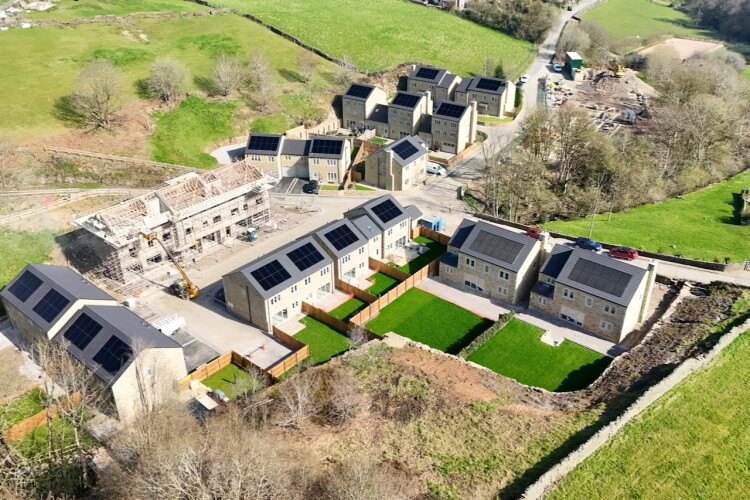
A former 19th-century dyeworks near Huddersfield has been successfully transformed into a sustainable residential development following the completion of complex engineering works led by Dudleys Consulting Engineers. The Royd Edge Mills development delivers 30 new homes, ranging from two-bedroom apartments to five-bedroom detached properties, while breathing new life into a

Read More »
DW Windsor helps to preserve Victoria Embankment’s lighting heritage 

DW Windsor helps to preserve Victoria Embankment’s lighting heritage 

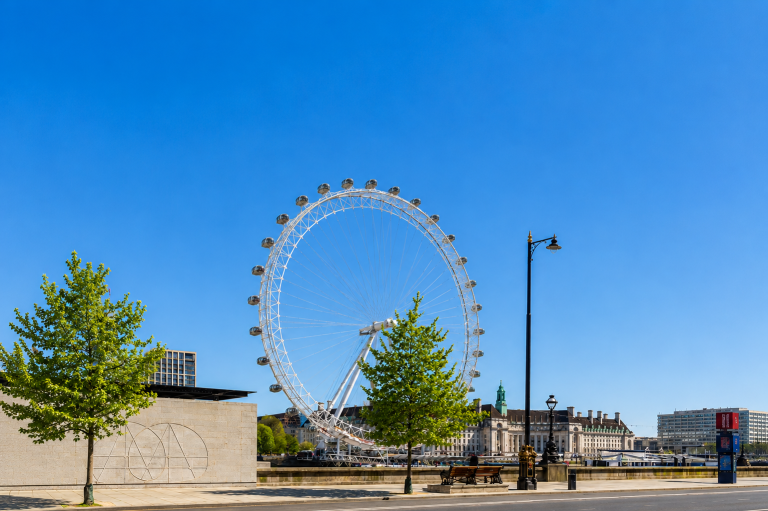
The Thames Tideway Tunnel is a £4.6 billion infrastructure project designed to modernise London’s ageing sewer network. As part of the project, several sites along the Thames were expanded to accommodate the additional infrastructure required for the tunnel, creating new riverside public spaces and prompting upgrades to existing lighting assets. 

Read More »
FireAngel Launches Innovative Spec+ Domestic Safety Solutions Range

FireAngel Launches Innovative Spec+ Domestic Safety Solutions Range

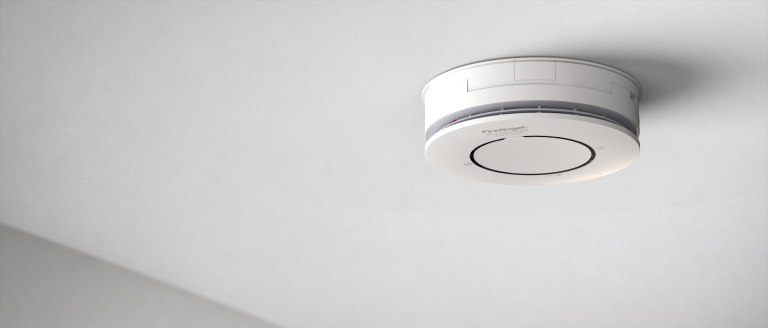
FireAngel announces new Spec+ range incorporating a complete portfolio of domestic safety solutions, including multi-sensor and single-sensor smoke, heat and carbon monoxide alarms. FireAngel has announced the launch of its brand-new Spec+ range, an evolved solutions offering of mains-powered fire and domestic safety alarms designed to support professional installations, improve

Read More »
Latest Issue
Issue 342 : Jul 2026

July 1, 2026

From Industrial Heritage to Sustainable Living: Historic Huddersfield Mill Site Transformed into New Homes

From Industrial Heritage to Sustainable Living: Historic Huddersfield Mill Site Transformed into New Homes

A former 19th-century dyeworks near Huddersfield has been successfully transformed into a sustainable residential development following the completion of complex engineering works led by Dudleys Consulting Engineers. The Royd Edge Mills development delivers 30 new homes, ranging from two-bedroom apartments to five-bedroom detached properties, while breathing new life into a historic brownfield site with industrial origins stretching back to the late 1830s. Originally established as a textile mill drawing water from Royd Edge Moor via Thick Hollins Dyke, the site later became a thriving dyeworks before eventually falling into disuse. Following decades of decline and the demolition of the former industrial buildings, the redevelopment presented a series of significant engineering and construction challenges. Extensive below-ground investigations uncovered remnants of historic foundations, former basements, wheelhouses, engine rooms and underground chimney structures, alongside areas of quarrying, steep bedrock and an intricate network of historic watercourses. These conditions required careful planning and innovative engineering solutions before construction could begin. Dudleys Consulting Engineers was appointed to provide civil and structural engineering expertise across the project, delivering designs for the development’s foundations, drainage infrastructure and structural solutions for both the houses and apartment buildings. Working closely with the wider project team, the consultancy developed a revised site-level strategy incorporating a combination of shallow trench, deep trench and piled foundation systems to suit the varying ground conditions. The approach enabled efficient connections to existing adopted drainage while delivering an effective surface water management solution. One of the project’s most significant engineering achievements involved reconfiguring the former mill pond. Rather than constructing a substantial retaining wall to manage flood risk, the team redesigned the landscape by cutting back the pond, reducing the risk of leakage and creating a more practical, attractive and sustainable solution. This approach not only improved the visual character of the development but also increased usable garden space, enhanced natural landscaping and reduced off-site material waste. New woodland walkways have also been incorporated, helping integrate the development into its surrounding environment while encouraging biodiversity and providing attractive outdoor spaces for future residents. Andy Walker, Managing Director of Dudleys Consulting Engineers, said the project demonstrated how innovative engineering could unlock difficult brownfield sites while delivering environmental, commercial and community benefits. Adam Howarth of Royd Edge Mill Developments added that the engineering solutions had enabled the complex site to be developed efficiently while respecting its industrial heritage and creating lasting value for the local area. The Royd Edge Mills project demonstrates how collaborative design, sustainable engineering and intelligent site remediation can successfully regenerate former industrial land, transforming challenging brownfield sites into high-quality residential communities while preserving the character and legacy of their historic setting. Building, Design & Construction Magazine | The Choice of Industry Professionals

Read More »
DW Windsor helps to preserve Victoria Embankment’s lighting heritage 

DW Windsor helps to preserve Victoria Embankment’s lighting heritage 

The Thames Tideway Tunnel is a £4.6 billion infrastructure project designed to modernise London’s ageing sewer network. As part of the project, several sites along the Thames were expanded to accommodate the additional infrastructure required for the tunnel, creating new riverside public spaces and prompting upgrades to existing lighting assets.  At Tyburn Quay and Bazalgette Embankment, these works brought two distinctive heritage lighting installations into focus. Delivered for Transport for London and the City of London Corporation respectively, the schemes formed part of Tideway Central, led by FLO Joint Venture, with FM Conway and consultant WSP among the wider project team.  Drawing on its long-standing experience working with historic lighting across central London, DW Windsor supported the delivery of both schemes, retaining the defining features of each installation while introducing the structural, lighting and control technologies needed for their continued use.  The road running alongside Tyburn Quay is lined with a mix of original Grade II-listed cast column bases and a number of later replicas. Dating from 1900, the original bases feature dolphins, floral detailing and representations of Britannia.  While the project required the lighting installation to be upgraded, preserving these historic bases was an important part of the brief. Each casting was removed from site and transported to DW Windsor’s Hertfordshire factory, where the company’s specialist restoration team repaired and repainted the decorative finishes in their distinctive combination of black, red and gold.  As part of the upgrade, new reinforced steel columns designed to retain the proportions and appearance of the originals were installed. These were completed with traditional scroll brackets and finials finished in a custom gold paint to complement the decorative elements on the bases. Strand lanterns were then fitted as a like-for-like replacement for the previous luminaires, preserving the familiar appearance of the lighting.  The lanterns incorporate efficient LED lighting technology and Zhaga sockets, currently fitted with Zhaga photocells. This future-proofs the installation by allowing CMS nodes to be added should Transport for London adopt a central management system at a later date.  Once the work was complete, DW Windsor worked alongside FM Conway to transport the restored column bases back to site and assist with their reinstallation, helping to minimise handling and protect these important heritage assets.  At Bazalgette Embankment, the project team faced a different heritage challenge. The existing lighting featured George Vulliamy’s iconic dolphin pedestal design, better known to many as the Sturgeon lamp post, originally created for the Victorian Embankment works and now one of the riverside’s most recognisable features. While the sculptural bases and cradles were retained for their architectural and historic significance, the globe lanterns above required replacement.  DW Windsor was tasked with recreating the original appearance while developing a completely new internal lighting system. The solution needed to deliver modern performance, improved control and easier maintenance without detracting from the character of the historic installation.  The age of the cradles made this particularly challenging. Created using historic manufacturing methods and exposed to decades of weathering, the individual structures varied in dimension and condition. Working with specialist installer London and Kent, DW Windsor developed an adjustable mounting system that allowed each new globe lantern to be fitted securely within its existing cradle.  Inside the recreated globe, two separate LED systems perform distinct roles. A CoB LED provides the principal downward illumination, with a rear shield helping to reduce light spill back towards the Thames, while a second light source softly illuminates the upper section and opal lid, preserving the characteristic glow and visual presence of the original globe.  Specified at 2700K, the new lighting produces a warm appearance suited to the historic riverside setting. Urban Control’s CMS technology was also incorporated discreetly within the globe, with the antenna concealed inside the fitting so that the external appearance remained unchanged.  Both Tyburn Quay and Bazalgette Embankment highlight the importance of balancing heritage preservation with modern lighting requirements. By retaining significant original features wherever possible and replacing only those elements requiring renewal, the schemes preserve the established character of Victoria Embankment while introducing improved performance and control.  Robert Maisey, Operations Director at DW Windsor, said: “At Tyburn Quay, the priority was to retain the character of the original installation. Restoring the bases and upgrading the columns, brackets and lanterns allowed us to bring the scheme back to life while introducing the structural strength and technology needed for the future.”  Alex Winship, Specials Product Design Manager at DW Windsor, added: “The challenge at Bazalgette Embankment was to recreate the appearance of the original globes while completely redesigning their internal lighting architecture. By combining two light sources, discreet CMS integration and an adjustable mounting system, we were able to preserve their familiar glow while delivering modern lighting performance.”  The schemes form part of DW Windsor’s wider contribution to the Thames Tideway project, which has included the supply of heritage and contemporary lighting across several locations.  Building, Design & Construction Magazine | The Choice of Industry Professionals Clients and partners  Clients – Transport for London / City of London Corporation  Main Contractor – FM Conway  Joint Venture – FLO (Ferrovial Construction and Laing O’Rourke)  Consultant – WSP  Specialist Installer (Globes) – London and Kent 

Read More »
FireAngel Launches Innovative Spec+ Domestic Safety Solutions Range

FireAngel Launches Innovative Spec+ Domestic Safety Solutions Range

FireAngel announces new Spec+ range incorporating a complete portfolio of domestic safety solutions, including multi-sensor and single-sensor smoke, heat and carbon monoxide alarms. FireAngel has announced the launch of its brand-new Spec+ range, an evolved solutions offering of mains-powered fire and domestic safety alarms designed to support professional installations, improve ease of replacement, and to keep more people safe in their homes today and in the future. Classified as Grade D1 alarms in line with BS 5839-6, the range comes with a 10-year sealed rechargeable lithium backup battery, making them suitable for most residential applications under current legislation and standards. Domestic safety solutions for evolving needs Developed for the UK professional market, the Spec+ range brings together smoke, heat, carbon monoxide and multi-sensor protection in a flexible new product family, with anticipated changes to legislation and consumer habits considered in its development. It includes dedicated smoke and heat alarms, as well as multi-sensor alarms offering smoke, heat and CO detection in a single device. Designed with professional installers, landlords, housebuilders and housing providers in mind, the new Spec+ products ensure long-life performance and interconnection capability, and a practical base plate design to make installation and replacement as straightforward as possible. The smoke alarms combine Thermoptek™ and UltraSense™ technology, which work in parallel to improve response to fire risk whilst reducing ‘nuisance alarms’ due to lifestyle factors and contaminants. Improving on previous products, Spec+ incorporates bug mesh and dust compensation components to increase device longevity and minimise interference or contamination which can cause false alarms. The alarms have built-in Bluetooth (BLE) as standard, supporting the optional interlinking of up to 50 Spec+ devices either wirelessly, via hardwired connection or a mix of the two, without the need for additional costly modules. Standards, testing and certification for domestic safety solutions All core alarms in the Spec+ range are designed for a 10-year lifespan and come with a leading 10-year warranty, providing peace of mind for residents. Smoke, heat and carbon monoxide alarms typically have a 10-year working life and despite often functioning beyond this, FireAngel advises all alarms should be replaced after 10 years to ensure continued protection.    Nick Rutter, Chief Executive Officer at FireAngel, said: “Our new Spec+ range represents a significant product portfolio for FireAngel that will enable a step-change for the future of domestic safety. Spec+ has been designed around real installation needs, quality-first design principles and trusted protection for residents.” “The launch comes at an important time for the fire safety sector, where innovation and healthy marketplace competition are essential to continuously improving protection in homes across the UK. FireAngel believes that bringing new products to market plays a vital role in giving specifiers, contractors and housing providers greater choice, while ensuring safety-critical technology continues to evolve.” The Spec+ range includes: Find out more about FireAngel professional services and the Spec+ range: https://www.fireangel.co.uk/specplus Building, Design & Construction Magazine | The Choice of Industry Professionals

Read More »