


For any builder or specifier, flooring is one of the more consequential decisions on a project. It shapes cost per square foot, long-term durability, and the client’s first impression of a finished room. Get it right and it quietly earns praise for years. Get it wrong and it becomes an expensive callback.
The choice is not only about the material, but about how you source it. A value-focused supplier like Really Cheap Floors shows how the right sourcing avoids paying full retail markup. This guide covers how to choose flooring that balances cost, durability, and client expectations.
Why Is Flooring Such a Key Spec Decision?
Because it touches budget and experience. Floors are seen, felt, and walked on daily.
Flooring can absorb a large share of a fit-out budget, so the choice ripples across the whole project. It also sets the tone of a space more than almost any other surface. A smart specification balances upfront cost against how the floor performs over time.
The point is impact. Few decisions are as visible or as lasting, and a well-chosen floor quietly supports the whole project for years.
How Do You Balance Cost and Durability?
By looking at lifetime value. The cheapest option is rarely the most economical.
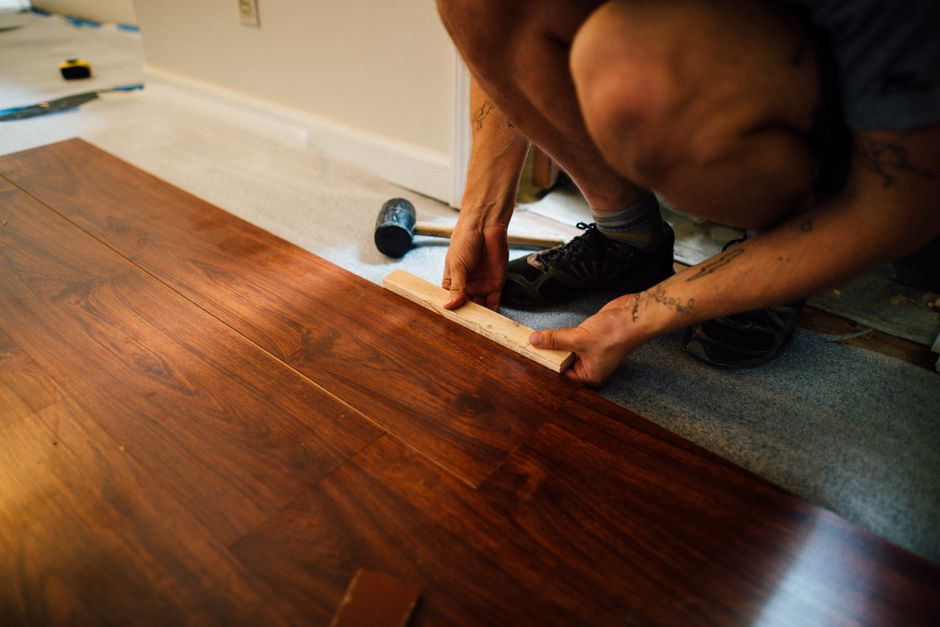
A floor that lasts 15 to 20 years can cost less over time than a cheaper one replaced twice. Careful work when installing hardwood flooring protects that lifespan.
Material quality matters for health too, and the EPA standards on formaldehyde in composite wood are worth knowing.
The idea is lifetime cost. Durability often justifies a higher upfront price.
Solid, Engineered, or Vinyl?
Each suits a different brief. The right pick depends on the room.
Solid hardwood offers longevity and can be refinished, while engineered wood handles humidity better. Vinyl plank brings water resistance and value. Matching the material to the room and the budget is the core of a good specification.
What Should You Know About Materials?
A few fundamentals guide the choice. Know these before you specify.
The material factors worth weighing include these 5:
- Durability. How well it handles traffic and wear.
- Moisture. Whether the room stays damp or dry.
- Maintenance. How much upkeep the client will accept.
- Appearance. The look and finish the design needs.
- Cost. Both the material and the fitting labour.
Each factor shapes the final choice. Balanced together, they point to the right material. A clear view of vinyl flooring helps when moisture or budget is a concern.
How Do You Source Flooring Well?
By separating price from value. Smart sourcing protects margins.
Buying well means comparing suppliers, not just products. Consider a few sourcing principles:
- Compare cost per square foot across suppliers.
- Factor in delivery, waste, and offcuts.
- Prioritise durable stock over the lowest sticker price.
Each principle protects the budget. Together they keep a project profitable without cutting quality.
What About Health and Air Quality?
An easy factor to overlook. Materials affect the air indoors.
Some flooring and adhesives release compounds that affect indoor air, especially in sealed new builds. The EPA overview on indoor air quality is a useful reference. Choosing low-emission products protects the people who will live or work in the space.
The theme is responsibility. A good floor looks after health as well as budget.
Key Points to Keep In Mind
- Flooring shapes cost, durability, and client impression.
- Lifetime value often beats the lowest upfront price.
- A floor lasting 15 to 20 years can be the cheaper choice.
- Match solid, engineered, or vinyl to the room and brief.
- Smart sourcing compares value, not just sticker price.
- Low-emission materials protect indoor air quality.
Specifying Floors That Deliver
Flooring is the kind of decision that repays careful thought rather than a last-minute pick. Weigh durability against upfront cost, match the material to the room, and source it from a supplier that offers genuine value. Keep an eye on indoor air quality, and the finished floor will satisfy both the budget and the client. Specify with care, and the floor becomes one of the quiet successes of the whole build.
Frequently Asked Questions
What Is the Most Cost-Effective Flooring for a New Build?
It depends on the room and the brief, but value comes from lifetime cost rather than the lowest price. Vinyl plank offers water resistance and affordability, while engineered wood balances durability with a premium look. Solid hardwood costs more upfront but can be refinished for decades. Comparing durability, maintenance, and cost per square foot across options, and sourcing well, usually reveals the most economical choice.
Is Cheaper Flooring Always Lower Quality?
Not necessarily. A lower price can reflect smart sourcing, bulk supply, or reduced retail markup rather than poor quality. The key is to judge the specification itself, checking durability ratings, wear layers, and materials, rather than the price tag alone. Buying from a value-focused supplier can deliver solid quality at a lower cost. Always match the product spec to the demands of the room before deciding.
How Long Should Good Flooring Last?
It varies by material, but quality flooring often lasts 15 to 20 years or more with proper care. Solid hardwood can last decades and be refinished several times, while quality vinyl and engineered products offer long, low-maintenance lifespans. Correct fitting and suitable use for the room both extend that life. Factoring lifespan into the decision helps you compare the true long-term cost of each option.
How Can Builders Reduce Flooring Costs Without Cutting Quality?
Focus on sourcing and planning. Compare suppliers on cost per square foot, buy from value-focused merchants to avoid retail markup, and plan carefully to reduce waste and offcuts. Choosing durable materials suited to each room prevents costly early replacement. The goal is to lower cost through smarter buying and specification, rather than by dropping to a lower-quality product that disappoints the client later.