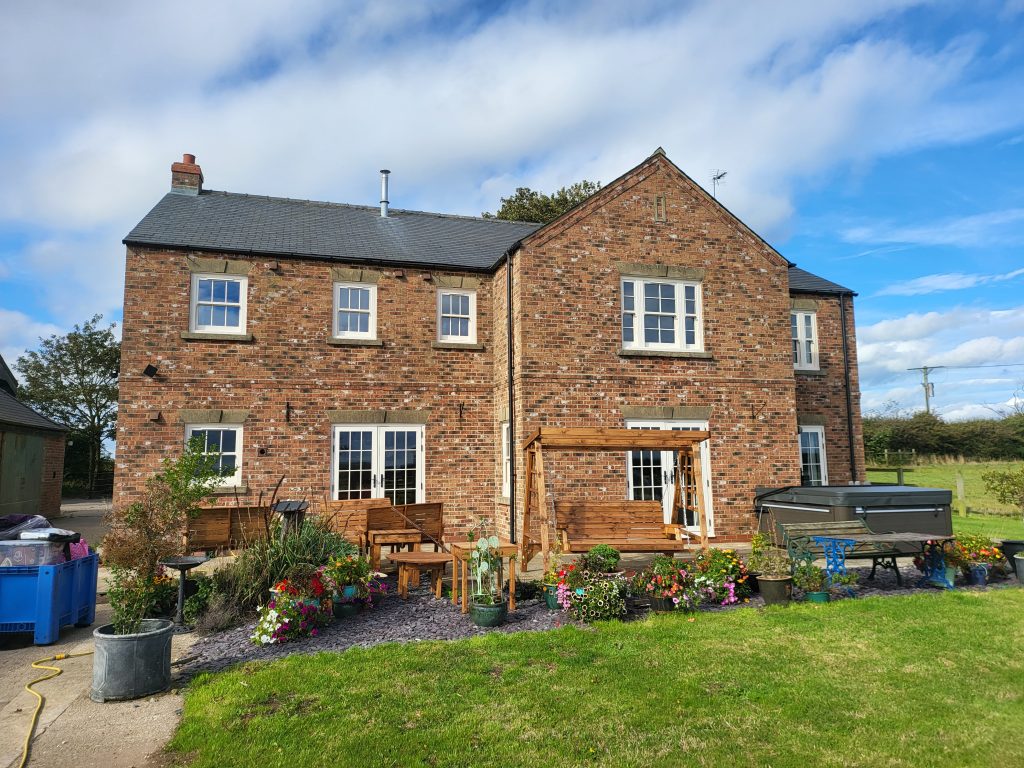

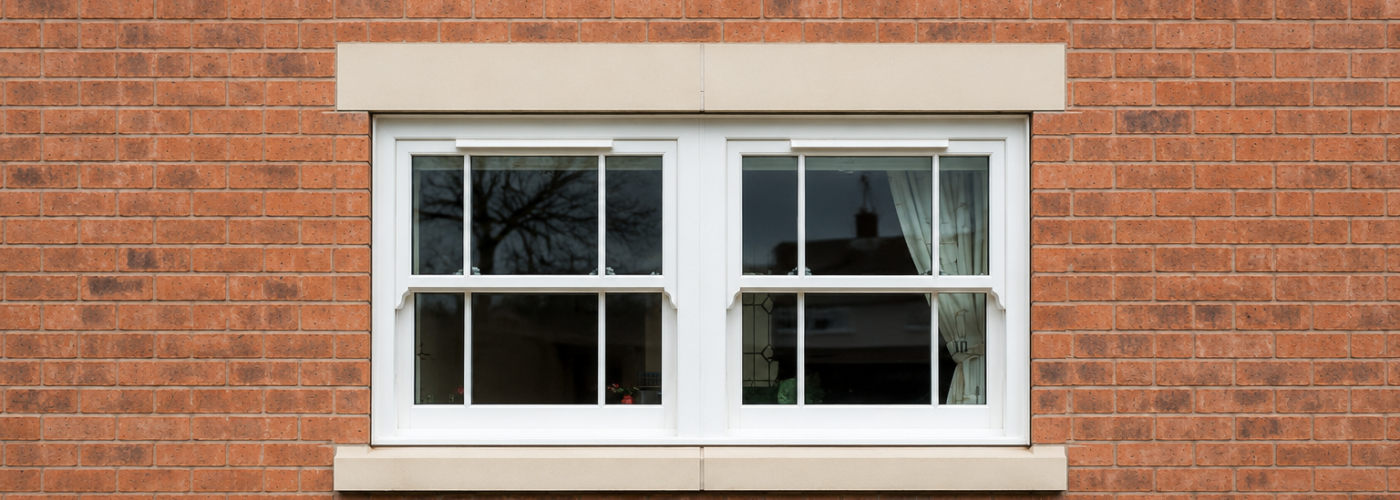


Traditional window styles have never really left the UK building landscape. Vertical sliding sash windows remain a defining feature of period streets, conservation-sensitive refurbishments and a growing number of new-build schemes designed to reflect local character. For the construction professionals delivering those projects, however, appearance is only part of the brief. Ventilation requirements, security demands, maintenance expectations and installation programmes all shape what gets specified. Recent product development in uPVC sliding sash windows is responding to exactly those pressures.
Why sash windows still matter in UK building design
Kerb appeal continues to influence buying decisions, and few window styles carry as much architectural weight as the sliding sash. Planning authorities frequently expect traditional proportions on refurbishment work in older streetscapes, while developers of heritage-style new builds use sash windows to help schemes sit comfortably within their surroundings.
For refurbishment specialists, the sash format is often non-negotiable. Replacing original timber sashes with something visibly modern can undermine the value of the property and, in sensitive locations, attract planning objections. The requirement for windows that look right hasn’t changed. What has changed is everything else the window is now expected to do.
What modern projects now require from traditional-style windows
Increased building regulations, tighter energy standards and rising client expectations mean a traditional appearance is no longer enough on its own. Builders and developers need predictable lead times and consistent quality across plots. Installers need products that fit easily, first time around. Specifiers need documented performance they can put into a schedule with confidence.
This is where modern uPVC sash window specification has moved on considerably, combining the proportions and detailing of a traditional sash with the practical characteristics that contract work demands: low maintenance, excellent performance and repeatable factory quality.
Ventilation without compromising the finished look
As homes become better sealed, controlled background ventilation has become a more prominent part of window specification, particularly on refurbishment projects where replacement windows must satisfy current Building Regulations guidance on ventilation.
The difficulty on traditional-style schemes is visual. Surface-mounted trickle vents can interrupt the clean sightlines that make a sash window convincing in the first place, which is an awkward compromise on a project chosen specifically for its appearance.
Concealed head vents show how product design can resolve that tension. Quickslide’s concealed head vent, for example, integrates background ventilation into the head of the window and has been designed with installation in mind: the canopy simply clips into place on top of the frame. For installers, that means ventilation compliance without an additional visible component cluttering the sash. For specifiers, it means the finished elevation looks the way the drawings intended.
Colour choice and traditional project aesthetics
Colour matters just as much as performance on heritage-style work. Soft, classic options such as Chalk White help replacement and new-build sash windows achieve the understated, traditional appearance that period properties and conservation-conscious schemes call for.
Broader colour choice also gives developers room to differentiate plots and respond to local vernacular, whether that means muted heritage shades on a refurbishment or a consistent scheme across a new development. The point is flexibility: matching the window to the project, rather than asking the project to accommodate the window.
Smart security readiness in window specification
Security conversations are also changing. Legacy Protect, Quickslide’s uPVC vertical sliding sash window option designed to work with Kubu smart security sensors, reflects a wider shift towards connected-home readiness in window specification. The sensors allow homeowners to check whether a window is open or closed through the Kubu app.
From mid-2026, Legacy Protect is described as working with Kubu, with marked sensor fitting points integrated into the frame at the factory. The sensors themselves can be purchased directly from Kubu by homeowners rather than supplied by the builder or installer, which keeps the trade professional’s scope simple. For builders and developers, smart-ready windows provide an additional feature to discuss with clients without significantly complicating the installation process.
Factory-prepared details and reliable manufacturing partners
Both examples point to the same underlying trend: complexity is moving from the site into the factory. Clip-in vent canopies and pre-marked sensor fitting points reduce on-site decision-making, shorten installation time and cut the risk of inconsistent finishing across a project.
That only works when the manufacturing partner is dependable. Consistent quality, ongoing product development, technical support and reliable supply are what make factory-prepared details worth specifying. Recognition within the industry reflects that; Quickslide, one of the UK’s leading fabricators of uPVC sash windows, has been shortlisted for Manufacturing Partner of the Year at this year’s Architect Awards.
What this means for builders, developers and installers
For construction professionals, the value of the modern uPVC sliding sash window lies in the combination: traditional design supported by practical product innovation. Concealed ventilation preserves the finished appearance, smart security readiness adds a client talking point, colour options such as Chalk White keep heritage schemes coherent, and factory-prepared details make life easier on site. Together, those features support smoother project delivery while meeting the visual expectations that make traditional and refurbishment schemes worth doing well.