

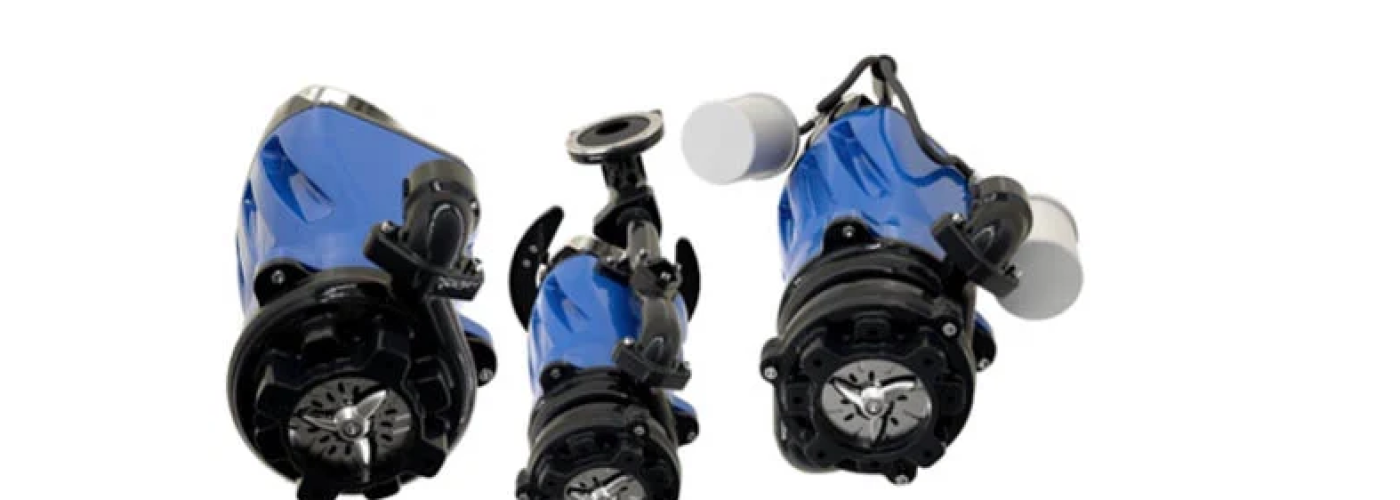


For residential and commercial wastewater treatment companies, grinder pumps are essential assets. They protect infrastructure and ensure reliable wastewater processing in various environments. Choosing the right manufacturer can help ensure long-term service and cost efficiency.
These companies are some of the most well-established in the industry, enabling smooth operations and easier maintenance.
1. Zoeller Pump Company
Zoeller Pump Company is widely recognized in the wastewater industry as one of the most trusted names for grinder pumps. Its decades of manufacturing and service experience and strong focus on quality control have helped it serve professionals and homeowners alike with reliable pumping solutions.
This company’s grinder pumps are designed to handle demanding conditions, with an ability to make hundreds of thousands of cuts a minute while fully submerged. Zoeller Pump Company uses durable materials and consistent testing to ensure reliability in the field.
Key Features
- Robust and rapid cutters for solids management
- Corrosion-resistant construction for extended service life
- Broad product range for heavy commercial and residential use
2. Liberty Pumps
Liberty Pumps is another U.S.-based manufacturer known for its high-quality grinder pumps and wastewater solutions. It focuses on well-engineered systems and robust quality control, with machines designed and assembled domestically.
Grinder pumps from this company come in different sizes and setups, accommodating smaller residential and complex applications. Liberty Pumps’ product designs emphasize ease of installation and service access.
Key Features
- Precision cutters for consistent grinding performance
- Compact and pre-assembled packages available for easier setup
- ISO-quality standards and local production
3. Myers by Pentair
Myers, a brand under Pentair, brings robust engineering expertise to the grinder pump and wastewater industry. Its grinder pumps are used across a wide range of applications, from residential to commercial and community systems, which is a testament to their reliability.
With Pentair’s global resources, Myers products benefit from extensive research and testing, as well as expert training and customer service.
Key Features
- Heavy-duty motors for continuous cycles
- Proven cutter technology for infrastructure-level waste
- Established supply chain and technical documentation
4. Little Giant by Franklin Electric
Little Giant is part of Franklin Electric and is well known for its wide range of pumps serving residential and commercial markets. It even offers systems designed for rocky or challenging terrains, enhancing the accessibility of wastewater processing.
This brand offshoot prides itself on providing dependable pumps for HVAC contractors and plumbing professionals while also offering an extensive pool, hydroponic and water garden product line.
Key Features
- Compact grinder pump designs for residential applications
- Durable and rugged construction for challenging terrains
- Reliable cutting mechanisms for everyday wastewater
5. Excel Fluid Group
Excel Fluid Group focuses on engineered pumping systems, including submersible grinder pumps for commercial, municipal, military and many other wastewater environments. The company works closely with engineers and industry experts to deliver application-specific solutions.
The company’s grinder pumps utilize a wide range of materials, installation styles and impeller types to ensure proper wastewater processing for various environments and industries.
Key Features
- Engineered solutions tailored to project requirements
- Durable grinder assemblies for demanding waste streams
- Suitable for commercial, municipal, industrial and other niche applications
6. Environment One Corporation (E/One)
E/One has established a strong reputation for its uniquely engineered sewer systems and grinder pump technology. Its products are deployed across municipal, commercial, industrial and residential settings.
It has a wide variety of grinder pump models, some operating wet while others have a dry accessway, allowing wastewater facilities with different needs to find the best pump for their project.
Key Features
- Proven track record across sewer systems and infrastructure
- Grinder pump models uniquely designed for specific applications
- Strong training and technical resources
Grinder Pump Providers at a Glance
| Manufacturer | Key Model/Series | Horsepower Range |
| Zoeller Pump Company | M807 Grinder Pump | 1-4 HP |
| Liberty Pumps | LSG200 Series | 1-5 HP |
| Myers by Pentair | VR2 Series | 1-5 HP |
| Little Giant by Franklin Electric | 16G Series | 1 HP |
| Excel Fluid Group | SGV Series | 1-5 HP |
| Environment One (E/One) | D-Series | 1 HP |
Methodology for Ranking Top Grinder Pump Manufacturers
The team assembled this list using criteria that best match the needs of wastewater professionals.
Manufacturing Quality
Quality starts with appropriate material selection and engineering, such as through the use of heavy-duty metals and corrosion-resistant components that are most appropriate for demanding wastewater environments. Providers should ensure adequate testing and check for performance consistency in conditions similar to those of wastewater plants for longer life expectancy in the field.
Product Innovation
Innovative companies often come up with more efficient pump mechanisms and reduce operational problems. This category evaluated advancements in cutter and grinding mechanisms and the ability to process solid-heavy wastewater with minimal clogging.
The team also considered motor efficiency and thermal protection, as well as its ability to integrate with modern control panels and sewer systems, as these structures have also evolved to accommodate modern comforts and sanitation standards.
Industry Reputation
Industry reputation is often indicative of real performance and trust earned through consistent results. These rankings considered adoption by licensed contractors and municipal utilities. Manufacturers with a sustained market presence and strong word-of-mouth credibility came across as more dependable and ranked accordingly.
Range of Applications
Versatility is essential when serving the wastewater industry. Manufacturers were evaluated on their ability to support a wide range of applications, from residences and small commercial buildings to municipal infrastructure and sewer systems. Available horsepower and adaptability to various site conditions also influenced these scores.
Customer Support
There always exists a risk of downtime in grinder pump systems. Strong customer support helps minimize these disruptions. The team assessed the quality of available technical documentation, parts availability, warranties and responsiveness of technical support teams.
How to Select the Right Grinder Pump for Your Application
Selecting the right grinder pump is a critical decision that affects the system’s long-term performance. Wastewater processing applications can vary, and it’s always important to find the right machine for the job.
Assess the Application
Start by clearly defining where and how you are going to use the grinder pump. A pump serving a small residence usually experiences less heavy use with predictable patterns, while commercial facilities may generate higher volumes of wastewater with tougher solids. Complex sewer systems present an additional challenge, as pumps will need to perform consistently within a shared network.
Analyzing the expected usage, peak flow periods, terrain and whether the pump will work alone or with a larger system is an important step. This evaluation helps match the individual pump’s capacity to the right application and prevent premature issues.
Analyze the Waste Material
The characteristics of the waste can affect the proper selection of your grinder pump. Evaluate the usual solids content of a site’s wastewater, such as sanitary products, grease or debris that can enter the system. Some applications, such as restaurants or commercial facilities, can produce waste streams that are more demanding than those of a single-family home. Selecting a grinder pump that can handle the wastewater characteristics of a particular site reduces the risk of clogging and extends its service life.
Review Power Requirements
Electrical compatibility is essential for safe and reliable operation. Confirm the available voltage at the installation site, especially in commercial or municipal structures where power configurations can vary. The grinder pump needs to be compatible with the existing or planned electrical system. Reviewing these requirements before selecting and installing a grinder pump helps avoid costly modifications or replacements.
Installation Best Practices for Peak Performance
Proper installation is just as important as pump selection when ensuring performance and longevity. These guidelines focus on installation tips that can help your grinder pumps last longer and work more efficiently.
Proper Basin Sizing and Venting
Correct basin sizing helps maintain stable pump operation. If a basin is too small, it can increase motor wear and reduce the pump’s lifespan. Properly sized basins allow enough wastewater to accumulate between cycles, which makes for more efficient electrical operation and minimizes stress to the machine.
Adequate venting is also important. Proper ventilation allows sewer gases to escape safely and prevents pressure buildup in the basin. Poor venting can lead to odors and poor pump performance. Make sure to consult local plumbing codes and manufacturer specifications when setting up ventilation to ensure consistent airflow and system stability.
Electrical and Control Panel Configuration
Always use manufacturer-approved control panels, as these are specifically designed to match each motor’s characteristics and requirements. Control panels should include essential safeguards like alarms, overload protection, phase monitoring and diagnostics. Proper wiring and surge protection further reduce the risk of electrical issues, protecting the pump and its users and preventing costly downtime.
Discharge Piping and Check Valve Placement
Discharge piping requires proper sizing and routing to ensure efficient wastewater flow and keep solids in suspension. Proper check valve placement helps prevent backflow and reduce unnecessary pump cycling. The right layout and valve selection help maintain steady system pressure and extend the life of the pump.
Essential Maintenance for Grinder Pump Longevity
Routine maintenance is essential to ensure grinder pumps stay reliable throughout their service life. While grinder pumps can deal with demanding wastewater environments, proactive maintenance keeps them running smoothly and minimizes costly repairs.
Creating a Routine Inspection Schedule
A regular inspection schedule allows you to identify potential issues before they escalate and result in pump failure. These inspections should include visual checks of electrical connections, control panels, alarms and basin conditions, as well as looking out for abnormal noise or excessive cycling.
Creating daily, weekly, monthly and annual checklists makes these inspections more systematic and easier to follow. Recording your findings helps create a maintenance history that can reveal usage or wear patterns and inform future maintenance or repair decisions.
Managing Common Clogging Culprits
While grinder pumps are made to break down solids, some materials can still cause blockages. Common culprits include “flushable” baby wipes, hygiene products, grease, hair and hard debris. These items can dull the cutter and increase the risk of jams or overheating.
Educating the building’s occupants, whether they be homeowners, tenants or staff, is an essential strategy. Clear guidelines on what shouldn’t enter the system can reduce service calls and keep the motors running efficiently. Facilities like commercial buildings and offices can benefit from signage and staff training to prevent misuse.
Knowing When to Repair vs. Replace
Determining whether to repair or replace a grinder pump requires assessing multiple factors, like the pump’s age and maintenance history. Repairs are ideal for minor or moderate issues, like seal replacement or control component fixes.
However, repeated failures or major component breakdowns might make repairs less cost-effective. Compare repair costs against the price of a new pump, factoring in efficiency upgrades and warranty coverage. In many cases, planning your replacement after a set number of years is more reliable than pushing an aging piece of equipment to perform when it’s no longer able.
Grinder Pumps vs. Other Sewage Pump Technologies
Grinder pumps are only one kind of sewage pump, and there are others that work similarly to them. However, each type has functional differences, and selecting the wrong pump type might lead to clogs or insufficient performance. Understanding how grinder pumps compare to other sewage technologies helps ensure that the equipment better matches the application.
Grinder Pumps vs. Sewage Ejector Pumps
A sewage ejector pump moves wastewater, but it doesn’t process it. As the name suggests, these pumps pass solids through the system without grinding them. They are commonly used in gravity-fed systems or low-head applications where wastewater just needs to reach a sewer line or septic tank.
In contrast, a grinder pump actively shreds solids into a fine slurry before discharge. This process allows wastewater to go through small-diameter pipes over long distances or up vertical elevations.
Grinder Pumps vs. Macerator Pumps
While “macerate” and “grind” sound similar, these pumps have some key differences. A macerator pump also shreds solids, but it’s a lighter-duty version of a grinder pump. Most macerators handle wastewater from one fixture, like a toilet or shower. They cannot handle the wastewater load of an entire building.
A grinder pump, on the other hand, can handle the wastewater from large buildings and maintain efficiency in more demanding environments. Using a macerator where a grinder pump should be could overwhelm the plumbing or sewage system.
Investing in a Reliable Wastewater Solution
Grinder pumps are an essential part of any heavy-duty wastewater treatment process. Finding the right machine starts with choosing manufacturers that combine engineering with dependable support, resulting in long-term value and more stable sewage or wastewater treatment.