


In a commercial building, the floor takes more punishment than almost any other surface. Yet it is often the last thing anyone thinks about until something goes wrong.
That oversight can be costly. Working with UK floor cleaning specialists like Scrubber Drier Hire helps facilities keep large floors clean, safe, and presentable without the usual hassle. Here is why it matters more than most managers realise.
Why Does Floor Cleaning Matter for Commercial Buildings?
Because a floor does far more than look tidy. It affects safety, hygiene, and the impression a building makes.
Safety comes first. Slips and trips are among the most common workplace injuries, and a poorly maintained floor is a leading cause. A clean, dry surface is one of the simplest ways to cut that risk.
Image matters too. Clients, staff, and visitors all read a building partly through its condition, and grubby floors undermine even the smartest fit-out. In a commercial setting, presentation is part of the product.
So floor cleaning is really risk management and brand management at once. Neglect it, and both safety and reputation pay the price.
What Makes Industrial Floors Hard to Clean?
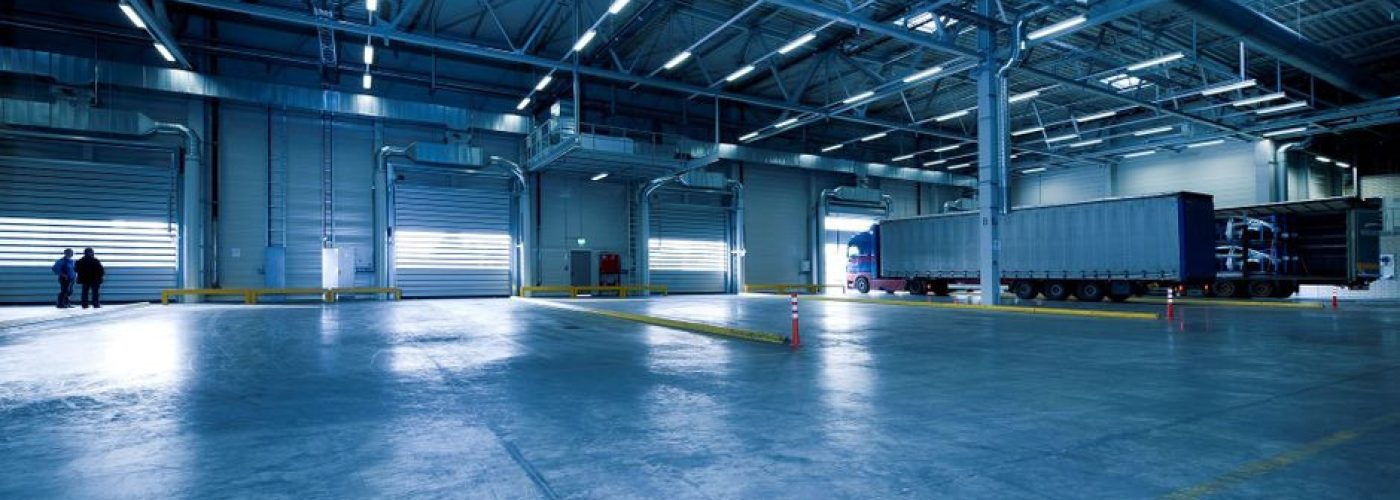
Mostly their sheer scale and the demands placed on them. A warehouse or factory floor is a different challenge from a domestic one.
Size is the obvious hurdle. Cleaning thousands of square metres by hand is slow, costly, and rarely thorough, so manual methods quickly fall short. The bigger the space, the worse the gap.
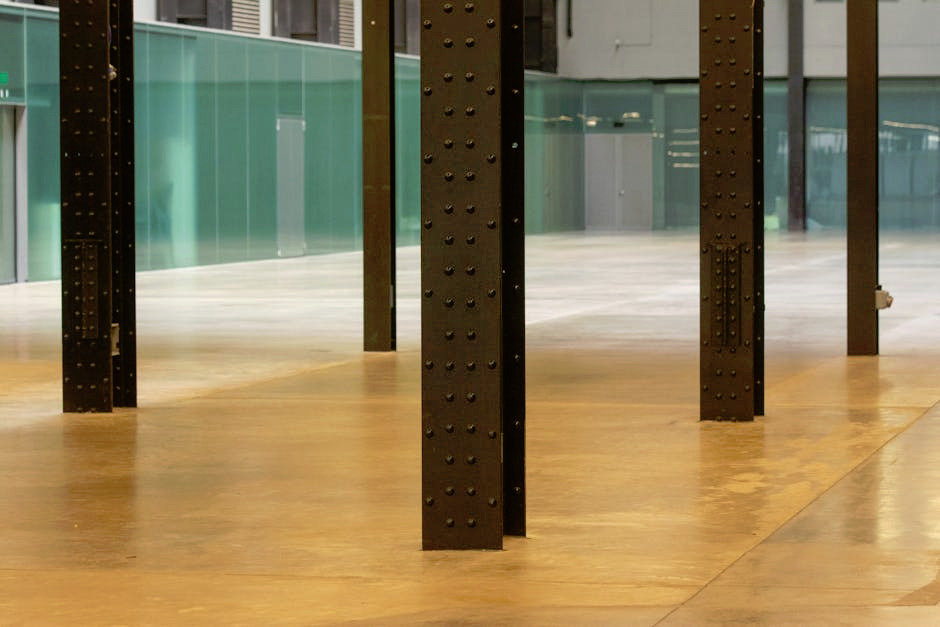
The conditions add to it. Heavy traffic, spills, dust, and tough surfaces like concrete or resin all resist a quick mop. Guidance on the right floor surfaces shows how much the material itself shapes the cleaning task.
So industrial floors are a specialist job, not a scaled-up domestic one. The scale and the surface together demand the right kit.
How Do Scrubber Dryers Change the Job?
By doing in one pass what manual cleaning struggles to manage at all. These machines wash and dry a floor in a single sweep. The main advantages are:
- Speed. Large areas cleaned in a fraction of the time.
- Safety. Floors left dry, cutting slip risk straight away.
- Consistency. A uniform clean across the whole surface.
- Cost. Less labour and water than manual methods.
- Results. A deeper clean than a mop can achieve.
Each benefit compounds in a large space. What takes a team hours by hand, a scrubber dryer handles in a single, even pass.
The drying part is the quiet hero. Leaving a floor dry removes the wet-floor hazard that manual mopping creates, supporting safer cleaning routines.
What Should Facilities Managers Consider?
A few practical factors decide what works for a given site. The table below frames them.
| Factor | Why It Matters |
| Floor area | Bigger spaces favour ride-on machines |
| Surface type | Concrete and resin need the right pads |
| Frequency | Daily use shapes the machine choice |
| Storage | Machines need space and charging points |
A few numbers help the planning:
- A walk-behind unit can clean over 1,000 square metres an hour.
- Plan charging for batteries that last several hours.
- Review the cleaning programme at least 1 time a year.
Each point steers the right specification. Just as the durability of a building shapes its upkeep, the floor’s demands shape the cleaning kit it needs.
Buy or Hire: Which Makes Sense?
It depends on how often you need the machine and your budget. Both routes have a clear place.
Buying suits constant, daily use. If a site cleans large floors every day, owning a machine spreads the cost over years and keeps it always available. The upfront outlay is the trade-off.
Hiring suits everything else. For occasional deep cleans, seasonal peaks, or one-off projects, renting avoids a big purchase and the running maintenance costs of ownership. It also lets you match the machine to each job.
So the choice comes down to frequency. Daily cleaning rewards buying, while flexible needs favour hiring.
What Facilities Teams Should Remember
- Clean floors cut slip risk and protect a building’s image.
- Industrial floors need specialist kit, not scaled-up mopping.
- Scrubber dryers wash and dry in one fast, even pass.
- Match the machine to floor area, surface, and frequency.
- Buy for daily use; hire for occasional or seasonal needs.
Keeping Commercial Floors at Their Best
In a commercial building, floor cleaning is far from a cosmetic afterthought. It protects people, preserves surfaces, and shapes the impression every visitor takes away. Choose the right equipment for your space, weigh buying against hiring, and treat the floor as the hardworking asset it is. Get it right, and a clean, safe floor quietly does its job day after day.
Frequently Asked Questions
Why Use a Scrubber Dryer Instead of a Mop?
A scrubber dryer washes and dries a floor in a single pass, cleaning far larger areas faster and more thoroughly than a mop. Crucially, it leaves the floor dry, which removes the slip hazard that wet mopping creates. For any sizeable commercial space, it saves time and labour while delivering a more consistent, safer result.
How Big a Floor Can a Scrubber Dryer Clean?
It depends on the model. A compact walk-behind machine can clean over 1,000 square metres an hour, while larger ride-on units handle much more. The right size depends on your floor area, layout, and how often you clean. Matching the machine to the space is the key to efficient, cost-effective cleaning.
Is It Better to Buy or Hire Floor Cleaning Equipment?
It comes down to how often you need it. Sites cleaning large floors daily usually benefit from buying, spreading the cost over years. For occasional deep cleans, seasonal peaks, or one-off projects, hiring avoids a big purchase and lets you pick the right machine for each job. Many facilities use a mix of both.
How Does Floor Cleaning Improve Workplace Safety?
Slips and trips are among the most common workplace injuries, and floors are a major factor. Regular, proper cleaning removes spills, dust, and contaminants that make surfaces slippery, while drying the floor prevents new hazards. A consistent cleaning routine, matched to the floor type, is one of the simplest ways to reduce accidents on site.