

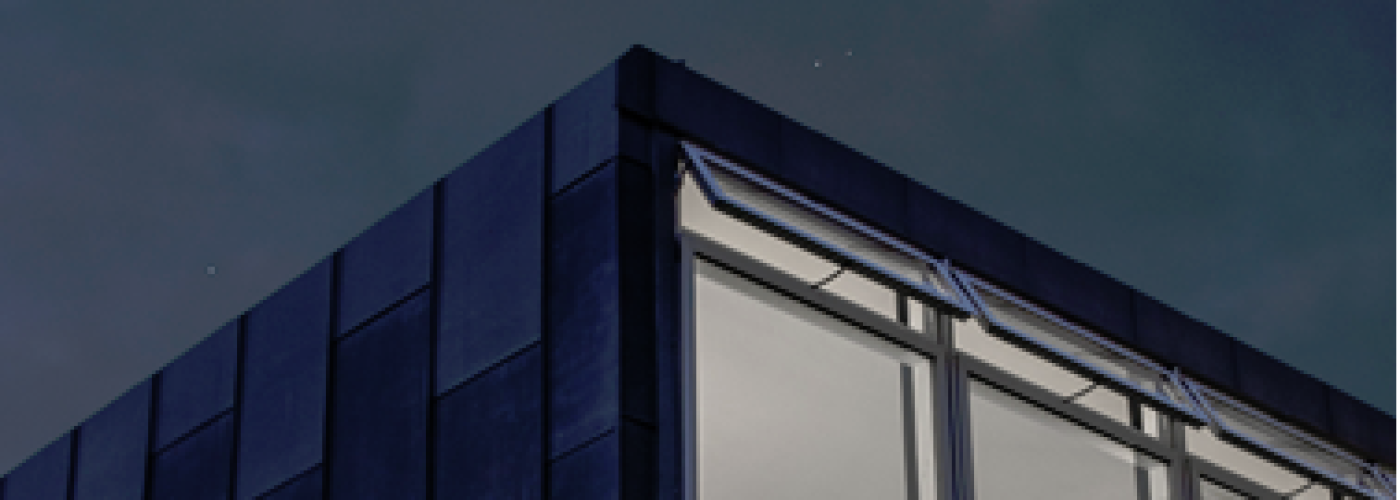


Intelligent window control technology protects people and buildings
Heatwaves in the UK are becoming more frequent and more severe. According to the Met Office, the number of days exceeding 28°C has more than doubled since the 1961-1990 baseline, and very hot days above 30°C have more than trebled.¹ The South East of England now averages over 12 such days per year.
As buildings heat up during the day and fail to cool overnight, schools, offices and public buildings are turning into heat stores.
To mitigate this problem, WindowMaster is harnessing its expertise as a leading hybrid-ventilation specialist to advocate natural night flushing as a simple, passive solution to cool down city centre and vulnerably-located buildings overnight.
Its suggested solution? Automated windows[1] that use the cool night-time hours to regulate indoor temperatures, without the need to engage expensive and resource-depleting air conditioning.
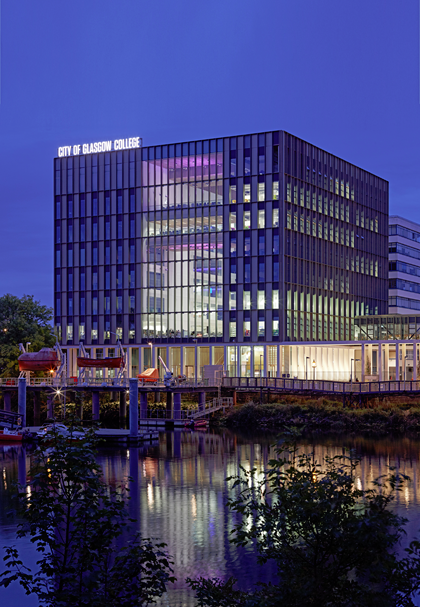
Passively tackling rising temperatures
The UK’s heat problem is worsening. The summer of 2022 saw an estimated 2,985 heat-associated excess deaths in England alone, according to the UK Health Security Agency (UKHSA).² The Office for National Statistics (ONS) recorded 3,271 excess deaths across England and Wales during the same period.³
The UK’s statutory mandated independent adviser, the Climate Change Committee (CCC) warns that without adaptation, heat-related deaths could triple to exceed 10,000 per year by 2050.⁴ The West Midlands records the highest rate of heat-related mortality per million population, while London and the South East account for the highest absolute numbers of heat-associated deaths.² Schools, offices and public facilities across England are increasingly turning into heat stores as days grow hotter and buildings fail to cool overnight.
Natural cooling instead of artificial air conditioning
Night flushing is a straightforward, sustainable approach to refreshing a building’s ambient temperature, and one that WindowMaster advocates over energy-intensive air conditioning. The principle is simple: it draws on the temperature difference between hot days and cooler nights. In the evening, fresh outdoor air flows in through automatically controlled windows, carrying accumulated heat away with it. The heat stored in walls, ceilings and furniture during the day escapes overnight. By morning, the building is already cooler, before anyone has arrived.
Mainstream hybrid systems, including those from WindowMaster, manage this process automatically. Sensors monitor temperature, CO₂ levels, humidity and weather conditions. When conditions are right, the windows open on their own and close again as soon as wind or rain picks up. Window openings stay within burglar-proof gap widths throughout.
A refreshingly efficient solution
Night flushing works differently to air conditioning. It operates passively, using natural air currents, it saves electricity and is kinder to the environment.
A peer-reviewed study from London South Bank University found that natural ventilation can reduce building cooling energy use by between 13% and 40% compared to mechanical systems.⁵ Reducing reliance on the use of energy-intensive cooling equipment lowers operating costs, while comfort and wellbeing improve at the same time.
The technology works in both new builds and existing buildings: easy to retrofit motorised window actuators fit directly onto existing windows, so there’s no need for complex duct installation. Fitting typically takes just a few days, making it well suited to school refurbishments during the holidays.
For example, the urgency for schools is real. DfE-funded research from the University of Southampton found that the average English school currently exceeds 26°C for approximately 59 days per academic year.⁶ The Department for Education’s Building Bulletin 101 (2018) sets the ventilation and thermal comfort standard for all new and refurbished school buildings in England,⁷ yet many existing schools still lack adequate passive cooling. Night flushing offers a low-cost, low-disruption route to compliance and comfort.
A regulatory tailwind
Regulation is moving in the same direction. Part O of the Building Regulations, which came into force in June 2022, now requires all new residential buildings to limit solar gain and provide passive means of heat removal.⁸ Pure-play mechanical cooling is only permitted as a last resort.
The FutureBuildings Standard sets out the path to net-zero-ready new homes, with passive cooling at its core.⁹ For existing buildings, night flushing is a practical, cost-effective way to meet the spirit of these requirements today.
Building, Design & Construction Magazine | The Choice of Industry Professionals