
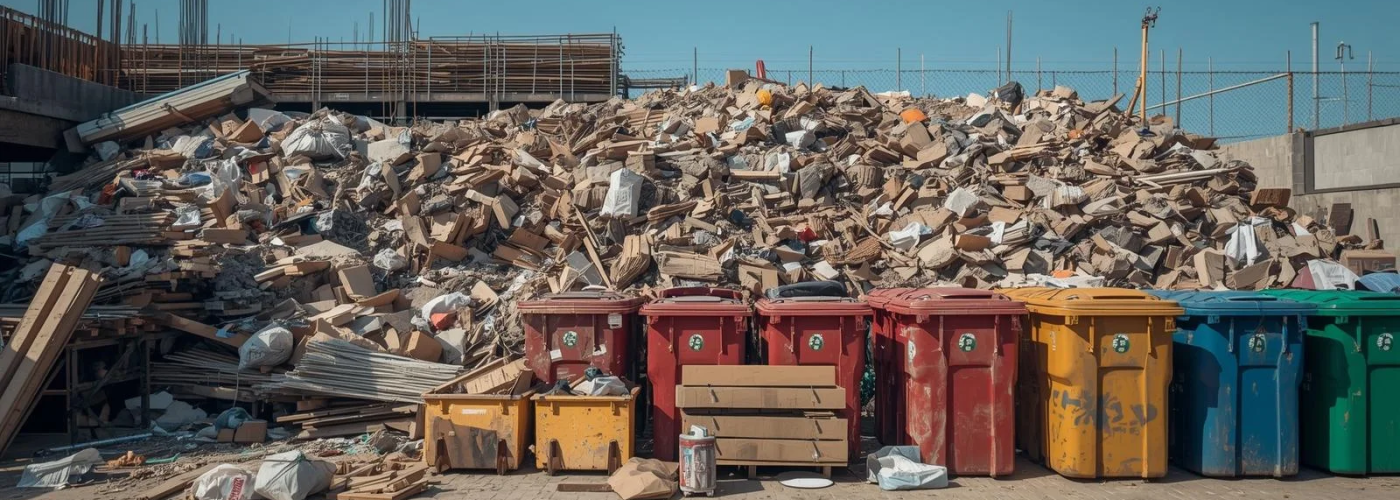


The sheer volume of waste the construction industry generates raises critical questions about efficient management practices. In response, building design and construction professionals are shifting away from reactive disposal toward digital waste management solutions that protect profit margins while improving operational efficiency.
As companies evaluate how different waste management software options compare, understanding the total cost of this transition and the programs available remains essential for informed decision-making.
The True Cost of Construction Waste
Poor material management silently drains profits across the construction sector. Reliance on manual tracking and paper tickets results in significant financial losses that compound over time. The EPA estimates that construction and demolition debris accounts for over twice the amount of municipal solid waste generated in the United States.
The financial impact extends beyond volume. Research indicates that 95% of delivery tickets and 75% of waste records contain incomplete or inaccurate information. These data gaps lead to billions in lost revenue across the industry. Manual processes fail to capture critical information about material flows, disposal costs and operational inefficiencies that erode project budgets.
Proactive Management Boosts the Bottom Line
Embracing operational excellence and digital tracking transforms waste management from a compliance burden into a profit-generating function. When companies reduce waste directly, associated costs drop proportionally. Rising hauling and landfill fees make this approach increasingly valuable for maintaining project profitability.
Landfill costs continue climbing, with tipping fees rising about 4% year-on-year, based on the 2025 national average. Zero-waste approaches and digitally tracked operations help contractors preserve substantial portions of project budgets.
Digital systems provide real-time visibility into waste streams, enabling companies to identify cost-saving opportunities and optimize disposal routes. The shift toward proactive management represents a strategic investment in long-term operational efficiency.
How Do Different Waste Management Software Options Compare?
Specialized software helps companies gain complete visibility over waste operations, streamline routing and ensure compliance. The following solutions offer distinct approaches to automated waste management for building design and construction professionals.
1. Paradigm Software L.L.C.®
Paradigm Software L.L.C.®has been providing automated weighing and routing software solutions to recycling and roll-off businesses for more than three decades. Its WeighStation® solution offers a centralized system with flexible customization that enables efficient, fully unattended operations. The platform has processed 40 million transactions per year across 986 customer sites.
Key features include:
- End-to-end weight-to-invoicing: The system tracks materials from initial weighing through final invoicing, eliminating data gaps and manual entry errors.
- Comprehensive reporting: Provides detailed insights into operational performance and cost centers.
- Custom ticket building: Ticket customization ensures compliance with specific project requirements and regulatory standards.
2. ISB Global
ISB Global offers solutions for companies seeking intelligent logistics automation on a global scale. Its Waste and Recycling One software adheres to digital waste tracking regulations in the United Kingdom. The platform delivers comprehensive control and ranks among the most advanced environmental waste management and recycling software available.
Key features include:
- Intelligent planning and scheduling: Automated systems optimize collection schedules and resource allocation.
- Route optimization and driver management: Dynamic routing reduces fuel costs and improves service delivery times.
- Weighbridge integrations: Seamless connectivity with weighing systems ensures accurate transaction recording.
3. Eco Software Solutions
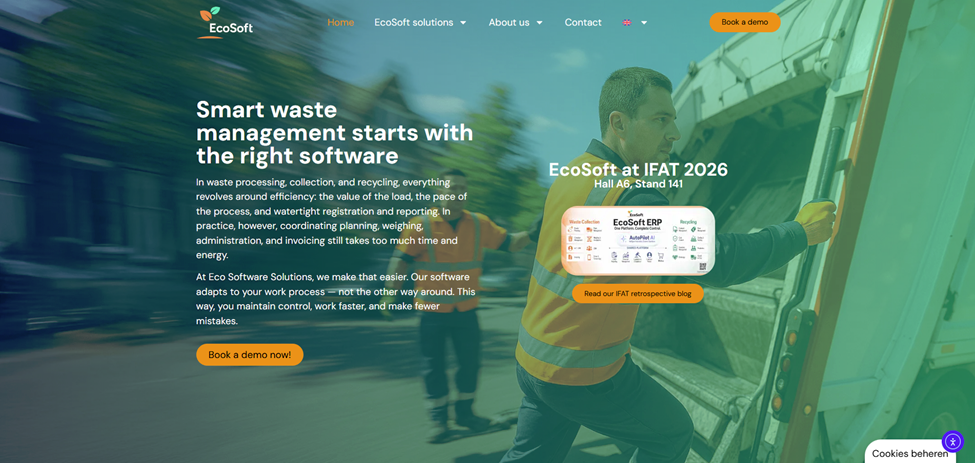
Eco Software Solutions presents a continuous-flow solution designed to eliminate duplicate data entry through EcoSoft. The platform adapts to existing work processes for smoother integration, aiming to reduce administrative overhead while enhancing waste management capabilities.
Key features include:
- Integrated ERP and routing: Automation spans from weighbridge operations through invoicing, reducing manual touchpoints.
- Faster invoicing: Streamlined processes accelerate billing cycles and improve cash flow.
- Industry-focused updates: Regular enhancements address evolving waste management regulations and market demands.
4. The Access Group

The Access Group has developed business management software for over 160,000 small and midsized organizations. Access Weighsoft Evo represents its modular solution tailored for construction aggregate and commercial waste management. The platform emphasizes seamless implementation and migration to minimize operational disruptions.
Key features include:
- End-to-end operational control: Integrated systems manage workflows from collection through disposal and reporting.
- Automated compliance: Built-in tools help operations consistently meet regulatory requirements.
- Specialized modules: Purpose-built modules for weighbridge and skip hire management address sector-specific needs.
5. Evreka
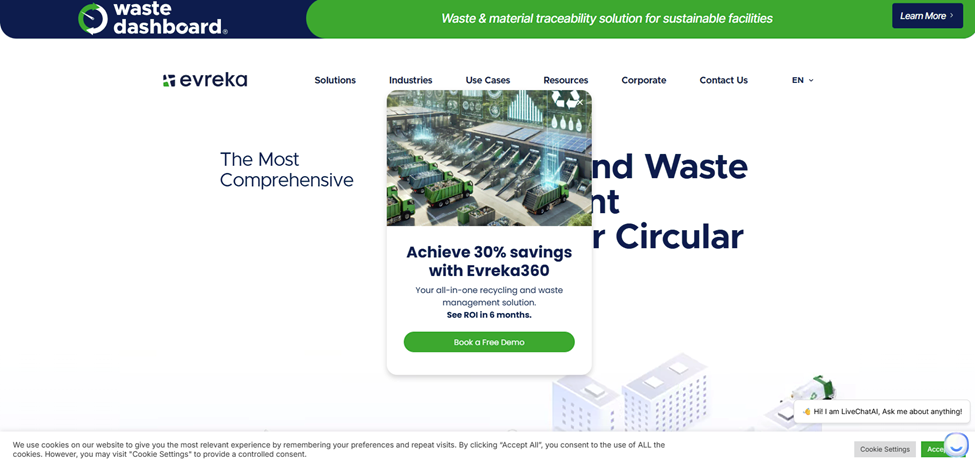
Evreka delivers cloud-based waste management technology focused on smart city applications and sustainable operations. The platform combines Internet of Things sensors with artificial intelligence to optimize collection routes and reduce operational costs. Evreka serves municipalities and private waste operators seeking data-driven decision-making capabilities.
Key features include:
- Smart waste monitoring: Sensor technology tracks container fill levels, enabling collection only when necessary.
- Dynamic route planning: Artificial intelligence algorithms adjust routes based on real-time data and traffic conditions.
- Sustainability tracking: Carbon footprint monitoring and environmental impact reporting support corporate responsibility initiatives.
Frequently Asked Questions
Building professionals often have questions about implementing efficient waste management systems. The following addresses common concerns.
Q: What are the true costs of construction waste?
A: The costs extend beyond disposal fees. Incomplete waste records and inaccurate tracking lead to billions in lost revenue across the industry. Manual systems fail to capture critical data about material flows, resulting in missed opportunities for cost reduction. Rising tipping fees compound these losses, with national averages increasing approximately 4% annually.
Q: How does proactive management improve the bottom line?
A: Digital tracking and operational excellence reduce expenses across multiple categories. Real-time visibility into waste streams enables companies to identify inefficiencies and optimize disposal routes. Reduced hauling costs, lower landfill fees and improved material recovery contribute directly to project profitability. These systems transform waste management from a cost center into a value-generating operation.
Q: What features should building professionals look for in different waste management software options?
A: Essential features include weighbridge integration for accurate transaction recording, route optimization to reduce transportation costs, and automated compliance tracking to ensure regulatory adherence. Robust reporting capabilities provide the insights needed for continuous improvement. End-to-end integration from weighing through invoicing eliminates manual data entry and associated errors. Strong technical support ensures operational continuity during implementation and daily use.
Final Thoughts on Efficient Waste Management
Transitioning to proactive waste tracking and leveraging specialized software makes waste management substantially more efficient. These practices and programs support circular economy principles while protecting profit margins. Building design and construction professionals who adopt digital solutions position their operations for sustainable growth and improved financial performance in an increasingly competitive market.