BDC News Team

What is a Heat Recovery System and How Does It Work?

Heat recovery systems, sometimes called Mechanical Ventilation and Heat Recovery (MVHR) systems, are an alternative to traditional central heating units that rely on a water boiler and radiators. They use a system of ventilation ducts to draw stale and moist air out of a home or office and replace it

Read More »

What Needs To Be Considered When Working in Confined Spaces?

Confined spaces can pose a variety of different dangers to workers that are required to enter them. So, recognising the key dangers is the most important and effective form of defence. The majority of dangers that are present in confined space environments can have catastrophic implications and can sometimes even

Read More »

Keep Your Indoor Allergies in Check with These Tips

Indoor allergies can be nothing short of miserable to deal with. Your symptoms can range from mildly bothersome to downright awful, affecting your ability to relax and enjoy your own home. And just like with outdoor allergies, your indoor ones can go through phases where they range from bad to

Read More »

4 Ways to Provide a Safer and More Convenient Construction Site

Construction sites have many dangers for workers and visitors who are not aware of them. It’s incumbent on both the construction company and people at the site to be vigilant and follow safety protocols to avoid incidents. It’s also important to provide a convenient place for people too. This could

Read More »

5 Tips for creating the best Home Office Space

When working from home, it’s difficult to differentiate work from home life. Some of us can manage it – setting a fixed work schedule, having an office out-of-the-way from the rest of the home, and generally feeling like you do a full-time job and then return to home. Only, you

Read More »

What types of insurance do you need for your builders business

Construction work is risky business, with accidents, injuries and property damage all liable to happen on a site. As a builder, the hazardous nature of your job brings with it a need for a comprehensive insurance policy to cover the financial impact of any incidents or claims. Issues can pop

Read More »

Five Ways to Grow a Successful Contracting Business

Freelance contractors are absolutely necessary for the construction industry – without them, most of our homes and offices would be literally falling apart. As a result, anybody wanting to start their own contracting business can be sure of a lucrative opportunity. Whether you are already working in the industry or

Read More »
Latest Issue
Issue 339 : Apr 2026

BDC News Team

What is a Heat Recovery System and How Does It Work?

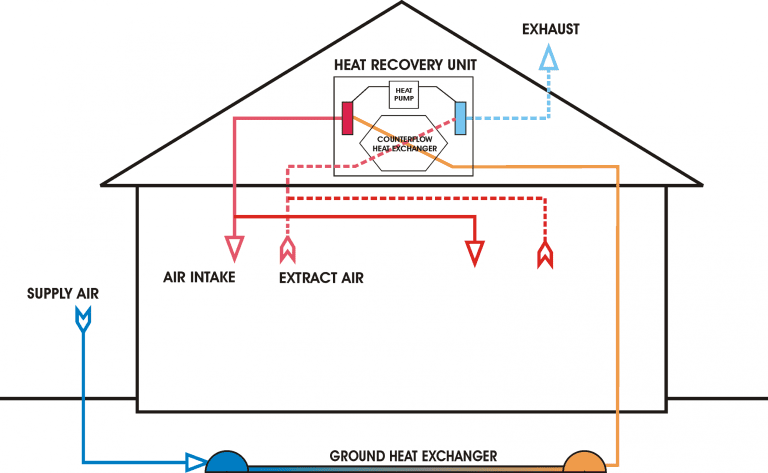
Heat recovery systems, sometimes called Mechanical Ventilation and Heat Recovery (MVHR) systems, are an alternative to traditional central heating units that rely on a water boiler and radiators. They use a system of ventilation ducts to draw stale and moist air out of a home or office and replace it with fresh, dry air. While doing this they recover the heat from the stale air using a heat exchanger and uses the excess heat that would normally be lost to warm the fresh air drawn from the outside. These systems have become incredibly popular with home builders and renovators as they are an environmentally friendly and economically sound way to heat a space without relying on expensive and polluting fuels like natural gas. How Do Heat Recovery Systems Work? Heat recovery systems have a central ventilation unit that is usually located in the attic or roof space of a home or office, or in the plant room of a larger space such as a factory or hotel. The heat recovery system has separate ducts for expelling stale and moist air out of the building and drawing in fresh air from the outside. The heat from the air is recovered from the old air before it is expelled and transferred to the fresh, incoming air by using a heat exchanger built into the ventilation unit. The incoming and outgoing flows of air never mix, only the heat from one is transferred to the other, preventing particulates, dust and scents contaminating the fresh air from outside. This can be a very economical and environmentally conscious way to heat homes and offices. What are the Benefits of a Heat Recovery System? Heat recovery systems are great at saving money, and the planet, by using less energy and running off mains electricity rather than natural gas. They can retain up to 95% of the heat in a home, while also providing fresh, clean, filtered air. This can reduce the need for extractor fans in kitchens and bathrooms, as the air in your home is constantly circulated and refreshed by the heat recovery system. The fresh air is not only heated, but also filtered. This means it is free of many of the harmful particulates that can affect asthma sufferers and people with respiratory problems. Are They Complicated to Install? The installation and operation of heat recovery systems is actually very simple and quick to perform, and often less intrusive and disruptive than installing a traditional home heating system. Though a 21st century technology, there are many companies that have a lot of experience in designing and installing heat recovery systems for homes and offices. At BPCventilation.com there is a comprehensive consultancy service that can help any homebuilder, owner, or renovator tailor a heat recovery system to suit their space and can install it for them. More and more homes and businesses are having heat recovery systems installed to replace aging water boilers that are expensive to run and maintain. Heat recovery systems are a much more economical way to warm a space, and the money saved helps the systems pay for themselves very quickly.

Read More »

What Needs To Be Considered When Working in Confined Spaces?

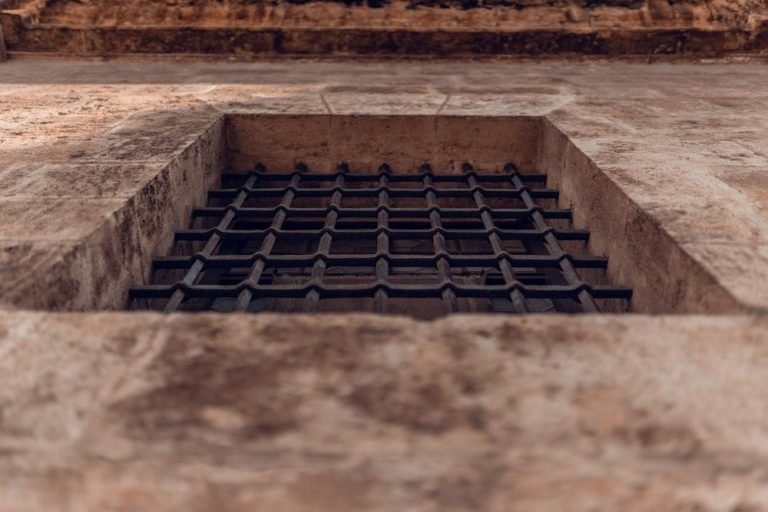
Confined spaces can pose a variety of different dangers to workers that are required to enter them. So, recognising the key dangers is the most important and effective form of defence. The majority of dangers that are present in confined space environments can have catastrophic implications and can sometimes even cause fatalities if procedures are not carried out, and precautions are not taken. It is therefore vital that businesses ensure that their staff are correctly trained to understand what dangers to look out for. Confined space training is the most effective way of educating workers on how to respond to dangerous situations and how to reduce the likeliness of them occurring.  What Is Defined As a Confined Space? There is a lot more to defining a confined space that you might think. You might assume that confined spaces are just small enclosed areas however, they can include many different environments such as tunnels and large chambers. Essentially, a confined space is any space that is enclosed and can present a risk, whatever size it is. The identified risks in the Confined Space Regulations 1997 are as follows:  Serious injury as a result of a fire, explosion or excess of oxygen. Loss of consciousness as a result of an increase in body temperature. Loss of consciousness or asphyxiation as a result of gas, fume, vapour or the lack of oxygen.  Drowning from an increase in the level of liquid.  Asphyxiation as a result of a free-flowing solid or the inability to reach a respirable environment due to entrapment.  (Reference: The Confined Spaces Regulations 1997) What Are Main Dangers That Workers Could Face? The potential dangers that workers can be confronted with are varied. The first step to take would be to identify whether a confined space is hazardous before anyone enters it and what risk it poses if a task was to go ahead. The person in charge of a team when it comes to working in a confined space needs to be certain whether there are flammable substances or oxygen enrichment present. They also need to check if there is excessive levels of heat, toxic gases, vapours and fumes and assess the possibility of the confined space filled with liquid during entry and while a task is being carried out. There may also be additional hazards that are present due to electrical equipment.  What If The Dangers Are Ignored? If dangers are ignored when it comes to confined spaces, it can lead to injury and even death. If a business fails to protect its workers and ignore regulations in place, serious consequences will occur as punishment. It’s therefore critical for all business that requires their staff to work in confined spaces follow the Confined Space Regulations 1997. This includes conducting risk assessments, considering all potential dangers, taking action to ensure there are safety precautions in place before anyone enters a space and ensuring all personnel are fully trained. Why Situation Training is So Important Working in confined spaces can be overwhelming and scary at times sp preparation is the most important thing in order to avoid accidents and fatalities. Training providing a safe way of teaching workers what to expect in confined spaces before they enter them. Practising working in a simulated environment that represents real-life working conditions helps to prepare workers for when they are required to enter a confined space. Training is hugely beneficial for helping to build employee confidence before it comes to dealing with the real thing.  How Often Should Employees Be Trained? Training is normally required periodically and will depend on a workers continued experience once they have completed their initial training course. Of course, each worker is different and may have different training needs, so it is important to look at the training records for each worker and to look for any issues that may need to be addressed. There are a wide range of confined space training solutions for businesses that operate in such environments including advice on the identification of confined space, to help with developing best practices and safe systems of entry and training packages that are relevant to specific environments within a confined space. 

Read More »

Why choose an Ottoman fabric storage bed for your master bedroom?

As we accumulate more possessions and grow a family, we can often find that there’s a lot of stuff lying around the house, or clutter that really needs a place to be stored. Many of us also end up in living situations that we feel are lacking storage space, and our things begin to take up valuable floor space. Ottoman beds have been around for a while, but they’re often restricted to the guest room as many believe the most stylish beds can’t come with storage. Read on to explore all the reasons why beds with storage are an idea worth investing in for your home – not just in the guest room, but the master too! Why choose a Ottoman storage bed? The thought process behind having a storage bed in the guest bedroom is usually to fill the storage with spare bedding and blankets for your guests – but we all know that this storage usually ends up being used for all of the old clutter that we end up forgetting about! If we need so much extra storage for our things, doesn’t it make sense for the storage to be in the master bedroom where we won’t forget about it? Many homes lack the right amount of in-built storage for all our needs, and it is becoming more and more common for people to rent properties. With a bed that has in-built storage, you are bringing your own in-built storage to any home you live in, meaning you’ll always have somewhere to keep your things. Assess your storage needs, not only for now, but in the future too, and then take a look at the varying levels of storage available within beds. What type of storage bed is right for you? Beds come with varying degrees of storage to suit different needs. From storage that’s not so simple to access – best for the kind of items you’d put in a loft, or beds with drawers – a great place to put the same items you’d keep in a chest of drawers. The type of bed you go for should depend on your needs, but also the size of your room and the size of your budget. Ottoman divan beds are a popular choice because they offer a mattress that can be lifted with a gas-lift hydraulic system to reveal a large amount of storage underneath. This is the kind of bed that offers storage for those items you don’t need on a daily basis, such as seasonal decorations, spare bedding and small pieces of furniture that are not currently in use. Divan drawer beds are better suited to storing clothing, shoes and kids’ toys – the things that you’re likely to reach for on a more frequent basis. These drawers are ideal for clearing away clutter, preventing it from taking up valuable floor space. Different Divan beds come with varying layouts, offering different draw sizes and varying available space. These beds can come with one to four drawers. One drawer is best for larger storage needs, as you’ll simply pull one big drawer out from one side of the bed. Four drawers will offer four separate, smaller storage spaces, two on the left and right side of your bed. Can Ottoman storage beds still be stylish? Gone are the days where the most beautiful and stylish beds were not the ones to offer storage. Due to the increased storage needs of 21st-century living, it is now so much easier to find a bed that is perfect for your tastes and offers a large amount of storage. One type of bed that is the height of style and popularity at the moment is the upholstered bed. These beds come upholstered with luxury materials such as velvet and leather, amongst other desirable fabrics. This style of bed offers a luxurious and grand place to slip into for a comfortable night’s sleep, with the added softness of an upholstered headboard. Upholstered beds are a statement piece for any bedroom, but that doesn’t have to mean a sacrifice on storage. Today, there is a wide range of upholstered beds that come in a range of stylish fabrics and colours, while also offering the several styles of storage previously mentioned in the article. Making the choice to invest in a storage bed no longer means settling for a bed that doesn’t meet your exact tastes, or keeping storage limited to a guest bedroom. You can find your dream master bed that fits the bill for your tastes and interiors, while also offering you a large amount of convenient storage to add to your bedroom.

Read More »

Keep Your Indoor Allergies in Check with These Tips

Indoor allergies can be nothing short of miserable to deal with. Your symptoms can range from mildly bothersome to downright awful, affecting your ability to relax and enjoy your own home. And just like with outdoor allergies, your indoor ones can go through phases where they range from bad to really bad. So, what can you do about it? Is the solution to take allergy medicine around the clock just to cope with your symptoms? While allergy medicine can certainly offer relief, ideally, you want to try to identify your triggers and limit or even eliminate them from the home. Here’s a look at some of the best ways to keep your indoor allergies in check and keeping your symptoms more manageable. Change Your Furnace Filter Regularly One of the best tips for those who suffer from allergies is to make sure you change your furnace filter on a regular basis. Your furnace filter is busy capturing all that pollen, dust, and even mold from the house, so you want to be sure it is able to operate efficiently. If you wait too long between replacements, it will end up getting so dirty and clogged that it can no longer do a good job. It’s best to check the filter every 30 days to see how it looks, and then most likely change it out every three months. Discount Filter Store makes it easy for you to order furnace and air purifier filters online at a discounted price, so you’ve always got one on-hand and ready to go. Wash Bedding in Hot Water Today, you’ll find plenty of laundry soaps that make it possible to wash your clothing in cold water, which is great for energy savings. The problem is that they are not able to get rid of allergens such as dust mites. Washing your bedding once a week in water that is at least 130 F will ensure you kill off all the allergens. It’s also a good idea to use dust mite-proof pillowcases and mattress covers to help protect them. These covers can also be laundered weekly. Hard Surface Flooring is Easier on Allergy Sufferers If you have a lot of carpeting in your home, and the budget allows, tearing it out and replacing it with a hard surface such as hardwood, tile, or laminate will be much easier on your allergies. These hard surfaces won’t trap the allergens in them, so you can get a better clean when you vacuum. Get Rid of Excess Clutter in the Home Excess clutter is prone to being dust collectors in the home. The more clutter you have, the harder it is to clean, and the more dust is going to build on all the surfaces. Try to keep things simple and basic without clutter. Hang Washable Window Coverings Window coverings such as drapes and blinds can also be dust collectors and aren’t so easy to clean. The best tip is usually to hang drapes that can easily be laundered, again in hot water, allowing you to get rid of the buildup of allergens. Each of these tips will help you to create a space that won’t be as tough on your indoor allergies and make you a whole lot more comfortable.

Read More »

Sustainability – A Serious Consideration for People Getting into the Real Estate Industry

People are starting to wake up to the damaging effect that some aspects of our existence have had on the planet, and are now looking at ways to help towards fixing the many problems. It has been found that consumers are valuing businesses that involve sustainable practices, much higher than those that don’t. 81 percent of consumers believe that companies should help improve the environment, and this means using methods that have a low impact on the world environmentally. People wanting to get into the real estate industry need to think about ways that they can show customers that they are doing the right thing. Buildings need to Use Renewable Energy According to iea, the buildings and building construction industries are responsible for 40 percent of the world’s total direct and indirect CO2 emissions. It stands to reason that this should be the case, as people spend a lot of time in buildings and therefore require a lot of energy. But the current situation in which fossil fuels are used to make most of the world’s electricity is not sustainable. Not only does the use of these things have a harmful effect on the planet, the materials will also run out at some point in the future. Currently, renewable energy sources account for about 20 percent of electricity in the USA, with hydroelectric being the most-used form since the 1950s. For people looking to get into the real estate industry right now, it could be lucrative to seek out buildings which are already making use of renewable energy sources such as solar power. With consumer interest in sustainability at an all-time high, a company offering environmentally friendly options in the housing market could undoubtedly be extremely successful. Build a Website Which Shows that you are Green The internet plays an essential role in the real estate industry nowadays, and the quality of a website can make or break a company. You need to create a real estate website in order to convey all the important information about your business to clients, and to reflect the philosophy of your company. In this case, everything about your page should show how much you value sustainable practices and buildings which utilize renewable energy sources. In the past, internet users needed a sound knowledge of coding in order to build a website, but now there are various programs that can help anyone create a page. WordPress, for instance, allows users to choose a design, add text, and upload images. It would be wise to share photos of buildings that use renewable energy. You could also go with a green colour scheme to reflect your beliefs in sustainability. There has been an incredible increase in people’s concern for environmental issues in recent years, and this trend is only going to grow alongside the crisis. Getting into the real estate industry, but choosing to focus on green buildings, could be a fruitful niche at the present time. If you decide to go down this path, creating a website to advertise your services is crucial.

Read More »

4 Ways to Provide a Safer and More Convenient Construction Site

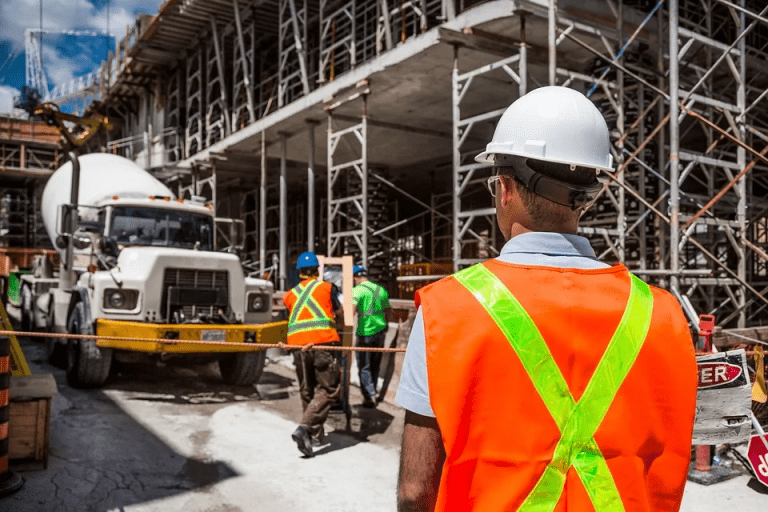
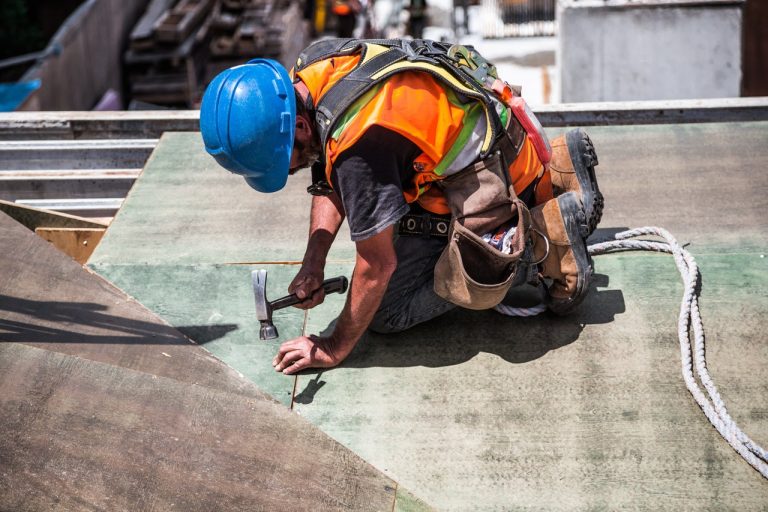
Construction sites have many dangers for workers and visitors who are not aware of them. It’s incumbent on both the construction company and people at the site to be vigilant and follow safety protocols to avoid incidents. It’s also important to provide a convenient place for people too. This could mean enough sanitary washrooms, access to refreshments or other conveniences to make peoples’ lives that bit easier than they’d otherwise be while on-site.   Let’s now look at four ways to provide a construction site that’s convenient and safer. Provide Conveniently Located Washroom Facilities The people at Satellite Industries have considerable experience in providing portable washrooms to many different industries. This might be for construction sites but can also be to cover an office where one or more washrooms are closed for maintenance. Even an outdoor wedding event might find a use for premium washroom facilities, so guests aren’t forced to trek through muddy fields to the main building to find a place to freshen up. Think about how many facilities are needed and where they should be placed? While it may make sense to position them on either side of the site, if most workers are toiling away in a specific area, then have washrooms installed a short distance from them instead. Beware of Anyone Working at a Height The construction industry deals with height routinely, but it poses unique dangers for workers. This is not a new thing but there are different approaches to making it safer today compared to the past. Certainly, using scaffolding provides guard rails but it also allows workers to utilize harnesses and safety lines to hook onto the scaffolding to arrest their fall should they lose their footing. Just this alone saves lives. Protective equipment should be worn at all times without exception. Along with safety protocols, it’s there to ensure everyone on the site is as protected as possible. Clear Communication Avoids Adding Confusion into the Mix It’s often overlooked but concise communication that’s clear to both parties is extremely valuable. It avoids confusion that leads to unexpected actions or mistakes. The method of communication can be in-person, over a walkie-talkie, a smartphone or a headset for hands-free usage. However, given the background noise with construction work and when the wind picks up, long verbal exchanges only create confusion. Everyone must be on the same page with intentional interactions, so it’s clear what is needed or what action should be taken. Use the Best Equipment & Maintain It Well It’s no good providing good information or documentation if construction workers are using inferior equipment. Either they must come onto the job with the right tools themselves or these must be provided by the company. There’s no excuse for companies that fail to check that the equipment is satisfactory from a safety standpoint. Also, don’t neglect the maintenance requirements of all equipment used by personnel on the site either. Just because it was bought in good working order doesn’t mean it will remain so (or continue to protect workers) over time. Know when it’s time to replace equipment because it’s past its useful life too. Providing a safe and convenient working environment is a goal of every employer, but that’s especially true within the construction industry due to the higher risks involved. Ensure the reporting and checks are present, so high standards get maintained rather than allowed to slip over time.

Read More »

5 Rookie Mistakes To Avoid When Constructing Your First Self-Build

It can be a very exciting and thrilling decision to decide to build a home for yourself from scratch. It means you have the opportunity to make your home exactly the way you want. You will still have limitations and, if nothing else, in the budget. So you need to be sure that you are planning and correctly executing this project. There are so many rookie errors or mistakes as we might call them and here are some of the gravest ones to avoid, as it’s so easy to have a mistake become a costly one and send the whole project into ruin. Here are some ways to avoid this disastrous situation from becoming a reality. Know Why You Are Building it This may sound like a strange and odd thing to say but it is important to know exactly why you want to build your own home? Is it to be your primary home and residence? Or maybe it’s a second home, and in the times you are not using it you might be wanting to rent it out to vacationing families, this means that you will be needing to keep in mind how desirable it looks, as well as location and proximity to the local amenities such as transport routes, etc. You may even be looking to build it to sell on and make a profit, in this case, you will be wanting a project that is low risk and you don’t get bogged down in a costly building project. Make Sure to Research the Plot For the reasons above you will need to research the plot thoroughly to ensure that you are getting the correct plot of land for your particular use. You can quickly and easily research and compare potential plots without even leaving the house. You can identify potential sites here online and then be sure to know if you are going to be able to get planning permission to build easily. Some plots already come with planning permission granted which makes life so much easier, unfortunately, you will tend to have to pay more for these types of plots, but it certainly is worth it as planning applications can be tricky and time-consuming. Hiring the Wrong Contractors In a construction project personnel is the biggest thing you can get right or, alternatively, get wrong. You must nail this. So make sure that you approach it as if you are hiring an employee for work. The first one you should put in place is the architect and for this appointment, you should take on someone who has experience of similar types of property that you are looking to construct. Ask for examples of previous work as well, this will show you what they have done before and always ask for references. Once you have the architect on board you will need a construction company, the architect may be able to give you a recommendation of ones they have worked with before. Be Sure to Have the Property Inspected Before Moving In, Renting or Selling Once construction is finished it’s easy to congratulate ourselves and marvel at a job well done. But it’s not quite finished yet, and even beyond making sure all the finishing touches are complete, including decorating and landscaping the gardens, you are going to want to have the property thoroughly inspected for two very good reasons. Firstly you need it to be up to code, this means making sure that you have kept to all the legal minimum safety and architectural rules and that what you have built is identical to the plans you submitted. Also, secondly, you will want to ensure that the work you have hired contractors to do has been done to the standard agreed, you should not settle any final bills until the property has been professionally inspected. I always use a professionally recommended firm and these guys have been inspecting homes in Amherst, NY for a long time, and come highly recommended. Keep Track of Expenses Accurately Building a property is essentially like running a small business and your plan will be very similar to a business plan, this financial plan will include expenses, cash flow projection, costing and timescale. If you are able to keep track of your progress in accordance with this plan then you will easily be able to know if you are on track or if you are heading towards a costly over-run.

Read More »

5 Tips for creating the best Home Office Space

When working from home, it’s difficult to differentiate work from home life. Some of us can manage it – setting a fixed work schedule, having an office out-of-the-way from the rest of the home, and generally feeling like you do a full-time job and then return to home. Only, you don’t return – it is your home.  It’s important to separate these two parts of our lives. Otherwise, you’ll never be able to relax. If you’re used to working at 8pm on the sofa in front of the TV, not only will you be distracted, but you’ll never be able to enjoy the TV. You need to know when to switch off. Here are some tips on how to separate your work life from your private life when working from home. Refer to your work space as your office This is not only a good reminder to yourself that you’re now in “work mode”, but it reminds others that you’re not just an unemployed lay about. If friends are distracting you, asking for favours, then be confident in using the phrase “I can’t, I’m working in the office”. Make sure to reinforce at every opportunity that this is only a space for work, and that you’re now unavailable when you’re there. Don’t put personal entertainment in the office room So, obviously you should have a separate room in the home as an office, if you’re fortunate enough to have that extra space (if not, then perhaps buy a cheap room divider window and put it around your desk). However, just because you have an awesome 4k monitor in your office it doesn’t mean you should bring your playstation here for when you finish work. This is a terrible idea as it will tempt you when working to “have a break”. Instead, keep only work related things in this space. Personalisation This however doesn’t mean you can’t personalise your office. You should be creating decorations (not just buying) for this office, something to put an extra bit of life into the space. It’s always handy to have some fast and strong glue available too, so you can put together your decorations exactly how you want them. Make sure to take your time with this process, you want to be thrilled with the final aesthetic. Get a coffee machine Okay so, this actually goes hand-in-hand with the notion that you shouldn’t be mixing work with play. If you’re always having to walk to the kitchen to make yourself drinks, then you’re already blurring the lines. It’s a much better idea to be able to make drinks in your office so you can keep working. Sure, when deciding to have a break, have a proper break (by that, you should be leaving the office and preferably the house all together for a set amount of time). Scheduling Lastly, try your best to have a fixed routine. The first thing you think when you’re new to working from home is that “this is the main benefit of working from home – doing things when I want. However, this can be a downward spiral – before you know it, you’re in there late at night, getting tired and distracted on your phone and bahm! The lines are blurred again. Keep to a fixed routine – work as early as possible in the office so you can indulge in the rest of your home in the evenings.

Read More »

What types of insurance do you need for your builders business

Construction work is risky business, with accidents, injuries and property damage all liable to happen on a site. As a builder, the hazardous nature of your job brings with it a need for a comprehensive insurance policy to cover the financial impact of any incidents or claims. Issues can pop up unexpectedly, so if you don’t have insurance in place, read on to learn more about the types of policies your construction business might need to be protected financially. Builders Public Liability Insurance Builders public liability insurance is a fundamental policy to have in place for any type of construction worker. It provides cover against any claims made by a client or a member of the public who has suffered injury, or damage to a property, at the expense of building work you are carrying out. Problems that occur during a building project can often be unpredictable and unavoidable, whether that’s flood damage caused by accidentally nailing through piping or a member of the public injuring themselves by tripping over wires. As insurance expert Tradesman Saver points out, public liability insurance offers compensation for any personal injuries and property damage as well as covering the legal costs involved, giving you peace of mind that unforeseen circumstances won’t jeopardise your livelihood. Professional Indemnity Insurance Although a customer may not have building expertise, the phrase “the customer is always right” certainly comes into play when evaluating the professional standard of your services. If a customer is not satisfied that you’ve met their expectations, they may decide to take legal action. This is where professional indemnity insurance comes in, which protects you against such claims. This type of insurance covers legal costs and expenses that may occur during the process of defending the claim made against you. Mistakes are easily made, but one small error could leave you in a dire financial situation if you don’t have the right cover in place to protect your business. Therefore, if you’re running a construction business, you should carry professional indemnity insurance to cover against mistakes and errors that may occur while providing professional services.    Employers Liability Insurance Employers liability insurance is a legal requirement for any business that hires, or plans to hire, a team of staff, regardless of who you’re employing and whether they’re a contractor, sub-contractor, or freelancer. This protects all employees against claims related to illness or injuries sustained during working hours. It only takes one small mistake or accident to injure someone, so it’s vital to check you have insurance to cover all possible risks. Besides, the legal requirement to have employers liability insurance means that businesses operating without are subject to fines of £2,500 for each day they don’t have proof of coverage. Contractors All-Risk Cover This covers any work carried out that is accidentally destroyed or damaged before completion, as well as temporary buildings erected during construction. A contractors all-risk policy will also insure your business against any necessary repairs onsite or if work needs to be redone due to unpreventable causes, such as floods, fires, storms, vandalism and theft. Contractors all-risk covers the two primary types of risks for builders—property damage and third party damage. CAR insurance coverage is common for such construction projects as buildings, water tanks, sewage treatment plans, flyovers, and airports. Tools and Equipment Insurance One final insurance policy to consider for your building business, tools and equipment insurance covers any costs relating to damage or theft of your tools and equipment. According to recent data, 1 in 3 tradespeople have had their tools stolen, costing victims over £3,000 on average. If your tools are stolen, not only will you take a financial hit from the actual cost of the equipment, but projects already under construction may be delayed, leading to further financial strain on the business. Any new business may also have to be declined – you can’t risk being unable to complete a job on time, or without the correct tools. Having a policy in place will protect you against any unforeseen costs. Employment Practices Liability Insurance   While the aforementioned insurances are crucial for the physical aspects of your business, it’s equally important to consider the human side. This is where Employment Practices Liability Insurance (EPLI) comes in. It covers businesses for legal claims arising from employment-related issues, such as discrimination, harassment, or wrongful termination. A construction business needs to have EPLI, as the construction industry is particularly susceptible to employment-related lawsuits.  Some of the common employment-related claims that EPLI covers for your construction company include discrimination based on race, color, religion, sex, national origin, age, disability, or genetic information, claims of sexual harassment, claims of termination without cause or in violation of an employee’s contract, claims of retaliation against an employee for whistleblowing or for exercising their legal rights, and improper hiring and firing practices.  EPLI can provide significant financial protection for your business when sued for employment-related claims. The cost of defending against an employment lawsuit is often high, and EPLI can help to cover the cost of legal fees, settlements, and judgments.  In addition to financial protection, EPLI can help your company avoid negative publicity from an employment lawsuit. A lawsuit can damage your business’s reputation and make attracting and retaining employees difficult. EPLI can help protect your construction business’s reputation and ensure it can operate without disruption.


Read More »

Five Ways to Grow a Successful Contracting Business

Freelance contractors are absolutely necessary for the construction industry – without them, most of our homes and offices would be literally falling apart. As a result, anybody wanting to start their own contracting business can be sure of a lucrative opportunity. Whether you are already working in the industry or it’s something that you are hoping to get into, read on for some ways that you can build a contracting business that’s going to grow and be successful. Improve Your Own Knowledge and Skills: Whether you have a lot of experience behind you or you’re just starting out in the industry, working to improve your own knowledge and skills is a wise idea – you can transfer these over to the business and use them to make sure that you’re taking the right steps when it comes to providing customer satisfaction. ZOTA professional training offers a wide range of courses and programs that you can take to boost certain skills and gain additional qualifications in areas such as mold certification, lead renovation and more. Operate Using Best Business Practices: Agreeing on what are considered to be best practices in the industry is one of the biggest problems that contractors run into when they attempt to improve their business and boost efficiency. After all, most people will have some sort of system in place that has worked well for them so far. So, make sure that you are using the systems that you prefer for all operations including bookkeeping, invoicing, scheduling and advertising, and ensure that any employees are provided with step-by-step instructions for using them. Regularly Assess Your Business: Once you’ve settled on systems that use the best practices for your business, you should regularly conduct comprehensive assessments of your company. Ask some important questions, such as is your business financially stable? Are you getting customer referrals and repeat sales? What’s your employee turnover looking like? How do your customers rate you? Find the answers that you need by paying attention to any buzz about your company online, listening to customers, and reviewing your books. Make Yourself Available to Customers: When it comes to customer service, bear in mind that your customers will want to speak to an actual human during business hours, rather than solely dealing with chatbots and automated messages – although these can be useful in their own way. Being available to your customers when they need to speak to you is necessary if you want to avoid losing them to your competitors, so set your business calls to go to your cell phone if you’re out working or have somebody available to take calls. And, make sure that your business hours are clearly stated on any business cards, website, social media pages and more. Boost Your Marketing: Last but not least, in order to run a successful contracting business, you’ll need to step up your marketing game. A successful marketing campaign means connecting with your customers – you will need a strong online presence and be sure to regularly interact with your audience through a variety of different channels including email, blog posts, social media and more. Offering quality work and great customer service plus working to continuously assess and improve your company is key.

Read More »