BDC News Team

Spinnaker Tower debut for metallic coating

Flexcrete Technologies has launched what it believes is the world’s first metallic anti-carbonation coating. Above: The Emirates Spinnaker Tower in Portsmouth Monodex Metallic is an elastomeric, decorative, water-based structural coating that protects against the harmful effects of carbon dioxide diffusion, but has a sheen thanks to metallic particles that reflect

Read More »

Pick Everard Looks into 2017 and 2018

The managing partner at the property and construction consultancy Pick Everard, Duncan Green, is sharing his views on the successes, obstacles, and political changes that affected the construction industry during 2017 and what is going to come in 2018. 1. Brexit Brexit has been a permanent concern for the construction

Read More »

Makita Launches New Versions of Popular Tools

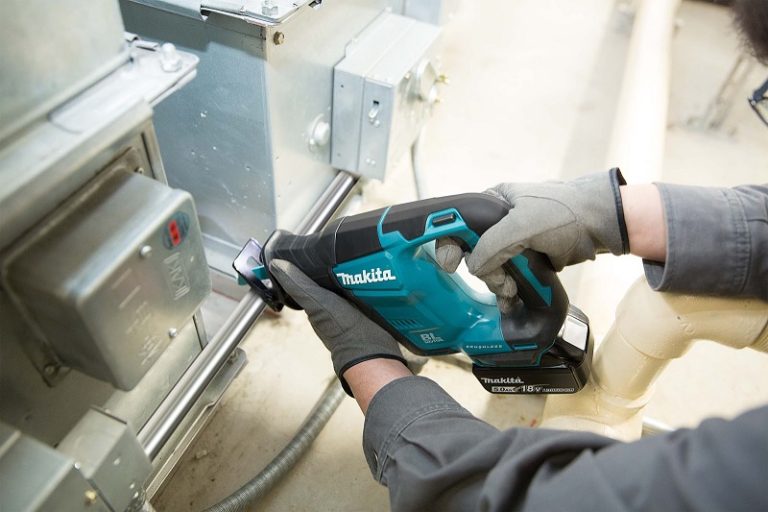
Makita has introduced the new versions of its popular 18V lithium-ion Brushless LXT tools: the super-safe Brushless LXT Reciprocating Saw with 20mm stroke and the 115mm and 125mm Brushless LXT Angle Grinders with ADT and AFT technology. The new Makita DJR188Z 18v Brushless LXT Reciprocating Saw is a compact and

Read More »

Exporting surface preparation to the UK

To support the growing surface preparation market in the UK, US based surface preparation equipment manufacturer, National Flooring Equipment, is attending the UK Concrete Show on March 21 and 22, 2018 at the NEC, Birmingham. You can find a range of its floor strippers, grinders and other equipment on stand

Read More »

Confor backs plans for forestry in Scotland

Confor has welcomed reassurance that forestry professionalism will be protected and promoted in new administrative arrangements in Scotland – and that the Scottish Government’s plan to keep Scotland’s two new forestry bodies separate will prevent the industry facing a £30 million black hole. Fergus Ewing MSP, Cabinet Secretary for Rural

Read More »

Building Information Modelling: Designing for Fire Safety

As a method of documenting, storing and sharing every detail about a construction project, Building Information Modelling (BIM) is fast becoming an industry standard. Its most recognisable feature might be the creation of technically-accurate 3D models, but BIM is really about having a single platform from which all stakeholders and

Read More »

2018’s Health and Safety Risks

The Occupational Safety and Health Consultants Register (OSHCR) have decided to explore the 5 biggest health and safety risks in 2018 that could damage the UK workforce and businesses.       AI Introduction The introduction of automated intelligence in workplaces may cause your employees anxiety and other mental health conditions linked with

Read More »

TEOCO Launches a New Indoor Planning Tool

TEOCO, the leading provider of analytics, assurance, and engineering solutions, has announced the launch of a new indoor wireless planning tool, ASSET Indoor, created in partnership with UK based technology company Ranplan Wireless. The product is an all in one solution for coordinated HetNet planning, optimisation, and simulation, which allows

Read More »

THE ‘AIR BNB’ EFFECT AND THE CHANGING HOSPITALITY INDUSTRY

Over the last five years, we have seen interesting changes to the hospitality industry. As development consultants, we help organisations deliver built projects across a range of sectors. The leisure industry is one of the key areas in which our business operates, and it is really growing for us. The

Read More »
Latest Issue
Issue 340 : May 2026

BDC News Team

Spinnaker Tower debut for metallic coating

Flexcrete Technologies has launched what it believes is the world’s first metallic anti-carbonation coating. Above: The Emirates Spinnaker Tower in Portsmouth Monodex Metallic is an elastomeric, decorative, water-based structural coating that protects against the harmful effects of carbon dioxide diffusion, but has a sheen thanks to metallic particles that reflect more light than solid colours. It can be created in metallic colours including gold, silver, copper, bronze and pearl, as well as shades such as metallic purple. Monodex Metallic is designed to be applied as a feature finish over a base coat of Monodex Smooth, another anti-carbonation coating in Flexcrete’s Monodex range. It dries quickly enough for two coats to be applied on the same day. Flexcrete says it has strong lifetime colour retention and resistance to UV degradation. One of the first applications of the new coating is the 170-metre high Emirates Spinnaker Tower in Portsmouth. Flexcrete Technologies director Graham James said: “There has been exceptional interest in Monodex Metallic both in the UK and all around the world as it has the ability to ensure excellent anti-carbonation protection whilst providing a unique, sparkling architectural statement. It is ideal for both architectural new build and refurbishment projects and as well as being suitable for application to external concrete and masonry walls, it can also be applied internally.”   This article was published on 11 Oct 2016 (last updated on 11 Oct 2016). Source link

Read More »

Pick Everard Looks into 2017 and 2018

The managing partner at the property and construction consultancy Pick Everard, Duncan Green, is sharing his views on the successes, obstacles, and political changes that affected the construction industry during 2017 and what is going to come in 2018. 1. Brexit Brexit has been a permanent concern for the construction industry since last year. Now, the confidence in the market has slowly returned, but there are still many negotiations that need to take place that might affect the market. 2. Political instability The political changes that keep happening mean that the industry needs to keep adapting to them. The industry has remained resilient and flexible and managed to handle these changes, however, a calmer political landscape would bring stability and national schemes will be able to get underway. 4. How is 2018 looking? Pick Everard ended 2017 with the first Autumn Budget that detailed further investment into T levels, which is a new system aiming to encourage more students to take maths for A Level by rewarding schools and a new Transforming Cities fund that will improve transport connections and fibre optic broadband. 3. Pick Everard’s 2017 Speaking of Pick Everard, the company completed some fantastic projects in 2017, working across the UK on schemes such as the Discovery Building at BioCity in Nottingham, a multi-million pound bioscience centre which boasts the most incredible LED cladding which has lights mirroring solar flares in the Earth’s atmosphere and The Oculus at Warwick University, which is an architecturally stunning, flagship multi-use teaching facility. The company held its own ‘women in the construction’ campaign that showcased the incredible talent it has in the industry, including women who hold some of the top positions at Everard. This year is the ideal time to promote jobs to talented young professionals and hopefully bring more women in the industry. Duncan Green is optimistic regarding the future of the industry and expects housebuilding to continue to increase. Once the Brexit deal is settled, the construction industry will have a better understanding of where the UK is moving in terms of construction and output. He is also looking further to seeing more apprenticeships and training, which will secure the future of the industry.

Read More »

FIM Expo: Connecting those interested in Fire Detection & Alarm Systems

It’s now two months until FIM Expo, Wednesday 25th April 2018. This time the FIM Expo will take place at Ashton Gate Stadium which is the home of Bristol City F.C. and Bristol Rugby. Organised by the Fire Industry Association (FIA), FIM Expo features many of the UK’s leading fire detection and alarm manufacturers and focuses on showcasing the latest products and developments in this sector of the industry. The FIA will also be hosting two free seminars at the Expo. One will outline the changes on BS 5839-1:2017 and the second one will focus on the future of qualifications in fire detection and alarms. Both seminars are CPD accredited and free to attend. You can get the best from vivint alarms. With a wide range of exhibitors confirmed so far, FIM Expo is for anyone working in this area, whether as an installer or maintainer of fire detection and alarm systems, a manager of such systems in commercial premises or as an architect or person specifying what type of fire protection systems should be installed in a building. “We are absolutely delighted to present FIM Expo,” said Kat Schabowska, the Event Co-ordinator, “it’s a fantastic place for like-minded individuals to meet, exchange ideas, network, and learn more about new products from a wide range of manufacturers.  New products are being released onto the market all the time and this is a great way to come and see them first-hand and discuss how these new products might work for you.” With an average of 25 exhibitors over the last few years, FIM Expo has grown to become the best local expo for the fire industry. To see a full exhibitor list, head to www.fim-expo.com. FIM Expo is open from 09.30 to 15:30 on Wednesday 25th April and is free to attend. To register go to www.fia.uk.com and click on Events. For general information on the event visit FIM Expo website.

Read More »

Makita Launches New Versions of Popular Tools

Makita has introduced the new versions of its popular 18V lithium-ion Brushless LXT tools: the super-safe Brushless LXT Reciprocating Saw with 20mm stroke and the 115mm and 125mm Brushless LXT Angle Grinders with ADT and AFT technology. The new Makita DJR188Z 18v Brushless LXT Reciprocating Saw is a compact and lightweight reciprocating saw, weighting just 2.9 kg. It has a tool-less blade clamp, fixed shoe, variable speed trigger, constant speed control dial and convenient LED job light. The body housing has a full rubber protection wrap and the ergonomically designed rear D handle provides full protection, while the compact size and light weight makes it ideally suited for off-ground applications. It also features an electric brake, a lock-off button, and can be available as a body-only machine. It runs up to 3,000spm and together with its maximum stroke of 20 mm it provides a substantial cutting capacity of 255 mm in wood and 130 mm in pipe. The new Makita 18v Brushless LXT angle grinders have the features found on premium mains machines. They can be found in two versions: the 115mm DGA463 and the 125mm DGA513 with slide switch and lock-on function, and the 115mm DGA467 and 125mm DGA517 models with paddle switch. All the models are equipped with a variable speed control dial, which allows for greater control when used with strip discs, flap discs, and polishing applications. Additionally, they benefit from soft start, battery fuel gauge, Active Feedback Sensing Technology (AFT) and Automatic Torque Drive Technology (ADT). ADT adjusts speed and torque during operation for optimum performance while AFT turns the motor off if rotation of the wheel suddenly ceases when snagged. The grinders are available as body only machines or in Makpac cases with batteries and a smart charger. A wide range of blades and grinding wheels suitable for a vast array of materials is available in the Makita accessory range.

Read More »

Exporting surface preparation to the UK

To support the growing surface preparation market in the UK, US based surface preparation equipment manufacturer, National Flooring Equipment, is attending the UK Concrete Show on March 21 and 22, 2018 at the NEC, Birmingham. You can find a range of its floor strippers, grinders and other equipment on stand I10.   On the stand, National Flooring Equipment will exhibit its popular equipment, including the Helix planetary grinder, designed for small, tough-to-reach spaces. The machine is easy to operate, with an edge grinder and dual-speed operation to create the perfect profile for new coatings.   National Flooring Equipment will also showcase a range of its ride-on and walk-behind strippers that are designed to remove coatings and prepare the concrete substrate underneath.   “We want to provide bespoke equipment to contractors all over the world”, explained Nick White, country manager for the UK and Ireland at National Flooring Equipment. “Last year, we launched the 5000 Cinq-Mille, a ride-on floor scraper modified specifically for European customers. As the market grows in the UK, we will manufacture more bespoke equipment to help contractors safely and efficiently complete surface preparation work.   “The UK Concrete Show is also a great opportunity for contractors across Europe to physically compare our machines with equipment from our competitors. Seeing the competition also helps us see the latest equipment developments and improve to provide more for our customers.”    As well as the Helix, National Flooring Equipment will also exhibit a range some of its shot blasters that strip, clean and profile concrete in a single step.   The company provides safety equipment for contractors to ensure they are safe on the floor. Silica, or silicon dioxide, is a chemical compound found in materials such as concrete. Cutting concrete creates dust that, when fine enough, can be inhaled by construction workers, causing health problems including silicosis or bronchitis. To mitigate silica dust exposure, National Flooring Equipment manufactures dust collectors, such as the DL2000, that attaches to many of National Flooring Equipment’s other machines to keep contractors safe on the floor.   The UK Concrete Show is the only event in the UK that is dedicated to the concrete industry. This year, over 180 companies will exhibit their equipment to visitors.   To arrange a meeting with National Flooring Equipment’s team of experts at the show, get in touch with National Flooring Equipment’s director of marketing, Connie Johnson by e-mailing Connie.J@nationalequipment.com.

Read More »

Confor backs plans for forestry in Scotland

Confor has welcomed reassurance that forestry professionalism will be protected and promoted in new administrative arrangements in Scotland – and that the Scottish Government’s plan to keep Scotland’s two new forestry bodies separate will prevent the industry facing a £30 million black hole. Fergus Ewing MSP, Cabinet Secretary for Rural Economy and Connectivity, outlined  proposals earlier this week to manage and administer the sector when the devolution of forestry in Scotland is completed. The plans are part of the Forestry and Land Management (Scotland) Bill, which is due to be debated again on March 1st in the Scottish Parliament and is likely to be passed before the summer. The Scottish Government has proposed that the roles currently fulfilled by Forestry Commission Scotland (FCS) and Forestry Enterprise Scotland (FES) reflect the devolution of forestry by taking on new titles. They would be Scottish Forestry, a new dedicated division within the Scottish Government, and a new agency of the Scottish Government called Forestry and Land Scotland. Confor Chief Executive Stuart Goodall said: “A lot of thought has gone into these new structures and Confor is happy to support them. It is also important that Forestry and Land Scotland has the same status as FES has had previously – that of a public corporation.” In the letter to Mr Ewing, Mr Goodall said: “[This status] is vital as the organisation is expected to rely heavily on trading timber for its income and needs to be able to build reserves and have flexibility across financial years. The information provided in your statement shows this carry-over was more than £30 million in the last financial year. It is clear this public corporation status is key to the future success of the FES and Confor hopes Forestry and Land Scotland continues to have the same flexibility.” Mr Goodall also welcomed confirmation that the post of Chief Forester – a proposal Confor put forward – will be established with a key role to protect and promote professionalism in the new division. He said: “While it is important that forestry is at the heart of government policy-making and not the periphery, it is also important that regulation of forestry is undertaken by professionals, and that they have the opportunity to gain experience in the private sector and in Forestry and Land Scotland. This is confirmed in the statement.” The letter was copied to the Conveners of both the Environment, Climate Change and Land Reform Committee (ECCLR) and Rural Affairs and Connectivity Committee (REC) and MSPs on the two committees. Mr Goodall said: “Confor has contributed written and oral evidence at all stages of this process and will continue to engage positively with all parties to ensure a positive future for Scotland’s £1 billion forestry industry and the 25,000-plus jobs it supports.”

Read More »

Building Information Modelling: Designing for Fire Safety

As a method of documenting, storing and sharing every detail about a construction project, Building Information Modelling (BIM) is fast becoming an industry standard. Its most recognisable feature might be the creation of technically-accurate 3D models, but BIM is really about having a single platform from which all stakeholders and contractors can work collaboratively. Every piece of information about the building – from construction forecasts to budgeting – is compiled in one place, allowing clear communication between parties. BIM allows each team working on the project to optimise their processes, facilitates better handovers and ensures the latest information can be accessed by everyone in the supply chain. For a better idea about how this integration can benefit a large-scale construction project, we’ve looked at the benefits of BIM for fire safety. The primary concerns for fire-safety design are minimising the risk of injury or death to those inside and outside the building, as well as preserving as much of the structure and its contents as possible. Fire-safety planning should look at methods for prevention, containment and escape for those inside. Prevention Passive fire protection is essential in preventing a fire from breaking out, and is typically integrated into a project at the design stage. While it is impossible to prevent all forms of ignition (common causes being natural phenomena, technological failure and human carelessness), taking steps to minimise the risk and reduce the amount of fuel available in the event of a fire is not. Common preventative measures include: Relocating potential ignition sources so there is more space between them; Improving the insulation between potential ignition sources (e.g. kitchens, plant rooms etc.) and fuel; Comparing the level of fire resistance for specific building elements; Reducing the number of combustible materials in the interior or exterior design; Installing a dedicated lightning protection system; Maintaining a formal record of fire risk assessments. Using a BIM model is the simplest way for stakeholders to assess a building’s collective vulnerabilities, and work together to minimise them without impacting its functionality. Even once the design stage is complete, the information remains attached to the model so that future occupants and building management can fully understand the high-risk areas of their building. Containment In the event of a fire, it’s important that flames and smoke can be appropriately contained so that occupants can escape from harm. Building design should ensure that fires can be contained within the smallest possible area so that there is minimal threat to life and property. All buildings must meet a certain duration of fire resistance, depending on their size. Most non-residential properties in the UK require at least 60 minutes of compartmentalised fire resistance. Key containment measures include: Self-closing fire doors, actuated when alarms are triggered; Smoke curtains – automated or permanent barriers which drop from the ceiling and confine smoke to a certain area; Fire sprinkler systems; Strategically placed fire extinguishers, fire blankets and other safety equipment; Active venting for smoke to filter outside (rather than through the building). Co-ordinating different detection and containment measures can be difficult at the best of times, but BIM makes it easier for collaborators to visualise the space and work out the most efficient placement. With engineers, designers and health and safety specialists all having access to the plan, fire safety measures can be installed to ensure both cost-effectiveness and maximum coverage. Escape The ultimate goal of fire safety design is ensuring that all lives are protected if a blaze should break out. In some cases, this relies on confinement to a safe area but in most situations occupants will need to make their way to an exit. High-capacity escape routes are the ideal solution, however complex layouts may mean that alternative exits should be considered. Using BIM, designers, engineers and building managers can easily: Calculate and visualise the most effective escape routes for each area of the property; Plan how people with reduced mobility can safely exit take refuge; Understand the building’s resistance to collapse and how it would affect other internal and external services to the property (e.g. fire sprinkler systems or emergency vehicle access); Identify safe points for evacuation; Define the best routes for firefighting personnel. The benefits of BIM extend to emergency services, insurance providers and many other parties, who can use the collated information to navigate the building safely and reliably. Not only does BIM help to streamline the design and construction of a building, it makes it easier to effectively plan and carry out life-saving measures such as fire safety.

Read More »

2018’s Health and Safety Risks

The Occupational Safety and Health Consultants Register (OSHCR) have decided to explore the 5 biggest health and safety risks in 2018 that could damage the UK workforce and businesses.       AI Introduction The introduction of automated intelligence in workplaces may cause your employees anxiety and other mental health conditions linked with the fear of losing their job in front of a robot. This has been a popular topic this year and it is a potential factor that contributes to a rise in workplace stress and anxiety.       Remote and Freelance Employees The ability to hire a remote or freelance employee is a great opportunity because they can work from anywhere in the world using the internet. Although this is a great opportunity for employers, problems may arise when the remote staff will pop in and out of the office without being properly briefed in regards to health and safety procedures.       Influx in Digital and Technology Careers Tech based careers are already very popular and they will continue to grow this year as well. However, the fact that the employees spend a lot of their time sat in front of a computer can cause poor eyesight and obesity. A screen or laptop that has not been set up to comply with health and safety standards may cause neck and muscles strain along with repetitive strain disorder. Additionally, careers that involve minimal movement can lead to an unhealthy lifestyle and teamed with a poor diet, obesity.    Antibiotic Resistance This year Aussie flu took the UK by storm and many people got affected by it. Healthcare professionals have warned businesses about antibiotic resistance and how certain infections are becoming harder to treat year on year.    Machines and Risk of Injury Using machines in the workplace should be done only by those fully trained and equipped to operate it. OSHCR warns of the potential risk to the health and safety of employees when training is not properly in place.

Read More »

TEOCO Launches a New Indoor Planning Tool

TEOCO, the leading provider of analytics, assurance, and engineering solutions, has announced the launch of a new indoor wireless planning tool, ASSET Indoor, created in partnership with UK based technology company Ranplan Wireless. The product is an all in one solution for coordinated HetNet planning, optimisation, and simulation, which allows communication service providers (CSPs) to design better mobile connectivity in and around buildings. “We are very excited to partner with Ranplan, leveraging their innovative indoor wireless expertise that offers significant benefits to the market while solving a number of historical issues,” said Aloke Paskar, Executive Vice President. “As technology has developed, in-building connectivity has become a crucial part of day-to-day life, whether that is at home, in an office or even at a stadium. Users want better connectivity, good quality service and high data rates – and ASSET Indoor will allow our customers to plan for just that.” ASSET Indoor comes with a few unique capabilities, including the Smart CAD (Computer Aided Design) extract tool that helps reduce design planning and optimisation time by up to 50% by automatically recognising and extracting features in a CAD drawing to create a 3D building environment in minutes; a true HetNet design tool that can model simultaneously the indoor and outdoor environments; accurate coverage predictions given by 3D multi-path ray tracing algorithms, which result in precise high performing designs and ensure systems are future proofed; and capacity planning and simulation to UE level that considers user density, distribution, and application or service types when planning network capacity requirements. “ASSET Indoor solves a number of in-building planning pain points including the length of the planning process, inability to analyse both interior and exterior network coverage, and accurately predicting network coverage and simulating capacity,” said Alastair Williamson, CEO of Ranplan. “As we continue to commercialize our suite of tools and having won a significant number of customers globally, our partnership with TEOCO provides an excellent platform where we can expand our footprint globally. This is a significant step for the market.” The ASSET Indoor offering includes ASSET Indoor for detailed planning and design optimization, ASSET Indoor tablet for site surveys and simple designs and ASSET Indoor Manager for in-building system workflow and project management.

Read More »

THE ‘AIR BNB’ EFFECT AND THE CHANGING HOSPITALITY INDUSTRY

Over the last five years, we have seen interesting changes to the hospitality industry. As development consultants, we help organisations deliver built projects across a range of sectors. The leisure industry is one of the key areas in which our business operates, and it is really growing for us. The ‘Air BnB’ effect, as it has been coined, has changed the way people look at hotels. There is much more choice available now, and consumer trends suggest that travellers are booking places which offer more homely and comfortable features in increasing numbers. This is true for business travellers as well, who might be staying away for work, and like the idea of having more than just a room to reside in. Apart-hotels and the serviced apartment sector is expanding, with companies like Staybridge Suite hotels pursuing major growth plans in this area. The company reports that globally, there are 250 Staybridge Suite hotels open, with a further 151 hotels opening in the next three to five years. What is the appeal? More space seems to be key. Travellers benefit from relaxed suites, with fully-equipped kitchens, separate working areas, entertainment and free Wi-Fi. They get the comfort of home, with the benefit of hotel-standard services. Communal areas follow suit, providing further usable cooking, dining and eating spaces, which during the evenings become the setting for hotel organised-socials. For developers, dual-brand hotels – which see hotel companies combining their offerings, so that apartment-style hotels are partnered with more conventional hotels, allowing an element of shared services – are an appealing prospect. Companies are able to share the cost of construction as well as operational expenses, resulting in development savings as well as increasing the likelihood of achieving economic feasibility on a project. The future… The dual-brand offering, which in itself is not a new idea, looks set to increase in popularity. This is arguably the hotel industry’s response to the ‘Air BnB effect’ and to a rise in demand for serviced apartments. Dual-brand hotels will be new to many cities in the UK, although the trend is growing here, following huge success throughout Europe and America. Manchester has recently started construction of its first Crowne Plaza/Staybridge Suite, which is planned to open later in 2018. The Global Serviced Apartments Industry Report 2016/2017 comments that “the future is no longer just a serviced apartment sector or a hotel sector. It is no longer binary. Hotels are introducing apartment-like hotel rooms with apartment style facilities and amenities.” Our experience…                                                                                                                            Within the leisure sector, we have significant experience in delivering hotels, including multiple projects under the Ibis brand across Wales and the South West and a £16.5 million hotel development in Liverpool that was ultimately operated under the Novotel brand.  We are working on a 17 bed extension on the Holiday Inn Express in Colliers Wood, and a refurbishment of the Holiday Inn Express in Cardiff, which we’re doing the contract administration and cost management for. We are also excited to be part of the development of South Wales’ first co-branded hotel, which combines an apart-hotel with a traditional hotel. It’s an interesting time for the leisure industry, and it’s fantastic to be part of a positive movement which responds to consumer demand and provides an elegant solution, which benefits both the developer and the end user.

Read More »