Kenneth Booth

Galliford Try reaches the top of the Contractors League Table for October

Galliford Try Construction took this month’s top spot in the contractor league tables after being appointed the contractor for eight major projects totalling just under £343 million. Projects include the Perceval House redevelopment in London and a replacement railway station for Perry Barr. New entrant, Bouygues Group occupy second position

Read More »

Health Effects of Poor Sound Insulation in Houses

Continual exposure to noise ultimately takes its toll. We explain what the main effects of poor sound insulation are. On many occasions, the lack of attention to different aspects of our home leads to issues. And, over time, these may have terrible consequences for our home, and our health.  One

Read More »

Planning permission for £1bn landmark London hotel granted

Queensgate Investments and Rockwell secure planning permission for £1bn landmark London hotel  Queensgate Investments and Rockwell has now been given the green light by the Greater London Authority (GLA) for the redevelopment of the Kensington Forum, to provide a world-class hotel and serviced apartment scheme alongside 62 genuinely affordable homes and substantial public realm improvements.  Designed by world-renowned architects, SimpsonHaugh, the new scheme will replace the existing 906

Read More »

Empire Pest Control Services In London For Same Day Pest Removal

Are you frustrated with the reappearance of rodents and ants after you’ve cleaned up your house? Well, before you feel hopeless, consider this. Pests like rodents, ants, or moles don’t appear because of the lack of sanitization at your home. They can occur in the cleanest of places and wreak

Read More »

Prologis Supports Customer Plans for Growth in Central Bedfordshire

Prologis UK has announced that it will build a new logistics facility for its customer Rajapack, close to the company’s existing facility at Prologis Park Marston Gate. Prologis recently secured planning permission for the 261,230 sq. ft square foot industrial logistics building and work on site started in July, when

Read More »

‘The biggest challenges… were the factors outside of our control’: an interview with IWFM’s Head of Workplace on managing COVID-19

COVID-19 has challenged us all, testing safety, resilience, finances, and wellbeing alike. At our IWFM Impact Awards 2020 virtual ceremony in September, we celebrated some amazing examples of the powerful influence of our profession and its ability to adapt to these extraordinary circumstances with ingenuity, skill and often compassion.  Ahead of Workplace Week International (9 to 13 November), we sat down with IWFM’s Head of Workplace, Donna Walker (DW), for a

Read More »
Latest Issue
Issue 343 : Aug 2026

Kenneth Booth

Galliford Try reaches the top of the Contractors League Table for October

Galliford Try Construction took this month’s top spot in the contractor league tables after being appointed the contractor for eight major projects totalling just under £343 million. Projects include the Perceval House redevelopment in London and a replacement railway station for Perry Barr. New entrant, Bouygues Group occupy second position this month with two awards totalling £230 million. In third place is another new entrant, CA Blackwell Contracts with a £175 million new coal mine project in Whitehaven. The latest edition of the Top 50 League Tables published by industry analysts  Barbour ABI, highlights the number and value of construction contracts awarded during October. This month shows that the combined value of contracts awarded to the Top 50 was just over £2.9 billion with a total of 144 projects. For October, Morgan Sindall were the busiest contractor with a total of 17 contract awards at a combined value of £128 million. Bowmer & Kirkland sit at the top of the rolling 12-month league table with 42 projects at a total value of £804 million. Tom Hall, Chief Economist at Barbour ABI & AMA Research said, “As we are entering into a second lockdown, construction has been highlighted as an industry that will continue to remain open along with manufacturing and essential services. This will hopefully result in activity levels continuing to recover from the first lockdown.” Download the full report here:  https://ubm.io/2WBolhM

Read More »

LEICESTERSHIRE’S “FINEST NEW RESIDENCES” ON SALE FOR MORE THAN £18M

A stunning selection of luxury homes near Market Bosworth, hailed as “Leicestershire’s finest new residences”, have officially gone on sale for more than £18m. The 19 bespoke homes are being built by four times “House Builder of the Year” Springbourne Homes at their exclusive ten acre Hornsey Rise site in Bosworth Road, Wellsborough. Now the award-winning developer has teamed up with the area’s premier estate agent, Alexanders, to sell the stylish, architect-designed properties. Alexanders’ senior partner Tom Smith said: “We are proud and excited to have been instructed by Springbourne Homes to market their fabulous Hornsey Rise site which, in our opinion, offers Leicestershire’s finest new residences and some of the most exceptional new homes in the Midlands. “This exclusive development is in the heart of the countryside, with panoramic views in all directions and even boasts its own private three acre woodland with walking trails for the sole use of residents. “All the properties sit on substantial plots and have been cleverly designed for modern day living and working, with fast, fibre optic broadband wired into all habitable rooms and with most of the houses offering a separate, home office option. “It all contributes to making Hornsey Rise a special development, one with so many benefits that it allows buyers the perfect opportunity to live, work and play in the comfort of an elegant, new home set in an idyllic location. “There’s no doubt about it – working from home has never looked so good.” Working remotely has certainly soared as a result of the current Covid-19 pandemic with many company offices across the UK being shut in a bid to stop the spread of the killer virus. Springbourne Homes chairman Adrian Burr believes many of those workers will never return to their office desks, but continue to work remotely instead and says his new homes have been designed to accommodate the change in working practices. He explained: “Some firms have already announced that they’re ready to allow an increasing number of staff to work remotely in future, which means there’s a growing amount of people now requiring a dedicated office space at home.  “At Hornsey Rise we’re offering just that. We’re delivering agile, flexible homes which provide the option to create a designated home office for work and/or for study.” Burr describes the desirable development as his “best-ever” site with his hi-tech homes replacing the former Hornsey Rise Care Home, which closed in 2012 and quickly became a target for arsonists and vandals. The Springbourne boss added: “Hornsey Rise is the jewel in the crown of the Springbourne portfolio and is without doubt the best-ever development in the company’s 26 history. “There has been keen interest already but we’re expecting a real surge of interest now that we have commissioned Alexanders to officially market this prestigious site. “It’s a premier development in the region so naturally we wanted the area’s premier estate agents to take it to market with us and we’re looking forward to welcoming our first buyers to Hornsey Rise in time for Christmas.” The new 3,4 and 5 bedroom homes range in price from £570,000 to £1,365,000 with completion anticipated between December 2020 and mid 2021. For more information on the Hornsey Rise development and Springbourne Homes visit: www.springbournehomes.co.uk For more information on Alexanders estate agents, visit: www.alexanders-estates.com

Read More »

TRITON KNOLL MARKS PROJECT FIRSTS AS BLADES ARRIVE AT ABLE SEATON PORT

Triton Knoll investment enables port transformation Able Seaton Port welcomes first ever turbine components to site All 15 blades to arrive are manufactured by MHI Vestas in the UK Triton Knoll is marking a series of project ‘firsts’ as turbine blades destined to be installed at the 857MW offshore wind farm, arrive at its chosen construction port in Teesside. Able Seaton Port, near Hartlepool, is receiving offshore wind turbine components for the first time in its history, after a combined multi-million pound investment has helped transform the port into a specialist assembly and construction facility for use on the project by turbine supplier MHI Vestas Offshore Wind. Triton Knoll, which is being constructed by RWE(1), will install and operate 90 MHI Vestas state-of-the-art V164-9.5 MW turbines, each stretching 164 metres tip to tip, and capable of powering a typical home for up to 29 hrs with a single rotation of its 80 metre long blades. The first 15 turbine blades to arrive at the port were manufactured by MHI Vestas at its Isle of Wight UK facility and finished at its Fawley plant across the Solent. Julian Garnsey, Project Director for Triton Knoll and RWE Renewables, said: “Triton Knoll has made a significant investment into Able Seaton Port to establish wind turbine handling facilities there for the first time. It’s an investment that secures the North East of England at the very heart of the delivery of Triton Knoll, and which leaves a lasting legacy for future offshore wind farm projects to be constructed from the region. “At Triton Knoll we remain committed to ensuring that our investments from this flagship project benefit local coastal communities, and the UK’s expanding offshore supply chain as much as possible. We are delighted to be working with MHI Vestas and Able UK delivering this new UK infrastructure, and to see the first Triton Knoll components arriving at Seaton, ready to begin installation early next year.” MHI Vestas recently moved onto the 140,000 sq metre Able Seaton Port, where it is establishing a full turbine logistics and pre-assembly hub for the RWE-managed joint venture project. During its site preparations, MHI Vestas has prioritised UK companies in the delivery of the project. ASP now hosts technicians on-site from local suppliers, including Global Wind Service (GWS), Dawson and Boston Energy, as well as MHI Vestas employees. The main crane and Self-Propelled Modular Transporter (SPMT) to be used at ASP for moving turbine components will be supplied by Weldex, based out of Alfreton, UK. Finally, site stevedoring services are supplied by Able.  MHI Vestas Project Director Torben Damsgaard said: “We are proud that first components, including our blades from the Isle of Wight, for the V164-9.5 MW turbines have now been delivered to the pre-assembly site at Able Seaton. Our V164 turbines are currently the largest turbines installed in commercial projects in the world, and the 80m blades to be used at Triton Knoll will be the largest blades installed in UK waters.  MHI Vestas is committed to the UK, as not only are these world-leading blades produced in the UK, but the Triton Knoll project as a whole is bringing substantial value to local communities. The successful preparation of the Able Seaton site has been one key value driver, as the joint effort by AbleUK and MHI Vestas to prepare the site will pay dividends to the Teesside region as an offshore wind hub for the present and future.” Able’s transformation of the site is a clear sign of its intent for the future as the facility, renowned for end-of-life handling of oil and gas platforms, is gearing up for a future supporting the renewable energy industry. It began the transformation of ASP ready for Triton Knoll in November 2019, and has established a 140,000 sq metre handling facility with specialist quayside, complete with roads and utilities infrastructure, accommodation and office units for those working on site. Peter Stephenson, Able’s Executive Chairman said: “There is no doubt in my mind that offshore wind is fast becoming a key element not only in terms of clean power generation, but also as a major factor that will drive the whole economy forward. The UK has the biggest market and our combined task is to seek to maximise local content and activity. We play our part by developing specialist future-proofed facilities that meet the demanding needs of our customer.” The state-of-the-art Triton Knoll offshore wind farm will have a maximum installed capacity of 857 MW and, once fully operational, will be one of the three largest offshore wind farms in the world, capable of powering the equivalent of over 800,000 UK homes(2). The project is located over 32 kilometres off the Lincolnshire coast, with a turbine array that covers an area of 145 square kilometres, bigger than the City of Manchester. It is jointly owned by RWE, J-Power and Kansai Electric Power, with RWE managing the wind farm’s construction and long-term operation and maintenance works, on behalf of its project partners.For more information about the project, please visit: www.tritonknoll.co.uk (1) RWE Renewables RWE Renewables, the newest subsidiary of the RWE Group, is one of the world’s leading renewable energy companies. With around 3,500 employees, the company has onshore and offshore wind farms, photovoltaic plants and battery storage facilities with a combined capacity of approximately 9 gigawatts. RWE Renewables is driving the expansion of renewable energy in more than 15 countries on four continents. For further growth a net investment budget of €5 billion is available until 2022. When adding in possible partnerships, the medium term investment budget could reach up to €9 billion. The focus is on the Americas, the core markets in Europe and the Asia-Pacific region. (2) Energy Generation It is estimated that the average annual generation expected at the site could be equivalent to the approximate domestic needs of an expected minimum of 800,000 average UK households. Energy predicted to be generated by the proposal is derived using wind speeds monitored in the local area and correlated with long term

Read More »

DRAINAGE COMPANY SECURES SIX FIGURE GOVERNMENT GRANT FOR SUSTAINABLE INNOVATION

Aquaspira Ltd, has secured a six figure grant from Innovate UK (part of UK Research and Innovation) to explore ways to help the construction sector achieve Government de-carbonisation targets. The announcement comes as part of the UK Government’s unveiling of a multi-million pound investment to support businesses across the country pursue clean growth projects. The Sustainable Innovation Fund, delivered through Innovate UK, is a main part of the £1.25bn investment package announced by Chancellor Rishi Sunak in April to help businesses innovate during the COVID-19 pandemic. Aquaspira, a specialist manufacturer of large diameter drainage pipes, will invest £44,000 to supplement the £174,000 grant and is set to work in partnership with the University of Birmingham which secured a further £51,000 to deliver the project. Together they, and the UKCRIC National Buried Infrastructure Facility, will develop a lower carbon smart pipe for sustainable large-scale buried infrastructure projects. The research has the potential to make a significant step-change in helping the construction sector achieve Government de-carbonisation targets. It will explore the use of recycled materials for storm and drainage water pipes and the backfill required for their installation, as well as incorporating innovative sensing equipment for long-term asset monitoring. Neil Wallace, Managing Director of Aquaspira Ltd, said: “As a business we have been looking for the silver linings to the COVID cloud. At this difficult time, the grant will help our business to continue to innovate, grow and create jobs in the North West.” “This provides an incredibly exciting opportunity for new innovation. The Government’s objective of carbon zero by 2050 cannot be achieved without a significant reduction in the use of concrete in the construction process. This grant provides an opportunity to enhance understanding of the alternatives and deliver an exemplar low-carbon solution. It’s undoubtedly a major milestone for the business and will generate significant opportunities for Aquaspira in the UK and a potential export market.” Professor Nigel Cassidy, Professor of Geotechnical Infrastructure Engineering at the University of Birmingham, said: “Innovation is at the heart of the nation’s recovery from the COVID epidemic and we are delighted to be partnered with Aquaspira in this exciting and innovative project.” “Not only will the research deliver low-carbon drainage solutions for the construction industry but the new monitoring technologies will be vital for the long-term assessment of climate change impacts on our built environment.” The Innovate UK grant has been awarded by The Sustainable Innovation Fund and is part of the Government’s initiative to regenerate the economy after the impact of the COVID pandemic. The grant will significantly accelerate Aquaspira’s research and lay the foundations for the future growth of the business and employment in the area. The research will also open up future avenues for new products that will contribute to increasing the efficiency of the UK economy. Speaking about the multi-million pound Sustainable Innovation Fund to support clean growth projects, Business Secretary Alok Sharma commented: “The UK’s response to coronavirus has demonstrated the very best of British ingenuity, and it is this resourcefulness that will help us navigate our way through this pandemic. “Today’s investment will ensure that our innovators and risk-takers can continue to scale up their ideas, helping the UK to build back better and ensure we meet our clear commitments on tackling climate change.” Executive chair of Innovate UK, Dr Ian Campbell, added: “Yet again we see the exciting range of business innovation taking place across the United Kingdom, despite these difficult times. “Every initiative we’ve supported here represents an important step forward in sustainable economic development, but also one step nearer dreams becoming reality for ambitious hard-working company owners and their staff.”

Read More »

Health Effects of Poor Sound Insulation in Houses

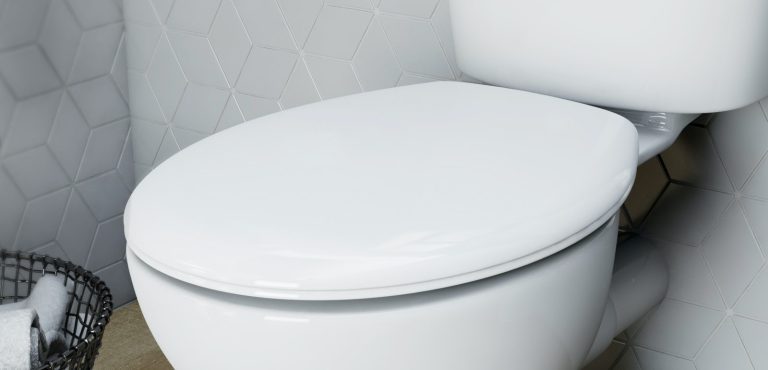
Continual exposure to noise ultimately takes its toll. We explain what the main effects of poor sound insulation are. On many occasions, the lack of attention to different aspects of our home leads to issues. And, over time, these may have terrible consequences for our home, and our health.  One of the common problems is the poor acoustic insulation of houses since the continuous exposure to noise ultimately takes its toll. Poor sound insulation in homes can be identified using professional sound insulation testing techniques. In this post, we are going to focus on the consequences of a lack of acoustic insulation for your health, and why you should ensure that your home has adequate sound insulation. Health effects of poor sound insulation To make it easier, we are going to divide them into three groups: Physiological consequences This group includes the most recognized of the consequences: temporary hearing loss, with the annoying ringing of the ears and the feeling that the volume of voices and domestic appliances is raised. If you are exposed to noise, and it is not solved, it can lead to permanent hearing loss or degradation, which is a problem with no easy solution. But also within this group are other outcomes, sometimes not so obvious, such as unbearable headaches, whose origin is in the tension of the blood vessels in the temples that end up resulting in painful contractions. Psychic consequences In this case, we are talking about sleep disturbances such as insomnia or the interruption of dream cycles. Falling asleep will cease to be a pleasure and will become a torment with its consequences:  lack of performance and concentration (the absence of rest will make you much less productive in all aspects of your daily life, including work) and insecurity or stress in these undesirable situations. But the worst thing is that all this can end up leading to depression. Sociological consequences The problem is that this will not only affect you, but your family and friends will also be involved. One of the first symptoms linked to excessive noise in your home will be the deterioration of your mood and greater irritability and aggressiveness, which, without a doubt, your relatives and friends will perceive. Noise effects As you can see, if you do not want this to end up happening to you, you need to take stock now. You can not take the sound insulation of your house lightly. Insulate your home from noise well and live your life with quality, health and tranquillity. As a result, you will avoid all the effects of poor sound insulation on your health, and that of other family members in the house. Final thoughts Your home should be a peaceful place and not a source of stress. Adequate sound insulation is essential to maintain a healthy living environment. To avoid any problems, consult experts in sound insulation testing if you have any doubts about the levels of noise you experience in your home.

Read More »

Planning permission for £1bn landmark London hotel granted

Queensgate Investments and Rockwell secure planning permission for £1bn landmark London hotel  Queensgate Investments and Rockwell has now been given the green light by the Greater London Authority (GLA) for the redevelopment of the Kensington Forum, to provide a world-class hotel and serviced apartment scheme alongside 62 genuinely affordable homes and substantial public realm improvements.  Designed by world-renowned architects, SimpsonHaugh, the new scheme will replace the existing 906 room hotel with an exceptional high-quality development providing outstanding visitor accommodation for the future including restaurants, bars, health spa and conference facilities, vital to supporting London’s continued role as a world city and major global destination. Alongside the hotel will be a new, publicly accessible and sensitively designed 2,700sqm garden square, more than doubling the size of the existing green space, which will be the only publicly accessible green area within 1km of the site.  Kensington Forum is now set to deliver substantial public benefits for the local community through the creation of over 800 employment opportunities, in addition to 62 much-needed and genuinely affordable rented homes, worth £90m, for Londoners on low incomes: the capital’s first private development to deliver 100% genuinely affordable homes. Substantial contributions of almost £3 million will also be provided for public realm improvements to the area around Gloucester Road station, in addition to over £1 million to training initiatives to ensure jobs are created for the most in need. Despite the hospitality sector facing unprecedented challenges, this ambitious £1bn scheme, which is set to become one of London’s largest hotels, is perfectly placed to come forward as part of the capital’s recovery and is testament to the powerful role the sector is envisaged to play.  Approving the scheme, Deputy Mayor, Jules Pipe, commented: “There is desperate need for social housing across London… If we are to deliver affordable homes and other benefits for London, we must ensure we make the best use of land.”  “As well as improvements to the architectural quality, when compared to the existing building, the development includes a number of other significant benefits such as the addition of much-need affordable housing, a reconfigured public garden square, additional jobs, improved visitor accommodation and public realm improvements.”  Jason Kow, Founder and CEO of Queensgate Investments LLP commented: “Kensington Forum is an extraordinary scheme of exceptional quality, which will benefit both London and Londoners. The benefits of this redevelopment are substantial, and the new world-class hotel will establish a new benchmark for visitor accommodation in the capital that will doubtless become a landmark for the city.”   Donal Mulryan, Founder of Rockwell added: “We pride ourselves on the delivery of genuinely transformative schemes and Kensington Forum is further testament to that. Not only will this be one of the highest-quality buildings in the country, but redevelopment of the Kensington Forum will deliver a 300% increase in employment, 100% genuinely affordable Social Rented homes and a new public garden square. This development will benefit those who live, work and visit London for years to come.” 

Read More »

Empire Pest Control Services In London For Same Day Pest Removal

Are you frustrated with the reappearance of rodents and ants after you’ve cleaned up your house? Well, before you feel hopeless, consider this. Pests like rodents, ants, or moles don’t appear because of the lack of sanitization at your home. They can occur in the cleanest of places and wreak havoc. So, you don’t have to blame yourself. Instead, you can get a solution to this issue in the form of pest control. At Empire Pest Control London, professionals take up the challenge to remove all traces of pests at your place and ensure that the pests don’t reappear in the near future. They use products like sticky fly traps, chain door curtains, fly machine bulbs, wasp nests, and various rodent proofing methods for pest control. Pests tend to get comfortable at your place, be it a home or an office space. That is the reason why they are hard to get rid of. But, with a professional team like that of Empire Pest Control, it becomes easy to get rid of pests within 24 hours. So, if a rat has been bothering you all night, then you don’t have to let it destroy another night of yours. Now you have an effective solution at your disposal. Just make a call and get consultation with the Empire Pest Control team. The same day pest removal services can be availed at any time and is available across London. Besides, you can make a call even in the middle of the night, and the pest control specialists will be there at your doorstep at the designated time. Which Sectors Do Empire Pest Control Serve? Empire Pest Control serves various sectors across London, including both residential as well as commercial sectors. This diverse range of sectors includes food retail, transportation services, food production, commercial premises, industrial premises, private property, logistics, and more. You can call up the experts at Empire Pest Control and seek advice from them anytime. And if you want, they can come to your place, inspect it thoroughly for pests, and then offer you practical advice. What Pest Control Solutions Are Adopted? At Empire, professionals usually stay away from the usual practice of using a chemical-based pest control method. Having said that; it’s not always possible that the professionals would use organic pest control. Some pests are stubborn. They intend to stay. And on these pests, organic methods are not very useful. Only chemicals hush them off. Pest Control specialists, at Empire, visit your place and inspect it thoroughly. They identify the perfect solution for the kind of pest infestation at your home/office. These specialists are well-versed with the different types of insects and animal species. Their knowledge of insects habitats, animal behaviours, the likelihood of reappearance, and rates of infestation helps them decide the right chemical/ organic method for pest control. What’s Pest Proofing? If you sign up for a 24-hour pest removal services from Empire Pest Control, you’d be given an additional benefit of pest-proofing or pest prevention. Once you get your house cleaned up, you wouldn’t want the pests to reappear soon. And therefore, getting pest-proofing is vital for you. Initially, the specialists will use their equipment and methods to pest-proof your house or office. However, they would offer you their informative advice to keep your home pest-proof in future.

Read More »

Plans approved for new residential development at Peel L&P’s Liverpool Waters

Planning permission has been granted for an application submitted by Peel L&P and Your Housing Group (YHG) for the development of Patagonia Place, a 31 storey residential development at Liverpool Waters. The development will consist of 278 homes and marks the fifth residential development at Princes Dock, one of five neighbourhoods at the £5 billion waterfront development. Liverpool Waters is  transforming 60 hectares of historic docklands and is the biggest single regeneration project in the history of Liverpool and one of the largest in Europe. The development offers 2,000,000 sq.m of floorspace which will include 9,000 residential homes, 315,000 sq.m. of business space and 53,000 sq.m. of hotel and conference facilities. The waterfront project will also be the home to a new cruise liner terminal and hotel as well as a new Isle of Man ferry terminal  currently under construction as well as the proposed  new Everton FC stadium. Darran Lawless, development director at Peel L&P’s Liverpool Waters says: “It’s fantastic to have reached this significant milestone, after a huge amount of work in collaboration with Your Housing Group, our advisory team and contractor Vermont, that has gone  into securing  planning consent.     “We’re delighted with the progress  made across Liverpool Waters and this is yet another incredible residential development, adding to the existing schemes delivered at Princes Dock creating more quality homes, securing local jobs and investment in an enviable waterfront location, right here in Liverpool city centre.” Lorraine Donnelly, development director at Your Housing Group says: “Your Housing Group has remained committed to delivering this development at Liverpool Waters, and to reach this milestone with Peel L&P is a great achievement for everyone involved.  This is a really exciting project for YHG. To have a development on the iconic Liverpool waterfront offering high-quality apartments with incredible views of the Mersey is something that we are extremely proud to be part of. We can’t wait to get started on site.” The residential development has been designed by Faulkner Chester Hall, with Arup providing planning consultation and Vermont in line to build the project.

Read More »

Prologis Supports Customer Plans for Growth in Central Bedfordshire

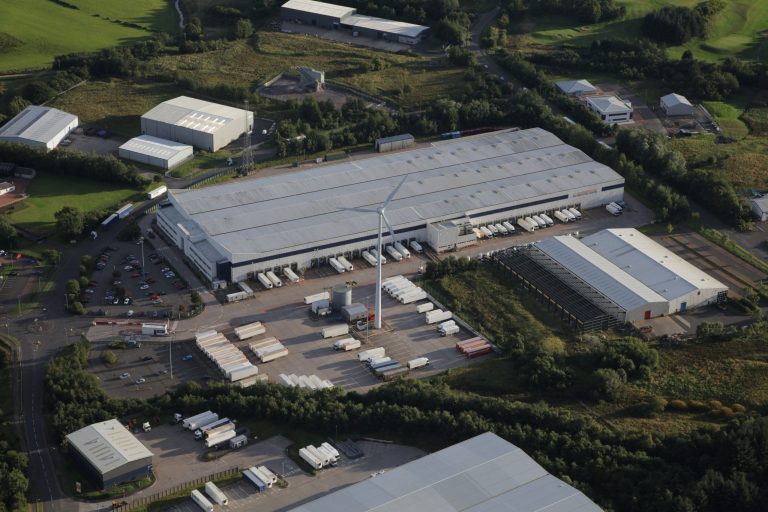
Prologis UK has announced that it will build a new logistics facility for its customer Rajapack, close to the company’s existing facility at Prologis Park Marston Gate. Prologis recently secured planning permission for the 261,230 sq. ft square foot industrial logistics building and work on site started in July, when representatives from Prologis, Rajapack and Central Bedfordshire Council met to hold a groundbreaking ceremony. Rajapack currently operates out of a 100,000 sq. ft facility on Prologis Park Marston Gate; however, due to a growing requirement for space, the company needed a larger building. Moving away from the area would have resulted in significant business disruption and a loss of local jobs and, therefore, Prologis worked with Rajapack to help the French-owned packaging company realise its ambitions for growth from a Prologis-owned site in the neighbouring area of Brogborough. “By structuring a deal which will enable Rajapack to move from its existing building and seamlessly expand into a larger building nearby, we were able to avoid local job loss and business disruption for the company,” said Oliver Bycroft, Director in the leasing and development team at Prologis UK. “It’s great to see the company investing in the Central Bedfordshire area and we look forward to supporting their continued success.” “This new building is absolutely crucial to our plans for growth,” said Tom Rodda, Managing Director for Rajapack UK. “Not only will the new building enable us to better serve our customers and provide them with a greater range of products and services, it will also be a great new facility for our employees and will provide them with a bright, modern environment in which to work, including an employee gym. Being able to stay in the Central Bedfordshire area was important for us as it enables our employees to grow with us and we look forward to creating news jobs in the area as part of our plans” Councillor Kevin Collins, Executive Member for Planning and Regeneration at Central Bedfordshire Council, said: “Marston Gate is already a thriving strategic employment site within Central Bedfordshire, so we’re delighted that it will be generating even more local jobs in the future. The area has been allocated for housing development in our draft Local Plan, so there will be greater access to a new local workforce and jobs for our residents.” Prologis has been investing in central Bedfordshire for almost two decades and has worked closely with Central Bedfordshire Council on the development of sustainable logistics facilities which bring valuable jobs and amenities to the local area. Customer Case Study – Rajapack, Prologis Park Marston Gate Supporting plans for growth Rajapack currently operates out of a 100,000 sq. ft facility on Prologis Park Marston Gate; however, due to a growing requirement for space, the company needed a larger building. Moving away from the area would have resulted in significant business disruption and a loss of local jobs and, therefore, Prologis worked with Rajapack to help the French-owned packaging company realise its ambitions for growth from a Prologis-owned site in the neighbouring area of Brogborough.

Read More »

‘The biggest challenges… were the factors outside of our control’: an interview with IWFM’s Head of Workplace on managing COVID-19

COVID-19 has challenged us all, testing safety, resilience, finances, and wellbeing alike. At our IWFM Impact Awards 2020 virtual ceremony in September, we celebrated some amazing examples of the powerful influence of our profession and its ability to adapt to these extraordinary circumstances with ingenuity, skill and often compassion.  Ahead of Workplace Week International (9 to 13 November), we sat down with IWFM’s Head of Workplace, Donna Walker (DW), for a social distanced chat about her experiences of managing IWFM’s team and head office during the COVID-19 pandemic.   If you require any support in managing the impacts of COVID-19 and the return to work, we have a range of resources, including guidance, information and webinars, available here.   1. On 16 March – a week before the Government announced the first national lockdown – IWFM CEO Linda Hausmanis closed head office and moved all employees to remote working. Why did IWFM act at that stage and what were your immediate thoughts and actions in tackling the transition?  DW: ‘We were keeping a close eye on developments and had already implemented 14-day self-isolation for anyone travelling internationally. Then I was notified by our landlord that another tenant in our building had sent home an employee who had flu like symptoms. After weighing up the potential risks and vulnerabilities of remaining in the office and reviewing our business continuity plans, we were able to make a decision quickly and act promptly.  ‘Although we already had some in our team who regularly worked remotely, the technical infrastructure and system improvements we had invested in over the last two years enabled the whole organisation to work from home very successfully. The health, safety and wellbeing of our team is paramount and we were equipped to make the transition, so that’s why we acted as early as we did: we wanted to and we could.’  2. What were your biggest challenges and successes when moving all employees to remote working?  How well set up was IWFM for this transition?   With uncertainty about the duration of the lockdown, what were your priorities in ensuring the maintenance, safety and preparedness of the building?   DW: ‘We felt really well prepared, so the biggest challenges we faced were the factors outside of our control, particularly around connectivity: the reliability of our team’s home internet connections when millions were working from home  and likewise for our key communication platform, Microsoft Teams. However, it all worked remarkably well and we were able to deliver the majority of our products and services with limited downtime or interruption.   ‘Although our building was unoccupied, it remained open due to other tenants who faced different challenges and needed to access the building. We continued with our usual cleaning, maintenance and auditing with slight schedule changes to ensure we were working within the parameters enforced by lockdown. During the first national lockdown, we also had to undertake some repairs to our office space that were identified during an audit, so although everyone else was working from home, there were times we had to be in the office to resolve issues. Such is the non-stop nature of workplace and facilities management!’  3. After the first UK national lockdown ended in June and organisations began welcoming people back into buildings, how did you go about ensuring that IWFM head office is a safe environment?  DW: ‘We followed the guidance provided by government and tailored it to our situation. Our local BID (Business Improvement District) network provided free signage and touch-free devices for our team.  We ensured our temperature control and air handling system was being maintained in line with new findings and worked with our cleaning providers to ensure they were operating in accordance with the new infection control guidance. We introduced a booking system for our people to work from the office where they needed to in line with official guidance that people ‘should’ work from home where possible. Seating arrangements remained at two metres throughout. Hand sanitiser stations were setup throughout the office.   ‘People were advised not to visit the office if they displayed any symptoms and in any case to take their temperature before setting off. As an additional check, their temperature would be taken on arrival at the office. We also ensured that our team mainly accessed the office to collect equipment or complete a task that required office use, which resulted in minimal occupancy and reduced our risk considerably. When people use the word ‘safe’ or the term ‘COVID-safe’, I wince because how can anyone guarantee a 100% safe environment? You can implement measures with what is reasonably practicable, but you can’t account for behaviours being in line all of the time.’  4. This year has been marked by uncertainty: we’ve experienced a three-month national lockdown, relaxed social distancing measures, local lockdowns, and now national lockdown again. What have been your biggest challenges and successes throughout this changing situation?  DW: ‘Keeping teams motivated during the pandemic has to be one of the biggest challenges for any manager who would normally engage teams through physical and social interactions that help to bring about a familiar and tangible culture. The usual in-person conversations and moods that would take place or be picked up in the office can be missed when working remotely.   ‘However, we have been able to maintain engagement levels through a variety of tactics, including regular all-team surveys and risk assessments, fortnightly all-team briefings, CEO coffee catch-up sessions, celebrating events like Mental Health Awareness Week, continuing with our quarterly training window, offering flexible working arrangements for those who care for the vulnerable, and celebrating personal anniversaries and achievements. We have also had a programme delivered through our social committee with activities like a virtual running club via Strava, virtual yoga and meditation, and ‘pub’ quizzes.’  5. Beyond the immediate health risks of COVID-19, the subject of wellbeing has been a major concern throughout the pandemic. How has IWFM managed and monitored wellbeing during mass remote working?  DW: ‘It was fortuitous that I had delivered health, safety and wellbeing recap training to our entire management team in January, so it was at the forefront of their minds when communicating with their teams. These conversations helped us to be proactive in supporting team members who were considered vulnerable in line with pandemic guidance. As a management team, we made it a priority to have regular interactions with team members via our virtual platforms and in person when lockdown rules were eased through socially distanced meetings in open spaces.   ‘During remote working, the team were and continue to be surveyed at regular intervals by way of risk assessment and any concerning findings are addressed, managed and controlled in a timely manner. The team were given regular opportunities to collect furniture or order equipment through our Business Support team, who arranged to have items delivered to their homes. Team members who struggled to work from home due to childcare arrangements had the ability to work flexibly. Once lockdown eased, those who needed a break from their home space were given the option to book spaces to work in the office.’  6. What lessons will you draw from this year? Have you learned anything that has surprised you?   DW: ‘As workplace and facilities professionals, we sometimes don’t give ourselves enough credit for the things we do as normally we’re behind the scenes dealing with issues no one really thinks about until it becomes a problem. However, this unforeseen global crisis propelled our profession into the spotlight and we have managed extremely well considering the circumstances. I have learnt that communicating in different ways, even if it’s the same message, is key (and to repeat it a few times doesn’t hurt either) as

Read More »