Kenneth Booth

Developer Panattoni submits plans for Crewe mega shed

Panattoni has submitted plans for a 305,000 sq ft warehouse at Crewe Commercial Park. The warehouse will be built on a 14-acre plot, adjacent to its newly completed 240,000 sq ft speculative logistics facility The developer has submitted a reserved matters application for a warehouse of 291,239 sq ft, along

Read More »

How to produce an internal audit successfully

Not matter what industry you’re based in, a business success thrives on improvements being made and one of the most effective ways to do so, would be to appoint an internal auditor out of one of your staff, or hire a third-party internal auditor. The job of an internal auditor

Read More »

Henry Riley appointed to work on £21m Morpeth leisure scheme

Work is gathering pace on two schemes that will transform the Northumberland leisure and lifestyle scene. Henry Riley has been appointed lead consultant on a project to bring a £21m leisure centre to Morpeth. The Newcastle division of the international property and construction consultancy will provide quantity surveying, employer’s agent

Read More »

PLP buys Sheffield plot for speculative warehouse

Specialist logistics developer and investor PLP (Peel Logistics Property), has bought a 17 acre development site at Smithy Wood Business Park in Sheffield from St Pauls Developments and the Norfolk Estate where it will speculatively build a 343,000 sq ft warehouse. The site was sold subject to planning and having

Read More »

Tiny Chic: Mastering the Art of Furnishing Small Spaces

Do you always feel like you’re solving an impossible puzzle when you’re trying to furnish your small home? If you want to fit all the items you need, the result will end up looking cramped. On the other hand, if you want to make it unique and filled with personality,

Read More »

Home Office Ideas that Will Make You Want to Work All Day

Even though working from home sounds like a dream come true, the fact is that it can sometimes be a real struggle. The fact of the matter is that, unless you have impeccable self-control, you can easily find yourself procrastinating and doing anything but the work that needs to be

Read More »

Essentials You Need to Set Up a Productive Home Office

Working from home is not only more practical and time-effective, but it also allows you to set up your office according to your needs and desires. If you have a comfortable, well-equipped and personalized office, your work will be more efficient and you’ll experience better work satisfaction. However, working from

Read More »
Latest Issue
Issue 344 : Sep 2026

Kenneth Booth

Preserving history for the future: temperature control and artefacts

It’s a very strange and humbling understanding, that the item in the museum’s glass case in front of you is so many times older than you are! That the person who made it might not have thought much beyond its primary use, much less that it would be a lasting record of their era. That it would survive not only them and the intended original owner, but so many centuries after. It makes you wonder what will remain long after we’re gone, and realise how important it is that such items are preserved as information for the future. It is always heart-breaking to hear if a museum piece or artwork has been destroyed by natural causes or human interference. While only so much can be done to prevent the latter, museums have an abundance of technology at their disposal. According to the Smithsonian, the most damaging causes of deterioration are: Neglect — lack of process, forgotten storage, or failure to maintain records can lead to secondary deterioration causes, such as… Water — from full-scale floods to creeping damp, water can cause so many problems for artefacts. Fire — of course, fire will obliterate many artefacts, but those that survive may also be damaged by the heat and smoke.  Pollutants — dirt and gas can react badly with some artefacts, hastening their decay. Chemicals in cleaning can also erode away materials. Even the oils on your hands can be harsh enough to pollute some delicate artefacts. Pests — taxidermy and natural materials can find themselves rapidly ruined by a hungry rodent or greedy bugs.   Light — sunlight or artificial light can cause fading, drying, and cracking.   Physical force — everything from impact to vibrations can affect artefacts. This is why museums display their pieces in cases or behind designated barriers. Of course, this isn’t always fool-proof. For example, did you know Michelangelo’s David has a delicate flaw in its ankles? A slight shift in angle, a strong vibration from a train or footfall, or a natural disaster like an earthquake would send David tumbling.  Theft and vandalism — intentional damage by vandals or mishandling by thieves can obviously cause an artefact or artwork’s condition to fall. One of the more difficult to control elements of potential deterioration is a combination of humidity and temperature. These two elements are noted to be able to accelerate the rate of decay, growth of mould, or warping. Without adequate protection, the cost of artefact lost can be immeasurable, from a loss of monetary value to a loss of any physical record of that item. Take the Oxford Dodo for example, which is the most complete single dodo specimen anywhere in the world. And yet, all that has survived is the head and a foot thanks to an infestation noted in the specimen around 1755; feather mites are highlighted as the main culprit for devouring the taxidermy dodo’s torso, wings, and feathers. Preservation Equipment advises that a high humidity can encourage fungal growth and pests in natural materials; could better temperature and humidity controls have saved more of the last dodo specimen? Humidity and temperature can not only encourage pests, but also bring a whole host of other problems. The Telegraph reported how, when the glass roof of the Natural History Museum was cleaned of around 150 years’ worth of dirt, it was quickly discovered that the gathered dirt and the decision to remove the solar reflective film from the glass had had unintended side effects. The result? Temperatures in the museum soared to 40°C and the humidity tumbled, and the artefacts and specimens have already suffered irreversible damage, the article states. The skin of specimens has cracked and dried, fading as they have been sun-bleached, and whale skeletons are also degrading as a result. The museum is not only looking into replacing the solar reflective film, but also at installing a new HVAC (heating, ventilation, and air conditioning) system to try and save the artefacts. The problem of correct temperature and humidity control stretches beyond the UK. Over in Denmark, the country faces losing many historical artefacts due to a rise in damp and mould growing in its museum storage areas, which are reported to lack air conditioning units. CPH Post commented that the museums are using old buildings such as barns or lofts to store the artefacts, which means they aren’t being protected by any level of temperature control. More than 70,000 items are at risk of being destroyed as a result of 118 buildings used for storage being marked as riddled with mould.  For both stored and displayed artefacts, it is vital that temperature and humidity are monitored closely. The optimum temperature is between 16°C and 20°C — though temperatures as low as 10°C probably won’t cause harm, the risk of condensation grows for anything below 10°C. In terms of humidity, the advised relative humidity is between 40% and 70%, to avoid drying out items or encouraging pest or fungal infestations. It has also been noted that rapid fluctuation in humidity can be problematic. A good HVAC system is invaluable for both museum and home collectors with artefacts to preserve. With this, temperatures and humidity can be monitored and controlled quickly, providing much-needed protection from the elements when it comes to artefacts and artwork. Sources:

Read More »

Developer Panattoni submits plans for Crewe mega shed

Panattoni has submitted plans for a 305,000 sq ft warehouse at Crewe Commercial Park. The warehouse will be built on a 14-acre plot, adjacent to its newly completed 240,000 sq ft speculative logistics facility The developer has submitted a reserved matters application for a warehouse of 291,239 sq ft, along with 13,864 sq ft of integrated three-storey offices and a security gatehouse. The site occupies a prominent position adjacent to the A500, offering easy access to J16 of the M6.  Once built, the development will add £3 million per year into the local economy and bring over 300 full-time jobs. Dan Burn, development director at Panattoni, said: “We have been hugely encouraged with the interest that we have received to date for our 240,000 sq ft speculative unit.  By submitting this application, we will ensure that we can respond immediately to occupier’s requirements and give ourselves the option of a further phase of speculative development at the appropriate time”. Matthew Byrom, managing director of Panattoni, added: “As a result of its strategic location between the North West and West Midlands conurbations, Crewe has always attracted a strong list of occupiers.  With proposals for the town to become a hub for HS2, we are confident of robust demand”. CBRE, Burbage Realty and Legat Owen are the retained agents on the scheme.

Read More »

Tate Consulting recognised for excellence in this year’s Parliamentary Review

Tate Consulting building services engineering company was selected to be part of this year’s Parliamentary Review which demonstrates how organisations have become outstanding leaders in their field and aims to raise industry standards. The Parliamentary Review is an indispensable guide to best practice showcasing examples from across a variety of sectors with the aim of raising industry standards by producing a template for future reform. The September release of the publication is also widely acknowledged for its importance in the political calendar. Writing in The Review, The Chancellor of the Duchy of Lancaster, Michael Gove said “this year’s Parliamentary review comes at a momentous time for parliament as we collectively determine the destiny of the United Kingdom.” Lord Pickles praised the Review published this month as one of the most comprehensive yet. He commented that as Britain undergoes changes, it is “essential that politicians have a firm understanding of the challenges with which British organisations must contend” and that The Review once again provides a perfect platform for this. Tate Consulting’s portfolio spans every market sector including logistics, industrial, residential and mixed use, commercial, education, retail and leisure. With offices in London, Leeds and Manchester the company are able to secure contracts working on the biggest commercial brands and large-scale development projects across the country. Jim Lee and Grahame Kelly, Directors of Tate Consulting attended the prestigious event at Mansion House in London, co-chaired by Lord Pickles and Lord Blunkett with speakers including broadcaster and journalist Julia Hartley-Brewer and former cabinet Minister Ed Balls. Jim Lee said: “We feel very honoured and privileged to represent our industry sector in the Parliamentary Review. It also gives us a platform as industry thought leaders to discuss the challenges we all face and how key policy makers can help implement the changes required.” Grahame Kelly added: “I met a number of interesting people from across the country and it was good to hear everyone’s perspective on life in the UK today, with Parliament and Brexit dominating discussions as you might expect.” As part of the Parliamentary Review, Tate Consulting submitted a 1000-word article on how they’ve responded to challenges within the industry, sharing best practice as a template for reform. Across all its policy sectors, The Review is sent out to over half a million individuals each year, including MPs, Peers at the House of Lords, Chief Executives, Vice Presidents, Chief Information Officers, Chief Technology and Procurement Officers. George Osborne, Theresa May, David Cameron and Philip Hammond have all written exclusively for the Review over the last few years, along with many of the nation’s most established business leaders and talented entrepreneurs. The Parliamentary Review best practice article for Tate Consulting can be viewed via link below, or for print copy please email terenia.taras@tateconsulting.eu

Read More »

How to produce an internal audit successfully

Not matter what industry you’re based in, a business success thrives on improvements being made and one of the most effective ways to do so, would be to appoint an internal auditor out of one of your staff, or hire a third-party internal auditor. The job of an internal auditor is to act as a fresh pair of eyes on your business processes, reviewing the behaviour of them on a daily basis to see whether: Processes are being followed Processes are still effective/relevant Risks occur during these processes Output is of a consistently high standard Depending of the nature of your business, certain departments would need more frequent internal audits than others. How to plan an audit Step one, would be to draw up a list of areas that need an internal audit. This may include: Purchasing Purchase invoice process Purchase order process Sales Sales invoice process Sales order process Sales quote process IT and Security Human Resources Accounting Payroll process Expenses process Manufacturing Preparation of Item A Production of Item A Finish/Quality Control process Shipping Stock process Shipping process Once you’ve listed your areas and process within your organisation, you can plan how frequent you require an audit. With this information, you can create an Internal Auditing Calendar for the year. Drawing up a calendar Audits should be considered as a necessity and not an additional process of the business structure. Drawing up a calendar ensures that the audits will be completed on time and frequently. Your internal auditing calendar doesn’t need to be anything fancy. A simple template to follow could be: By using an audit calendar, you will be able to alert your chosen departments in advance on any scheduled audits, which is recommended to be able to prepare the correct documentation for you to review. It also gives the internal auditor a chance to locate the process documents and review how the process should be followed and write up relevant questions, before they observe it in action. The process of an internal audit Observing and reviewing With questions needing to be answered, the internal auditor must monitor the performance of employees on the processes they’ve been given, preferably in a natural scenario ((i.e. the task needed doing that day). Asking the employee questions about the process they are performing will give the auditor insight as to whether or not the member of staff is, a) following the process properly, and, b) understands the process and the risks it is designed to mitigate. Based on the answers received, the auditor can plan out areas that need refresher sessions, or aspects of the process that may have not aged well (such as inefficient practices compared to technology that has been brought into the workplace). Evaluation With the completion of the observation and interview process, the internal auditor needs to document their findings and highlight areas that need improving. The document again, can be as simple or detailed as you require, as long as it records the findings. In the event of a process found to be non-compliant, the auditor will need to recommend further measures in an action plan. They may also need to raise a Non-Compliance Report, depending on your company and its quality compliance measures and recognitions: Process Findings Compliant? Process 1 Procedure completed in accordance to outline of Process 1. No risks found. ✔ Process 2 Equipment used as part of Process 2 suffering notable wear and tear. Product quality affected by this.  ✘ Process 3 Data is stored accurately and safely in accordance to outline of Process 3. No risks found. ✔ Plan of action Working with the respective head of department, an action plan must be created to address any issues or risks highlighted in the internal audit. This should include the finding, the corrective action, who will take ownership of implementing the corrective action, and the deadline for doing so. There should also be a follow-up date to ensure the corrective action has been applied: Finding Corrective action recommended Non-compliance report number Owner Deadline for implementation Review Process 2 Replace hydraulic torque wrench power head. NCR4 George 01/12/19 01/01/19 The process of internal auditing is a benefit to any business, and it should be implemented as a critical procedure, and not simply as something to tick off in the books!  You could also consider Sources:

Read More »

Henry Riley appointed to work on £21m Morpeth leisure scheme

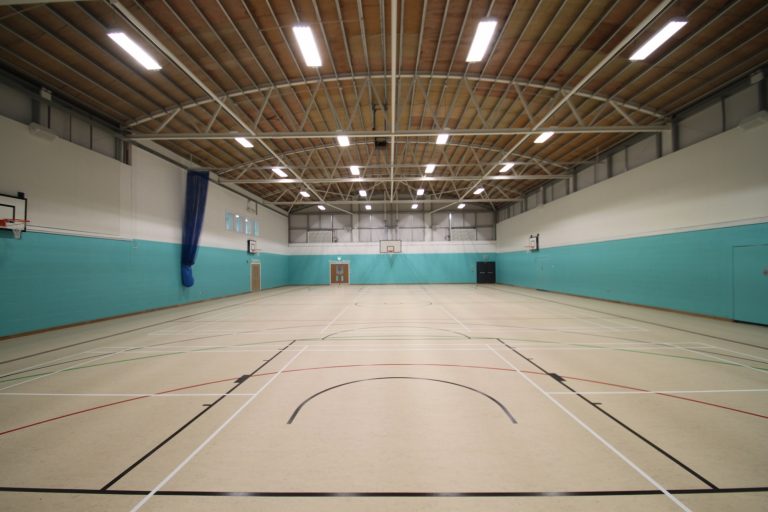
Work is gathering pace on two schemes that will transform the Northumberland leisure and lifestyle scene. Henry Riley has been appointed lead consultant on a project to bring a £21m leisure centre to Morpeth. The Newcastle division of the international property and construction consultancy will provide quantity surveying, employer’s agent and principal designer services for the scheme, which will see the creation of a new centre with a 25-metre swimming pool, sports hall, spa facilities, fitness suite and studios. It will also have a new community services hub that will include a library, customer service centre and adult learning area.  Construction work is due to start next year, with the centre open for business in 2021.  Meanwhile, a £20m project to build a new leisure centre in Berwick has been given the green light by planners. The existing Swan Centre is being demolished in phases to ensure continuity of leisure services for local residents and replaced with a new facility with a 25-metre swimming pool, sports hall, an outdoor all-weather football pitch, fitness suite, fitness studios and spa facilities. Construction work is due to start by the end of this year, with the centre operational in 2021. Advance Northumberland, the development arm of Northumberland County Council, is project-managing both schemes supported by Henry Riley and several other key partners.  Both schemes are being funded by the council. Joel Neasham, senior associate at the Newcastle office of Henry Riley – which is also the lead consultant on the Berwick project – said: “We’re delighted to be involved in two schemes that will bring a much-needed boost to Northumberland’s thriving leisure scene. Both centres will have top-quality facilities that will benefit residents of Berwick and Morpeth, as well as those living further afield. “There’s a huge demand for this type of facility as consumers increasingly take up fitness and well-being activities to lead a healthier lifestyle. Health and well-being are important considerations for many people nowadays, so we’re delivering services that make it easier for them to adopt this lifestyle.” Part of the Riley Consulting group of companies, Henry Riley is an international property and construction consultancy that works across the built environment spectrum, offering cost management, project management, health and safety and innovative digital services. The company has worked on various notable projects across the North of England in the health, leisure, retail, commercial, education, residential, industrial and logistics, and transport and infrastructure sectors.

Read More »

DC Dumpster Trucks – Dumpster Rental Companies in DC Review Companies

Transportation is one of the most important inventions that mankind has ever developed. Aside from the internet, it has also been credited to be one of the proponents of globalization. Even though its scope is not as wide as the internet, it is still very important in a lot of economies and government functions all around the world. We all need them to save time and travel to farther distances. Once we had our feet and animals for transport, but now there are machines that can do the work for us. It has been very important to the development of many businesses and fields of study. How Modern-day Transpo Help Run Society There are many different kinds of transportation, generally divided into which body it travels in the world. We mostly refer to the aerial ones as planes and the sea-based ones as boats or ships, although there are a lot of different terms separating each type of vehicle. However, there are many more types of land-based transportation and all of them have different uses. All of them can traverse considerable distances but each of them can carry only a limited weight. Each country also has their own vehicles that they have developed, and some of them stayed there for good. Read more about them here. Most of us do have cars these days. You can even say that they are already considered a need especially in the cities. In the rural areas, they are also needed but most people can get by through public transportation, hitchhiking, or walking. Some areas still even use horses as transport. However, in the city, having a car is really needed because you need to bring it for work and save time. You might also need to bring your family along with you. Having a car is already considered a very practical decision to buy as it is an investment as well. However, there are times that you might need something far bigger than your car. You may want to start a construction business and there are a lot of things that you want to do. You might have some sand, gravel or cement that you need to dispose or transfer to another location. Also, you may want to store it as well and it can be quite difficult to do it all manually. If all of it is in sacks, then maybe you can do it but it is so much easier if you have a dumpster truck with you. Learn more about dump trucks here: https://www.thebalancesmb.com/construction-equipment-5-great-dump-trucks-844978. What Are Dump Trucks? Dumpster or dump trucks are one of the staple vehicles in any construction site and other locations that need heavy duty vehicles. Each town has its own waste removal companies that help keep the neighborhood organized and clean. A dumpster rental service will place dumpsters in places that are available for everyone so that they can use them instead of dropping trash bags on the pavements. Keeping the neighborhood clean and tidy will also help keep the wildlife from getting stuck in plastic wrappers and boxes, which can lead to species going extinct. You have seen them before probably on films, television shows and even in newspapers. If you haven’t, imagine a really large pickup truck with a really nice function; it can tilt its posterior portion to “dump” or release any of the contents behind it. This is the reason why most construction companies use them for their transportation problems especially with various materials. It can be quite detrimental to the operations if it is still manually done. Now, how can you get this type of vehicle? Well, one of them is through rental. There are so many businesses which offer dumpster rental in DC with competitive prices. You can always contact them through their offices or check out their websites for their other services. There are many kinds of dumpster trucks so you also need to ask which one would fit what you want. Although there is one kind of dump truck that is the most commonly used, you can also choose depending on the size. You may also want to buy one, but we would recommend this one for those who want a long term use. It is important to take note that the dumpster trucks are one of the most notorious for work-related accidents. This is why it is also important to have an insurance policy covering your vehicles. If you are going to acquire it for a business, make sure that your operators have the proper knowledge of driving these vehicles. Additional training may also be needed so that you will have peace of mind while they are operating the dumpster truck.

Read More »

PLP buys Sheffield plot for speculative warehouse

Specialist logistics developer and investor PLP (Peel Logistics Property), has bought a 17 acre development site at Smithy Wood Business Park in Sheffield from St Pauls Developments and the Norfolk Estate where it will speculatively build a 343,000 sq ft warehouse. The site was sold subject to planning and having received it, the new owner intends to get started on a speculative build as soon as possible. The facility will be one of the largest warehouses in the Yorkshire region. Construction will commence this year with completion in Autumn 2020. Smithy Wood Business Park, adjacent to Junction 35 of the M1 motorway in Sheffield is a well established commercial location and home to occupiers such as DPD, Cutting and Wear and Arthrex. Matthew Fitton, development director at PLP, said: “Given the proximity of the site to the M1 motorway and Sheffield, PLP Smithy Wood will offer great accessibility and market connectivity. PLP has the confidence here to speculatively build one of the largest warehouses in the region.” “In line with PLP’s long term sustainability policies, we’re installing roof mounted solar panels, multiple electric charging points for vehicles and the infrastructure to augment these post construction.  We are also making a significant investment in the local ecology of the site, improving the biodiversity of the surrounding area.’’ David Newton, MD of St Pauls Developments, said: “We always believed in Smithy Wood’s location, being so close to J35 M1, and this encouraged us to invest in the site to create a fully serviced, strategic land holding. PLP’s decision to purchase and develop 17 acres is exactly the type of deal we felt we could attract, and I am sure it will be a successful project for them.” The PLP platform is owned by MIRA Real Estate, Peel Group, Ivanhoé Cambridge and its senior management team. CPP have been appointed as leasing agents for the scheme.

Read More »

Tiny Chic: Mastering the Art of Furnishing Small Spaces

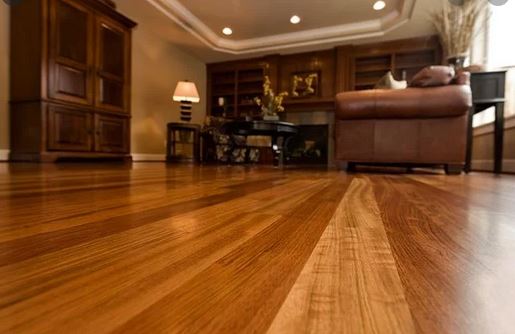
Do you always feel like you’re solving an impossible puzzle when you’re trying to furnish your small home? If you want to fit all the items you need, the result will end up looking cramped. On the other hand, if you want to make it unique and filled with personality, the space will end up looking cluttered. Either way, you lose. Well, you don’t have to lose anymore! No matter if you’re designing a smart studio apartment or you just downsized to a cheaper and more practical home, you don’t have to sacrifice style and comfort. Here are some of the best tips that will help you master the art of furnishing and create a tiny yet chic space. Don’t overburden the floors While you certainly need to fill your home with the essentials, even a perfectly thought-out room can look small and uncomfortable if you don’t have space to walk around. So, open up your floors and let them breathe—it will instantly create an illusion of bigger square footage. In order to still get all the pieces of furniture you need, opt for floating designs, especially when it comes to nightstands, bathroom cabinets, shelving and lighting. With floating pieces you’ll not only make the ground clear of obstacles but also free up some space for extra storage beneath and make cleaning a breeze. Choose double-duty If a small home, every piece needs to earn its spot in your space and ones that certainly pull their weight are double-duty pieces. Beds with built-in drawers, benches and ottomans with under-the-seat storage for blankets and books and daybeds doubling as sofas or guest beds will always have space in your home and come in very handy. Keep bigger items at hand Just because you don’t have huge square footage, it doesn’t mean you have to give up all your larger furniture items. Items like gorgeous King Living sofas are modular which means you can combine different elements and adapt your seating to your needs. This is certainly handy for people who lack space yet enjoy the comfort of large furniture.  Also, make sure to put larger items against the wall—this will allow you to keep the depth of the room and enjoy all the comfort of big and comfy furniture. Combine your sofa with a chunky recliner placed in the corner and you’ll love your cozy yet uncluttered design. Go for practical folding pieces Sure, you might need a work desk or a dining table, but you don’t need them all the time. So, grab a few practical furniture pieces that fold when not in use. If you fold your piece and remove it, you’ll both free up floor space and prevent clutter from occupying your surfaces. Do you have a small kitchen with only one wall? You can invest in folding doors that can conceal the mess until you do the dishes. Don’t be scared of bold Just because your space is small, it doesn’t mean you have to adopt an extremely minimalist lifestyle and paint everything white or gray. Bold colors and accessories are always welcome, no matter the size of your home. Darker walls and ceilings can make the space feel super cozy and safe. Also, bold statement furniture can distract people from noticing your lack of square footage. Combine your simple aesthetics with a statement Seymour chair in blue or cinnamon or a timeless Eames chair in oak and it will attract all the right attention while providing you with much-needed seating and comfort. Boost lighting Small spaces often have tiny windows that don’t exactly shower the space with sunlight. So, you need to make up for the lack of light by turning to electricity. If you combine ceiling fixtures (no matter if hanging pendants or sleek flush mounts) with task lighting like lamps and sconces, you’ll brighten up your atmosphere and avoid that feeling of claustrophobia. Mirrors can also help your lack of natural light. These great décor elements serve a double purpose: they make the space seem bigger and they disperse the light all over the room. So, consider adding a large mirror to your wall or opt for a gallery-style mirror display if you want something more unusual. Just because you’re not blessed with a huge mansion, it doesn’t mean you can’t have a chic and stylish home. With these furnishing tips, you’ll not only achieve comfort, but also harmony that we all need in our lives.

Read More »

Home Office Ideas that Will Make You Want to Work All Day

Even though working from home sounds like a dream come true, the fact is that it can sometimes be a real struggle. The fact of the matter is that, unless you have impeccable self-control, you can easily find yourself procrastinating and doing anything but the work that needs to be done. There are a few reasons why this tends to happen often. Aside from the fact that you don’t have anybody monitoring your progress and micromanaging you, you can easily get distracted if you don’t have a designated working space. That is why creating a home office is of the utmost importance for anyone working from their abode. Here are some interesting tips on how to create a working space that will get your creative juices flowing and make you want to work all day. Find the right area First of all, you will need to locate the best area of your home to set up a home office. This doesn’t have to be an entirely separate room if you don’t have that much space at your disposal. Rather, you can find a quiet little nook in your house and choose to use it for this purpose. On the other hand, if possible, choose a room that’s somewhat isolated from the hustle and bustle that’s going on in the rest of the house. Decide on the color scheme The next thing you should do is decide on the color scheme you want to implement in your home office. Light and neutral tones are always welcome, but if you want some pop of color, consider going for the ones that are known to boost productivity. Red, blue, yellow and green are the most common choices but if you personally don’t like these shades, you can opt for whichever hue motivates you personally. Choose the right style Deciding on the style you want to implement in your home office is another thing you need to pay attention to. Simply filling your office with random furniture pieces to serve a purpose they’re not quite meant to serve will create an environment that will more likely hinder your efforts than boost them. That’s why you need to pay attention to the style of the pieces you choose to make a part of your design, as well as their practicality. So, try to get your hands on an Eames chair that not only looks sleek and blends seamlessly into any design but also offers the right type of support. On the same note, browse office desks that look stylish are made of high-quality materials and offer great functionality and customizable options. Make it bright Moreover, the area you choose for your home office needs to be bright as poorly illuminated areas won’t benefit your productivity. Not only that but the areas that don’t have opulent lighting will contribute to eye-strain which will make doing your job significantly more difficult. That’s why, aside from making sure you have plenty of natural light and that it can penetrate into your home – choose light curtains instead of dark, heavy ones – you’ll also need to install additional artificial lighting sources. An overhead fixture, although necessary, won’t be enough to support all of your needs. Create a break area All work and no play makes Jack a dull boy. This is something you definitely don’t want happening to you. As much as staying concentrated on the work at hand is important, it’s also important that you implement a nice little break area in your home office design. Once again, depending on the amount of space you’re working in, you can either go big or small. If your home office is a separate room, add a sofa and a nice little coffee table so that you can take 5 whenever you feel like you need it. On the other hand, if there’s simply not enough room in your home office for an entire sofa, consider adding a nice armchair or a bean bag and a small coffee table that will provide you with the same level of comfort. The fact that you’re working from home doesn’t mean that you can simply turn your dining room table into an office desk. Having a beautiful home office will encourage your productivity and motivate you to dedicate the necessary attention to the job at hand.

Read More »

Essentials You Need to Set Up a Productive Home Office

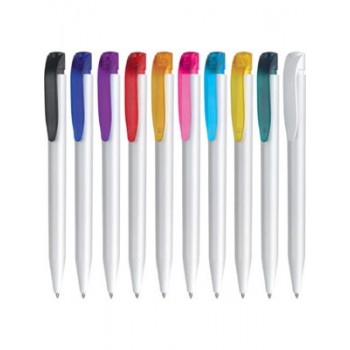
Working from home is not only more practical and time-effective, but it also allows you to set up your office according to your needs and desires. If you have a comfortable, well-equipped and personalized office, your work will be more efficient and you’ll experience better work satisfaction. However, working from home doesn’t come without cons! Homes are distracting environments and getting back on track after an interruption can be very hard. So, in order to minimize distractions, boost efficiency and ensure comfort, here are a few essential design tips for your home office. Start with lighting Plenty of light, both natural and artificial, is crucial for your office productivity. First, make sure to place your desk in a way that will make the best use of your sunlight (yet avoid glare). The wrong placement can cause eye strain, screen glare and boiling temperatures, so be strategic. For some artificial light, make sure to ensure the same intensity as daylight. This will be most comfortable for your eyes and ensure a good circadian rhythm. Separate your work life from your private life When you can work in your pajamas, go grab a snack and chat with your kids whenever you want, it can be hard to keep your professional and private life separated. So, make sure to place your office in an area that’s a little isolated to ensure better focus and uninterrupted workflow. If you can’t find a secluded spot, ensure good sound insulation, place Do Not Enter signs and even invest in noise-canceling headphones. Additionally, make sure to use your home office only for work. Set up a speedy connection If you want to have a productive workday and a home office that runs smoothly, you need speedy internet connection. In case you often lose connection or suffer from slow internet, consider changing your provider or investing in a more powerful line. Having fast and reliable internet will ensure you always stay in contact with your clients, get things done quickly and spare yourself a lot of headaches and nervous breakdowns. There’s nothing as annoying as a broken internet connection just when you need to send an email or check something online ASAP. Get essentials When it comes to setting up, start with essentials—the things you can’t do your job without. You can always rely on quality Winc stationery and find everything from desks to post-it notes, all in one place. Make sure to pay attention to things like storage, filing cabinets, practical furniture, electronics and a cozy client meeting areas (if you regularly see people). These essentials will be enough for the start or until you assess your needs are realize what else could make your work faster, better and easier. Splurge on your chair When it comes to getting your chair, make sure to be careful. Invest in a sturdy, ergonomic chair that will reduce the negative effects of sitting and provide you with a no-distraction workday. If you can, hit a showroom and try out a few chairs—this is much better than getting a random one online. You can also accompany your chair with a practical footrest and even grab a standing desk extension for your laptop of you spend a lot of time on your computer. Personalize your space What most people hate about modern offices are minimalism, grayness and that uncomfortable, overly-corporate feel. But, if you work from home, you can take over the creative control when it comes to the look of your home office and personalize your space. Filling your office with decoration is a great idea, especially if you do something that requires alertness and creativity. Think plants, motivational posters, art you like—these can all work towards achieving a totally chic, unique yet efficient office. Treat yourself to a coffee machine This is as much of a luxury as it is a necessity. For many of us, coffee is the main source of fuel for a successful workday, so make sure to grab a good coffee maker and enjoy a fresh cup whenever you need a little hand. This handy guide from the unclutterer will help you to find the right coffee maker for your needs.​ Keep it at arm’s reach and you’ll see your productivity grow with each new sip. Start designing your home office today, and you’ll soon enjoy a comfortable, private and completely personalized workspace that will allow you to reach your maximum potential and show everyone who’s boss.

Read More »