Business : Testing, Certification & Business Tools News

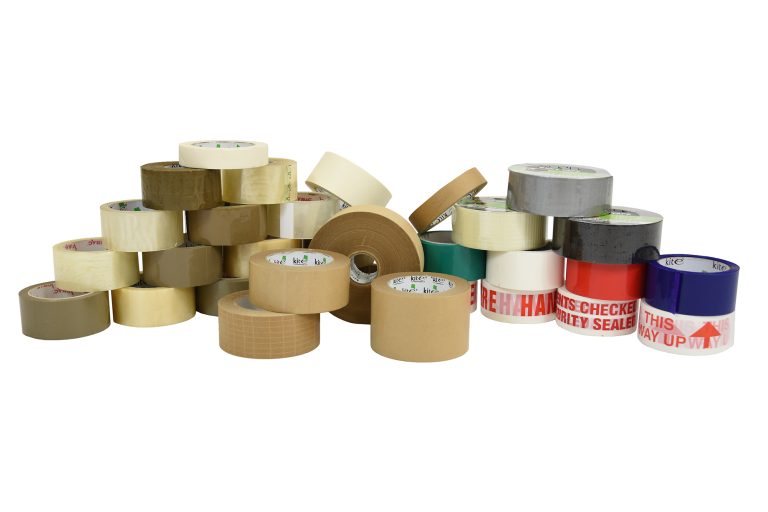
Sustainable packaging

Sustainability is a big issue in construction as in other industries.  Be this in the use of raw materials or the energy and water used in production of construction products, there is progress being made in reducing the impact of construction on the environment. There is also increased pressure on

Read More »

Building a mental health policy fit for the construction industry

The dichotomy between the ways that our society has habitually approached physical and mental health is epitomised by the current mental health crisis in the construction industry. The UK’s construction industry is ballasted by a well-established framework of physical health and safety practices, and protocols relating to first aid. In

Read More »

Improving Your Business Work Space

Since you and any staff you work with spend several hours a day at work, it’s important that your working environment is conducive to efficiency and thus maximum productivity. There’s much you can do – not necessarily expensively either – to improve the workspace whether making a significant change, such

Read More »

Reduce your plastic usage by using Kite Packaging’s new environmentally-friendly paper padded envelopes

Packaging technologists at Kite Packaging have introduced their new paper padded envelopes, an environmentally-friendly alternative to traditional bubble lined envelopes. These new additions to the Kite online site are a reliable way of getting smaller products to their targeted destination. With the envelopes’ simple yet effective corrugated fluting acting as

Read More »

Are You Prepared for Unpredicted Spikes in Call Volume?

When you first started your business, it was just you (and perhaps a partner or two) and a small office space. Over the years, you’ve added employees, departments, and capabilities. Eventually, you saw the need to equip your corporate office with a designated customer service center. Owning and running your

Read More »

How to start an online job

Many people are in search of a stable and suitable job and the Internet has become one of the places where such work can be found. No matter where you are, having a computer or laptop and the stable Internet connection you can work and get paid for it from

Read More »
Latest Issue
Issue 339 : Apr 2026

Business : Testing, Certification & Business Tools News

Sustainable packaging

Sustainability is a big issue in construction as in other industries.  Be this in the use of raw materials or the energy and water used in production of construction products, there is progress being made in reducing the impact of construction on the environment. There is also increased pressure on companies to look at the sustainability of supplier products and goods further down the supply chain.  Brands are being encouraged to take more responsibility and be more conscious of not only the product in terms of the choice of raw ingredients, which affects carbon footprint, or water and energy usage, but also in the choice of packaging. As we are all aware, one of the biggest topics of conversation currently in packaging is plastic.  And we can expect continued momentum with regards to reducing the use of plastic as well as on other resources that play a part in product wrapping and promotion. Recent innovation has meant that there are now options available to manufacturers, new alternative materials that make a statement in support of sustainability as well as doing their job in protecting and promoting the product. Biodegradable packaging and label options such as hemp and grass paper, for example, as well as materials that can be up-cycled i.e. bamboo, glass. For those keen to make a first step in the right direction, then a more eco-friendly label is a good start. Paper products that are FSC (Forest Stewardship Council) certified are available which show your labels are made from responsible sources. One of the newest label materials is grass paper. Grass paper consists of 50% sun-dried grass fibre (hay) and 50% FSC-certified paper. Grass paper is made from the rapidly renewable raw material grass, which reduces the use of wood and is therefore particularly sustainable. Grass paper also offers further advantages in comparison to conventional paper. Thanks to short transport times of the grass, CO2 emissions are reduced by up to 50%. Water consumption is also reduced by up to 50% and the grass paper is made without the use of chemicals. Grass paper is free of pollutants and allergens and is ideal for companies that value sustainable and compostable materials and want to set an example for the responsible use of our resources. In the industrial sector, labels need to be exceptionally durable, able to cope with outdoor elements, transport and be resistance to solvents, fuels, oils or abrasion.  Labels for chemicals must be resistant to particular stresses so that they remain adhesive and clearly legible for as long as the container is in use.  At label.co.uk we print roll labels, self-adhesive labels and film labels made from polypropylene and polyethylene which fulfil all the requirements of hazardous substance labelling. Recent developments have led to an additional more sustainable water-resistant label option, this is the use of a waterproof polymer material made from renewable sources such as sugar cane or corn. Digital label printing in itself, when compared with other technologies, is a much more sustainable way of label printing; it reduces print run wastage for the customer, but also due to the ease of setting up the digital press, the printer produces hardly any waste. Digital printing does not require chemically treated plates, it is quick to set up the machine and it only runs as and when required.  Thus saving both time and energy. Now could be the time to re look at your labelling to find a solution that benefits the environment as well as saving both time and cost effective.

Read More »

Contractors Welcome Local ‘Hidden Gems’ to Join the Construction Supply Chain

Supported and third sector businesses operating throughout Scotland are being invited to meet up with some of the country’s biggest building contractors to explore the possibilities for joining the sector’s supply chain. The hub South West partnership is hosting its third annual Hidden Gems supplier showcase as part of its on-going commitment to an inclusive supply chain offering opportunities to local businesses and organisations throughout the area. This year’s event is being held in partnership with hub West, the development partnership established in April 2012 covering the west of Scotland. Featuring 10 organisations with the potential to sell their products and services into the sector, the supplier showcase will be held on Tuesday September 24 at The Royal Strathclyde Blindcraft Industries (RSBi) in Glasgow’s Edgefauld Avenue. From its roots as a supported factory for the visually impaired, the RSBi has grown into one of the country’s leading examples of social enterprise, combining commercial success with socially responsible practices. It is committed to providing opportunities to people with disabilities, as well as helping towards the economic regeneration of the local community and beyond. Wholly owned by Glasgow City Council as part of its City Building limited liability partnership, RSBi is credited as the largest supported business in Europe. It manufactures a wide range of products including kitchens, office and educational furniture, beds and soft furnishings, timber building kits, metal products and storage solutions. “The RSBi is a fantastic example of a business from which the whole of society profits, and is therefore the perfect location for this year’s Hidden Gems event,” hub South West chief executive Michael McBrearty said. “There are many such organisations throughout Scotland providing much-needed employment and support for local people, and we want to showcase how they can benefit from contributing to the construction industry in general, and in particular to Scotland’s hub programme.” The hub South West partnership was established in 2012 to deliver value for money on public sector community-based infrastructure projects to generate growth in local economies across Lanarkshire, Ayrshire and Dumfries & Galloway. It is currently processing a general pipeline of £1.1bn of works. Hidden Gems forms part of the regular series of workshops organised by hub Club, the networking initiative of hub South West aimed at engaging local businesses and encouraging them to share their experiences. Events from hub Club are open to all members and aspiring members of hub South West’s Territory Supplier Network. Tier 1 contractors represented on the day at Hidden Gems will include Interserve, Kier, Morrisons, Graham, Morgan Sindall, BAM, CCG and Linear Design & Construct. Registration begins at 2pm and places can be booked here.

Read More »

Building a mental health policy fit for the construction industry

The dichotomy between the ways that our society has habitually approached physical and mental health is epitomised by the current mental health crisis in the construction industry. The UK’s construction industry is ballasted by a well-established framework of physical health and safety practices, and protocols relating to first aid. In a stark contrast, the mental health of employees has – until fairly recently – been an area of long-standing neglect. The construction industry has historically lacked a culture in which employees feel comfortable talking about their mental health, reducing the chance of issues being addressed before they become critical. In 2017, data from the Office of National Statistics revealed that male site workers in the construction industry are around three times more likely to take their own lives than the average UK male. Although awareness of the problem is increasing, the yearly suicide rate in the construction industry is currently estimated to be at two employees per day. In order to approach this problem in a way which is preventative, employers can familiarise themselves with the aspects of a career in construction that can contribute to mental ill health. Steps can then be taken to mitigate known stressors. For instance, implementing policy changes that shape a culture in which employees feel able to access the resources they need to look after their mental health. Common stressors in the construction industry Paradoxically, the high risk of physical injuries is one of the stressors that can contribute to mental health problems among workers. A culture in which mental health issues are stigmatised and employees feel uncomfortable raising them is another contributory factor to the escalation of problems. According to the recent survey data, nearly 30% of professionals working in construction took time off work in 2018 due to mental health issues. Of this group, 63% felt the need to hide the real reason for absence from their employer. (It is pertinent to note that presenteeism – in which employees mask their troubles and compel themselves to show up for work nonetheless – is also problematic for employers. When employees struggle with mental health issues at work, their focus is compromised, which, in the construction industry especially, can lead to costly mistakes, accidents, and related legal disputes and claims.) Incidents can be avoided by facilitating a culture in which employees feel empowered to seek the help they need. The Mates in the Mind launched in 2017, aiming specifically at alleviating mental health issues within the construction industry, and reached more than 187,000 individuals across the sector in their first year of operation. Types of issues which they encounter regularly include anxiety, depression and problems related to sleeping. Insomnia contributes to other mental health issues, and anxiety in particular. Other prevalent problems include struggling with behavioural issues – such as becoming quiet, withdrawn or prone to outbursts – and developing feelings of self-loathing and worthlessness. Intercepting psychological problems, rather than allowing those affected to suffer in silence, will help those affected find ways to stabilise their mental health. How can a Mental Health First Aider help? There has historically been a pervasive culture within the construction industry of stigmatising mental health problems. Company initiatives that protect the mental health of employees need to be implemented to overhaul it. In 2018, a small but important step was taken in this regard, with the Construction Industry Training Board (CITB) funding 13 Mental Health First Aid Instructor courses across the total workforce. The intention is that those who attend this initial training act as the seeds of change within the industry, going on to train an additional 2500 on-site staff as Mental Health First Aiders by 2020. More about Mental Health First Aid MHFA England, the largest provider of this type of training in England and Europe, says, “the key to creating a mentally healthy environment is about truly understanding the people within it – their attitudes, behaviours and learning needs.” The introduction of a Mental Health First Aider among the workforce is hailed as a transformative step in this direction. By giving mental health visibility in policies and practices that physical health traditionally receives, the initiative aims to reduce suicide within the construction sector. The key elements of the Mental Health First Aider role which benefit corporate culture with regards to mental health are the emphases that the training places on noting the signs of mental ill health, and on broaching the topic with the affected co-worker. Rather than suffering in silence and/or struggling with the choice to verbalise what they are experiencing, employees will be approached in an appropriate manner by the Mental Health First Aider. This is calculated to reduce feelings of isolation, and they are more likely to feel supported in facing their problems. Mental Health First Aiders receive training in directing their fellow employees towards the resources and treatment options that they might need to access, rather than delivering treatment themselves. This is an important distinction to make – it is their responsibility to identify the need for a therapist, rather than to act as one. Noticing those experiencing problems and creating a supportive atmosphere is the remit of the Mental Health First Aider – a powerful means of changing the current corporate culture for the better, but an insufficient means of tackling the problem on its own. Constructive criticism: policy changes that support progress While the introduction of MHFA is a positive start, an additional 40,000 first aiders would be required to adequately cover the industry. Instead of introducing Mental Health First Aiders as a sole approach to the problem, employers in the construction industry need to safeguard the mental health of their workforce with clearly defined policies, which are implemented in full. Recommended approaches to creating a mental health policy that empowers the MFHAs to perform their role effectively include: Defining the role of the MFHA within the company clearly. As discussed above, the Mental Health First Aider role has limitations, and it is important that both they and

Read More »

Can the best small business loans help your construction company grow?

We usually fall into the trap of just trying to solve the next issue that comes in our construction business without trying to analyze why those problems arose. Sometimes it can be difficult to take the time to develop a refreshing plan to move our construction company in the right direction. Do you know where your business is going or if it is possible to continue growing? These questions can be answered easily if you think about the best small business loans available in the financial market. Defining a small business loan What is a small business loan? Knowing the correct answer is essential for all construction business owners. These ventures require a large physical space, equipment, and inventory, and you might not have money to buy all that. So, a small business loan can be the opportunity you are waiting for. Remember, you need money to make money. A small business loan is a credit borrowed by a business owner to obtain a sum of money from a lender which will be repaid (plus interest) over a certain amount of time. Fortunately, there are different types of small business loans, so you will surely find the one that is suited for your construction business. However, you should consider some factors that can have an impact on what kind of small loan you will be able to qualify for, such as, how fast you can pay it back, the amount of time your business has been on the market and your credit score, among others. How to apply for a small business loan When you’ve decided that a small business loan is a right fit for your business, keep these things in mind: Case study: how to make your business grow wisely If your final aim for your construction company is to grow, you cannot only depend on your good reputation and quality of your services as a constructor. You must realize that you need to use other strategies to meet your goals. That was what Gregg did, and the results were much better than expected. Gregg has had his construction company since 2012. He has coped with different kinds of situations in a very competitive market. He has been able to keep on business, but two years ago he realized that was the perfect moment to grow. At first, he felt a little bit lost, but he found the help he needed in a consultant group. They advised him to take one of the best small business loans available in the market. It was not difficult for him to get it because he complied with the lender requirements. The second step was to invest that money smartly. He invested in new equipment and new technology to stay up-to-date, but he also put money into an online marketing campaign to promote his business. He saw short-term gains and his client portfolio got bigger. If he had not applied for a small business loan, he would not have obtained those results. Small business loans are the best way to grow Have you ever thought about a small business loan to make your construction business grow? Would you like to hire the right people, buy new equipment and technology or move your company to a bigger physical space? There is an answer to all these questions: a small business loan. The only thing you must do is to check the requirements you need to comply to apply for one. This finance tool will give you the power to change your business present and future.

Read More »

Employee-owned packaging group Kite Packaging ranked in ‘Owner Managed Business – Midlands Top 100’

The report features the top ‘Owner Managed Companies’ across the Midlands and Kite are extremely proud to have been recognised for their achievements. Established in 2001 as a true employee-owned company and with the original management team still at the forefront of the business, Kite has seen impressive growth throughout its history. Recognition of Kite comes after a very successful year for the packaging distribution company, who in 2018 invested in further geographical expansion by extending their network of regional distribution centres to include the North East of England. 2018 also saw the launch of Kites ‘Mobile Testing Facility’, the first of its kind in the industry, allowing Kite to bring solutions and expertise directly to customers own sites. At the start of 2019 Kite launched a company-wide initiative to reduce their own, and their customers, use of plastics by 120 tonnes following “The four R’s” of reduce, re-use, recycle and replace – a goal they achieved within the first 6 months of 2019. Kites Ecommerce, Waste Compliance and Midlands Regional Distribution Centre all operate out of the Torrington Avenue site in Coventry with a further 6 Regional Distribution Centres located throughout the UK. For more information on Kite Packaging and their products and services, visit kitepackaging.co.uk.

Read More »

Can we have confidence in the print industry making sustainability a priority in 2019 an beyond?

It’s fair to point out that the print industry, one that many industries rely upon, has gathered up negative associations of being particularly destructive to the environment. This is chiefly due to deforestation and the various oils which contribute to the creation of ink. However, the outlook is positive… the print industry is forward thinking and making a conscious effort to become recognised as more economically sustainable. Browse our guide which explores a few of the companies making inroads to implement sustainability into their practices, to help shape their businesses into being more environmentally responsible. Action needs to be taken to reduce deforestation Forests cover approximately 30% of the world’s land area, however the rate at which they are being cut down is a serious cause for concern — 502,000 square miles getting the chop between 1990 and 2016. These trees are vital for absorbing carbon dioxide alongside a host of other dangerous greenhouse gases. Tree felling not only causes an increase in air pollution, but it also one of the primary causes of flooding. One study has pointed to the fact that 10% of deforestation has been carried out to cater for the supply of wood products — which includes paper. Recycled paper So, what’s being done in terms of reducing the amount of paper we use? In order to be classified as eco-friendly paper, the paper must have been created in a greener way than traditional paper would have been, therefore having a smaller carbon footprint. Recycled paper is beneficial because it doesn’t involve the use of fresh trees, it’s simply using the ones that have already been cut down. This process of reusing paper starts at home with your recycling bin. After the paper is collected it is taken to the recycling centre, where it is then shredded and pulped. Following this, the paper is rinsed thoroughly to remove any ink or glue-like substances. Reports have suggested that this process can be repeated a further six times before the usable life span of the paper reaches its climax. FSC paper Alternatively, as opposed to recycling paper, another option is available. The Forest Stewardship Council (FSC) is an international not for profit organisation who certify the sourcing of paper to be sustainable. The group assess forest management agencies using 10 rules, which include the impact the deforestation has on both the workers, and those who live indigenously in the forest or the land around it. Unlike recycled paper, which does not return high quality prints and can often cause gritty imagery, FSC paper is undistinguishable from normal paper. This sustainable certification has led certain companies to opt for it as opposed to recycled paper. So far, FSC has certified 174 million hectares of forests worldwide. Ink Unfortunately for the printing industry, resolving the issue of the paper being environmentally unfriendly, is only half the battle. Initially, ink was made from plant-based sources, however by the 1970’s, everything had changed. Due to a particularly high demand, vegetable oils were no longer able to meet the needs of the country, and so manufacturers turned instead to petroleum-based products. These petroleum oil inks are otherwise known as Volatile Organic Compounds (VOCs). Reports have suggested that offset printing uses more than three million tons of hydrocarbon-based inks and chemicals every year, releasing large quantities of greenhouse gases including carbon dioxide into the atmosphere. Less environmentally damaging technological methods need to be employed Companies have however, started to invest in alternative methods that are less damaging to the environment. These include vegetable based eco solvent inks, and waterless-based ink. Vegetable based inks consists of 51% sustainable materials, and unlike their petrol counterparts, which release high amounts of VOCs, vegetable-based inks only contribute between 2-15%. Similarly, thanks to technological innovation, significantly less water can be used in the production. In the past, vast amounts of water were used to make the ink and in the same sense, keep it dry, whereas now, waterless technology is helping the industry develop. Bio: Gary Peeling is MD at Where The Trade Buys, one such company who is placing an emphasis on becoming an industry leader within sustainable printing. The commercial print business has significantly invested in becoming an FSC partner, helping talking care of forests and the people who live in them. The company is a specialist in brochure printing, with bases in London, Sunderland and Surrey. Sources

Read More »

Improving Your Business Work Space

Since you and any staff you work with spend several hours a day at work, it’s important that your working environment is conducive to efficiency and thus maximum productivity. There’s much you can do – not necessarily expensively either – to improve the workspace whether making a significant change, such as relocating, or more subtle alterations. Ease of change Environments can be easily altered these days; if you need more space you don’t necessarily have to think in terms of expensive office moves – Since you and any staff you work with spend several hours a day at work, it’s important that your working environment is conducive to efficiency and thus maximum productivity. There’s much you can do – not necessarily expensively either – to improve the workspace whether making a significant change, such as relocating, or more subtle alterations. Ease of change Environments can be easily altered these days; if you need more space you don’t necessarily have to think in terms of expensive office moves – prefabricated metal structures can be made into permanent, comfortable workspaces through add ons such as insulation, windows, skylights and venting. More space means less stress and inefficiency Requiring more space means efficiency usually drops; storing items becomes difficult, people are crammed in rather than being able to stretch out leading to clutter, and often poor siting of work equipment (for example computer screens in direct sunlight) makes conditions difficult. Solutions such as prefabricated steel structures as above are one idea as is maximizing the space you do have: Decluttering – it’s possible you’re hoarding items you no longer need such as seldom-used pieces of office equipment and old paperwork that no longer serves a purpose. Be ruthless and dispose of anything taking up space that isn’t in use. Revise layout – perhaps reconfiguring the office or work area layout could help create more space? At least it may make the environment more comfortable for you and any staff you have. A far-reaching declutter and re-siting of furniture or workplace equipment may well improve space and comfort. Other ways to improve the space Redecorate – certain colors can improve the feeling of space and airiness along with generally cheering things up and improving your work environment if the decor has become a bit tired. Colors such as paler blues are calming and are said to help creativity and focus. Then again, maybe you’re looking to foster a more dynamic environment, so shades such as yellows or oranges may work well. Overall, improving the feeling of space is worthwhile and can be achieved for the price of a few tins of paint. Nature and mirrors – other touches such as mirrors put up in certain areas help create a feeling of space, and the odd plant dotted about softens the look of certain business environments. Maybe a little artificial grass could promote a restful atmosphere in certain areas such as those used for breaks or ad hoc meetings? Using fake grass and perhaps plants whether real or artificial is the ‘emulation of nature’ policy that some businesses are following to improve their workplaces, so could be worth considering. Use natural light where possible, even to the point of considering installing an extra window or maybe one or two skylights. Ergonomics – good ergonomics is very important especially for people working in a fixed position for prolonged periods. Take a look at chairs and workstations; are they the best they could be ergonomically? Investing in well-designed office furniture is worth it to promote comfort so helping maintain or even improve efficiency and productivity levels. Temperature and air quality – workers understandably find it more difficult to do their jobs effectively when too hot, cold, or breathing poor quality air. Ensuring adequate air venting, heating and – when required – air conditioning is in place will help keep your work area as comfortable as possible in all conditions. Don’t forget to have systems checked regularly; air filtration units with clogged vents and poorly serviced air conditioners will see a downturn in optimal working conditions, so keep maintenance schedules up to date. through add ons such as insulation, windows, skylights and venting. More space means less stress and inefficiency Requiring more space means efficiency usually drops; storing items becomes difficult, people are crammed in rather than being able to stretch out leading to clutter, and often poor siting of work equipment (for example computer screens in direct sunlight) makes conditions difficult. Solutions such as prefabricated steel structures as above are one idea as is maximizing the space you do have: Decluttering – it’s possible you’re hoarding items you no longer need such as seldom-used pieces of office equipment and old paperwork that no longer serves a purpose. Be ruthless and dispose of anything taking up space that isn’t in use. Revise layout – perhaps reconfiguring the office or work area layout could help create more space? At least it may make the environment more comfortable for you and any staff you have. A far-reaching declutter and re-siting of furniture or workplace equipment may well improve space and comfort. Other ways to improve the space Redecorate – certain colors can improve the feeling of space and airiness along with generally cheering things up and improving your work environment if the decor has become a bit tired. Colors such as paler blues are calming and are said to help creativity and focus. Then again, maybe you’re looking to foster a more dynamic environment, so shades such as yellows or oranges may work well. Overall, improving the feeling of space is worthwhile and can be achieved for the price of a few tins of paint. Nature and mirrors – other touches such as mirrors put up in certain areas help create a feeling of space, and the odd plant dotted about softens the look of certain business environments. Maybe a little artificial grass could promote a restful atmosphere in certain areas such as those used for breaks or ad

Read More »

Reduce your plastic usage by using Kite Packaging’s new environmentally-friendly paper padded envelopes

Packaging technologists at Kite Packaging have introduced their new paper padded envelopes, an environmentally-friendly alternative to traditional bubble lined envelopes. These new additions to the Kite online site are a reliable way of getting smaller products to their targeted destination. With the envelopes’ simple yet effective corrugated fluting acting as a layer of cushioning in transit, it removes the need for internal plastic lining like in a bubble lined envelope. They are the ideal solution for businesses requiring a padded envelope that is not bubble lined in order to cut down on plastic. Kite’s new envelopes are 100% recyclable and each of the five available sizes adheres to Royal Mail’s PiP guidelines. For more information on Kite’s new paper padded envelopes, please or for more about the business’s other products visit kitepackaging.co.uk.

Read More »

Are You Prepared for Unpredicted Spikes in Call Volume?

When you first started your business, it was just you (and perhaps a partner or two) and a small office space. Over the years, you’ve added employees, departments, and capabilities. Eventually, you saw the need to equip your corporate office with a designated customer service center. Owning and running your own startup requires an unparalleled level of dedication, vision, and hardwork. But in addition to these qualities, you need a desire to keep your customers happy and to meet their expectations every step of the way. You have to be in lockstep with trends in product quality and the customer service experience. Nothing preserves customer loyalty more than ensuring that even during the busiest times, their concerns are addressed in a timely and helpful manner. But what about unpredicted spikes in call volume? How can your call center handle that? Tracking trends in call volume In order to best handle unpredicted changes in call volume, you must first establish when your busiest hours are and ensure that you’re well equipped for those times. Inbound calls tend to come in waves, with high points and stagnant points during the day. However, if you have international clients, your agents may be receiving calls all day in waves. Make sure that your supervisors are tracking your busiest hours, so that you can make sure that your team is well staffed. You should also track the reasons behind your fluctuations in call volume. Have you had a recent sale? Has a product been recalled? Keep in mind that high call volumes may not be a permanent situation, but rather a temporary one. Outsourced call centers After analyzing your average call volume, you may find that you’re missing coverage in the event of unexpected call spikes. In this case, it may be time to consider bringing on an outsourced call center. Outsourcers are typically more fully staffed and more capable of handling unanticipated increases in volume due to their larger capacity. They also tend to train their agents to be flexible and able to handle a variety of customer complaints, while in-house staff tend to be focused on single products or scenarios. Using skill-based routing, call centers can ensure that calls are dealt with efficiently and adequately, saving your customers time and you money. Additionally, an outsourced call center will be well equipped to capture and analyze data in reference to customer needs, requests, habits, etc. In the case of more advanced, cloud-based call centers, all of this information can be stored in the easy-to-access cloud. When searching for your ideal customer service solution, look for an Oracle call center.

Read More »

How to start an online job

Many people are in search of a stable and suitable job and the Internet has become one of the places where such work can be found. No matter where you are, having a computer or laptop and the stable Internet connection you can work and get paid for it from anywhere in the world. Find a lot of job offers on the  uk.jobsora.com, one of the most popular sites for finding work in the UK. Why do people start doing an online job? The main reasons are obvious: The Internet has a lot of work for everyone, regardless of skills, age, experience, and knowledge. Working on the Internet often gives you a lot of freedom, besides the place of your residence is not important when doing such kind of work. It’s easy to combine Internet work with other types of work. Popular Internet professions So, will you be able to become a remote employee? There are enough professions on the Internet to choose from and to start your “remote career”. Here is a list of professions that are relevant today. Perhaps this article will help you to decide what work you would like to do. Copywriters and rewriters. These people work with texts and, despite the similarity of words, these professions are significantly different from each other. A rewriter must redo the completed texts. The whole process is similar to retelling the text in other words. Copywriter also works with texts but the process has a different level of complexity. Most often, copywriters have to study a lot of information before writing a text. Translators. If you know one of the foreign languages you can try your hand at this profession. Nowadays, companies often use the services of remote freelance translators. Web-designers. If you have even a little knowledge of website development, then this work is for you. You can start to master the profession with minimal knowledge and a strong desire to become a professional. You can find a lot of free video tutorials on the Internet and in a couple of months, you can try your hand at this profession. By the way, a person of any professional level can find a job. Optimizer or SEO-specialist. The people of this profession optimize sites for search engines to improve its position in search engines, thus attracting new visitors and potential customers to the site. Today it is one of the most popular and profitable professions on the Internet. You can also use free video tutorials on the Internet to try to master this profession. Social media specialist. Social media specialists perform a number of tasks, which include attracting customers, creating an image, promoting the brand, expanding the target audience, etc. And all this is done with the help of social networks. Project content Manager. This profession is something in between a webmaster, designer, and copywriter. You can gradually master several related professions and become a valuable content manager. A content manager must be able to rewrite texts, look for the necessary information, have photoshop skills, write interesting articles. Well, HTML and CSS basic knowledge will also be necessary. Programmer. A programmer can perform a variety of tasks on the Internet. This can be software development, maintaining the website efficiency and the functioning of the entire system. The salary of a programmer depends on his or her level of knowledge, skills, experience, and specialization. In any case, the customer can be found at any level of knowledge and a programmer can gradually gain experience and improve his or her knowledge. Moderator or technical support staff member. This work is primitive and suitable for those who don’t have any particular skills. You will only need to ensure the work of the site, to avoid spam and monitor the discussions on forums. You may need to communicate with visitors of the online stores. This profession can become quite profitable for a freelancer beginner. These methods of earning on the Internet do not require any investment, except your own knowledge, effort and time. Everyone can find a job on the Internet! Regardless of knowledge and age. The most important thing is the desire and if you are reading this article then you have it – a strong desire to start an online job. Choose your favorite work on the Internet and start doing it now! We hope this article was helpful to you. Good luck to you!

Read More »