Commercial : Retail News
RIVER ISLAND DEBUTS NEW STORE CONCEPT AT CENTRE:MK 

River Island debuts new store concept at centre:mk

centre:mk today affirms its position as one of the UK’s top 10 prime regional destinations, as it announces that the high-street fashion giant, River Island, has chosen the centre to debut its newest store concept. The new 12,800 sq ft store, which spans over two floors, welcomes a major transformation

Read More »
Retail parks emerge as key growth area as physical retail evolves

Retail parks emerge as key growth area as physical retail evolves

Traditional bricks-and-mortar shopping continues to hold strong appeal for customers despite the continued growth of online retail, with retail parks emerging as an increasingly attractive destination for both retailers and consumers. With online retail having plateaued at just over 28% of UK retail sales, below its pandemic peak, physical stores

Read More »
Landsec Lines Up £500m-Plus Deal for Gateshead’s Metrocentre

Landsec Lines Up £500m-Plus Deal for Gateshead’s Metrocentre

Landsec is reportedly emerging as the frontrunner to acquire Gateshead’s Metrocentre in a deal that could value one of Europe’s largest shopping centres at more than £500 million. The FTSE 100-listed real estate investment trust is understood to be leading the race for the landmark North East retail destination, ahead

Read More »
Bodycare Expands High Street Comeback with New Derbion Studio Store

Bodycare Expands High Street Comeback with New Derbion Studio Store

Bodycare is continuing its return to the UK high street with plans to open its second studio-style store at Derbion shopping centre in Derby later this month. The new opening represents another step in the health and beauty retailer’s rebuilding programme following the collapse of its previous high street business

Read More »
ACTIVATE LAUNCHES INTO HARLEQUIN WITH A REGIONAL DEBUT

Activate launches into Harlequin with a regional debut

Hertfordshire’s leading retail and leisure destination, Harlequin Watford, which isowned and managed by SGS UK Retail, has announced that the immersive gaming concept, Activate, has now opened within the centre, bolstering Harlequin’s diverse tenant mix of retail, F&B, and leisure occupiers. Activate, which has taken a 15,592 sq ft unit, joins

Read More »
Latest Issue
Issue 344 : Sep 2026

Commercial : Retail News

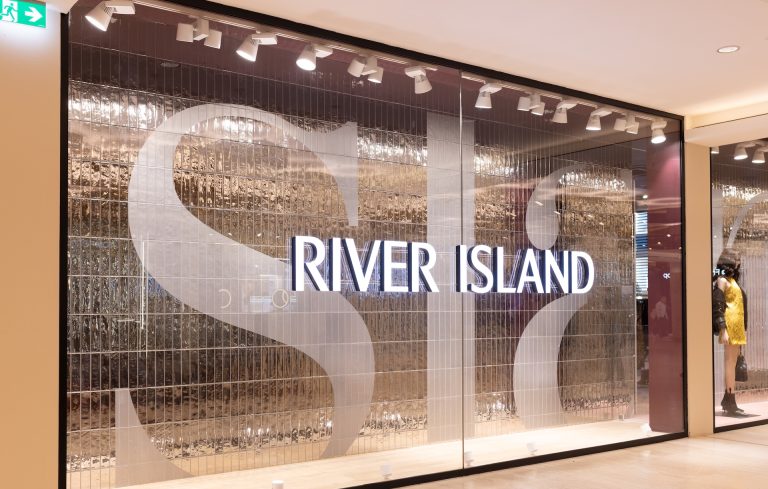
RIVER ISLAND DEBUTS NEW STORE CONCEPT AT CENTRE:MK 

River Island debuts new store concept at centre:mk

centre:mk today affirms its position as one of the UK’s top 10 prime regional destinations, as it announces that the high-street fashion giant, River Island, has chosen the centre to debut its newest store concept. The new 12,800 sq ft store, which spans over two floors, welcomes a major transformation designed to deliver a more elevated, engaging and customer-centric shopping experience. The brand’s reinvestment in centre:mk unveils the first of its kind, a new store concept which will be rolled out across the River Island brand. It features an enhanced exterior, designed to attract and engage guests, whilst internally, it homes the brand new “River-Runway” installation, an immersive visual feature that exhibits runway-inspired looks and the latest trends, in addition to a new denim department that showcases an expanded selection of silhouettes and washes. To encourage an elevated and seamless shopping journey, the new centre:mk store brings modernised, spacious fitting rooms for a premium experience, whilst a thoughtfully designed layout and debut technology aim to further enhance the customer journey for a quick and convenient trip. The technology includes weight-sensing self-service checkouts which use radio frequency identification technology, and WW Smart Fitting Rooms, whereby guests can request alternative sizes and products without leaving the fitting room cubicle. The result is an even more seamless and accessible shopping experience. Kevin Duffy, Centre Director at centre:mk, comments: “The debut of River Island’s new concept store at centre:mk brings something fresh to the destination’s existing quality line up of fashion retailers. Our wide catchment values quality concepts, and we’re delighted that centre:mk can be the first to bring this new concept to market. It really affirms the scheme’s position as a best-in-retail destination” Mel Aucott, Retail Director at River Island, adds:  “Debuting our new store concept to centre:mk represents an important step change in River Island’s bricks-and-mortar presence. The top 10 prime regional destination offers a wealth of quality fashion retailers, a highly engaged and loyal customer base and clear ambition to deliver quality experiences, all of which perfectly mirror River Island’s approach and new store concept. We are excited to reveal our enhanced store offering to our customers and look forward to expanding this vision further.” The major reinvestment from River Island comes shortly after the premium Swiss chocolatier, Lindt, signed for a 1,670 sq ft unit on Silbury Arcade, bringing its boutique format and exclusive ranges to centre:mk Building, Design & Construction Magazine | The Choice of Industry Professionals

Read More »
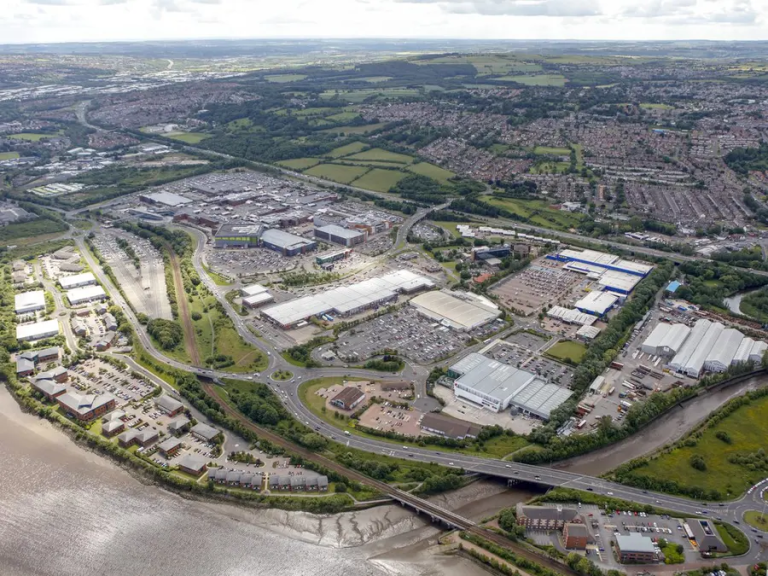
Retail parks emerge as key growth area as physical retail evolves

Retail parks emerge as key growth area as physical retail evolves

Traditional bricks-and-mortar shopping continues to hold strong appeal for customers despite the continued growth of online retail, with retail parks emerging as an increasingly attractive destination for both retailers and consumers. With online retail having plateaued at just over 28% of UK retail sales, below its pandemic peak, physical stores remain firmly at the heart of how customers choose to spend their money. The question is no longer whether physical retail will survive, but how retailers and landlords are allocating space across different formats. Michaela Walker, a commercial property solicitor at national law firm Clarke Willmott, said: “The retail landscape has changed significantly, but reports of the death of physical retail have been greatly exaggerated. What we are seeing is a more nuanced evolution in the way retailers use physical space, with retail parks increasingly forming an important part of that picture. “Retail parks offer a combination of accessibility, convenience and flexibility that is particularly well suited to the way consumers shop today. For retailers, they can also provide larger units, easier access and opportunities to integrate traditional retail with click-and-collect, returns and other elements of an increasingly omnichannel customer journey.” The strength of demand for retail park space is reflected in current market data. British Land, one of the UK’s largest retail park owners, reports 99% occupancy across its 1,200-unit portfolio. Savills puts available floorspace across UK retail parks at just 1.8%, with 91% of existing occupiers choosing to renew rather than relocate. CBRE reported in 2025 that retail parks had the lowest vacancy rate of any major retail property sub-sector, alongside the strongest five-year rental growth across UK retail as a whole. Savills’ Johnny Rowland has described this as “a structural imbalance between supply and demand”, creating a “highly competitive environment, particularly for well-located schemes”. The shortage of space reflects a combination of limited land availability, high construction costs and challenging development appraisals, alongside the wider covenant strength of the sector. The profile of retailers occupying retail parks is also changing. The traditional image of retail parks as the preserve of DIY, furniture and automotive retailers no longer tells the full story. Food, fashion, homewares, leisure and value retailers are all expanding their presence in these locations. Home Bargains was the fastest-growing retail park tenant of 2025 according to Knight Frank, with 265 units. Aldi and Lidl now each operate more than 100 retail park sites, while Next, M&S and Skechers have pursued out-of-town strategies alongside their city-centre presence. This reflects what Savills describes as a more holistic approach to expansion, recognising the complementary role different retail formats can play in reaching different customer catchments. Michaela Walker said: “Retailers are increasingly looking at their estates as a portfolio rather than making an either-or choice between the high street, shopping centres and retail parks. Each format serves a different purpose, and the strongest strategies are often those that recognise how those locations can work together. “The appeal of retail parks is particularly clear for retailers whose customers value convenience. Easy road access, free parking and the ability to combine several shopping trips in one visit can be powerful advantages. At the same time, larger units can give retailers greater flexibility over how they operate their stores and integrate physical retail with their online offer.” The growth of retail parks should not, however, be interpreted as a story of high streets and shopping centres losing out. Strong demand for retail park space sits within a broader retail property market that continues to evolve across all formats. High streets, shopping centres and retail parks each serve distinct purposes within the customer journey, and retailers are increasingly using a combination of locations to reach different audiences. Michaela Walker said: “This isn’t the death of the high street. It is about retailers understanding where different types of physical space work best for their particular business and customers. “Retail parks are clearly experiencing strong demand at the moment, but that exists alongside continuing investment in town and city centres and shopping centres. The important point for retailers is to have a clear location strategy and to understand what each part of their estate is intended to achieve.” For retailers looking to expand, the strength of demand means that waiting for a suitable retail park unit to appear on the open market may no longer be an effective strategy. Space is often being absorbed before it becomes widely available, making early engagement with landlords and agents increasingly important. For developers, the supply gap presents an opportunity, although the planning process and development economics remain significant challenges, with applications taking nearly two years in some cases. Across the market, the 2026 business rates revaluation is also reshaping the cost equation for retailers operating across different formats, adding another factor to decisions around location and estate strategy. Michaela Walker said: “For occupiers, the message is to think ahead. If a retail park is an important part of your expansion strategy, it is worth engaging early rather than waiting for a unit to become publicly available. “Businesses also need to consider the wider costs of occupation, including rent, business rates and fit-out, alongside the operational benefits that a particular location can offer. With supply constrained and competition for good-quality space high, having a clear strategy can make a significant difference.” The next phase of physical retail is therefore likely to be less about choosing between physical and online channels and more about how retailers use physical space most effectively. For some, that will mean investing in flagship stores in town and city centres. For others, it will mean larger, more accessible and operationally efficient stores on retail parks. Michaela Walker concluded: “Physical retail remains incredibly relevant. What is changing is the role that individual stores and locations play within a retailer’s wider business. “The combination of retail parks, shopping centres and high streets is helping physical shopping remain vibrant and relevant. Retailers that understand how those different formats complement one another will be best placed to make


Read More »
Aldi Unveils £300m UK Store Investment as 25 Supermarkets Set for Major Upgrades

Aldi Unveils £300m UK Store Investment as 25 Supermarkets Set for Major Upgrades

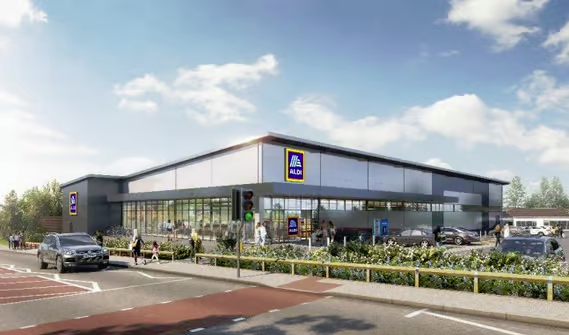
Aldi is stepping up investment across its UK property estate with plans to refurbish 25 supermarkets this year as part of a wider £300 million programme of store improvements. The investment will see the discount supermarket group upgrade existing locations across England and Scotland, with work focused on improving the customer experience while introducing more efficient and sustainable building technologies. Depending on the individual store, improvements will include the refurbishment and expansion of key departments such as bakery, health and beauty and fresh food. The programme is designed to create additional space and make stores easier for customers to navigate. Sustainability will also play a role in the refurbishment programme. Selected locations are set to receive energy-efficient fridge doors and refrigeration systems using natural refrigerants, supporting efforts to reduce energy consumption and improve the environmental performance of Aldi’s existing estate. For the retail construction and fit-out sector, the programme represents a significant pipeline of refurbishment activity across a geographically diverse portfolio. Upgrading operational supermarkets can require carefully phased construction, M&E, refrigeration, shopfitting and finishing works to minimise disruption while delivering improvements to existing buildings. Jonathan Neale, managing director of national real estate at Aldi UK, said: “We’re continuing to invest in our existing stores because we know how important the in-store experience is to customers. “These upgrades will create more space, improve key areas of our stores and make them easier to shop. It’s an important part of how we’re investing in the communities we serve.” The £300 million commitment highlights the continuing importance of existing-store investment alongside new supermarket development. For major retailers with substantial property portfolios, refurbishment provides an opportunity to modernise customer-facing areas while improving energy efficiency and adapting stores to changing operational requirements. With 25 locations earmarked for work this year, Aldi’s programme will bring investment to stores from Aberdeen and Stirling to Manchester, Liverpool, London and Bedford. Aldi stores set for refurbishment • Arndale, Manchester• Barnsley Road, Doncaster• Batley Road, Wakefield• Brackley Court, Blaby• Bridgnorth Road, Wollaston• Brooks Road, Lewes• Chapel Street, Belper• Cornhill Shopping Arcade, Aberdeen• Crown Road, Enfield• Falkirk Road, Linlithgow• Grooms Alley, Wellington• Holyhead Road, Telford• Holloway Road, Archway• Knollside Close, Sunderland• London Road, Blackwater• Moreland Avenue, Billingham• Old Beck Road, Harrogate• Printers Place, Paisley• Ringtail Retail Park, Burscough• Rockingham Road, Corby• Sandbach Road, Congleton• Springbank Road, Stirling• St. John Centre, Liverpool• Stratford Road, Hall Green• Westville Road, Bedford Building, Design & Construction Magazine | The Choice of Industry Professionals

Read More »
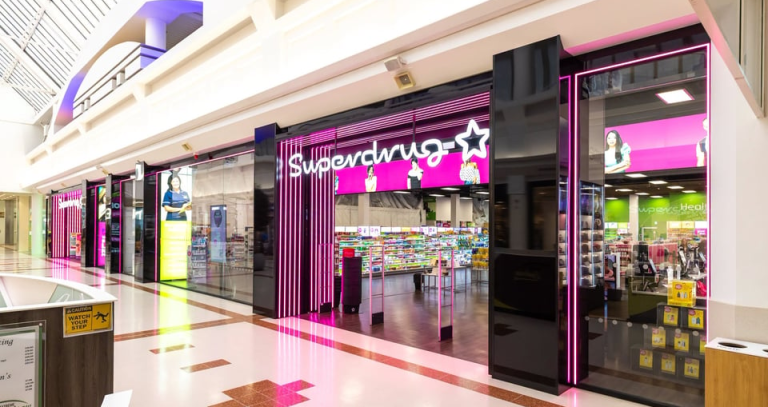
The bigger the better: Superdrug commits to significant upsize at Harlequin Watford

The bigger the better: Superdrug commits to significant upsize at Harlequin Watford

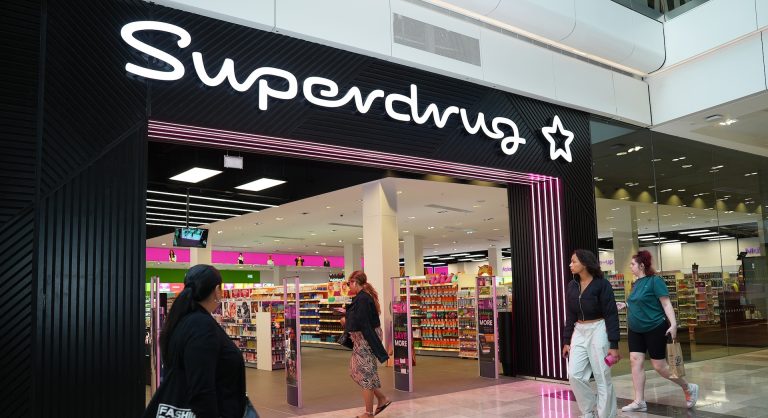
Harlequin Watford, Hertfordshire’s leading retail and leisure destination, owned and operated by SGS UK Retail, has announced that Superdrug has committed to a significant upsize that will expand the space by over a third. The upsize follows consistently strong performance at the centre and is a significant vote of confidence in the destination. Due to expand into the adjacent retail space, the new Superdrug store will span 11,503 sq ft, a 37% increase from its previous 8,400 sq ft space. The upsize will grant a wider range of cosmetics, skincare, healthcare, fragrances, and wellness products, enabling the brand to meet the high customer demand at the centre. At the heart of a wide catchment made up of Watford residents, North Londoners, and office workers, Harlequin remains a hub for everyday essentials, and this major investment reflects the prime positioning the centre offers nationally leading retailers. The centre has welcomed £16.7 million worth of tenant enhancement over the last 24 months, including a 154% upsize from Goldsmiths in this same month, showcasing huge momentum for the destination and signalling both the success of existing tenants and the destination’s growing value, as brands continue to reaffirm their position.  Robert Jewell, Managing Director of Asset Management at Pradera, commented: “Harlequin is a prime example of active, intelligent leasing done right, where occupiers welcome success and visitors feel understood. Superdrug’s recommitment demonstrates why brands continue to find the centre an attractive prospect worth investing in, and the expanded space will work to serve the needs of the far-reaching catchment.” Clare Jennings, Property Director at Superdrug: “We’re excited to be extending the store in Harlequin Watford. This investment reflects our continued commitment to bricks-and-mortar retail and allows us to bring an enhanced range of health and beauty products and services to local customers. The new store will feature leading brands, fragrance offerings and our Beauty Studio which provides a range of beauty treatments and piercing services. It will also create new jobs, further supporting the local community.” Time Retail and LM are Harlequin’s retail leasing agents, and Metis and LM lead the leisure leasing. Pradera asset manages Harlequin on behalf of SGS UK Retail.  Simon Horner at GCW acted on behalf of Superdrug. Building, Design & Construction Magazine | The Choice of Industry Professionals

Read More »
Landsec Lines Up £500m-Plus Deal for Gateshead’s Metrocentre

Landsec Lines Up £500m-Plus Deal for Gateshead’s Metrocentre

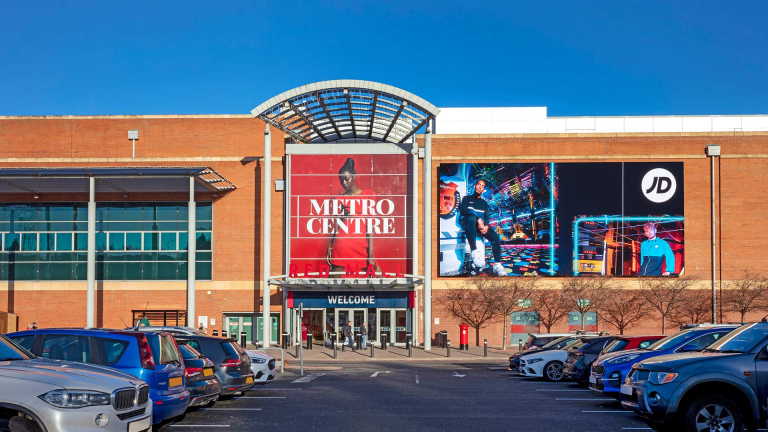
Landsec is reportedly emerging as the frontrunner to acquire Gateshead’s Metrocentre in a deal that could value one of Europe’s largest shopping centres at more than £500 million. The FTSE 100-listed real estate investment trust is understood to be leading the race for the landmark North East retail destination, ahead of other interested parties including Frasers Group and Hammerson. Metrocentre was brought to market in June by the Metrocentre Partnership, which includes the Church Commissioners and Singapore’s sovereign wealth fund, with an asking price of around £500 million. However, Landsec could reportedly pay significantly above that figure to secure the asset, potentially requiring the property group to raise additional funding from shareholders to complete the acquisition. Spanning approximately two million sq ft, Metrocentre is one of the UK’s most significant regional shopping and leisure destinations and one of the largest shopping centres in Europe. Its extensive retail offer includes major occupiers such as Marks & Spencer, Primark, Zara, JD Sports and Urban Outfitters, while recent additions including Hollister, Lovisa and KENJI have continued to strengthen the centre’s tenant mix. A successful acquisition would represent another major investment by Landsec in large-scale destination retail and further expand its exposure to some of the UK’s most prominent shopping centres. Metrocentre would join a portfolio that already includes major destinations such as Liverpool ONE, Bluewater in Kent and Gunwharf Quays in Portsmouth. The potential deal comes as investor appetite for prime shopping centres continues to strengthen following several challenging years for the retail property market. Large destinations with established catchments, strong occupier line-ups and opportunities for active asset management are increasingly attracting attention from major property investors. For Landsec, adding Metrocentre would provide another substantial asset capable of supporting its strategy around destination-led retail, leisure and experience while increasing the scale of its national portfolio. The scale of the potential transaction would also make the sale an important marker for the wider UK retail investment market, particularly if the final price moves substantially beyond the £500 million guide. While a deal has yet to be completed, Landsec’s reported position as frontrunner places one of the country’s best-known shopping destinations on course for a significant change of ownership. Building, Design & Construction Magazine | The Choice of Industry Professionals

Read More »
Bodycare Expands High Street Comeback with New Derbion Studio Store

Bodycare Expands High Street Comeback with New Derbion Studio Store

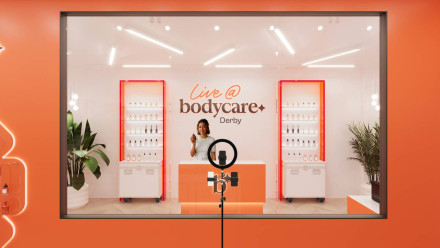
Bodycare is continuing its return to the UK high street with plans to open its second studio-style store at Derbion shopping centre in Derby later this month. The new opening represents another step in the health and beauty retailer’s rebuilding programme following the collapse of its previous high street business into administration in 2025. Bodycare launched the first of its new studio-style stores in Sheffield in July, with Derby now set to become the second location to introduce the refreshed retail format. The new Derbion store will combine Bodycare’s traditional focus on value-led health and beauty products with an expanded selection spanning skincare, cosmetics, fragrance and wellness. The concept will also introduce additional customer experiences and emerging beauty categories, including Korean beauty collections and a professional piercing studio, broadening the store beyond a conventional health and beauty retail offer. The opening comes as Bodycare gradually rebuilds its physical store estate. Property adviser Newmark was appointed as sole adviser to the retailer earlier this year and has secured leases for six new UK locations, providing the foundations for its renewed high street presence. For Derbion, the letting adds another beauty and wellbeing operator to its retail mix as the Derby shopping destination continues to attract new brands and store concepts. Beth McDonald, managing director of Derbion, said: “We’re hugely excited to welcome Bodycare back to Derbion with a brand new concept store. As well as offering exceptional value for customers, the Creator Studio will be a brilliant addition which is sure to prove extremely popular with our local community here in Derby. “Bodycare is the latest in a raft of new stores that have joined the centre this year and we look forward to announcing further news soon.” The arrival also reflects the continued importance of physical retail space for health, beauty and wellness brands, with retailers increasingly using new store formats to combine traditional shopping with services and more experiential elements. Bodycare’s investment in a refreshed concept provides the retailer with an opportunity to reposition its bricks-and-mortar offer as it begins a new chapter following last year’s administration. With Sheffield already trading and Derby preparing to open, the rollout of the studio format will form an important part of Bodycare’s renewed expansion across the UK retail property market. Building, Design & Construction Magazine | The Choice of Industry Professionals

Read More »
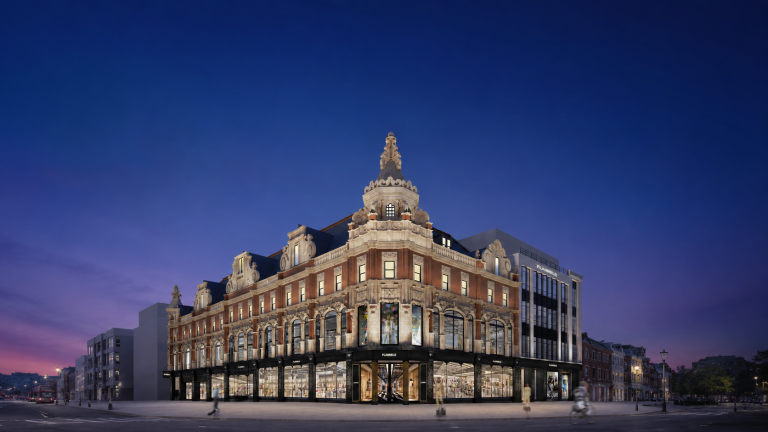
Frasers Group Builds for the Future as Property and Brand Portfolio Expands

Frasers Group Builds for the Future as Property and Brand Portfolio Expands

Frasers Group is continuing to evolve beyond its traditional retail roots, combining an expanding portfolio of sports, premium and luxury brands with growing investment in stores, shopping destinations and property across the UK. Led by Chief Executive Michael Murray, the group has set out a strategy centred on building a powerful and increasingly connected brand ecosystem. Its approach brings together retail brands, physical property, digital innovation and investment in customer experience, giving the business a significant presence across the changing UK retail and commercial property landscape. The latest major addition is Harvey Nichols, with Frasers Group acquiring the luxury department store business from administrators in August. The transaction brings the historic retailer into a wider luxury ecosystem in which Frasers has already invested substantially through brands and concepts including FLANNELS. Harvey Nichols brings with it an important physical retail estate, including its landmark Knightsbridge department store alongside UK locations in Edinburgh, Leeds, Manchester, Birmingham and Bristol. Frasers has made clear that significant restructuring will be required to create a stronger and more sustainable business for the long term, with the store portfolio, operating model, organisational structure and cost base expected to come under review. Michael Murray said the acquisition represented an opportunity to provide Harvey Nichols with the infrastructure, expertise and investment required to reposition the business, while acknowledging that creating a sustainable future could result in a smaller operation in the short term. The deal illustrates the increasingly close relationship between Frasers Group’s brand strategy and its approach to physical retail property. Rather than viewing stores simply as places to transact, the group has increasingly focused on larger, higher-quality environments capable of bringing together multiple brands and creating stronger destinations. That strategy can also be seen at Frasers Plus Designer Outlet Leeds, where continued investment in the occupier mix is strengthening the centre’s fashion, sportswear and lifestyle offer. The destination brings together Frasers-owned concepts alongside a broad range of third-party retailers, demonstrating how property can provide a platform for a diverse mix of brands. French Connection is among the latest additions, opening a 2,257 sq ft store featuring its latest retail concept. Its arrival follows other recent openings from Belstaff and White Stuff, providing further evidence of investment in the destination and its evolving tenant mix. For the built environment sector, this combination of ownership, retail operations and brand investment is particularly significant. Frasers can use its understanding of customer behaviour and individual brands to influence how physical destinations are occupied, repositioned and operated. The group’s wider approach has also placed greater emphasis on elevating physical retail. New and refurbished stores, contemporary shop fits and stronger brand presentation form part of a strategy intended to give customers compelling reasons to continue visiting bricks-and-mortar destinations alongside the growth of online retail. Sustainability and the performance of the physical estate are another part of the long-term picture. Frasers Group has identified areas including energy efficiency, waste reduction and transport as important considerations as it looks to reduce the environmental impact associated with its operations. These considerations are becoming increasingly important as retailers and property owners examine the whole-life performance of their buildings. Reusing, refurbishing and repositioning established retail assets can provide opportunities to create more efficient and commercially relevant spaces while reducing reliance on entirely new development. Frasers Group’s growth therefore presents an increasingly significant property story as well as a retail one. Its estate provides the physical platform through which a growing collection of brands can be developed, while investment in shopping destinations creates opportunities to introduce new occupiers, improve customer experiences and strengthen the performance of existing assets. The acquisition of Harvey Nichols adds another dimension. The challenge will be to preserve the character and heritage that make the department store distinctive while creating a commercially sustainable model capable of succeeding within a dramatically changed luxury retail market. Across the wider portfolio, the direction is towards closer integration between brands, property and experience. Frasers Group’s expanding ecosystem now stretches across sports, premium and luxury retail, supported by continued investment in physical stores, digital capabilities and customer experience. As retail property continues to adapt to changing consumer habits, Frasers Group’s ability to combine brand ownership with investment in physical destinations could become an increasingly important part of its growth. From the future of Harvey Nichols to the continued evolution of its shopping destinations and store estate, property is becoming a significant component in how Frasers Group builds the next generation of its retail business. Building, Design & Construction Magazine | The Choice of Industry Professionals

Read More »
ACTIVATE LAUNCHES INTO HARLEQUIN WITH A REGIONAL DEBUT

Activate launches into Harlequin with a regional debut

Hertfordshire’s leading retail and leisure destination, Harlequin Watford, which isowned and managed by SGS UK Retail, has announced that the immersive gaming concept, Activate, has now opened within the centre, bolstering Harlequin’s diverse tenant mix of retail, F&B, and leisure occupiers. Activate, which has taken a 15,592 sq ft unit, joins Harlequin’s evolving leisure offering, alongside Cineworld, Boom Battle Bar and Flip Out, affirming the centre’s position as both a thriving dual-purpose retail destination and a focal point for leisure and entertainment. Following Activate’s success within its London sites, and its global success across Canada, the US, and Dubai, SGS identified its popularity, along with the needs and wants of its visitors to open the brand’s 3rd destination outside of the capital. The regional debut cements Harlequin’s reputation as a key regional destination for visitors from across north London, Hertfordshire and Buckinghamshire.  As competitive socialising concepts continue to grow in popularity, the branch will feature technology-driven challenges, interactive game rooms, enhanced with lasers, grids, hoops, portals and reaction-based challenges. The new leisure addition offers a range of physical, mental and team-based challenges tailored for groups of friends, families, birthday parties and corporate teams. Games on offer include player favourites, including Activate’s most popular game, Mega Grid. It will also feature Grid, where the floor transforms into a giant interactive playing surface, challenging teams to jump, sprint and strategise their way to victory. Mega Laser is another fan favourite that will feature in the scheme, with players navigating a room criss-crossed by laser beams without triggering alarms in an experience reminiscent of Mission: Impossible. Rich Beese, co-founder of We Do Play, said: “The arrival of Activate at Harlequin is a pivotal time in the brand’s growth, as one of the first branches outside of London. With its impressive footfall from a broad catchment, we are certain that this branch in Watford will be well received as competitive socialising concepts offer something fresh and continue to grow in demand.” Robert Jewell, Managing Director of Asset Management at Pradera, commented: “As Activate officially joins our evolving portfolio of leisure tenants, it affirms Harlequin’s position as the region’s premier all-day destination for shopping, dining and leisure. The immersive gaming concept joins as we are seeing strong performance of our competitive socialising options, signalling the scheme’s success as an all-day destination.”  The opening follows the recent opening of Chop & Wok at Harlequin, as it continues to evolve its F&B and leisure options in line with increasing demand. Harlequin’s success in securing both quality and diverse occupiers comes after strong investment and long-term strategy to hold its position as the region’s go-to destination for everything. Time Retail and LM are Harlequin’s retail leasing agents, and Metis and LM lead the leisure leasing.  Pradera asset manages Lakeside on behalf of SGS UK Retail.  LM acted for Activate. Building, Design & Construction Magazine | The Choice of Industry Professionals

Read More »
£1.4bn Shopping Centre Investment Pipeline Signals Retail Property Revival

£1.4bn Shopping Centre Investment Pipeline Signals Retail Property Revival

Confidence is continuing to return to the UK’s retail property market, with new research from Savills revealing a £1.4 billion pipeline of shopping centre investments that is expected to drive a strong second half of 2026. According to the real estate adviser, 17 shopping centre transactions with a combined value of £1.1 billion are currently under offer, while a further 19 schemes, worth approximately £320 million, are actively being marketed. Together, the figures point to renewed momentum across the investment sector following a mixed start to the year. Although transaction volumes slowed during the second quarter, Savills believes this masks a much healthier underlying market, with substantial investor interest now focused on larger, high-quality retail destinations. For the construction and property sectors, the resurgence reflects growing confidence in well-positioned mixed-use retail assets that offer long-term redevelopment, asset management and placemaking opportunities alongside resilient occupier demand. During the first half of 2026, average shopping centre transaction values reached £44 million – the highest level recorded since 2016. Landmark deals involving Merry Hill and The Broadway, Bradford accounted for around 72% of total transaction activity, highlighting the renewed appeal of institutionally significant retail assets. Savills believes the second half of the year will see activity accelerate as transactions currently progressing through the market reach completion. Mark Garmon-Jones, Head of Shopping Centre and Retail Investment at Savills, said: “The second half of the year is where we expect the market to become much more active. H1 was respectable, but uneven, with a strong Q1 followed by a quieter Q2. What matters now is the depth of the pipeline; this is not a market short of demand, but one where activity is increasingly being driven by better-quality assets.” The research also highlights a notable return of institutional investors and REITs to the shopping centre market after several years of limited activity. Investors are increasingly targeting dominant retail destinations with strong occupational performance and opportunities for long-term value creation through active asset management. The improving occupational market is further strengthening investor confidence. Shopping centre vacancy rates fell to 16.1% during the second quarter, the lowest level recorded in a decade and the sharpest quarterly improvement since early 2016. Savills attributes the decline in vacancy to strengthening leasing demand, delayed occupier decisions finally progressing, continued pressure on the constrained retail warehouse market and the ongoing repurposing of secondary retail space for alternative uses. Sam Arrowsmith, Commercial Research Director at Savills, said: “The shopping centre market enters the second half of 2026 in a stronger position than the Q2 figures alone suggest. Vacancy has seen the largest quarter fall in 10 years, leasing demand is improving and the return of institutional capital is a clear signal that confidence is rebuilding. The risks are more about timing than direction, and for well-capitalised buyers the window to secure high-quality assets ahead of further yield compression is narrowing.” As retail destinations continue to evolve into mixed-use environments incorporating leisure, hospitality, workspace and residential elements, the latest research suggests investor confidence is steadily returning. With a substantial pipeline of transactions progressing and occupier demand strengthening, the shopping centre sector appears well placed for renewed investment activity throughout the remainder of 2026. Building, Design & Construction Magazine | The Choice of Industry Professionals

Read More »
JD Sports Expands with Flagship Meadowhall Megastore as Retail Investment Continues

JD Sports Expands with Flagship Meadowhall Megastore as Retail Investment Continues

JD Sports is significantly expanding its presence at Sheffield’s Meadowhall shopping centre with the opening of a major new flagship store, reinforcing the retailer’s continued investment in high-performing retail destinations. Opening at the end of July, the new store will span 29,225 sq ft, making it almost three times larger than JD’s previous unit at the centre. The expansion will enable the retailer to offer an even broader selection of sportswear, footwear and fashion brands while enhancing the overall customer experience through a modern retail environment. The enlarged store has been designed to accommodate JD’s growing product range and evolving retail format, with new self-service tills helping to deliver quicker and more convenient transactions for shoppers. The investment further strengthens Meadowhall’s position as one of the UK’s leading regional shopping destinations, where retailers continue to invest in larger, experience-led stores that reflect changing consumer expectations and demand for premium retail environments. JD Sports joins an increasingly strong line-up of fashion and lifestyle brands at the centre, complementing recent arrivals including Pull&Bear and Stradivarius, alongside established names such as Flannels and Sweaty Betty. For the retail property sector, the expansion reflects the ongoing trend of major retailers consolidating into larger, flagship locations capable of showcasing wider product ranges while delivering more engaging customer experiences. As shopping centres continue to evolve, investment in high-quality retail space remains a key driver in attracting leading national and international brands. Darren Pearce, Centre Director at Meadowhall, said: “JD is already one of our most popular retailers, so to see the brand invest in a store of this scale is fantastic – it really demonstrates its confidence in Meadowhall as a destination. Almost tripling in size, the new store will give shoppers access to a wider range of brands and the very latest in sportswear and fashion, all under one roof. “It builds on what has been a brilliant year of new arrivals at the centre. From Pull&Bear and Stradivarius to now a huge new JD, we’re incredibly proud of the new brands and experiences we’re giving to our shoppers.” James Air, Director of Group Real Estate and Acquisitions at JD Sports, added: “We’re proud to be expanding our presence in Sheffield, creating a prime megastore within the heart of Meadowhall. This investment reflects our commitment to the city and gives customers access to an even bigger selection of the world’s leading sports, fashion and lifestyle brands, all within a phenomenal, high-spec new retail space. We can’t wait to welcome shoppers through the doors.” The latest investment highlights the continued resilience of destination retail centres, where occupiers are increasingly seeking larger, more flexible units that combine an extensive product offering with modern store design and technology. For Meadowhall, the opening of JD’s new megastore represents another significant milestone in the centre’s ongoing evolution, strengthening its appeal as a premier retail and leisure destination in the North of England. Building, Design & Construction Magazine | The Choice of Industry Professionals

Read More »