
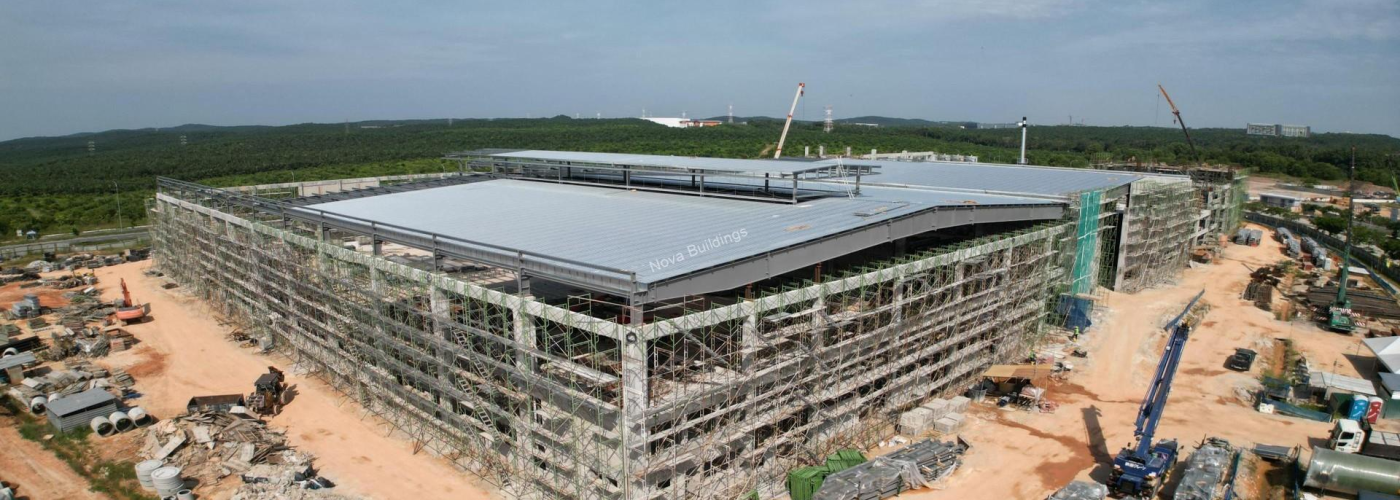


From the outside, factories and warehouses are often just large rectangular buildings sitting on industrial estates, and it’s easy to assume there isn’t much more to it than that. But once you start looking at what’s actually involved, things get a lot more complicated – there are loading requirements, vehicle movements, future expansion plans, drainage, ground conditions, service yards, production equipment, sustainability targets, and a long list of other considerations that all need to fit together to make the place work how you want it to (and how it needs to, come to that).
That’s why the structural engineer can be so useful when it comes to helping developers, architects, contractors, and clients work through problems before they become expensive ones, and finding practical solutions when a project inevitably throws up something unexpected. With that in mind, here are some structural engineering firms that know what they’re doing when it comes to factory and warehouse developments.
Alan Wood & Partners
Alan Wood & Partners has been around for a long time, and one of the things that stands out is just how much expertise it has in various ways because you can have structural engineering, civil engineering, geotechnical services, project management, and building consultancy, which can make life a lot easier on larger developments where lots of different people need to be involved from the start.
That can be very useful on factory and warehouse projects because the building itself is often only part of what’s being delivered, and there are access roads to think about, drainage systems, service yards, ground conditions, and sometimes future expansion plans that need to be considered before construction has even started.
What comes across is a very practical approach to problem-solving here – after all, industrial developments are about creating facilities that work properly every day, often for decades, and that means making sensible decisions from the very beginning.
Adept Consulting Engineers
Adept works across a pretty wide range of sectors, and that can actually be a real advantage. The reason is that a lot of the challenges you find on warehouse and factory projects aren’t unique to industrial developments at all, but they might pop up in slightly different ways, of course.
The fact is that a large logistics facility still needs to move vehicles safely around the site, drainage still needs to work properly, future growth still needs to be planned for, and so on, and that’s why having experience in different types of developments means the team has often seen similar issues before, even if the project itself isn’t quite the same.
Acies
Acies talks a lot about buildability, and that’s really relevant when you’re looking at factory and warehouse developments because these projects are often working to very tight programmes. And remember, delays don’t just affect construction – they can affect staffing plans, equipment installation, production schedules, and tenant move-in dates as well (and that’s just the start of your potential problems).
That’s why decisions made during the design stage can end up having massive impact because a small change early on might save weeks later in the programme, and that’s often where experts like Acies can add real value.
JNP Group
JNP Group has worked on a lot of industrial projects over the years, and one thing that becomes obvious quite quickly is that no two facilities are ever quite the same – two warehouse developments might look almost identical from the road, but what’s happening inside them can be completely different, and that can have a huge impact on how the building needs to be designed.
Some businesses need vast open spaces with as few columns as possible, others need room for specialist equipment, storage systems, or future alterations that haven’t even been planned yet, and so on. And that’s one of the reasons experience in the industrial sector can be so important because you’re not just designing a building, you’re creating something that needs to work around the way a business operates. JNP Group focuses on understanding what the space needs to be right from the start.
Price & Myers
Price & Myers has been involved in such a wide variety of projects over the years that it feels like the company has probably seen most things at least once before, and that’s often useful because industrial developments have a habit of throwing up unexpected challenges, whether that’s an awkward site, unusual requirements from the client, or just trying to make everything work.
One thing that’s easy to forget is that warehouse and factory buildings often stay in use for a very long time because when you think about it, businesses change and grow, equipment gets upgraded, and what worked perfectly on day one might need to adapt ten or fifteen years later. That’s why flexibility can be just as important as getting the initial design right, and having experience across lots of different sectors can help with that because it gives engineers a wider frame of reference.
Heyne Tillett Steel
Heyne Tillett Steel is probably best known for some of the more eye-catching projects in its portfolio, and at first glance that might not seem particularly relevant to factory and warehouse development, but actually, there are quite a few similarities because both types of project often involve creating large, open spaces that need to work efficiently without being filled with columns and other obstacles.
What makes Heyne Tillett Steel interesting is that it brings experience from loads of other projects, and although that doesn’t mean every warehouse needs to be a landmark building, of course, it does mean the company has plenty of experience finding solutions when a project starts asking for something a little out of the ordinary.
Final Thoughts
The thing about factory and warehouse developments is that they tend to evolve as they go along, and what looks simple at the start can end up looking pretty different by the time construction begins. That’s why experience is so important because good structural engineers aren’t just reacting to what’s in front of them, they’re often thinking a few steps ahead as well.