October 28, 2026
David Wilson Homes Secures Approval for 120 Sustainable Homes in Hertfordshire with 20% Biodiversity Gain

David Wilson Homes Secures Approval for 120 Sustainable Homes in Hertfordshire with 20% Biodiversity Gain

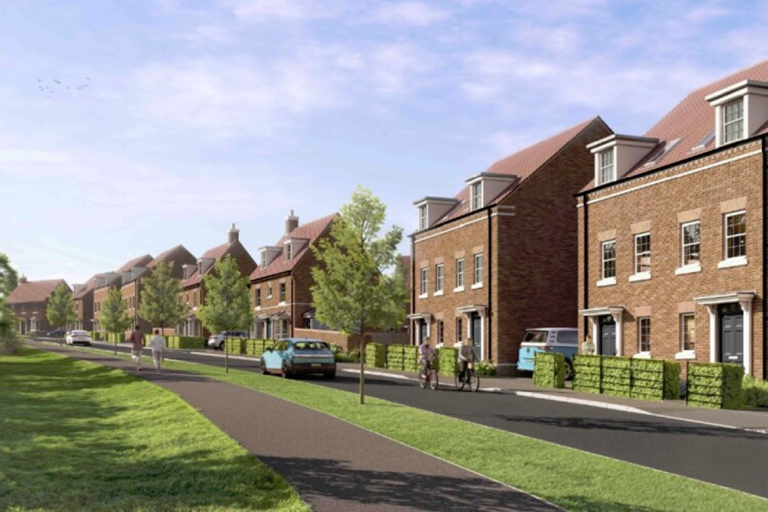
David Wilson Homes has secured planning approval for a new 120-home residential development between Hatfield and Welham Green in Hertfordshire, with the scheme set to deliver more than 20% biodiversity net gain alongside new affordable housing, extensive green spaces and significant investment in local infrastructure. Welwyn Hatfield Borough Council has

Read More »
Latest Issue
Issue 345 : Oct 2026

October 28, 2026

UK commercial property returns expected to strengthen from 2027 despite near-term pressures

UK commercial property returns expected to strengthen from 2027 despite near-term pressures

Colliers forecasts average annual total returns of 7% over five years, with retail expected to outperform A recent Colliers’ report has revealed that UK commercial real estate total returns are forecast to reach 4.4% in 2026 before strengthening to 6.3% in 2027 and 8.2% in 2028. Over the five years to 2030, total returns are forecast to average 7% per annum According to the latest Q3 UK Real Estate Investment Forecasts report, the 2026 total return forecast has been revised down from 5%, reflecting higher gilt yields and increased uncertainty. Colliers expects all-property capital values to decline by 0.3% in 2026 before returning to growth of 1.6% in 2027, with limited property yield movement expected over the next few years. UK commercial real estate investment volumes increased from £10 billion in Q2 to around £11 billion in Q3. While this was ahead of Q3 2025, volumes remained 13% below the five-year quarterly average. Year-to-date investment reached £31 billion, marginally below the corresponding 2025 figure. Oliver Kolodseike, Head of Research & Strategic Insights at Colliers, commented: “Higher gilt yields and borrowing costs continue to create a challenging investment environment, limiting the potential for significant capital growth in the near term. However, occupational fundamentals remain resilient across parts of the market and we expect returns to strengthen from 2027. “With limited scope for yield compression, income and rental growth will be increasingly important drivers of performance. Retail continues to stand out, while demand for high-quality office and industrial space is supporting rental growth in those parts of the market.” Looking into specific sectors, retail is expected to lead performance over the next five years, with total returns forecast to average 8.5% per annum between 2026 and 2030, compared with 7% for all property. Shopping centres are forecast to generate the strongest returns at more than 10% per annum, while retail warehouses are expected to return around 8.9%. The outlook for offices and industrial remains more polarised, with demand continuing to favour higher-quality assets. Both sectors are forecast to deliver average total returns of 6.6% per annum over the five years to 2030. Industrial is expected to deliver the strongest mainstream-sector rental growth over the period, averaging 3.3% per annum. Overall, the report points to a market where income resilience, rental growth and asset quality will be increasingly important to performance as higher financing costs limit the scope for significant yield compression in the near term. Access the full Q3 UK Real Estate Investment Forecasts report here.

Read More »
Sir Robert McAlpine Secures £133m Contract to Transform Bank of England’s Historic London Headquarters

Sir Robert McAlpine Secures £133m Contract to Transform Bank of England’s Historic London Headquarters

Sir Robert McAlpine has secured a £133 million construction contract to deliver a major refurbishment of the Bank of England’s historic headquarters in the City of London, marking a significant investment in the modernisation of one of the UK’s most important public institutions. The contractor has been selected ahead of Bovis and Overbury to undertake an extensive four-year programme of refurbishment, infrastructure replacement and workplace improvements across the Bank’s Threadneedle Street estate. The project will form the centrepiece of the Bank of England’s wider Location Strategy, which aims to consolidate and modernise its existing accommodation while ensuring that the historic headquarters remains operational throughout construction. The appointment follows a competitive procurement process launched approximately seven months ago, when the contract was initially valued at £142 million. Four tenders were submitted, with three contractors progressing to the final assessment stage before Sir Robert McAlpine was selected for the £133 million programme. Major Modernisation of Historic Banking Estate The refurbishment will involve extensive upgrades to the Bank of England’s existing building infrastructure, alongside improvements to workplace accommodation, public-facing areas and operational facilities. The scope includes the replacement of core building infrastructure, refurbishment of office floors, improvements to ground-floor spaces and upgrades to the building’s auditorium. Significant basement works will also form part of the construction programme, adding further complexity to the delivery of the project within the historic estate. The investment is intended to modernise the Bank’s working environment and essential building systems while supporting the continued use of its established headquarters. Some areas of the Threadneedle Street estate have not undergone substantial renewal since 1942, highlighting the scale of the modernisation required. The age and complexity of the existing buildings will present considerable challenges for the contractor, particularly where ageing infrastructure and concealed building conditions may only become apparent once refurbishment works commence. The Bank has previously acknowledged the possibility of unforeseen conditions emerging during construction, reflecting the uncertainties associated with undertaking major building works within a historic property. Complex Construction Within a Live Operational Environment One of the most demanding aspects of the project will be the requirement to deliver extensive construction works while the Bank of England continues operating from its Threadneedle Street headquarters. The building’s status as a secure financial institution, combined with its architectural heritage and central London location, will require carefully managed construction logistics, detailed programming and close coordination with the Bank’s operational teams. Works will need to be planned around the continued occupation of the estate, with particular attention to maintaining essential services, security arrangements and safe access throughout the refurbishment. The replacement of major infrastructure systems within an occupied building is expected to be a particularly important element of the programme. Mechanical, electrical and other essential building services will need to be carefully coordinated to minimise disruption while supporting the long-term performance and reliability of the estate. The project will also require a sensitive approach to the existing building fabric, ensuring that modernisation works are compatible with the historic character of the headquarters. For the construction industry, the contract represents a significant example of the technical challenges involved in upgrading major public sector buildings without taking them out of operation. Phased Delivery and Flexible Construction Programme Rather than proceeding as a single uninterrupted construction package, the refurbishment will be divided into separate sections, allowing the Bank of England to maintain greater control over the programme as works progress. The detailed scope of individual packages will be developed during the pre-construction phase, with each section requiring separate authorisation from the Bank before proceeding. This phased approach will enable the project team to respond to emerging building conditions, operational requirements and any additional works identified during the refurbishment. The Bank will retain the flexibility to expand, reduce or omit individual elements of the programme, depending on its requirements and the findings of further investigations. Such arrangements are particularly relevant to complex refurbishment projects involving older buildings, where the full condition of structural elements and existing services cannot always be established before construction begins. The approach will place considerable emphasis on pre-construction planning, cost management and collaboration between the contractor, design teams and client. It will also allow construction activities to be coordinated with the Bank’s ongoing operational needs, reducing the risks associated with undertaking major works within a continuously occupied estate. Supporting the Bank of England’s Long-Term Property Strategy The Threadneedle Street refurbishment forms a central part of the Bank of England’s Location Strategy, which is focused on improving the efficiency and suitability of its property accommodation. The programme will support the consolidation of existing facilities while upgrading workplace environments and essential infrastructure to meet future operational requirements. Across the public sector, major estate modernisation projects are increasingly focused on extending the useful life of existing buildings, improving operational efficiency and adapting established properties to changing workplace requirements. The Bank of England project reflects these priorities, combining investment in existing infrastructure with the refurbishment of working spaces and supporting facilities. The decision to modernise the existing headquarters also presents an opportunity to preserve the continued use of a prominent historic building within the City of London. For Sir Robert McAlpine, the appointment adds another substantial and technically challenging refurbishment project to its construction portfolio, requiring specialist expertise in complex building environments, structural coordination and occupied-site delivery. Construction Programme to Run Until 2030 Formal contract signing is scheduled for late November 2026, with the initial agreement expected to run until November 2030. The contract also includes an option to extend the programme by a further year, providing additional flexibility should the Bank require more time to complete individual phases. The four-year construction period will see Sir Robert McAlpine undertake a carefully sequenced programme of refurbishment and infrastructure improvements, with works progressing in accordance with the Bank’s operational requirements and approval of individual packages. The £133 million investment represents a major commitment to the long-term future of the Bank of England’s Threadneedle Street estate. Once completed, the programme is expected to provide modernised workplace accommodation, upgraded building

Read More »
David Wilson Homes Secures Approval for 120 Sustainable Homes in Hertfordshire with 20% Biodiversity Gain

David Wilson Homes Secures Approval for 120 Sustainable Homes in Hertfordshire with 20% Biodiversity Gain

David Wilson Homes has secured planning approval for a new 120-home residential development between Hatfield and Welham Green in Hertfordshire, with the scheme set to deliver more than 20% biodiversity net gain alongside new affordable housing, extensive green spaces and significant investment in local infrastructure. Welwyn Hatfield Borough Council has approved the detailed design and layout of the development, which will be located off South Way, following the granting of outline planning permission in autumn 2025. The scheme represents another important addition to Hertfordshire’s residential development pipeline, combining new family housing with environmental improvements, low-carbon building technologies and investment in community facilities. New Homes and Affordable Housing The development will provide 120 new homes, including 90 properties for open market sale and 30 affordable homes, representing 25% of the overall scheme. The open market housing will comprise a mix of two, three and four-bedroom properties, providing accommodation for families and buyers seeking modern homes within the Hatfield area. Two custom-build plots will also be incorporated into the development, offering opportunities for purchasers to create homes tailored to their individual requirements. The affordable housing provision will include a combination of Social Rent, Affordable Rent and Shared Ownership properties, with one to four-bedroom apartments and houses designed to accommodate a broad range of local housing needs. The inclusion of different housing types and tenures is intended to support a mixed residential community, providing opportunities for first-time buyers, families and households requiring affordable accommodation. All properties are planned to meet the Future Homes Standard, incorporating low-carbon heating systems and high levels of energy efficiency. These measures will support the delivery of more sustainable residential accommodation, reflecting the housebuilding sector’s increasing focus on reducing operational carbon emissions and improving the long-term environmental performance of new homes. Biodiversity and Green Infrastructure at the Heart of Development A defining feature of the proposals is the emphasis on biodiversity, landscaping and accessible public open space. Approximately 12 acres of dedicated green space will be incorporated into the development, providing recreational areas for residents while creating new habitats for wildlife. The landscape strategy includes a water meadow, community orchard, birch copse, two ponds and additional meadow areas, alongside two fully equipped children’s play areas. Together, these features are designed to improve ecological connectivity, encourage biodiversity and establish an attractive natural environment throughout the neighbourhood. Council planning officers concluded that the proposed landscaping and habitat improvements would increase biodiversity across the site by more than 20%. This exceeds the statutory 10% biodiversity net gain requirement generally applicable to major residential developments in England, demonstrating a commitment to integrating environmental improvements into the housing scheme. The development will also benefit from its proximity to existing open spaces to the south of Hatfield, helping connect the new neighbourhood with the surrounding landscape. Lauren Potter, Development Director at Barratt David Wilson North Thames, welcomed the approval and highlighted the importance of combining housing delivery with environmental improvements. “This new, sustainable development off South Way will bring forward a new community of quality homes that complement the local area, while also providing much-needed affordable family housing,” she said. “Green space will be at the heart of the plans, with attractive landscaped areas designed to create an appealing setting for residents as well as support biodiversity.” Potter added that the development would provide opportunities for residents to enjoy a greener and better-connected lifestyle, with the landscape proposals expected to deliver biodiversity improvements exceeding 20%. £4m Investment in Education and Community Infrastructure Alongside the new homes, David Wilson Homes will provide a serviced site for a future school, supporting the long-term educational requirements of the growing local community. The development will also generate a £4 million Section 106 contribution towards education and other essential infrastructure and public services. Funding will support primary and secondary education, childcare provision and Special Educational Needs and Disabilities (SEND) facilities. Additional contributions will be directed towards fire and rescue services, highways improvements, medical facilities and local sports provision. These commitments form an important part of the development’s wider planning obligations, helping ensure that new housing is accompanied by investment in the infrastructure and services needed to support population growth. For the public sector and construction industries, the scheme demonstrates the increasingly important relationship between residential development, community infrastructure and long-term local authority planning. Improved Walking Routes and Public Access The development will also introduce improvements to existing pedestrian and recreational connections across the site. A public footpath and bridleway will be upgraded, while a new ridgeway walk will be created around the perimeter of the development. These improvements will provide enhanced opportunities for walking and outdoor recreation, helping residents access the surrounding countryside and nearby green spaces. The combination of landscaped areas, wildlife habitats and improved public routes is intended to create a neighbourhood where the natural environment forms an integral part of the residential layout. This approach reflects a wider shift in housing design towards creating communities that prioritise accessible green space, active travel and environmental quality alongside the delivery of new homes. Supporting Hertfordshire’s Long-Term Housing Growth The approved scheme forms part of Welwyn Hatfield Borough Council’s wider housing strategy, which aims to deliver approximately 13,400 new homes across the borough by 2036. With housing demand continuing to place pressure on local authorities across the South East, developments that combine market housing, affordable accommodation and supporting infrastructure remain central to meeting long-term residential requirements. The South Way development will contribute 120 additional properties towards these ambitions while incorporating measures intended to improve sustainability and biodiversity. For David Wilson Homes, the approval represents an opportunity to demonstrate how modern housebuilding can combine energy-efficient construction, mixed-tenure housing and landscape-led masterplanning. The scheme’s commitment to more than 20% biodiversity net gain is particularly significant as developers increasingly seek to integrate measurable ecological improvements into residential projects. With detailed planning approval now secured, the development moves another step closer to delivering a new neighbourhood between Hatfield and Welham Green. Once completed, the project will provide 120 homes, substantial public open space


Read More »
Bidvest Noonan pledges to help 10,000 people into work and training by 2030

Bidvest Noonan pledges to help 10,000 people into work and training by 2030

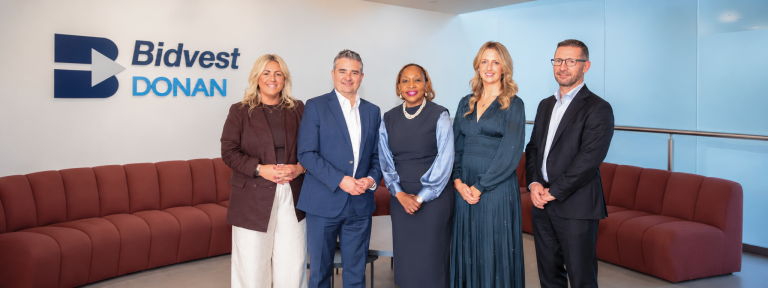
Bidvest Noonan, one of the UK’s leading facilities management companies, has pledged to help 10,000 people into employment and training by 2030, with a particular focus on those who face the greatest barriers to work. The commitment was announced today as Bidvest Noonan launched its Purpose in Action strategy. The launch was attended by Mpumi Madisa, Chief Executive of the Bidvest Group, the Johannesburg-listed parent company and the first Black woman to lead a JSE Top 40 company. Bidvest Noonan, which provides cleaning, security and facilities services, marks its 50th anniversary in 2027. The pledge sits at the heart of Purpose in Action, the company’s new social value strategy, launched today. It commits Bidvest Noonan to two goals by 2030: supporting 10,000 people into employment and future skills, and delivering one million hours of community impact through volunteering, fundraising and local partnerships. Those supported will include people with disabilities, refugees, women returning to the workforce and the long-term unemployed, helped through work placements, recruitment mentoring, employability workshops and training. The commitment builds on Bidvest Noonan’s partnerships with organisations such as Tent UK – a network of over 80 major companies that are committed to hiring refugees across the country and helping them become job-ready. Ola is one example of how that support can lead to a real opportunity. Originally from Nigeria, Ola, 33, struggled to find work despite a background in hospitality and IT, unsure how to navigate an unfamiliar jobs market. With support into employment, he received CV and interview support before completing the training, vetting and licensing required to become a Security Officer. He is now building a career with Bidvest Noonan. “When I arrived, I didn’t know anyone and I didn’t know how the system worked here. I kept applying for jobs and hearing nothing back, and I started to wonder if I’d ever get settled. The support I received helped me understand the process and gave me the confidence to go for it. Now I have a job I’m proud of and a future I can plan for.” Ola, Security Officer at Bidvest Noonan. Stories such as Ola’s show what can be achieved through partnerships that help people overcome barriers to employment. Bidvest Noonan works with organisations including Business in the Community Ireland and Tent UK to widen access to work and support sustainable careers. Jen Stobart, Director of Tent UK, said: “Refugees arrive with skills, experience and a determination to rebuild their lives, but too often they struggle to get a foot in the door. Hiring refugees is a win for refugees and it’s also good business. We’re proud to support this pledge by Bidvest Noonan – companies that lead the way can gain motivated and loyal talent while giving refugees the stability to rebuild their lives.” Julie Mernagh, Chief People and Culture Officer at Bidvest Noonan, said: “Talent and potential exist in every community we are part of. Access to opportunity does not. Purpose in Action is our commitment to help close that gap. Through our colleagues and partnerships, we can open doors for people, whether that is a first job, a step up in their career or new skills for the future.”  Declan Doyle, Chief Executive Officer of Bidvest Noonan, said: “Bidvest Noonan has grown over almost 50 years because of the people who deliver its services every day. A job can be a first opportunity, but people also need the chance to learn and progress, and this commitment brings the two together. As the company approaches its 50th anniversary, we want it to be known not only for the services it delivers, but for the opportunities it creates.” Building, Design & Construction Magazine | The Choice of Industry Professionals

Read More »