

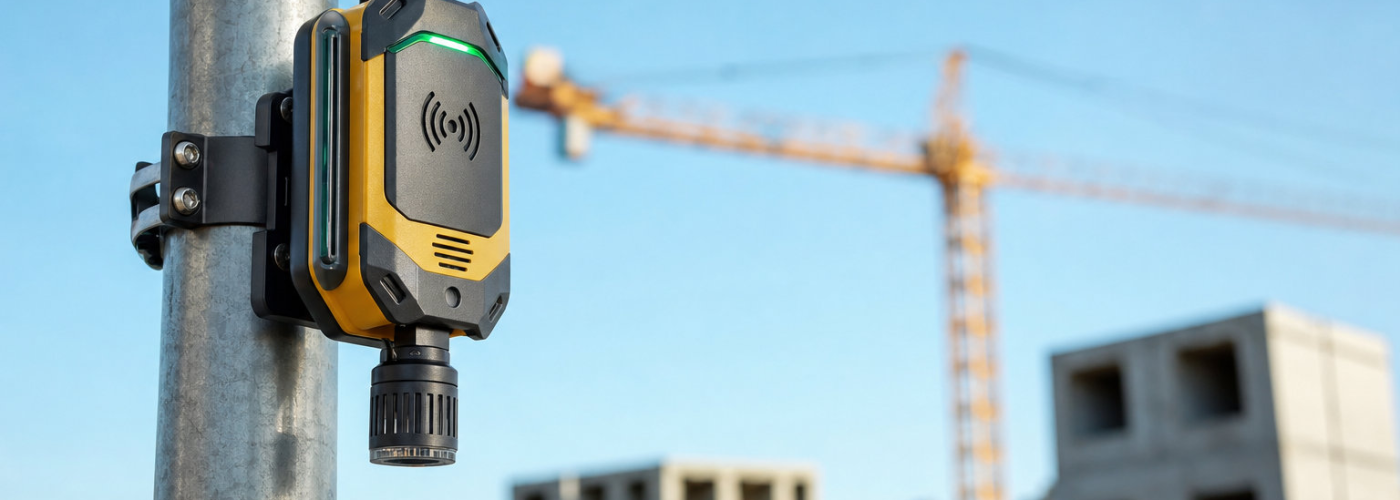


Construction sites are undergoing significant change as smart sensor technology becomes more widely used. With an increasing emphasis on compliance and real-time monitoring, safety standards are advancing. Integrating smart sensors is supporting proactive risk management and helping to maintain a safer environment for both workers and operations.
Effective safety management is changing as digital solutions influence the industry. Smart sensor integration for safer construction sites is offering ways to improve oversight and enable rapid responses to hazards. With new requirements for real-time data and accountability, adopting technology that can prevent incidents, rather than relying on unpredictable outcomes like a slot result, is becoming increasingly important. Understanding practical implementation enables teams to keep pace with industry best practices for construction safety.
Heightened expectations and proactive safety culture
Two major factors influence the evolution of construction site safety today. Greater regulatory scrutiny and a focus on protecting business reputation have increased the requirements for reporting and compliance on each project.
Simultaneously, there is a marked shift towards proactive risk prevention. This method emphasises identifying hazards and mitigating them before incidents happen, using technology for immediate visibility across the site.
The financial implications of workplace incidents have also driven the adoption of preventative measures. Insurance premiums, legal costs, and project delays resulting from accidents can significantly impact profitability and competitiveness. Organisations that demonstrate robust safety records through documented sensor data and incident prevention metrics often benefit from reduced insurance costs and improved client confidence. This economic incentive, combined with ethical responsibilities, creates a compelling case for investing in advanced monitoring systems that can identify patterns and trends before they result in serious consequences.
Defining smart sensor integration on modern sites
Smart sensor integration for safer construction sites includes a variety of connected devices that monitor different aspects of working conditions. Wearable devices, such as helmet sensors and badges, can monitor worker location, while other sensors provide insight into vehicle movement and equipment usage.
Environmental sensors also contribute by monitoring factors like dust, noise, vibration, gas, temperature, and air quality in real time. These sensors send data to central dashboards, allowing supervisors and safety leaders to make timely, informed decisions.
Use cases that transform safety management practices
Several practical uses for smart sensor integration for safer construction sites are becoming standard because of their contribution to accident prevention. Proximity alert systems reduce collision risks between workers and machinery by alerting both when they become too close.
Advanced sensors can identify falls and issue alerts if a lone worker is in distress, making rapid intervention possible. Environmental monitors record levels of dust or gas and help supervisors respond to hazards before they escalate.
Additionally, site access technologies are used to manage entry and geofencing, restricting access to hazardous zones. These functions help support accountability and reinforce safety protocols on site.
Data-driven decision making and practical implementation
To maximise the benefit of sensor data, it is important to set clear thresholds and establish efficient escalation processes. Automated alerts can inform relevant personnel when conditions cross predefined limits, addressing hazards quickly without overwhelming teams with excessive notifications.
Trends in collected sensor data support better risk assessments, assist with method statements, and help develop targeted toolbox talks. Managing battery life, device durability, calibration, connectivity, and the ability for different sensor systems to work together is vital to maintain reliability and effectiveness on busy sites.
Building trust and measuring long-term impact
The impact of smart sensor integration for safer construction sites depends in part on worker trust. Embedding privacy considerations in system design and maintaining transparency about how data is handled encourages workforce acceptance and engagement.
Continuous tracking of leading indicators like near misses and unsafe behaviours, alongside lagging data such as recordable incidents, supports progress measurement. Clear reporting and regular review of results help maintain a strong, data-driven safety culture on construction sites.