BDC News Team

Building Safer Buildings – A Primer

Construction companies do not only have the task of erecting buildings on time and on budget. They also have the responsibility to make sure these buildings are fit for purpose and safe for those that use them. With that in mind, there are several safety areas of which construction businesses

Read More »

Reasons To Choose A Laminate Floor

If you are looking to decorate, redecorate or modernise your home or office and you are looking for new floor covering, there are several options available to you. These include traditional carpet, hardwood, lino, tile and possibly the most versatile floor covering, laminate. Laminate is a great low maintenance all-rounder

Read More »

Property Developer Transforming London Rentals

Property developer Eastbank Studios is meeting the post-lockdown surge in demand for top-quality London rentals with its sustainable – and stylish – approach to renovating property in dire need of modernisation. The East London company invests in houses and apartments which require a complete scheme of refurbishment, bringing each one up to the

Read More »
How To Plaster A Wall Like A Professional: A Step-By-Step Guide

How To Plaster A Wall Like A Professional: A Step-By-Step Guide

With plaster being all around us, this groundbreaking mixture of cement, gypsum, sand, and water is massively used for building, construction, art, and even medicine. As there are numerous different types of plaster each of them with a different set of applications and mixing techniques, being able to recognize which

Read More »

How A Big Company Like Nike Is Integrating Blockchain Technology?

It is not some hidden fact but it is an open truth that blockchain technology has brought technological innovation in the industries. Several industries got disrupted due to blockchain technology interventions. There are several companies that have modulated plans to adapt themselves for the blockchain technology. One of the leading

Read More »
Latest Issue
Issue 339 : Apr 2026

BDC News Team

Building Safer Buildings – A Primer

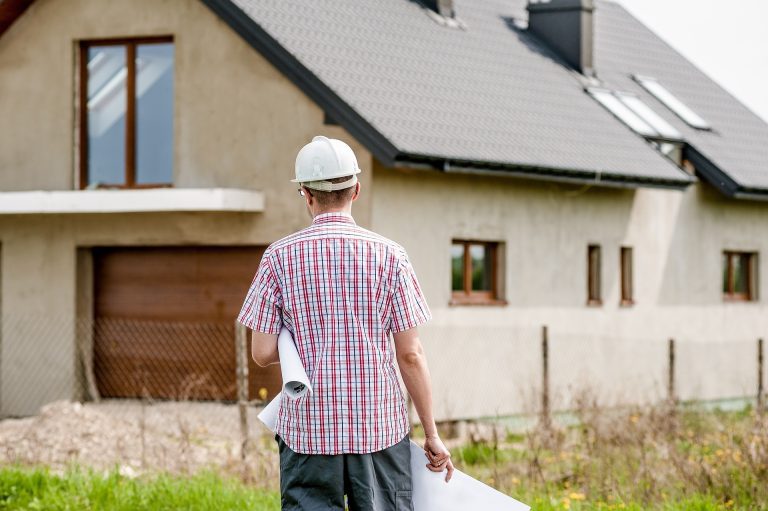
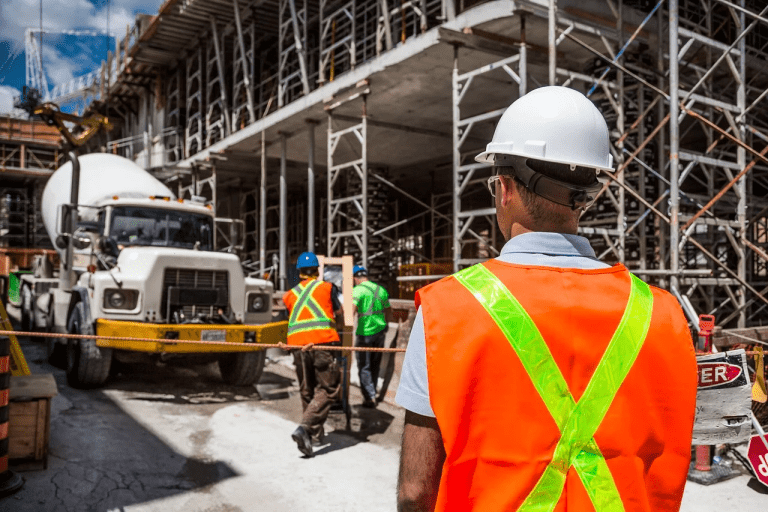
Construction companies do not only have the task of erecting buildings on time and on budget. They also have the responsibility to make sure these buildings are fit for purpose and safe for those that use them. With that in mind, there are several safety areas of which construction businesses need to be aware. Keep reading to find out what they are.  Building Safety Bill  The first thing that construction firms need to be aware of is the Building Safety Bill. This is a new bill brought in by the UK government in response to the Grenfell tragedy.  Firstly, the bill outlines better safety features for multi-unit buildings and high rises. Additionally, the Building Safety Bill also extends the amount of time any construction company can be held responsible for non-compliant work. All of which means that safety should be even more critical to construction businesses than it has ever been.  Movement within the building  When considering construction safety, it is not only the infrastructure of the building, that is important. The way the building design and materials allow movement within it is also vital, as this is an essential part of how users will behave within it.  The good news is that there are several features construction businesses can use to make movement around the building as safe as possible. The first of these are stair rails, which support people using their stairs and create a barrier if they do slip or fall.  Additionally, installing anti-slip stairs made from resin can help prevent falls and accidents when users move from one area of the building to another. The good news is that such products are good value for money and hard-wearing enough to last for a long time too, making them an excellent investment for construction businesses looking to up their safety game.  Non-toxic materials  Another vital consideration for construction companies when it comes to building safer buildings is the materials they use. Unfortunately, traditional construction materials haven’t always been the most user friendly, with a trade-off between high toxicity and efficacy.  Sadly, building materials with high toxicity aren’t only dangerous to the people using them in building the building. They put the health of the people who inhabit the building at risk too.  The good news is that with modern technology, new materials are being created that are much less toxic and perform brilliantly. A particular example of these is the use of hypoallergenic insulation in walls and roofs. Something that keeps the building’s temperature stable effectively, but is much better for the health of the occupants.  Location considerations  Finally, when it comes to building safety builders, construction firms must always consider factors specific to their working location.  What this means is properties built on a flood plain must have additional protection built into their design.  The same goes for those in locations at higher risk of fire, erosion, and even earthquakes. If the firm building them wants to maximise the safety of those that use them and ensure that their work stands the test of time. 

Read More »

Pedram Zohrevand Discusses the Differences Between an Architect and A Structural Engineer

Architects and structural engineers both have vital roles in the construction industry. However, there are key distinctions between the two professions. The architect’s contribution is designing a plan that acts as a visual guide for the individuals constructing the structure. Structural engineers are a critical supporting role, translating the architect’s designs into a safe building with functional places to live and work. Though the two professions may seem similar to the average individual, Pedram Zohrevand, an engineer with years of experience, explains the architect and structural engineer’s difference and overlap. Architects Architects are known for their ability to create innovative and beautiful spaces. Architects have a strong artistic background, and they are more likely to receive public recognition for their designs. Architects restore and conserve old buildings, as well as develop new ways to use standing buildings. Their involvement with the construction project starts at the earliest stage and continues through to the completion. Architects prepare and present design proposals for their clients. They produce detailed drawings of the project and work with structural engineers to ensure that the project is safe and efficient. Architects need to be skilled project managers and experts in construction details. Architects attend regular meetings with clients, contractors, engineers, city officials, and other specialists. They often make many site visits to check on construction progress, and they are called upon to make changes if there is a problem with the building or building materials. Structural Engineers Not only do structural engineers design buildings, but they design tunnels, bridges, and other infrastructure projects. A structural engineer is often called upon to “translate” an architect’s work into real life by deciding on the materials and safety features. Structural engineers focus their energy on the calculations needed to determine what makes a structure safe. During the initial architectural design phase, Structural engineers study the building site and architectural designs and provide the architect and owner with their technical comments about the designs’ feasibility and constructability. The structural engineer needs to make sure that the building is capable of withstanding gravity and lateral loads. Gravity loads are the building weight results, including all furniture and equipment, and all users and inhabitants’ weight. On the other hand, lateral loads are the results of natural events such as hurricanes and earthquakes. Like Pedram Zohrevand, some structural engineers prefer to be involved from the initial phase of architectural designs to help architects incorporate all structural parameters and restrictions in their designs, which leads to saving time and money during the construction. A structural engineer’s job functions include preparing and reviewing drawings, reports, designs, and making load calculations to account for the building’s weight and other stressors. The structural engineer collaborates with the architect when construction materials are selected. They provide technical advice to the architect and other professionals involved in the construction process. A structural engineer is often responsible for obtaining the approval from the planning or building regulator. Structural engineers need to be able to monitor and inspect the work done by contractors. They are involved with contracts, project management, and property inspections to ensure the buildings are safe and structurally sound. Like many other professions, structural engineers typically have a primary focus, whether it be bridges, tunnels, buildings, or other construction projects. Traditionally, structural engineers have not received as much recognition as architects. Indeed, most people are not aware that structural engineers and architects have critical functions in the construction industry. The overlap between these two positions provides many areas where they can work together. Conflicts Between Architects and Structural Engineers Though architects and structural engineers’ roles are both incredibly important, there has historically been some opposition between the two. Structural engineers know that their work is essential, but they may feel taken for granted. Engineers can sometimes perpetuate the conflict between the two professions since they feel undervalued. Structural engineers are sometimes frustrated by architects’ lack of structural understanding. For instance, if an architect fails to consult a structural engineer early in the planning process when the design makes it to the builder, structural problems cause the project serious delays. Likewise, Architects can have corresponding frustrations with structural engineers. Architects want engineers to embrace innovation. Occasionally, architects feel engineers lack vision and aesthetic appreciation. Collaboration Between Architects and Structural Engineers The construction industry can be most effective when architects [PZ1] and structural engineers respect one another and collaborate to produce the client’s best results. Architects and structural engineers should work together to create the initial drawings for the project. Structural engineers must step in to provide information about the construction materials and methods that will be the most useful. Architects are excellent at delivering innovation, but the contributions of structural engineers should not be overlooked. When architects and structural engineers work together, the design project timeline can be reduced because the rework is eliminated. Furthermore, unrealistic architectural designs can be altered early on, providing more structural integrity, and avoiding construction delays and added costs. Two Interdependent Disciplines Architecture and structural engineering can be considered two sides of the same coin. Both disciplines are essential to the construction industry. In the end, the architect must secure approval from the structural engineer before the project is built for city and state permitting processes. Their different areas of expertise can result in a great collaboration that results in problem-solving and quickly avoiding costly mistakes. Pedram Zohrevand encourages architects and structural engineers to always focus on collaboration to create safer buildings.

Read More »

Your Most Important Questions about Dealing With Road Traffic Accidents Answered

In the UK as in other parts of the world, there are many rules to follow in case of a road traffic accident. But sadly, not many drivers are aware of these rules, and what they should really do in the event they are in a road traffic accident. If you are involved in a road accident through no fault of your own, you should definitely know what to do. It’s one thing to keep calm, but another to know precisely what is required of you. Here, then, are some of the top questions asked about dealing with road accidents – and the answers. What should I do right after an accident? Any driver in the UK is obligated by law to stop after an accident, regardless of the severity of the accident or who was to blame. If you don’t stop, you could be imprisoned for a maximum of six months, and you can even be fined as well. Additionally, if your vehicle can still be driven, find a place where you can park it. Try to look for a safe area such as the hard shoulder or off the road completely, if possible. Once you have found your safe spot to park your vehicle, you should switch off the vehicle’s engine and turn on the hazard lights. Unless you have injuries that prevent it, get yourself and anyone in the car with you out and to a safe place. If there is anyone who is injured, emergency services should be called right away. What information should be collected after an accident? If you are the driver, you should give your name and address, vehicle details, and insurance information to the other party – or parties – involved in the road accident. With all the pertinent information exchanged between all drivers involved, it may help speed up the claims procedure. You should also report the road accident to the nearest police station within the next 24 hours. You can report the accident online by using the police RTI (road traffic incident) form. Details should also be provided, especially if there has been damage caused to a parked vehicle or property. You should, however, contact the police immediately if there is suspicion that drugs or alcohol are involved. Keep a note of the details of the accident, such as the date and time, the weather conditions, and the name and contact details of any witnesses. If you can, take photographs of the accident scene as well. This is easier to do nowadays as most people have mobile phones, and it will help you with your claim when necessary, as confirmed by road accident claim Gloucester experts like those from Shires Law. If I crash into the rear of a vehicle, is it always my fault? In general, yes, as you should always leave an adequate distance between your vehicle and the one in front. Maintaining a safe distance behind a vehicle allows you time to react and brake if the first vehicle slows down. In light of this, it is unlikely for an insurer to decide that liability for the accident should be attributed to the driver of the vehicle in front of you. If you have any doubts about the legalities of your insurance claim, claiming damages for any personal injuries sustained, and so on, you should seek expert legal advice as soon as you can.

Read More »

Work Boots: 5 Top Tips to Help You Care for Your Waterproof Work Boots

Work boots are defined as a pair of durable boots designed to protect the wearer’s feet from falling objects or compression while in the workplace. They are an essential part of an employee who works on a construction site’s PPE (Personal Protection Equipment). At the outset of this article, it is essential to note that different types of work boots are designed for different environments. Therefore, when choosing a new pair of boots, it is necessary to consider your work environment and each pair of boots’ features. Work boots: A brief history Before we consider the different types of boots that are suitable for a construction site, let’s consider a brief history of the work boot. The Popular Mechanics online site notes that “finding the perfect work boots wasn’t always a challenge. The Romans had two choices of sandals: with or without hobnails for traction.” In the early 1800s, workers were provided with a more stable shoe and were offered a choice between buckles and laces. Just after this, shoemakers began to make a left and right shoe for each pair. Finally, steel-toe boots were produced towards the end of WWII. Work boot types: The raison d’etre behind the need for safety boots As the terms “safety boots” and “work boots” infer, the reason for manufacturing and wearing this type of footwear in factories and on construction sites is to protect the wearer’s feet and to prevent injury while on site. There are several different types of work boots, such as steel-capped or steel toe work boots, men’s waterproof work boots, and heavy-duty or lightweight safety boots. One of the most essential choices is between waterproof and non-waterproof footwear. A second fundamental choice that must be made is between lightweight and heavy-duty boots. Both of these choices must be made by considering the work environment as well as their application. The best way to describe how to choose a pair of work boots is to consider the following scenario: Let’s assume that you are a construction worker, and you are working on a building site building a 10-story office block. It is a long-term project, and you work outside in all weather conditions. The question that you are probably considering is: Should I get waterproof work boots? This question is answered as follows: This description of your working conditions dictates that you need a pair of heavy-duty steel toe waterproof work boots like the safety boots stocked by engelbert strauss. In fact, it is essential to have these boots. Any other pair, such as the lightweight waterproof work boots, will not provide enough protection for your feet while walking around the construction site. — To give you an example, imagine you’re in the middle of a local flood, or even at home, and you’re facing such a hectic time. That’ll be the perfect moment to have some top muck boots. Then you’ll be well equipped to overcome that situation safely. But these don’t adapt to every situation as stated before. Caring for your boots Now that you have decided on the right pair of boots to fit your unique requirements, the next point to consider is how to care for your boots. Therefore, the following questions bear relevance: How to waterproof leather work boots? Do you need to spray waterproof boots? Let’s answer these questions by considering each one individually. 1. Waterproofing leather work boots Walking around in wet boots is not ideal. You could end up with a nasty foot infection like Trench Foot. Trench Foot causes blisters, redness and irritation, pain, and numbness, and it can destroy your foot’s skin and tissue to the point where it falls off. Clearly, getting Trench Foot is an untenable situation. The other essential point to note is that even though your boots might be waterproof when you first purchase them, the boots must be maintained and the waterproofing layer renewed; otherwise, it will wear off, and water will seep through the outer layer. Therefore, it is essential to treat your boots regularly with a specially designed wax, paste, or cream such as Dubbin or beeswax. Before you rub this waterproofing treatment on your shoes, it is essential to ensure that your boots are clean. You can buy a cleaning cream that is designed to remove all the dirt and residue from the boots. Once your boots are clean and dry, it is time to apply the waterproofing to each boot. The final step is to take a clean, soft cloth and wipe off the excess wax, cream, or paste. 2. Spraying waterproof boots Boots and shoes can also be waterproofed by spraying a layer of silicone on the outer layer. It is essential to ensure that you don’t spray the boots’ soles with the silicone; otherwise, you might slip and fall when wearing your shoes. Finally, it is essential to note that you don’t need to apply a silicone layer to your boots if you use leather wax, paste, or cream treatment. It is a case of choosing one of these two methods to keep your shoes in good condition, ensuring that they remain waterproof and last a long time.

Read More »

Reasons To Choose A Laminate Floor

If you are looking to decorate, redecorate or modernise your home or office and you are looking for new floor covering, there are several options available to you. These include traditional carpet, hardwood, lino, tile and possibly the most versatile floor covering, laminate. Laminate is a great low maintenance all-rounder and can be used in all rooms and spaces. Here are just a few reasons what you should choose a laminate floor. Durability  One major benefit of laminate is that it is more durable than its counterparts. This makes it a great choice if you are looking to cover a heavy traffic area. This includes hallways, kitchens, office spaces etc. Laminate flooring is much stronger and less easy to scratch than hardwood flooring options. Therefore, high heels, kids, and even animals will not be able to mark it as easily, Therefore ensuring it lasts longer. This is because it has a tough external layer and is coated in resin, making it extremely hardwearing.  Economical  Laminate flooring is often less expensive than other flooring options. This does depend on the quality you opt for of course. Therefore if you like to redecorate frequently as fashions change, depending on your budget, laminate may allow you to do so. However, as it is so hardwearing and durable, compared to other floor coverings, especially carpet, if you are decorating on a budget, you probably will not have to replace it as quickly. This, in turn, is likely to save you money in the future too. Installation Laminate is also easy to install. The majority of laminate floor options do not require glue and instead use the Uniclic, or similar, system. As this mess-free system makes installation easy, many people choose to install their laminate floor themselves. This is, of course, the more cost-effective option. However, if DIY is not your thing. not to worry, you can hire a professional to do it for you. Many of which offer a guarantee for the work they carry out should you have an issue at a later date with regards to the installation.  Maintainance  As mentioned, laminate flooring is extremely low maintenance. Many laminate flooring options have a stain, fade and moisture-resistant coating. This ensures that if something does get spilt, you can simply use a damp cloth to wipe it away quickly and easily. Therefore again making it a great option if you have children and/or animals. As laminate does not require waxing or varnishing as hardwood does, it means you can clean it as frequently as you like without taking the top layer off and then having to reseal it. Styles  One of the major reasons so many people opt for a laminate floor is because of the range of styles available. There is an option to suit everyone’s taste. Many laminate floors are even designed not to look like laminate. Therefore if you would prefer a hardwood or stone floor but simply do not have the budget for one, laminate is a great option. Also, there are numerous colours available. This means you are more than likely going to find the perfect shade to fit in with your colour scheme. 

Read More »

Key Safety And Wellbeing Concerns For Construction Company Owners In The Covid-19 Era

Construction company owners are required to prioritise health and safety at all times, but there is no doubt that the Covid-19 pandemic has underlined the importance of following guidelines. As more and more employees return to work, and projects get underway across the country, here are some key safety and wellbeing concerns for bosses to be aware of.  New safety regulations The Covid-19 crisis has prompted company owners across all industries to introduce new measures, which are designed to promote safety and reduce the risk of infection. The situation is changing all the time, and it’s critical for business owners to be aware of new policies and guidelines and to ensure that every site is compliant. In addition to enforcing new measures, it’s also crucial for bosses to communicate with customers and employees to make sure they are aware of new guidance. All employees should be familiar with any new ways of working that have been introduced to create safer workplaces. Providing training is beneficial, and it’s also wise to organise regular meetings to ensure that every individual is up to date.  Employee mental health and wellbeing The last few months have been incredibly tough for many people, especially those who have experienced financial issues or lost loved ones as a result of the pandemic. As an employer, it’s beneficial to provide support for employees and to understand the potential risk factors and symptoms of mental health disorders and low morale. In addition to providing advice linked to seeking medical assistance and support, employers can help to bring teams together, reduce stress and create more harmonious workplaces by encouraging collaboration and socialisation, facilitating open communication and providing regular updates about how the business is adapting to the crisis. Virtual meetings are standard practice now, but you don’t have to limit your usage of online programmes and platforms to organising endless meetings and project debriefs. Make time for social events, celebrate milestones and hitting goals as a team and make use of safe ways to have fun at the end of a long week by planning a virtual party or a pub quiz or hiring a virtual photo booth. Simple things like catching up with colleagues you haven’t seen in a long time and checking in with employees who might be prone to stress can make a positive difference and boost morale.  By asking questions about what you can do to help an employee, you might even discover you can improve your business through new healthcare software and similar tools – you wouldn’t have known about them unless you asked and your team told you what they needed. Preventing accidents and injuries Working in construction poses risks. At the moment, the headlines are dominated by Coronavirus news, but that doesn’t mean that other threats have disappeared. As a site manager or a company owner, you should ensure that all the standard health and safety procedures are in place to prevent accidents and injuries, as well as introducing new measures to create Covid-secure settings. Refresh training, provide high-quality, approved PPE and make sure every employee is familiar with the most recent health and safety guidelines.  Construction company owners face challenges to promote safety at the best of times, but the pandemic poses unique problems. As an employer, it’s essential to ensure you are aware of key safety and wellbeing concerns to keep customers and employees safe. 

Read More »

The First Group, Dubai Based Property Company, Introduces the Award-Winning Ciel Hotel

The Ciel hotel currently under construction in the Dubai Marina is set to break records as the world’s tallest hotel once completed. The modernistic building is being constructed by international property developers The First Group in Dubai, in conjunction with the China Railway Construction Corporation. The hotel, which is scheduled to open in 2023, will have its foundations completed on the 3rd September 2020, following an initial 7,000 cubic metre concrete pour at the beginning of August. The finished Ciel hotel will take its place in the iconic Dubai Marina skyline, cementing its reputation as one of the world’s most dynamic cities. Architecture London-based architectural firm NORR is responsible for the iconic design of the new tower block, which will reach 360 metres at the pinnacle once complete. The stunning development has already received several architectural awards, including Best Hotel Architecture Arabia and Best International Hotel Architecture at the International Property Awards in 2019. The hotel, sculpted in glass and metal, will offer 360-degree views across the Arabian Gulf, the Palm Jumeirah and Dubai Marina from a glass observation deck. The 81st floor Ciel Observatory and Lounge will be crowned by a rooftop Sky Terrace with a bar and infinity pool. Interior Design The interior of the building is planned to be no less spectacular than the exterior. The soaring building will be entered through an internal atrium reaching 300 metres in height, featuring naturally ventilated landscaped terraces stacked vertically throughout the entirety of the 82 floors. These will provide occupants with stunningly designed interactive communal spaces inspired by the Japanese Wabi-Sabi concept, which focuses on warm, rustic aesthetics with an understated elegance. Amenities Guests at the Ciel will have multiple options for drinking and dining, including a speciality signature restaurant, all-day dining, and a lounge and bar towards the top of the building to take advantage of the breathtaking views. The 55th floor will feature a luxury spa and health club, where visitors can work out or unwind while enjoying incredible ocean views. The First Group The First Group has 18 properties in Dubai including Ciel, which is a flagship development in an ever-expanding portfolio. The dynamic property development company launched in 2005 and since that time has created a comprehensive portfolio in Dubai and the Northern Emirates, which includes food and beverage brands, residential properties, asset management services for real estate, and upscale hotels. The First Group creates niche offerings for international investors with a focus on high-growth markets, rewarding clients with a comprehensive package of incentives and benefits outside of their investment. These include financial bonuses as well as complimentary hotel stays, travel rewards, and other high-quality lifestyle experiences.

Read More »

Property Developer Transforming London Rentals

Property developer Eastbank Studios is meeting the post-lockdown surge in demand for top-quality London rentals with its sustainable – and stylish – approach to renovating property in dire need of modernisation. The East London company invests in houses and apartments which require a complete scheme of refurbishment, bringing each one up to the highest standard of contemporary finish and returning them to the market turn-key ready. Eastbank’s CEO, Jason Arden says: “We can provide housing where all the hard work has been done. In addition to the structural and technical repairs, we also have our own in-house interior décor specialist. All our properties are finished to a beautifully-high standard with superb use of light and neutral palettes.” Arden adds: “We come as a full package and, we bring to life every property we introduce to the market – either for short or long-term rent.  Every home we refurbish is sympathetically restored but still delivers contemporary interiors. It’s the best solution for the modern world.” Eastbank’s rentals are concentrated in the lively East London neighbourhoods of Walthamstow, Leyton and Leytonstone, areas popular with young professionals and families seeking the extra living and working space – indoors and out – of period homes.  “Many of our rental properties are in areas which have become desirable again, having benefited from the complete regeneration of the East End. They’re also an easy commute for people who still need to travel to their central London workplace.” Uncertainty in employment and relocation trends caused by the coronavirus pandemic means many people are rethinking where and how they live. Eastbank understands the flexible nature of today’s market and offer rental agreements to suit a range of circumstances. Arden says: “The right rental gives people time and space to consider their options. Even if someone isn’t planning to stay at a rented property for a long time, expectations are still high and they want top drawer accommodation even in the short -term. We live in a time of instant results on demand. Consumers want everything at the touch of a button. We recognise this and know how important it is to deliver on style as well as quality.” Issued on behalf of Eastbank Studios, 141 Hoe Street, Walthamstow, London E17 3Al Eastbank Studios HQ is in Walthamstow, E17The company was founded in 1984 by Tony Arden who has worked in property and investments since the 1960s. Eastbank have a solid track record in identifying long and short term opportunities to maximise returns for investors.The company believes in long-term partnerships and outcomes.To validate their transparency, investors are welcome to scrutinize the company accounts and encourage open conversations with collaborators and partners.Eastbank’s website recently added a blog page which offers interior décor and property tips. For further information go to www.eastbank.co.uk

Read More »
How To Plaster A Wall Like A Professional: A Step-By-Step Guide

How To Plaster A Wall Like A Professional: A Step-By-Step Guide

With plaster being all around us, this groundbreaking mixture of cement, gypsum, sand, and water is massively used for building, construction, art, and even medicine. As there are numerous different types of plaster each of them with a different set of applications and mixing techniques, being able to recognize which type you need for your home project and learning how to plaster a wall can be considered an advanced do-it-yourself project.        Photo by La Miko from Pexels Still, even if most people prefer to leave it to the experts if you are handy when it comes to reasonable DIY home tasks and understand how to work in a slow, systematic and neat fashion, you are at the right place. This step by step guide to plastering will take you through everything you need to know, and hopefully, the finished plastered wall will look as if an expert completed it. First things first, you need to obtain adequate tools and materials for the job.   Needed Tools And Materials It’s always a good idea to be prepared for wall plastering well in advance, so you won’t have to hunt down tools and leave the job halfway through to stock up. The tools and materials you will need to complete the job include a trowel and bucket trowel, plasterers float, corner trowel, hawk board, two buckets, mixing stick or a paddle, adequate plaster, PVA, dustsheets, clean water, sandpaper, stepladder or stilts, and a dust mask. Step 1: Preparation  Before you begin working on the wall or walls, make sure to lay down a dustsheet to protect your floors and gather any potential debris or spillage of plaster. Ensure that the wall you want to plaster is dust-free and get rid of the debris, as this is particularly important if you are plastering an older and worn-out wall. Cover any holes and cracks you may find in the wall using screen tape. In case you are plastering over newly erected plasterboards, use the screen tape to mask all the joints in between the boards. Photo by Lisa Fotios from Pexels  Step 2: Apply PVA To The Wall(s) Being a latex-base product similar to the glue that seals the pores of the drywall, applying PVA to the walls you’re about to plaster will ensure that the layer you will use will dry out equally. First, you need to dilute the PVA in a 1:4 ratio – one part PVA and four parts water. Roll the PVA mixture onto a brush, apply it onto the wall, and check that the entire surface is covered. Once you go over the wall with the PVA glue, the first plaster layer can be applied. Step 3: Mix The Plaster  Depending on what type of plaster you will use for the project, read the manufacturer’s manual, and mix it accordingly. Wear a dust mask as you open up the bags of the material. Pour it into a bucket of cold water and whisk briefly until it has the consistency of thick custard with no lumps. Continuously mix the plaster into the water and never the other way around.  Step 4: Apply Plaster Onto The Walls  Once you got the wall(s) cleaned, and the plaster mixture ready, you can start applying the first coat of plaster using the hawk board, the trowels, and a floating tool. Practice the application on separate plasterboard before you begin to master the technique. Photo from Pixabay Place the plaster on the hawk board using the trowel and use the float to push the material from the hawk onto the walls. Spread the plaster firmly upwards and flatten the float at the end of each sweep. You should always apply the plaster from the bottom left-hand corner and upwards, filling a whole section from bottom to top before moving on to the next section. Always use small amounts of plaster combined with firm pressure on the float, so you ensure a smooth look and avoid excess plaster coming off the wall. Replicate this movement until the entire surface is covered with plaster. Step 5: Skim And Smooth Right after the first coat of plaster is applied, wait for 20 minutes to let plaster dry. Afterward, get rid of bumps and lumps by smoothing the wall over with a trowel. Smooth out the corners with the corner trowel and the bottom and top of the wall too. These are the trickiest areas to plaster correctly, so use adequate tools to even the edges out.   Step 6: Scrape  Scraping is optional, but most experts prefer to scrape the wall before adding the second coat of plaster for the second coat to adhere properly. The simplest way to scrape the wall is by using a devilling float, a tool specifically designed for this. In case you don’t have one near you, you can also scrape the walls using an old kitchen fork. If you opt not to use this step, make sure that the first coat is still wet before applying the second one. Step 7: Second Coat Apply the second and final coat of plaster to the wall(s). This one should be of a thinner consistency than the first one, so dilute the plaster mixture with some more water. Plaster a thin 2 mm layer on the wall and leave the material to slightly dry. Step 8: Finishing Touches  Once the plaster is slightly dried, polish your work. Add some water to the walls using a spray gun. Make sure to spray the edges of the plaster and use the trowel to smoothen out the surface with inward strokes. Finish it off by running a clean float over the entire wall to flatten out any curves and bumps. When the plaster is completely dried, use some sanding paper to remove any excess material. Step 9: Painting And Wallpapering  Your wall(s) is now ready to be painted over or wallpapered if that’s what you prefer. Use undercoat to prime the surface before you apply paint. The same goes

Read More »

How A Big Company Like Nike Is Integrating Blockchain Technology?

It is not some hidden fact but it is an open truth that blockchain technology has brought technological innovation in the industries. Several industries got disrupted due to blockchain technology interventions. There are several companies that have modulated plans to adapt themselves for the blockchain technology. One of the leading names among the top companies is Nike. Nike saw potential in the blockchain technology and experimented with its use to see whether this technology holds any power to solve the issues faced by Nike. And Nike was right on the mark. A report state that Nike was able to use the blockchain to solve their lingering problems and announced officially to use the blockchain technology. Where Nike is heading towards with Blockchain technology? Blockchain technology never ceases to amaze us. After the implementation of the blockchain technology in UPS tracking, it is now used by Nike. Nike just recently patents a new method called Crypto kicks. It really took the world with surprise, when Nike came up with a method to use the blockchain technology. With how the blockchain technology is being adopted by the big enterprises, it is not too far where the blockchain will be the core technology used in every industrial field. Nike wishes to implement Blockchain in supply chain management Supply chain management has always been a priority of the companies. But with the recent event, it has proven that the supply chain management needs technological innovation to completely track the goods. There have been cases where fake products are reaching to the customers. This has made the brand lose its face in front of the audiences. To fight back this crisis, brands and companies are trying to incorporate the blockchain technology in the supply chain management. Nike has confirmed that fact that there has been cases where their customer has got a fake Nike product. And this has resulted then their loyal customer. After considering all the recent events, Nike decides to use blockchain technology to track down its product. How Cryptokicks are related to the supply chain management Cryptokicks are the crypto token given by Nike to its customers. This action of Nike has made the nontangible decentralized digital currency into a tangible asset. In this case, it is Nike Shoes. How Cryptokicks actually work? Well, Nike has attached Crypto token with its products. With the hello of the crypto token, the customers can easily track down their purchase and the origin of their shoes. The customers can easily authenticate the credibility of Nike with the help of the embedded with the Cryptokicks token. In addition, there is an additional facility where the owner of Cryptokicks can be changed with the help of a crypto exchange platform like bitcoin evolution, read more here bitcoins-evolution.com/about/. Have you ever played the Cat crypto game? These Cryptokicks are just like this game and can give offsprings in the form of physical shoes as per Nike protocols. More technical detail The blockchain network used by Nike is the Ethereum Blockchain network. Nike uses NFT of the ether blockchain technology. NFT stands for the Non-Fungible Token. These tokens have an individual specification and can’t be interchangeable. There is only one way to know the password to unlock the tokens is by buying Nike shoes. There you will get a 10-digit code that will help you to unlock the tokens. The data of the buy-sell will be stored on a blockchain network with the help of the 10-digit identification. You can even consider it as one in a kind of Crypto exchange. The only difference is that, in this exchange shoes are exchange instead of crypto coins. Conclusion Nike was able to understand how important blockchain technology is and was able to predict it future possibilities. It is high time for the other companies to venture into the unknown territory of the blockchain.

Read More »