Nick Child

Technologies paving the way for carbon reduction in our homes

There are several government proposals on the table signalling a transition from where we are today to net zero 2050. Technical solutions have not been decided, but there is talk of certain technologies favoured for carbon reduction – among these are hydrogen-ready boilers and heat pumps. In the short term,

Read More »

COVID induced corner-cutting risks invalidating insurance for home movers

Gas safety campaigners are warning that a boom in home moving and improving, combined with a pandemic-squeeze on people’s finances and a lack of understanding about insurance policies, risks jeopardising health and wealth in 2021. With many entering 2021 suffering from the negative economic impacts of the Covid-19, pandemic, cutting

Read More »

Things to Take Note of While Selecting a Solar Installer

Installing a solar power system is a big decision. Finding out the right installer is a bigger decision. A solar panel investment is a matter of more than twenty-five years, and you cannot hire just about any company, which claims to install solar panels. It will help if you choose

Read More »

Securing Safe Welding In The Incoming Construction Surge

Business is coming out of a fallow season, as is society, and it’s bringing with it huge demands for infrastructure upgrades across energy, transport and housing. The Guardian has highlighted a sizable 6% surge in March 2021, with infrastructure pushing forward the industry alongside housing. What these figures fail to highlight is

Read More »

Improving Construction Site Safety: Consider These 5 Steps

The construction industry accounts for one of the highest numbers of workplace injuries and fatalities in the private sector. According to Occupational Safety and Health Administration (OSHA), about 20% of all private worker fatalities in 2019 were from the construction industry, equivalent to one in every five worker fatalities. With

Read More »

5 of the Most Elaborate Casino Designs in World

Over the years, online casinos have enjoyed a surge in popularity, thanks in part to live casino technology. This gives players the experience of being in one of the most luxurious casinos globally, without leaving their sofa. However, there is still a place for the land-based casino, and one thing

Read More »

Forex Brokers in the UK

Until the late 20th century, Forex trading was only accessible to institutions. Today, large banks and corporations exchange currencies alongside individuals. Retail traders in the UK monitor finance trends and make profitable decisions with assistance from local brokers. These intermediaries do not only give access to the market but also

Read More »
Latest Issue
Issue 336 : Jan 2026

Nick Child

CONSTRUCTION MATERIALS SHORTAGE: NEC AND MANAGEMENT SYSTEMS TO MINIMISE PROGRAMME RISK

Everyone understands the reasons risk management is important – both within construction and elsewhere – but at a time of great pressure to ‘build back better’ and rebuild the economy, it’s more vital than ever to manage risk smoothly and efficiently. Here, Dr Stuart Kings, director at Sypro and NEC4 co-author, examines how the introduction of the Early Warning Register within NEC4 works closely with cloud-based contract management systems to communicate and effectively manage potential risks, while minimising further impact elsewhere. The construction industry is currently facing a whole host of challenges that present risk to ongoing and upcoming projects, with the risks primarily being driven by a shortage of both materials and labour within construction – all set against the background of post-pandemic recovery. Earlier this year, the Construction Leadership Council (CLC) warned that a fair approach was needed towards supply of materials, going as far as suggesting rationing to make sure smaller firms get their fair share of dwindling supplies. Several months later, the demand for supplies both in the UK and globally continues to dramatically outstrip supply. Record sales of building materials are putting enormous pressure on supply chains, which are still in the process of recovery from the pandemic – and there is no indication of shortages improving over the coming months. This of course presents construction schemes with the risk of not being able to acquire supplies critical to their completion, paying much higher prices that squeeze budgets further, or having to alter designs and source alternative products. Indeed, surge in demand will impact smaller companies in greater ways, with SMEs unable to purchase key materials off the shelves, or even afford them. Some may be forced to delay starting schemes on site altogether until they have certainty on product availability in order to keep risks as low as possible – but all of this ramps up the financial pressure, especially on smaller businesses. Another big issue causing potential risk to construction schemes is a shortage of hauliers to get supplies to where they are needed. Brexit has led to the loss of some 15,000 European drivers this year, and the remaining drivers are having to undertake COVID tests and self-isolate where necessary, further exacerbating the shortage. The global shipping industry is also struggling in its post-pandemic recovery, facing congested shipping routes, container cancellations and higher costs, which continue to impact global supply chains – including construction materials. It is crucial that builders and contractors maintain open communications with their customers regarding lead times, possible product substitutions and early notice of price increases – which is where excellent project and contract management systems will become incredibly important. But, how best to manage this risk assessment and communication? NEC contracts have a clear and simple, yet centrally important process for early warnings, whereby the Contractor and Project Manager must notify each other of any matter that could affect the cost, completion, progress or quality of the project. The move from NEC3 to NEC4 was labelled as an ‘evolution, not a revolution’, building on and improving what we were already working with. The updates were about the key principles of being risk-focussed, planned and transparent. As well as mitigating any impairment on a project, the focus is to safeguard timelines, objectives and change the procedure of risk reporting, and therefore mirror the principles of good project management. With regards to early warnings, in NEC4 the ‘Risk Register’ was renamed to the ‘Early Warning Register’ to help separate it from the project risk register, which is often used as a wider project management tool. Default periods for early warning meetings have been set to allow the Project Manager and project team to mitigate any risks quickly and efficiently. There were shortcomings in the previous iteration, including the fact that the Project Manager did not convene meetings and did not put together a first Risk Register. Additionally, early warning meetings were held sporadically and not always with the involvement of the supply chain. Following the changes, there is a clear mandate that the Project Manager issues an Early Warning Register to the Contractor within one week of the starting date. Secondly, the Project Manger convenes a first early warning meeting within two weeks of the starting date and thereafter imposes regular meetings – at the interval states in the Contract Data – to initiate a better ethos and culture of risk under the Engineering and Construction Contract. These key changes appear under clause 15.2 to promote a better management of risk, and so the role of the Project Manager becomes much clearer and proactive in managing the process. The early warning process is simple in principle and critical to the success of NEC contracts and facilitating the spirit of mutual trust and cooperation required by clause 10.1 of the contract. The contract administrator must give the process, and the associated risk, the attention it deserves and develop and use their soft skills to get the best out of risk reduction meetings. Any software system for contract management should facilitate this using a cloud-based – and therefore paperless – process. This is easy to implement under NEC4, which states that ‘if the Scope specifies the use of a communication system, a communication has effect when it is communicated through that system specified in the Scope’ – meaning that the communication has effect only when it takes place through the system. With a cloud-based system, the Project Manager and Contractor can seamlessly manage risk ‘on the go’ from any handheld device – with the digital approach creating one central point of truth, minimising the risks of miscommunication that could exacerbate any issues further. Considering the pressures facing the industry at the moment presenting more risk than ever, the implementation of systems that improve transparency, efficiency, information exchange and the all-important element of risk management will ensure that we keep projects on track, building back better and delivering the high-quality schemes the construction industry is known for. For more information, please

Read More »

Technologies paving the way for carbon reduction in our homes

There are several government proposals on the table signalling a transition from where we are today to net zero 2050. Technical solutions have not been decided, but there is talk of certain technologies favoured for carbon reduction – among these are hydrogen-ready boilers and heat pumps. In the short term, it is likely we will see carbon free gases such as hydrogen and bio methane introduced into the current gas grid, neither of which would require home appliances to be replaced. However, should the hydrogen blend exceed 20%, which it eventually will, a hydrogen-ready boiler would need to be installed. 100% hydrogen blend may not be possible for another 10 to 15 years, so in the interim it is likely that government policy will legislate only hydrogen-ready boilers can be placed onto the market from as soon as 2025 – effectively future-proofing existing homes in the UK. Positively, hydrogen-ready boiler installations are simple and straight forward. They connect to the existing gas grid, look like any boiler we see today, the installation process is the same, and will run on natural gas until hydrogen becomes available. At this point, it takes an hour of an engineer’s time and two or three components before the boiler is ready to run on 100% hydrogen. I expect some social housing providers might wish to move forward with this before hydrogen comes online. Heat pumps are another solution to reducing carbon. They are not the easiest of technologies to install, as changes will generally need to be made to the heating and hot water system, as well as the very fabric of the property. While some are pioneering these technologies into existing homes, others may wait until government policy becomes firmer. There may be a middle ground where a gas boiler is supplemented by the installation of an air to water heat pump, a hybrid system which is very common in parts of Europe. We expect there to be various solutions, if not already there, available over time. The general trend of the country, in fact, the world, is to reduce carbon – this is one of the biggest challenges that anybody with housing stock faces. Martyn Bridges is Director of Technical Communication and Product Management at Worcester Bosch

Read More »

COVID induced corner-cutting risks invalidating insurance for home movers

Gas safety campaigners are warning that a boom in home moving and improving, combined with a pandemic-squeeze on people’s finances and a lack of understanding about insurance policies, risks jeopardising health and wealth in 2021. With many entering 2021 suffering from the negative economic impacts of the Covid-19, pandemic, cutting costs this Winter is a priority. New research from the Gas Safe Register – the UK’s official registration body for gas engineers and gas businesses – shows that just under half of householders (49%) say the pandemic has made them thriftier, prompting 45% to try ‘doing it themselves’ rather than relying on qualified, legally registered professionals for improvements and renovations. However, these efforts to save could actually prove more costly – almost 90% of the 2,000 householders surveyed did not realise home renovations can impact their home insurance cover and large numbers can’t identify some of the most common things that could invalidate policies, leading to future claims being rejected. These include: Using faulty home appliances (61% were unaware) DIY damage caused by improvements such as such as re-locating a gas boiler, building a conservatory, or similar (50%) Not using a certified tradesperson for carrying out gas and electrical work or repairs in your home (48%) Accidentally invalidating your home insurance policy can be distressing, both emotionally and financially – but over half (51%) of Brits admit to never having read their home insurance policy in full. However, for safety reasons, gas, electrical and plumbing works must be carried out by a registered professional. Tackling these types of job unqualified can invalidate home insurance and warranties, leaving people significantly out of pocket if something goes wrong. In fact, according to data from the Association of British Insurers (ABI), 82.2 per cent of claims are accepted, while the average cash amount people claim for on their home insurance is £2,627*. The pandemic has sparked a sharp rise in people in wanting to relocate and change their housing situations, with a near two-fold increase in volume of agreed UK sales by last autumn alone*. This booming property market is set to see last year’s trend for renovations and DIY continue, as over a quarter (26%) of Brits plan to carry out major improvements in their homes over this coming year.   To help these millions of movers and improvers stay safe and save money, Gas Safe Register has teamed up with TV personality and DIY expert, Jo Behari as part of its Safety Starts at Home public awareness campaign. Behari says: “When moving home or deciding to make big home improvements, it’s easy to get caught up in the aesthetics or keeping costs down and let home safety take a back seat. Before deciding to embark on any work, I urge all homeowners to ensure that the tradespeople they hire are properly qualified to safely and legally carry out the work.  “Worryingly, two thirds of gas work carried out illegally – by people not registered with the Gas Safe Register – is found to be unsafe. At worst, the consequences can be devastating, but it can also invalidate your home insurance. People need to check their home insurance policies so they’re clear on how work might impact their ability to make a claim. Always make sure you use a Gas Safe Registered engineer for gas work, checking they’re certified and on the register. Like with our health, prevention is better than cure when it comes to gas safety and keeping you covered for the unexpected. Having your gas appliances checked annually by a registered engineer means you won’t risk invalidating your insurance by continuing to use appliances that have developed faults.” Jonathan Samuel, chief executive at Gas Safe Register says: “We’ve spent so much more time in our homes recently it’s natural people have looked to move and improve. We’re stressing the importance of not cutting corners when gas is involved, even when finances are squeezed. “While DIY-ing directly with gas appliances is the most obvious way to cause a gas emergency, there are other projects that can indirectly put you at risk. For example, accidentally drilling a hole through a gas pipe while attempting to put up shelving. “Whether it’s gas emergency, planned maintenance or improvements, it’s vital you seek the help of a registered expert. Gas engineers are listed as key workers and as such, are still conducting home visits, with the necessary precautions in place, during this period of social distancing and staying at home.” Kate Devine, insurance expert at MoneySuperMarket said: “Attempting home improvements yourself which involve significant building work, or even gas and electrical work, rather than using a legally registered professional can seem like a great way to save money. However, doing so, can easily leave you exposed to having a claim refused and significantly out of pocket, should you need to call upon your home insurance policy and you have unwittingly invalidated it.    “My advice is to always be clear on what your policy covers you for and what it doesn’t. Read the Ts&Cs and make sure you enter your own details correctly.” Download the Gas Safe Register’s free winter guide for useful information on how to stay gas safe during the colder months of the year.

Read More »

Things to Take Note of While Selecting a Solar Installer

Installing a solar power system is a big decision. Finding out the right installer is a bigger decision. A solar panel investment is a matter of more than twenty-five years, and you cannot hire just about any company, which claims to install solar panels. It will help if you choose a solar installer who carefully looks at your requirements, your roof, stands behind their work, and honors any warranty. Take a look at the website and company values The company’s mission and vision statements, objectives, and values offer a glance into a business’s DNA, and you understand how you will be treated as a customer. If the values of the company match with what you are looking forward to, shortlist it. Look at their experience and longevity Gain information about the number of years they have been working in this field. If they are reliable, they will mention their past projects on their websites. Spend some time checking those and the certifications of the company. Examine the warranties Solarpower panels last for years without much maintenance. If an issue occurs, you should know who to contact. The solar energy system has several warranties, from the manufacturer warranties for various parts to workmanship warranties from installers.  The latter warranty adheres only to the specific work performed by the installer and usually spans over a period of ten years. Understand the warranty carefully to know what is included or excluded and check with the installer to learn about hidden aspects of the warranties. Also, ask the installer if you have to pay charges during the check or replacement of any equipment. Who will install the system? Full-service installers involve their in-house team members to complete the project – designing, installing, monitoring, and maintaining. Sometimes, solar installers depend on subcontractors to perform all or part of the work involved in installing the system. There is nothing to be disappointed by this as it is a normal practice in the industry. You have to pay attention to the level of transparency from the installers about who will install the system – the installers themselves or the subcontractors. Also, try to know why they use the subcontractor and what portion of the work will be done by the subs. Everything boils down to one point – who will be responsible if there is a problem and who will you go to for a solution. If they answer clearly, you can go ahead with the company or switch your attention to its competitors. Verify their online reviews and speak to their customers Never hire a company without listening to or reading the recommendations. You may talk to friends and neighbors who have also installed solar panels. The reviews about a company from its users and customers are a great way to know about its services. Check out social media platforms and Google reviews to get an insight into the company’s workmanship. Peace of Mind A purchase should never pressurize you. Is the installation company pushing hard? If yes, you may not be alarmed immediately as many reputable solar installers offer incentives to their staff with commissions. But, if you notice that the representatives are moving from door-to-door, insisting you sign a contract without reading it and convincing you that solar will be great for your roof while others refuse to install without repairing the house, understand that these are signs of high-pressure sales tactics. Keep your eyes and ears open for choosing a solar installer. Make sure that the company is reliable and has been in this industry for a long time.

Read More »

Securing Safe Welding In The Incoming Construction Surge

Business is coming out of a fallow season, as is society, and it’s bringing with it huge demands for infrastructure upgrades across energy, transport and housing. The Guardian has highlighted a sizable 6% surge in March 2021, with infrastructure pushing forward the industry alongside housing. What these figures fail to highlight is the increasing rate of accidents on construction sites stemming from huge demand. ConstructionNews.co.uk has found that construction site deaths have risen by a third over the past five years. Whether proportional to the worker population or not, that’s an unacceptable increase in risk and, indeed, rate. Welding comes central to some of these figures, and even when the construction site is safe, poorly completed welding can have a disastrous impact on the eventual users of the new infrastructure. Setting principles The need for high-quality welders has been shown in the long-awaited construction of nuclear plant Hinkley C. As the BBC highlights, aggressive recruitment has been undertaken to provide workers for the construction of the cutting-edge facility, with welders in high demand. Elsewhere, in East Anglia, the approval of other nuclear projects is being met with promises of further welding professional schemes to meet demand. For welders moving into the lucrative business of high-end welding, it’s important to first establish basic safety principles. Much of this will, of course, be covered in the course of learning the necessary skills to work on professional construction sites. What they can’t necessarily provide, however, is proper equipment, and in high-pressure environments, employers often overlook the need for the best quality safety kit. A welding table is a good example, with stable, bespoke items doing a better job for the safety of the employee and their colleagues than the kit often provided on site. Of course, equipment only forms one part of the safety equation, and in high-pressure work environments, workers must be aware of their rights. Overtime and flexibility In May 2020, Yorkshire Live reported on the tragic case of Zac Payne and Michael Morris. Both welders, they had died in a fatal car crash after their parent company failed to follow internal fatigue regulations. A £750,000 fine was ordered as a result. Companies must be aware of the rules and regulations they need to follow under HSE guidelines, and workers should be aware of what they can reasonably expect to work on and how much rest they need between jobs. Fatigue is often the key factor in mistakes – when it comes to infrastructure, this can have a disastrous impact not only on the employee, but the public, too, who use the infrastructure welders contribute to. Infrastructure damage The impact of hastily constructed projects was put into tragic view in Mexico City in May 2021. As Yahoo News UK outlines, poor quality welding, among other issues, led to the collapse of an overhead rail passage. As new infrastructure to supply the UK flies up across the country, lessons like this one are vitally important for project managers and contractors to bear in mind. It’s an exciting time for new builds, and getting the country back on the road to being fully functioning will be something to stake reputations on. However, this cannot be at the cost of human safety. This is what the welding issues boils down to – human safety. There are so many risks associated with welding, from the simple danger of the tools required to the danger of the related environments; welding is often required in electrical environments, for instance. Protecting the safety of workers is protecting their ability to do good work and, ultimately, deliver high quality construction projects.

Read More »

Building A Digital Marketing Plan That Will Attract Leads To Your Construction Firm

You have invested a lot of time, effort, and money into building a quality construction business. Even with a brilliant team of contractors working for you, it counts for very little if your company doesn’t attract clients. A strong digital marketing strategy isn’t the only key factor to consider, but it should be a priority. Building companies across the country are continually upgrading their marketing teams. So, if you do not invest in your strategies, it is very likely that the company will get left behind. Here are four cornerstones that will ensure you see the desired results. 1| Gain Visibility Awareness is the first step on the road to conversion. After all, you cannot achieve anything if nobody knows of your company’s existence. With nearly two billion websites online, it’s unlikely that people will find your site by luck. Therefore, investing in strong SEO services is crucial. Given the nature of the business, you will need to ensure that the experts use local campaigns. They should also target mobile searches and voice searches. As well as gaining traffic from search engines, social media platforms can be very useful. A large following doesn’t always translate to increased inquiries, but it gets your message out to more people. It can only help. 2| Use Images To Build Trust They say a picture paints a thousand words. Prospective clients will want to see what your company is capable of achieving before hiring your construction firm. Using your website and social media channels to showcase your portfolio is advised. These photography tips should serve you well. It will help your leads visualise the work you could achieve for them. Images verify your quality as a business. If you truly wish to build trust, though, you should additionally look to use client testimonials. The verified positive reviews will remove any concerns that prospective leads may have.  3| Sell Yourself Hiring a construction firm for B2B or B2C projects is a big deal. All clients need to know that they have the right people on the job. As such, learning to celebrate your USPs as a loyal and reliable service is key. Any awards or accolades should be highlighted while it’s also a good idea to have an ‘about’ page on your site. Let clients get to know you. This transparency should be underlined by a solid customer care game. Nobody likes the thought of spending hours trying to get hold of their contractor if something goes wrong. Show that you will be obtainable, and it’s another reason to choose your firm. 4| Tell Them The Next Steps Visibility and interest in the business will provide a solid foundation. However, the success of your campaigns are ultimately determined by the number of conversions and hot leads that you gain. The choice of Call-to-Action is a commonly overlooked issue. When you get it right, though, it tells clients the next moves that they should take. Removing any ambiguity. CTAs should be added to landing pages, service pages, email marketing streams, and social posts. If you don’t tell customers what to do next, they simply will not follow up their interest. For that reason, you must pay attention.

Read More »

Improving Construction Site Safety: Consider These 5 Steps

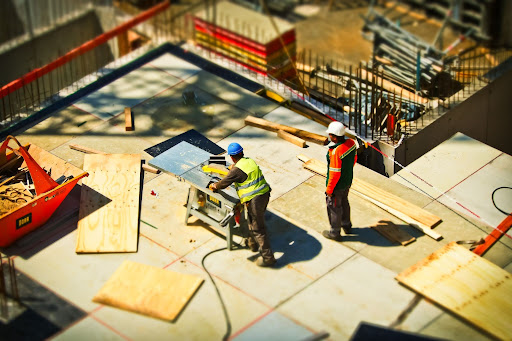
The construction industry accounts for one of the highest numbers of workplace injuries and fatalities in the private sector. According to Occupational Safety and Health Administration (OSHA), about 20% of all private worker fatalities in 2019 were from the construction industry, equivalent to one in every five worker fatalities. With such grim statistics improving construction site safety should be a priority for every employer. Risks Associated with Unsafe Construction Site Unsafe conditions and lack of training are some of the common problems that construction workers face daily. As a result, they may suffer a wide range of workplace accidents, including falling from heights, being hit by falling objects, electrocutions, being injured by construction machinery, and more. If you or someone you know has been injured at a construction site, seeking the advice of a construction accident lawyer such as Emroch & Kilduff, based in Virginia, can help you collect the benefits you deserve. Steps to Improving Your Construction Safety Workplace injuries and fatalities are usually expensive to employers in terms of compensation and loss of workforce. Employers may also be faced with higher insurance costs due to high accident prevalence. For that reason, every employer has an obligation to ensure the safety of their workers by: 1. Making Worksite Safety with Priority  In any worksite, “safety first” should be more than lip service. Prioritizing workers’ safety communicates that their wellbeing and safety is your top concern and can help instill confidence and build trust. Putting safety first can also help you cut costs by improving worker productivity since you will not have workers missing out on work due to injuries. Besides, a strong safety record can also help in keeping your insurance costs down. 2. Training Your Workers On Safety Regularly Ensuring that your workers get proper training is the easiest way to improve your company’s safety culture. On top of that, having your employees trained on safety shows that you value them, which can boost morale.  Safety training should not be a one-off event; it should be an ongoing effort at reinforcing best practices. Regular training helps workers retain what they have learned, which helps keep safety top of mind. 3. Ensuring Employees Are Equipped with Proper Protective Gear Wearing proper personal protective equipment (PPE) at the construction site could mean the difference between minor and long-term injuries or fatalities. It’s the employer’s responsibility to ensure that all their workers are equipped with the appropriate PPE relative to the nature of their work. Additionally, employers must ensure that their employees wear their appropriate protective equipment while on the worksite at all times.  4. Rewarding The Good and Correct the Bad Using incentives for good safety practices can be a great way of promoting adherence to company safety standards. Workers could be rewarded for attending safety meetings and training sessions, proper usage of their PPE, making safety improvement suggestions and reporting near misses or unsafe conditions or hazards. In addition to rewarding the good, be sure to correct workers who disregard your company’s safety standards.  5. Conducting Regular Site Inspections and Safety Meetings Job sites need to be inspected before work begins and at the end of each workday. These daily inspections ensure that no tools or dangerous debris are left lying around in the construction site and ensures that all the equipment is in good working condition. It would also be helpful to conduct brief safety meetings daily before work begins to go over the tasks ahead and the safety procedures to be observed. Holding brief meetings can also be an excellent way of ensuring that all construction workers have their proper PPE before starting work on the site. Wrapping Up Having a strong safety culture means making an intentional effort to put safety first. Even where you may believe that you have a safe work environment for your workers, there can always be room for improvement.

Read More »

5 of the Most Elaborate Casino Designs in World

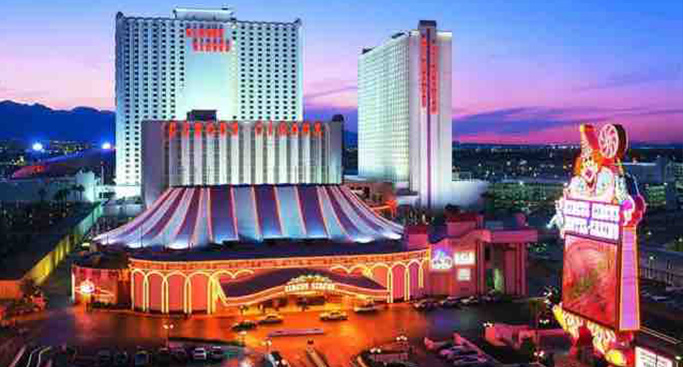
Over the years, online casinos have enjoyed a surge in popularity, thanks in part to live casino technology. This gives players the experience of being in one of the most luxurious casinos globally, without leaving their sofa. However, there is still a place for the land-based casino, and one thing that these can offer is stunning design and architecture. Here are five of the most elaborate casino designs in the whole world. 1. Casino de Monte Carlo, Mónaco Monaco is renowned for being glamorous and high-end, and this 19th-century venue is no exception. It is so stunning that many of the casinos in America have tried desperately to emulate it, but nothing has come close to the original true beauty of this casino. From the moment you arrive and glimpse the exterior, your breath is taken away by the stunning and decorative facade. Stepping through the doors, the luxury and splendour continues, with paintings and portraits that reinforce just how glamorous and expensive life is in Monaco. The hospitality is second to none, and players will find all of their favourite games on offer, from table games to slot machines. Be sure to check out the views of the Riviera that are visible from many of the windows. 2. Borgata Hotel Casino and Spa, Atlantic City In Atlantic City, you can expect an all-out experience, and this sprawling resort is no exception. It started life as a health resort, but it has been expanded over the years and is now home to one of MGM International‘s biggest casinos. It emulates Tuscan architecture, and one of the most notable features is the main tower which is gold glass and reflects light for miles. It cost a whopping $400 million to build and is known locally as the water club. It is a one-stop-shop for all of your needs and includes the casino, the spa, and many shopping outlets, including famous boutique names. The casino is massive, boasting over 180 table games and 3000 slot machines. The resort also has private jets available to go and fetch the rich and famous from all over the world and bring them back to spend time at the casino. 3. The Bellagio, Las Vegas Often referred to as the casino capital of the world, Las Vegas is home to some of the most glitzy casinos ever built. You may well recognise The Bellagio because it is often used in movies and TV shows. The design of the buildings is first-rate, and the casino offers many different table games as well as plenty of extracurricular activity in the form of shopping and dining. It boasts 14,000 ft.² of outside garden space, which is cared for by a massive team of professional landscape designers and horticulturalists. Although it is known primarily as a gambling venue, the gardens are so impressive that they attract experts from all over the world to come and learn and visit the facility. 4. Morpheus Casino, Macau Although Macau might not be the first place you think of for exclusive and stunning casinos, this is actually one of the best in the world. The architect is the 2016 Pritzker Architect prize winner, Zaha Hadid, and it cost over $1.1 billion in construction, making the venue in Atlantic City seem remarkably cheap. On the site, you will find 42 storeys that encompass the casino and hotel as well as the retail and dining outlets. They were aiming to create something totally insane, and they may just have succeeded. Thanks to this and other entertainment venues, Macau has become known as the Vegas of the East and attracts some of the most successful gamblers who want to try their luck. There is certainly plenty to choose from, with 500 gaming tables and thousands of slot machines. 5. Baden Baden Casino, Germany Located in the stunning backdrop of the Black Forest, Baden Baden Casino is as beautiful as the name suggests. Being just outside the city, the casino makes the perfect escape. It is very popular with the elite gambling set, who take full use of all of the facilities. These include a conference complex, world-class dining facilities and a spa. The building boasts some of the most impressive architecture in German history and is decked out with decor and art all locally sourced. If you are looking for beauty rather than out and out ostentatious design, this is the place to go. It is subtle but stunning and so incredibly well designed you will find yourself gazing at the walls and surroundings for hours. As you would expect, all of your most favourite table games are on offer, and you can while away many days away from the hustle and bustle of inner-city life by escaping to this forest retreat.

Read More »

Forex Brokers in the UK

Until the late 20th century, Forex trading was only accessible to institutions. Today, large banks and corporations exchange currencies alongside individuals. Retail traders in the UK monitor finance trends and make profitable decisions with assistance from local brokers. These intermediaries do not only give access to the market but also educate clients on the most viable Forex trading strategies. Dozens of companies are advertising brokerage services online. Due to the incredible popularity of Forex trading around the world, the existence of scam sites is not surprising. Since brokers handle their clients’ financial operations, it is vital to make the right choice. This article will help you identify reliable operators in your country. Crucial Selection Criteria Use the following list of factors to weed out scammers. See if you can answer these questions. 1.   Does the company comply with UK regulations? What regulatory body is it monitored by? The company must have a licence to conduct business in the United Kingdom. This information should be clearly stated on their website, as it is a sign of credibility. Check the list of regulating bodies carefully. After all, your financial flows will go through the broker. 2.   Do client reviews look genuine? Online feedback can hardly be perceived as a reliable source of opinions. However, when reviews are fake or paid, this may be deduced from the language. Look at specialized platforms with comparisons of Forex operators. 3.   How much are the transaction costs? The spreads (i.e., the difference between the Ask and Bid values) determine the broker’s commission for every transaction. Although it is natural to seek the lowest fees, remember that these must look realistic. 4.   Are there any hidden fees? Unscrupulous providers may use deceptive passages in their Terms and Conditions. Reliable brokers, on the other hand, make all the conditions transparent. 5.   How much is the minimum deposit? This usually depends on the type of account you open. Can you afford to start trading with this broker? 6.   Are their deposit and withdrawal methods convenient? This determines your ability to make transfers using the accepted methods. 7.   Does the broker offer comprehensive guidance? Renowned Forex providers supply clients with tonnes of educational material. Demo accounts should be available, so you can practice trades with zero risks. You should also be able to reach the support centre around the clock, at least on weekdays. Example: Trading with FXTM Established in 2011, this brand is now truly global. With 2+ million clients in 150 countries, it boasts impressive geographical coverage. In the UK, the company is subject to regulation by the FCA (Financial Conduct Authority). The mission of this entity is to protect consumers, enhance market integrity and promote competition in the finance field. Over the years, FXTM has collected over 25 industry awards. The firm is usually included in annual forex broker reviews. Importantly, all client funds are kept separate from corporate assets. This adds another degree of protection. Other competitive advantages include: Other UK Brokers Here are a few other brokers with positive trust ratings. All of them are regulated by FCA. Check the companies’ sites for exact terms and conditions of trading.

Read More »