Business : BDC Insight News
From Sheds to Systems: Fit-Out Is the New Frontier in UK Logistics

From Sheds to Systems: Fit-Out Is the New Frontier in UK Logistics

The UK’s industrial and logistics sector is entering a new era of complexity, driven by automation, labour market pressures, sustainability requirements, planning delays and shifting land values. Yet amid this transformation, KAM, part of Contollo Group, says one truth remains constant: while the base build of a warehouse may appear

Read More »
Creating new communities for today and tomorrow

Creating new communities for today and tomorrow

By James Crow – National Director of Place Long term sustainable infrastructure and facilities on a development that are essential to support communities to thrive. Two fundamental questions we regularly ask ourselves are: what happens when a developer hands over control and oversight of a site and who is best

Read More »
Nationwide Platforms supports Antarctic infrastructure modernisation at Rothera Research Station

Nationwide Platforms supports Antarctic infrastructure modernisation at Rothera Research Station

Nationwide Platforms has supported construction works at one of the world’s most remote research facilities, supplying specialist powered access equipment to BAM UK&I at Rothera Research Station in Antarctica. The work forms part of the British Antarctic Survey’s long-term Antarctic Infrastructure Modernisation Programme, a rolling investment programme to futureproof the

Read More »
Why Height Adjustable Desks Are Transforming Healthier Workspaces

Why Height Adjustable Desks Are Transforming Healthier Workspaces

The modern workplace is increasingly focused on employee wellbeing. As professionals spend long hours at their desks, companies are rethinking how office furniture can support healthier working habits. One of the most notable developments in recent years has been the rise of the height adjustable desk. Workspace experts such as

Read More »
Architectural trends bridging the gap between interior and exterior spaces

Architectural trends bridging the gap between interior and exterior spaces

The traditional boundaries between the home and the garden are increasingly blurred in modern architecture. As homeowners seek to maximise their living areas without the logistical nightmare of a full-scale brick-and-mortar extension, architects and developers are turning toward versatile, high-end structural solutions. The goal is no longer just to provide

Read More »
Out-of-town retail powers on as investors and occupiers double down

Out-of-town retail powers on as investors and occupiers double down

Out-of-town retail continued to outperform the wider retail market throughout 2025, cementing its position as one of the UK’s most resilient commercial property sectors, according to SHW’s Q1 2026 Retail Focus report. Retail warehousing emerged as the standout performer, supported by low vacancy rates, constrained supply and sustained occupier demand,

Read More »
Five real estate opportunities to watch in 2026

Five real estate opportunities to watch in 2026

By Daniel Austin, CEO and co-founder at ASK Partners The 2025 Autumn Budget offered limited stimulus for the housing market and, persistent headwinds such as sticky inflation, higher for longer interest rates, elevated construction costs, and slow planning processes continue to impact development viability. But there are still reasons for

Read More »
Latest Issue
Issue 344 : Sep 2026

Business : BDC Insight News

The £530 Billion Construction Pipeline: Navigating Cost Pressures in a Growing Market

The £530 Billion Construction Pipeline: Navigating Cost Pressures in a Growing Market

Expert Insight by Christian Rowe The government’s Infrastructure Pipeline sets out 780 projects worth £530 billion over the next ten years, covering  transport, energy, education and healthcare.  For UK construction firms, this represents a significant pipeline of opportunity. However, the sector recorded more insolvencies than any other UK industry in 2025, with almost 4,000 firms collapsing.  This contrast highlights a critical point: a strong pipeline does not guarantee commercial viability. With construction costs forecast to rise by 15 per cent over the next five years and tender prices expected to increase alongside them, successful contractors will be those who balance opportunity with disciplined pricing and robust risk management. Experts at Executive Compass, a bid and tender writing specialist, examine how construction firms can evaluate  opportunities and identify which contracts are commercially viable. Rising Costs are Eating into Every Tender The Building Cost Information Service (BCIS) forecasts construction costs to rise by 15 per cent over the next five years, with tender prices expected to follow at 16 per cent. Labour remains the primary pressure point, with employer National Insurance contributions and the National Living Wage driving the BCIS Labour Cost Index upwards. Skills shortages are compounding the issue, and demand from the booming data centre sector is adding further strain on mechanical and electrical contractors. While the volume of available work is growing, the cost of delivering it is growing faster.  For firms operating on tight margins, this significantly reduces tolerance for error. The Hidden Danger of Bidding Too Aggressively “The sizeable pipeline is very positive for the sector, and the long-term visibility it provides is something the industry has needed for years,” said Christian Rowe, CEO at Executive Compass. “However, visibility alone does not make a contract viable. We are seeing firms bid aggressively to secure work, only to find that cost inflation erodes margin before delivery is complete.” The Procurement Act 2023 introduces greater accountability for contract performance. Suppliers that fail to meet required standards risk exclusion from future opportunities through the public debarment regime. “Bid/no-bid decisions need to be made objectively,” Rowe added. “That means assessing whether you have the cost base, workforce and supply chain resilience to deliver. It is not just about whether you can win.” How to Identify Genuine Commercial Opportunities in the Pipeline With £285 billion of the pipeline funded by the public sector, there is real work to be won. But Rowe urges construction businesses to apply a structured evaluation before committing resources to any tender, “Start by asking whether the contract aligns with your strategic direction and whether you have a genuine competitive advantage such as local presence, specialist skills or delivery track record.” “Then look hard at the risk profile,” adds Rowe. “If price weighting is high and you are competing against national contractors with greater buying power, you need to be realistic about whether you can compete without undercutting yourself into difficulty.” It’s also very important to gain an understanding of the full cost picture before submitting a price. “With tender prices forecast to climb and material costs subject to increasing volatility as infrastructure output grows, firms that price on today’s costs for contracts beginning in 12 to 18 months risk building in losses from day one,” warns Rowe. Seeking Support with Bid/No-Bid Decisions While the infrastructure pipeline brings the construction sector some much needed certainty, firms that use it wisely, with realistic cost forecasting, careful bid decisions and a solid delivery model, have a real opportunity to grow. But for those that chase volume of bids without checking whether their numbers stack up properly, it could mean more contracts ending in financial difficulty. “The pipeline gives the sector the roadmap it has been asking for,” advises Rowe. “The key is selecting the right opportunities, not simply pursuing more of them.” Specialist bid support can assist firms in evaluating opportunities and making informed bid/no-bid decisions, reducing exposure to commercial risk and improving long-term outcomes. Building, Design & Construction Magazine | The Choice of Industry Professionals

Read More »
From Sheds to Systems: Fit-Out Is the New Frontier in UK Logistics

From Sheds to Systems: Fit-Out Is the New Frontier in UK Logistics

The UK’s industrial and logistics sector is entering a new era of complexity, driven by automation, labour market pressures, sustainability requirements, planning delays and shifting land values. Yet amid this transformation, KAM, part of Contollo Group, says one truth remains constant: while the base build of a warehouse may appear straightforward, the fit-out is where the real complexity lies. “On the surface, a warehouse can look like a fairly simple construction project,” Contollo Group Director Scott Price says. “But once you introduce automation, temperature control, manufacturing processes or robotics, the building becomes a high-performance machine. The fit-out is where projects succeed or unnecessary compromises have to be made” The industrial sector has historically been the quiet workhorse of the retail economy. Today, it sits at the forefront of retail success, driven by the relentless rise of eCommerce and the need for faster, more resilient supply chains with automated distribution centres being integral. Yet Price warns that many projects still treat automation as an afterthought. Integrating automation into a building that is already well into the design process and programme – or worse, already under construction – creates a level of complexity that cannot be underestimated. Speaking as Contollo Group expands its industrial and manufacturing portfolio across the UK, Price comments: “We’re now in a phase where warehouse automation isn’t a ‘nice to have’ – it’s becoming the backbone of logistics resilience. The only sustainable response is to design buildings and automation systems as one integrated ecosystem from the very start.” Price warns that the biggest operational risks arise long before a shovel hits the ground. “Developer base build specs and automation contractor requirements rarely align without challenge. For example, floor slab tolerances, deformation limits, shrinkage expectations and pattern loading are not small technicalities. If they’re accepted at face value, they can add millions to a project or introduce risks that only surface once the system is live.” He argues that logistics operators who treat early-stage design as a strategic investment, not a procedural step, will be the ones who stay competitive. “The winners will be those who interrogate every clause, negotiate every interface, and bring specialist project managers into the process early. Warehousing has become a strategic engine for speed, resilience and competitive advantage. You can’t afford to get the fundamentals wrong.” That mindset becomes even more critical when planning for future expansion. As eCommerce reshapes operational models, internal volume is becoming as valuable as footprint. Traditional ground-level operations are giving way to mezzanines, pick towers and multi-level fulfilment environments, but Price notes that the real challenge is balancing day-one cost with long-term flexibility. Designing for future floor slab loads, or incorporating additional steel into structural mezzanines for future vertical expansion, can avoid costly disruption later. “Futureproofing isn’t about overbuilding, it’s about making smart decisions that keep options open without inflating the base build unnecessarily.” Electrical design presents another hidden pressure point. Automation firms often have not finalised their electrical requirements when the base build specification is being agreed, meaning the eventual load can far exceed the developer’s standard offer. Price says this is where specialist engineering input becomes essential. “Automation load calculations are frequently conservative because diversity isn’t applied. Without challenge, you end up designing for every motor starting simultaneously, which is unrealistic and expensive.”  Sprinkler design and insurer engagement add further layers of complexity. Automation equipment rarely conforms to standard design details, and densely packed systems, such as multi-shuttle installations, require detailed coordination to agree acceptable fire protection strategies. Price stresses that insurers must be brought in early. “If you wait until procurement to engage insurers, you’ve already lost time. Early coordination on principles and approval pathways avoids redesign, delay and unnecessary cost.” Health and safety responsibilities also evolve as automation becomes more sophisticated. Under CDM Regulations, a Principal Designer must be appointed not only for the building works but also for the automation installation. Price advises: “Segregating the site into defined zones can reduce risk and improve control.” Ultimately, Price says, the success of any logistics project hinges on programme cohesion. New builds and retrofits alike depend on multiple interlocking timelines, each with its own milestones and data requirements. “If these programmes aren’t synced from the outset, delays and cost escalation become almost inevitable.” “Warehouses of the future will be industrial hubs, energy generators and data-rich environments,” Price says. “They must be designed for long-term productivity, not just short-term occupation.” Price emphasises that the winners in this new landscape will be those who align building design, automation strategy and commercial negotiations from day one. “Fit-out is no longer a technical exercise – it’s a strategic investment. Organisations that recognise this early, and who bring the right expertise to the table, will be the ones who deliver resilient, efficient and future-ready logistics assets.” Building, Design & Construction Magazine | The Choice of Industry Professionals

Read More »
Sunshine savings: Lidl brings plug-in solar panels to the high street

Sunshine savings: Lidl brings plug-in solar panels to the high street

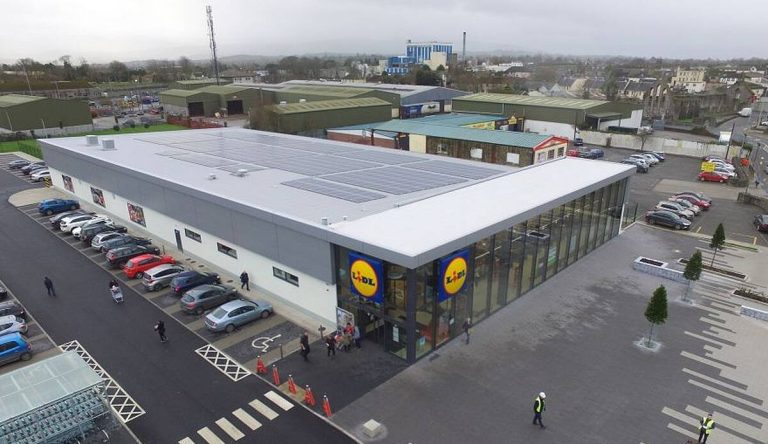
The middle aisles of discount supermarkets can be a treasure trove of unexpected bargains, from bagpipes to wetsuits – and now solar panels may soon join the list. German supermarket giant Lidl is among the organisations working with the government to support the roll-out of plug-in solar panels. Within the next few months, shoppers could find low-cost solar kits in Lidl stores that can be set up on balconies or in outdoor spaces, helping households start saving on their energy bills. Lidl GB’s corporate affairs director, Georgina Hall, said the move reflects the retailer’s commitment to making sustainable living more affordable. She welcomed efforts to modernise UK regulations, describing the changes as an important step in enabling households to take control of their energy use while supporting the country’s net zero ambitions. Plug-in solar technology is already widely used across Europe. In Germany alone, around half a million units are installed each year. These systems allow users to generate free solar power and feed it directly into their home via a standard mains socket, avoiding installation costs. As a result, households can reduce their reliance on grid electricity and lower their bills. The government believes this simple, accessible technology could help many households cut energy costs while reducing the UK’s dependence on global fossil fuel markets. The push for solar has been accelerated by rising energy prices linked to ongoing conflict in the Middle East. Alongside this, the government has published its long-awaited Future Homes Standard. While largely in line with previous expectations, it includes a stronger emphasis on solar panel installation in new homes. Under the updated Building Regulations, most new properties – with some exceptions such as high-rise buildings – will be required to include on-site renewable electricity generation, most commonly through solar panels. The standard also mandates low-carbon heating systems, such as heat pumps and heat networks, in all new homes. Energy Secretary Ed Miliband said the government is focused on supporting households through rising energy costs while strengthening the UK’s energy security. He emphasised that expanding access to clean energy, whether through solar panels on new homes or plug-in systems available in shops, is key to reducing reliance on volatile fossil fuel markets. Greg Jackson, founder and chief executive of Octopus Energy, said public interest in clean technologies has surged in response to global instability. He noted that demand for solar panels has risen sharply, alongside growing uptake of heat pumps and electric vehicles. He added that generating electricity at home allows households not only to cut bills but also to sell excess energy back to suppliers. Combined with technologies such as heat pumps and electric cars, this can significantly reduce the cost of heating and transport in ways that traditional gas and petrol cannot. Building, Design & Construction Magazine | The Choice of Industry Professionals

Read More »
Creating new communities for today and tomorrow

Creating new communities for today and tomorrow

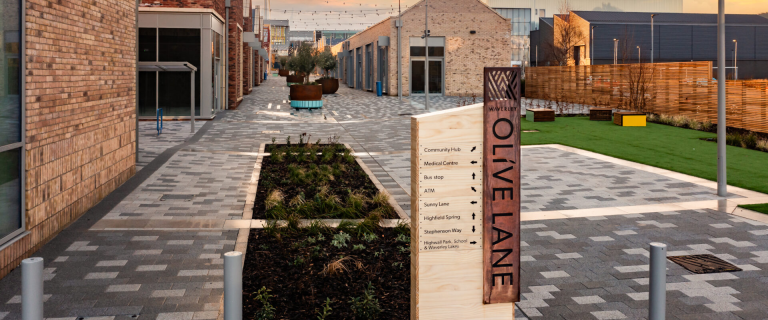
By James Crow – National Director of Place Long term sustainable infrastructure and facilities on a development that are essential to support communities to thrive. Two fundamental questions we regularly ask ourselves are: what happens when a developer hands over control and oversight of a site and who is best positioned to take ownership of it?  These are questions MHCLG are aiming to solve through its ongoing consultation on residential management arrangements. The issue of unadopted amenities on residential developments has become increasingly prevalent and it is particularly challenging for large scale schemes. Inherently, these often have more communal facilities and shared space, and infrastructure like a village which require long term maintenance and investment. Amenities like country parks and local centres, together with infrastructure such as roads and drainage systems, are essential to create places where communities can grow and evolve, and generation after generation can thrive.  Historically, parish councils, local authorities and utility providers rightfully took on management responsibilities. They would typically adopt roads, green spaces and other areas open to the wider public.  However, times have changed, in part driven by local authority budget pressures, and new ways of managing shared spaces have come to the fore. One question MHCLG asks, is whether mandatory adoption is the answer?  At a principal level, we support adoption and whenever we are designing a stewardship strategy for a development the first question we ask ourselves is “can this be adopted”?  But we are all aware of local authority budget pressures and the competing demands on scarce resources, often local authorities simply won’t or can’t adopt.  And where they do, commuted sums can be hyper aggressive. In recent examples we have been quoted by local authorities, a 100-year multiple of maintenance costs, undiscounted, to be used as the basis of calculation.  And yet, ironically, payment of a commuted sum does not guarantee that money will be spent on maintenance of that infrastructure at that development.  Such are local authority budgetary constraints and political pressures; it is possible these monies could be channelled into higher priority areas leaving estate management underfunded. New developments should always contribute positively towards community infrastructure and most developers remain willing to do so.  But in recent years the growing demand on developers has crossed into an unsustainable path; with s106 payments, covering aspects like affordable housing, education, healthcare, highways and open spaces, the community infrastructure levy, biodiversity net gain, the residential development property tax, the building safety levy, the landfill tax and so on.  It is also likely to once again hit developments disproportionately in lower value areas where house prices simply cannot support this collective ask.  Viability is an existing challenge many developers are already facing and the introduction of commuted sums on mandatory adoption is only likely to render yet more developments unviable, slow the delivery of housing further with the inevitable impact being to push houses prices further out of reach of many.  Is there a better option? Yes, we believe so, but firstly, is the current system really broken?  Whilst there are unfortunately some examples of poor practice where residents have received disproportionate bills for the quality of service they receive, our experience is this is not the norm across the industry and remains in the minority.  Many estates are well maintained and often to a higher standard than they would have been under local authority management regimes. They have also allowed for more freedom in design, creating more natural landscapes and beautiful places.    Another key proposal MHCLG are currently consulting on is around enhanced protections for homeowners on freehold estates.  This is something we support and most of the recommendations made are practices we have been operating across our estate for a number of years.  These reforms if implemented as proposed, may help tackle those minority cases so that further measures such as mandatory adoptions are simply not required. However, there are a range of models – some well-established and others more nascent – that could help resolve that stewardship debate.  . Residents at the heart of communities In any utopia it would be residents and local communities managing these amenities, but pressures of modern living, fractured households and mixed tenures manifest the requirement for a maintainer of last resort.  It’s widely recognised that when residents have a meaningful role in shaping their own environment, developments transform from just housing and workspaces to true communities. I have seen this personally and have seen it in the work we do at Harworth, where we have supported residents in setting up community councils, or launching sports clubs and societies that form the genesis of onward community cohesion.    For example, at our flagship site in South Yorkshire, we’ve established Waverley Community Council – a Parish Council set out to carry a range of duties to support and improve experiences for all in the community.  It’s been successful in growing the community at Waverley and will continue to have a significant impact in shaping the site moving forward. At the same time, as master developers, we are regularly thinking about how to design a scheme to provide longevity for decades to come. Having residents involved in the management of estates is therefore critical, but should residents be the sole voice?  It is often assumed bringing developments under residential control is in the best long-term interest of the estate, but in perpetuity is a very long time.  We often find that residents are most focused on reducing their estate service charge.  But as the service charge is there to look after the estate in perpetuity, it is key that it is well maintained together with an appropriate sinking fund regime in place to be able to renew and replace aging infrastructure spreading the cost over time, as opposed to the burden simply falling on future residents or worse, falling into disrepair such as the sink estates of the 1960’s.  For large-scale developments like Waverley, having professional expertise and third-party stakeholders sit alongside and in

Read More »
Nationwide Platforms supports Antarctic infrastructure modernisation at Rothera Research Station

Nationwide Platforms supports Antarctic infrastructure modernisation at Rothera Research Station

Nationwide Platforms has supported construction works at one of the world’s most remote research facilities, supplying specialist powered access equipment to BAM UK&I at Rothera Research Station in Antarctica. The work forms part of the British Antarctic Survey’s long-term Antarctic Infrastructure Modernisation Programme, a rolling investment programme to futureproof the UK’s polar research capabilities. At Rothera, BAM UK&I has delivered a series of major upgrades, including the new Discovery Building, runway improvements and redevelopment of the station’s wharf to accommodate the polar research vessel RRS Sir David Attenborough. To support internal construction works, Nationwide Platforms supplied four scissor lifts with minimal environmental footprint for installation work within the Discovery Building. Operating in Antarctica presents a unique combination of logistical, environmental and operational challenges. Machinery must function reliably in sub-zero temperatures and high winds, while also meeting strict environmental protection standards and working within limited on-site power capacity. Within the Discovery Building itself, narrow corridors and sensitive early-stage infrastructure require low-emission, compact equipment capable of predictable, controlled operation. Working closely with BAM UK&I, Nationwide Platforms supplied Dingli JCPT0807PA hydraulic-oil free electric scissor lifts. The machines were delivered in standard ISO containers and supported with on-site spares to minimise the need for additional imports or external technical support. Despite the challenges of battery performance in extreme cold, the electric units remained in daily use through careful battery management, while their low power draw helped reduce demand on Rothera’s diesel-generated energy supply. The oil-free configuration also eliminated the risk of hydraulic leaks, supporting compliance with the stringent environmental protocols enforced by the British Antarctic Survey. Matt Parfitt, Head of Market Development at Nationwide Platforms, said, “With proven reliability in a region where margin for error is minimal, the JCPT0807PA has demonstrated the value of compact, oil-free, electric access machinery in enabling safe, low-impact progress at one of the world’s most challenging and extraordinary construction sites.” Johannes Smit, Construction Manager at BAM UK&I, said: “Working in Antarctica demands a level of planning and precision unlike any other environment. Every piece of equipment must justify its place on site, not only in terms of performance, but in sustainability, reliability and ease of maintenance. The compact, oil-free scissor lifts supplied by Nationwide Platforms have been invaluable in supporting safe, efficient progress within the Discovery Building, helping our teams deliver critical works while protecting the unique Antarctic environment.” As the Rothera modernisation programme continues, Nationwide Platforms and BAM UK&I remain in ongoing collaboration to support future phases of construction, including further infrastructure and renewable energy upgrades at the station. Building, Design & Construction Magazine | The Choice of Industry Professionals

Read More »
Why Height Adjustable Desks Are Transforming Healthier Workspaces

Why Height Adjustable Desks Are Transforming Healthier Workspaces

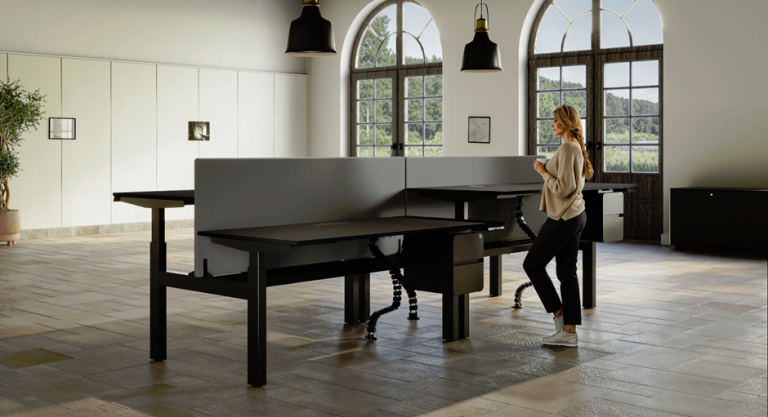
The modern workplace is increasingly focused on employee wellbeing. As professionals spend long hours at their desks, companies are rethinking how office furniture can support healthier working habits. One of the most notable developments in recent years has been the rise of the height adjustable desk. Workspace experts such as Urban 411 office furniture highlight how adjustable desks are helping organizations move away from static workstations toward more dynamic and health focused environments. Unlike traditional desks that require employees to remain seated for most of the day, adjustable desks allow users to alternate between sitting and standing. This flexibility encourages natural movement and reduces the strain associated with prolonged sitting. By introducing simple positional changes throughout the day, these desks help create a workspace that adapts to the user rather than forcing the user to adapt to the furniture. Breaking the Cycle of Sedentary Work Extended periods of sitting have become a common part of modern office routines. However, remaining seated for most of the workday can contribute to fatigue, muscle stiffness, and reduced energy levels. Height adjustable desks provide a practical way to interrupt these sedentary patterns. The ability to switch between sitting and standing encourages movement and helps maintain better physical balance during the day. Better Circulation and Energy Levels Alternating between positions promotes improved blood circulation. Many users report feeling more alert and energized when they incorporate standing periods into their routine. Reduced Strain on the Spine and Joints Changing positions helps relieve constant pressure on the lower back and spinal discs. It also reduces stiffness in the hips and knees that often develops during long periods of sitting. Increased Muscle Engagement Standing activates more muscle groups than sitting alone. Even light muscle engagement can contribute to better metabolic activity and help counter the effects of prolonged inactivity. Over time, these small adjustments can significantly improve overall workplace comfort and physical wellbeing. Supporting Modern Office Design Adjustable desks are not only beneficial for health—they also align well with evolving office layouts. Many contemporary workplaces are moving toward flexible designs that accommodate multiple work styles, from focused individual tasks to collaborative team activities. Height adjustable desks fit naturally into these environments because they support adaptability and efficient space usage. Flexible Work Zones Their clean design and adaptable structure allow them to integrate seamlessly into offices that use modular furniture and flexible layouts. Adaptation to Different Work Tasks Certain activities may benefit from standing, such as brainstorming sessions or quick meetings, while seated positions may be more suitable for focused computer work. Adjustable desks support this natural variation. Efficient Workspace Planning When combined with other flexible furniture systems, adjustable desks help create workspaces that can evolve as teams grow and organizational needs change. This versatility makes them a valuable addition to modern workplace planning. Developing Healthy Usage Habits While adjustable desks offer many benefits, their effectiveness depends on how they are used. The goal is not to stand all day but to create a balanced routine that incorporates both sitting and standing. Start GraduallyBegin by alternating between sitting and standing every 30 to 60 minutes. Gradually increase standing time as your body becomes more comfortable with the change. Maintain Proper ErgonomicsWhether seated or standing, the monitor should remain at eye level and elbows should rest comfortably at approximately a 90-degree angle. Add Small Movement BreaksUse transitions between positions as an opportunity to stretch, shift your posture, or take a short walk. These small actions further improve circulation and reduce muscle tension. Furniture specialists recognise that these habits are essential for maximizing the benefits of adjustable desks. Providers such as Urban 411 office furniture design solutions that make these transitions smooth and easy within everyday work routines. Conclusion Height adjustable desks are playing an increasingly important role in the evolution of modern workspaces. By encouraging movement and reducing the negative effects of prolonged sitting, they help create environments that support both comfort and productivity. Beyond their health benefits, these desks also complement flexible office layouts and modern workspace strategies. As organizations continue to prioritize employee wellbeing, adjustable desks are becoming a central feature of forward-thinking office design. For businesses seeking to create healthier and more adaptable workplaces, exploring solutions offered by Urban 411 office furniture provides a practical starting point for integrating these innovations into everyday office environments.

Read More »
Architectural trends bridging the gap between interior and exterior spaces

Architectural trends bridging the gap between interior and exterior spaces

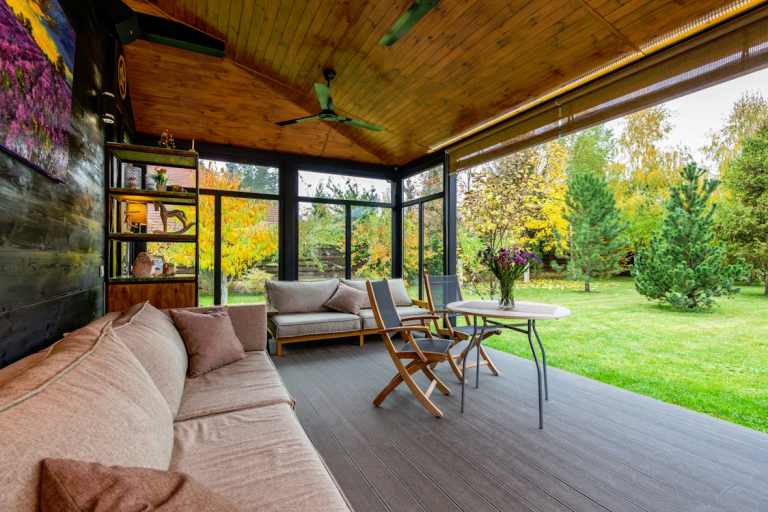
The traditional boundaries between the home and the garden are increasingly blurred in modern architecture. As homeowners seek to maximise their living areas without the logistical nightmare of a full-scale brick-and-mortar extension, architects and developers are turning toward versatile, high-end structural solutions. The goal is no longer just to provide a view of the outdoors, but to create a seamless transition that allows the exterior to function as an integral part of the home’s floor plan. This shift in residential design is driven by a desire for “indoor-outdoor” living, a concept that has evolved far beyond the simple patio door. Modern developments now prioritise thermal efficiency, structural lightness, and aesthetic cohesion. By treating the garden as an additional “room,” developers can significantly increase the perceived value and utility of a property, providing the flexible spaces that the 2026 market demands. Integrating the glass sliding door into contemporary building design At the heart of this architectural evolution is the widespread adoption of the glass sliding door as a primary structural element. Unlike the heavy, framed bifolds of the past, today’s minimalist sliding systems offer expansive, uninterrupted views that effectively remove the visual barrier between the lounge and the terrace. These systems are designed to slide effortlessly, allowing for a large-scale opening that creates a fluid thoroughfare for air and light. From a construction perspective, these glass walls provide a sophisticated solution for managing natural light in narrow urban plots. They allow architects to flood interior spaces with daylight, reducing the reliance on artificial lighting and improving the overall wellbeing of the occupants. When specified correctly, these systems maintain high levels of insulation, ensuring that the home remains energy-efficient during the winter while offering the possibility of a completely open-plan living experience during the summer months. Enhancing property utility with a modern carport While much of the focus on outdoor living remains on the rear of the property, the front elevation is seeing its own functional revolution. The traditional garage is often viewed as a missed opportunity for space, frequently used for storage rather than vehicle protection. Consequently, we are seeing a rise in the specification of the contemporary carport in new build developments. These structures provide a lightweight, aesthetically pleasing alternative to the enclosed garage, offering protection from the elements without the heavy footprint of a traditional building. A well-designed aluminium structure can complement the lines of a modern house, providing a sheltered area that is both practical and visually unobtrusive. This is particularly relevant in the context of the growing EV market, where homeowners require easy, sheltered access to charging points. By integrating these structures into the initial design phase, developers can offer a premium feel that maintains an open, airy street scene. The future of modular outdoor structures The trend toward modularity in construction shows no signs of slowing down. Homeowners are increasingly looking for ways to customise their properties over time, and high-quality modular kits allow for this flexibility. Many industry professionals are now looking toward specialist manufacturers like Tuinmaximaal, who provide robust, professional-grade aluminium components that can be tailored to fit specific architectural requirements. This “plug-and-play” approach to high-end garden structures allows for rapid installation with minimal disruption to the site. Ultimately, the successful bridge between interior and exterior spaces relies on the quality of the materials and the thoughtfulness of the design. By incorporating expansive glass systems and functional sheltered areas, we can create homes that feel larger, brighter, and more connected to the world outside. As we look toward the future of UK residential development, these versatile structures will continue to play a pivotal role in how we define the modern British home.

Read More »
City of London unveils vision of future skyline as development boom gathers pace

City of London unveils vision of future skyline as development boom gathers pace

The City of London Corporation has released a new CGI revealing how the Square Mile’s skyline is expected to look in around six years’ time, once the latest wave of towers under construction or with planning consent are complete. The computer-generated images illustrate the evolving cluster of tall buildings in the City’s financial district, reflecting what will be delivered following a record year for planning approvals in 2025. According to the Corporation, 2026 has already marked the busiest start to a year in seven years in terms of both planning submissions and decisions, as demand for high-quality, sustainable Grade A office space continues to grow. More than half a million square metres of office space was granted planning permission in 2025 alone – the equivalent of more than ten Gherkin-sized buildings – with roughly half of that total already under construction. The result is a development pipeline that will keep the Square Mile firmly in growth mode for the remainder of the decade. Major schemes contributing to the future skyline include 1 Undershaft, which is already progressing on site, alongside 85 Gracechurch Street and 60 Gracechurch Street, both due to start shortly. Together, these projects will add more than 200,000 square metres of commercial space. Chris Hayward, Policy Chairman of the City of London Corporation, said strong demand for amenity-rich, premium office space was reinforcing the City’s global appeal. He noted that vacancy rates in the City Core continue to fall, prime supply remains tight and leasing activity has reached its strongest annual performance since 2019. He added that the City continues to demonstrate its ability to deliver complex, large-scale developments while responding to evolving patterns of work. Tom Sleigh, Chairman of the Planning and Transportation Committee, described commercial development in the Square Mile as “all systems go”, pointing to a particularly active start to the year and sustained investor confidence in the City’s long-term prospects. Building, Design & Construction Magazine | The Choice of Industry Professionals
Read More »
Out-of-town retail powers on as investors and occupiers double down

Out-of-town retail powers on as investors and occupiers double down

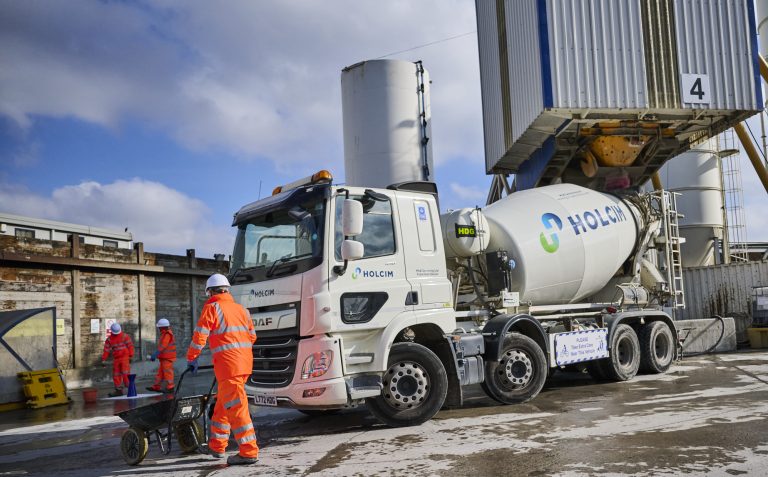
Out-of-town retail continued to outperform the wider retail market throughout 2025, cementing its position as one of the UK’s most resilient commercial property sectors, according to SHW’s Q1 2026 Retail Focus report. Retail warehousing emerged as the standout performer, supported by low vacancy rates, constrained supply and sustained occupier demand, all of which helped drive rental growth across the year. Despite a modest dip compared with 2024, investment volumes remained healthy, with more than £2bn transacted in 2025. This level of activity sits comfortably in line with the sector’s 10-year average, with returns over the past 12 months averaging 9.8%. Investor appetite has been particularly strong for well-located secondary assets offering attractive income returns. Groups such as Redevco and Realty have been active in targeting these opportunities, reflecting confidence in the sector’s long-term fundamentals. Occupational demand has also remained robust. Vacancy rates across retail warehousing have held at around 5%, and space released following the failures of Homebase and Carpetright was swiftly absorbed by a mix of food retailers, DIY operators, discount brands and gym operators. There has also been a notable rise in retailers acquiring freehold interests in solus units to secure long-term occupation at lease expiry. Letting activity has varied by location and scheme type. Operators such as Next, Superdrug and M&S Food Hall have continued to target schemes with a stronger high-street bias, while discount retailers including Home Bargains and B&M have pressed ahead with portfolio expansion. While a small number of store closures have been announced by Hobbycraft, overall supply remains tight. Gym operators are increasingly competing with retailers for space, bringing new customer demographics to retail parks and strengthening footfall. Food retailers reported generally positive Christmas trading, with Lidl and Aldi recording strong sales growth. Lidl has now become the UK’s fastest-growing bricks-and-mortar supermarket, while most other major grocers also saw uplifts. The food and beverage and quick-service restaurant sector has continued to expand, with fierce competition for drive-through sites. New opportunities released by Pizza Hut closures were quickly taken up, while fried chicken and coffee brands remain particularly active. Looking ahead, SHW expects the retail warehouse sector to remain resilient through 2026, underpinned by limited new development, strong occupier demand and sustained investor interest. For a copy of SHW’s Q1 2026 Retail Focus, which covers out-of-town and high street retail, please contact any member of the SHW team. Building, Design & Construction Magazine | The Choice of Industry Professionals
Read More »
Five real estate opportunities to watch in 2026

Five real estate opportunities to watch in 2026

By Daniel Austin, CEO and co-founder at ASK Partners The 2025 Autumn Budget offered limited stimulus for the housing market and, persistent headwinds such as sticky inflation, higher for longer interest rates, elevated construction costs, and slow planning processes continue to impact development viability. But there are still reasons for cautious optimism. The UK economy is forecast to grow by 1.4 per cent this year. This is expected to outperform the eurozone and should support investor confidence. The UK also remains an attractive destination for global capital, with ongoing interest from the Gulf, Southeast Asia and deepening UK United States investment links, particularly through the technology sector. ASK recently surpassed £2 billion in total lending. This milestone reflects the importance of disciplined, relationship-led financing and flexible structuring in a challenging market. It also highlights the growing appetite for income-producing real estate debt. With public equity markets at elevated levels and real estate pricing looking comparatively attractive, 2026 is likely to see increasing interest in secured credit strategies that offer predictable cashflows and downside protection. Looking ahead, several segments of the market offer clear potential for investors. The flight to quality is expected to continue as businesses compete for modern, energy efficient and amenity rich workspace that supports hybrid working. Best-in-class offices in central London continue to achieve strong rents and stable yields. Although secondary and tertiary offices face challenges linked to obsolescence and environmental compliance costs, some well-located secondary assets are becoming more investable as prime rents rise. Refinancing pressures and selective refurbishment opportunities will provide value-add prospects for well-capitalised investors able to move quickly. Buyer appetite is expected to soften due to higher taxation, reduced ISA allowances and the absence of stamp duty reform. Despite this slowdown, the UK remains structurally undersupplied in housing. With so many smaller landlords exiting the sector due to increased costs and regulatory complexity, professionally managed rental formats are becoming more important. Build-to-rent and co-living are particularly well positioned to serve younger, mobile workers who seek affordability, connectivity and community. Mid-market suburban and commuter belt schemes may outperform prime central locations, especially in areas benefiting from new infrastructure such as the Lower Thames Crossing. Storage, logistics and light industrial assets remain among the most resilient parts of the market, supported by the continued expansion of online retail, SME activity and the need for flexible urban distribution space. Alongside these uses, demand for data centres has become a major structural driver. Growing adoption of artificial intelligence, cloud services and high-performance computing is placing unprecedented pressure on power capacity and suitable land, making data centres an increasingly strategic real estate category. The combination of long-term contracted income, critical infrastructure status and limited supply of appropriate sites means this segment is likely to remain strong. Mixed-use industrial schemes that accommodate logistics, data infrastructure and urban services will offer particularly attractive, income-led opportunities in 2026. The hotel sector has rebounded strongly, supported by domestic leisure travel, international visitors and the ability to adjust room rates in line with inflation. Conversion opportunities, particularly the transformation of under-utilised office buildings into hotels, are creating new avenues for investors. The asset class continues to appeal to private investors and family offices seeking income diversification and long-term value. Operational real estate, including healthcare, specialist care, education and supported living, provides stable and often inflation linked income streams. Demographic shifts, including an ageing population and rising demand for specialist services, support the long-term resilience of these sectors. Although certain subsectors such as life sciences are recalibrating, operational assets backed by strong occupier demand remain attractive. Conclusion In 2026 the UK real estate market is likely to offer opportunities grounded in the resilience of the asset class rather than wider economic growth. As interest rates begin to edge lower and transaction pipelines reopen, investors who have been waiting on the sidelines may return. If base rates move toward 3.5 to 3.75 per cent, many schemes that have not been viable in recent years could start to work again. Those who focus on income-producing assets, structure deals carefully and navigate planning challenges with discipline will be best positioned to secure stable returns in a subdued economic environment. Building, Design & Construction Magazine | The Choice of Industry Professionals

Read More »