Trades & Services : Specialist Services News
Skip Bins With Walk-In Doors: When They’re Worth It

Skip Bins With Walk-In Doors: When They’re Worth It

Not all skip bins are created equal. While standard skip bins work well for many jobs, skip bins with walk-in doors have become increasingly popular for renovations, clean-ups, and construction projects where ease of access matters. If you are hiring skip bins and wondering whether a walk-in door option is

Read More »
Engineers scale iconic Liverpool tower for after-dark inspections

Engineers scale iconic Liverpool tower for after-dark inspections

Technicians suspended nearly 140 metres in the air carried out tests on the concrete and steel of St Johns Beacon in Liverpool using specialist rope access techniques. RSK Group company CAN Structures was contracted to carry out a defect survey and concrete testing of the iconic Grade II listed communications

Read More »
Kiverco Delivers Fourth Recycling Plant for Binn Group

Kiverco Delivers Fourth Recycling Plant for Binn Group

Kiverco, a global leader in recycling solutions, has completed the installation of a new recycling plant for Binn Group, a prominent waste management company in Scotland. This marks their fourth collaboration, reflecting a long-standing partnership built on trust and exceptional service. A third-generation family business and Kiverco customer for over

Read More »
Kiverco welcomes invest NI Chief Executive Kieran Donoghue to discuss ambitious growth strategy

Kiverco welcomes invest NI Chief Executive Kieran Donoghue to discuss ambitious growth strategy

Kiverco recently welcomed Invest Northern Ireland’s Chief Executive Kieran Donoghue to its headquarters, alongside Anne Beggs, Executive Director of International Business and Skills, Kate Gilmore, International Trade Adviser, and Denzil Morrow, Client Executive. The visit provided an opportunity to discuss and showcase Kiverco’s ambitious 10-year growth strategy, which includes digitalising

Read More »
Enviro Waste Management strengthens focus on commercial waste with rebrand

Enviro Waste Management strengthens focus on commercial waste with rebrand

London-based commercial waste management provider, Enviro Waste Management, has embarked on a strategic rebrand to reinforce its commitment to enhancing operational efficiency while simultaneously reducing environmental impact. Moving away from its previous focus on domestic and construction waste, the company is now solely dedicated to serving businesses, positioning itself as

Read More »
10 quick wins to improve sustainability on a construction site

10 quick wins to improve sustainability on a construction site

Sustainability on construction sites is a major talking point in the industry – and many businesses share a resolve to take measures that reduce carbon emissions and help protect the planet. However, it can also be a confusing and sometimes overwhelming space, especially for those just beginning the journey. Avril

Read More »
Henry Brothers completes Welfare Centre at Pirbright

Henry Brothers completes Welfare Centre at Pirbright

Henry Brothers has successfully completed the construction of an £11 million welfare hub at the Army Training Centre Pirbright in Surrey, England. The Soldiers’ Centre at Alexander Barracks brings existing retail and wellbeing services across the site into a single location, enhancing the training experience for recruits while modernising the

Read More »
Skyhook Helicopters Introduces the New H125 to Its Fleet

Skyhook Helicopters Introduces the New H125 to Its Fleet

TSL Contractors Ltd Utility’s aviation business,  Skyhook Helicopters, is proud to announce the arrival of its brand-new utility H125 aircraft, marking an exciting step forward in serving our market across the UK and Ireland. This addition enhances our operational capabilities, bringing greater efficiency, performance, and sustainability to our services. The

Read More »
Latest Issue
Issue 337 : Feb 2026

Trades : Specialist Services News

Skip Bins With Walk-In Doors: When They’re Worth It

Skip Bins With Walk-In Doors: When They’re Worth It

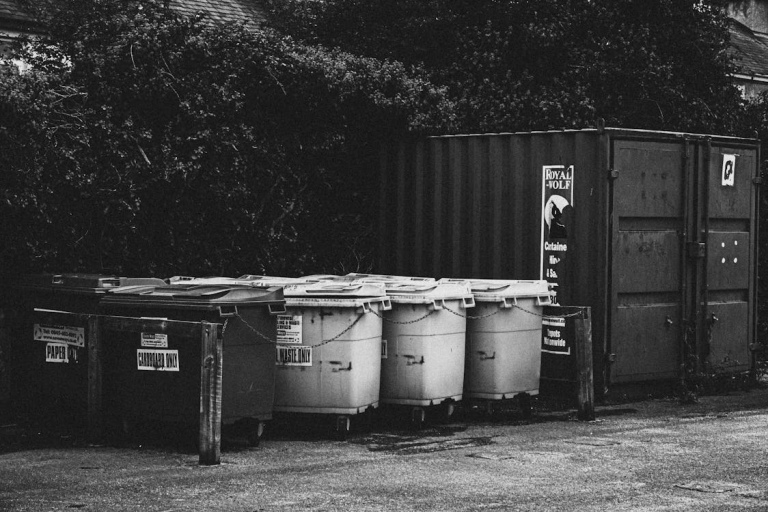
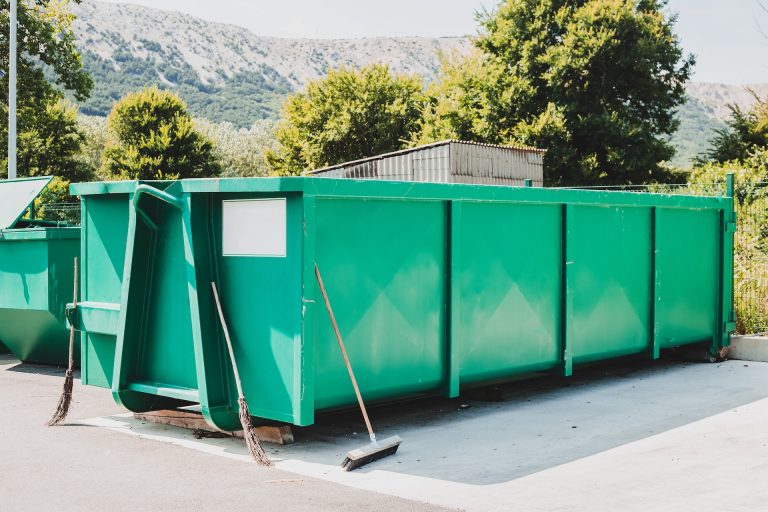
Not all skip bins are created equal. While standard skip bins work well for many jobs, skip bins with walk-in doors have become increasingly popular for renovations, clean-ups, and construction projects where ease of access matters. If you are hiring skip bins and wondering whether a walk-in door option is worth the extra cost, the answer depends on how you plan to load the bin and the type of waste involved. Walk-in skip bins are designed to reduce effort, improve safety, and speed up loading. In the right situations, they can make a noticeable difference to how smoothly a job runs. What Is a Walk-In Skip Bin? A walk-in skip bin is a standard skip bin fitted with a rear or side door that opens at ground level. Instead of lifting waste over the top edge of the bin, users can open the door and walk items straight in. Once loading is complete, the door is closed and secured before the bin is collected. The bin is then tipped in the usual way at the disposal facility. This simple design change can have a big impact on usability, particularly for heavy, bulky, or awkward waste. When Walk-In Skip Bins Are Worth It Walk-in doors are not necessary for every job, but there are several scenarios where they offer clear advantages. Home Renovations and Strip-Outs Renovations generate heavy and cumbersome waste such as tiles, plasterboard, old cabinetry, and flooring. Lifting these materials repeatedly over the side of a standard skip bin can be exhausting and increases the risk of injury. A walk-in skip bin allows waste to be carried or wheeled directly into the bin. This is especially helpful when removing bathrooms or kitchens, where materials are dense and difficult to handle. For DIY renovators, the reduced physical strain alone often justifies choosing a walk-in option. Decluttering and Household Clean-Ups Large clean-outs often involve furniture, whitegoods, and bulky household items. Sofas, wardrobes, and mattresses are awkward to lift and manoeuvre. Walk-in skip bins make it easier to load these items safely without needing extra people to help lift. This is particularly useful for households working through garages, sheds, or deceased estates where volume and size vary. Construction and Building Sites On building sites, efficiency matters. Time spent lifting waste into bins is time not spent on productive work. Walk-in skip bins allow trades to move waste quickly, often using trolleys or wheelbarrows. This reduces fatigue and speeds up site clean-up, especially during demolition or framing stages. For builders managing ongoing waste removal, walk-in access can improve workflow and reduce the risk of workplace injuries. Landscaping and Garden Projects Garden waste such as branches, tree offcuts, soil, and turf can be heavy and uneven. Loading this type of waste into a standard skip bin can be challenging, particularly if the bin walls are high. With a walk-in door, garden waste can be pushed or carried straight in. This is helpful for landscapers and homeowners tackling major yard overhauls. Safety Benefits of Walk-In Skip Bins One of the biggest advantages of walk-in skip bins is improved safety. Repeated lifting over the side of a bin increases the risk of back strains, dropped items, and slips. Walk-in access reduces the need for overhead lifting. This lowers physical stress and makes the loading process safer for people of all ages and fitness levels. On worksites, this can contribute to better safety compliance and fewer injuries. When Walk-In Skip Bins May Not Be Necessary Despite their benefits, walk-in skip bins are not always required. For light waste such as cardboard, packaging, or small household items, a standard skip bin is usually sufficient. If waste can be easily lifted and tossed in without strain, the added feature may not provide much extra value. Small projects with minimal waste volume may also not justify the additional cost of a walk-in door. Cost Considerations Skip bins with walk-in doors often cost slightly more than standard bins of the same size. This reflects the added design features and handling requirements. However, the extra cost can be offset by time savings, reduced labour, and fewer physical demands. For jobs that involve heavy or bulky waste, the overall value often outweighs the price difference. It is also worth noting that faster loading can mean fewer hire days, which may help balance costs. Choosing the Right Size Still Matters Even with a walk-in door, choosing the correct bin size remains important. Overfilling a bin or stacking waste above the fill line can create safety and transport issues. Walk-in bins can sometimes encourage better packing, as items are placed more deliberately rather than thrown in. This can help maximise usable space. Discussing your project with the skip bin provider helps match bin size and type to your needs. Practical Tips for Using Walk-In Skip Bins When using a walk-in skip bin, always close and secure the door once loading is complete. An open door during collection can be dangerous. Load heavy items first and distribute weight evenly across the base. This helps with stability during transport and tipping. Avoid placing loose debris near the door that could prevent it from closing properly. Are Walk-In Skip Bins Worth It Overall? Walk-in skip bins are worth it when ease of loading, safety, and efficiency are priorities. Renovations, construction sites, and major clean-ups benefit the most from this design. For simpler jobs with light waste, standard skip bins remain a practical and cost-effective choice. Final Thoughts on Skip Bins With Walk-In Doors Skip bins with walk-in doors are not just a convenience feature. In the right situations, they make waste removal faster, safer, and far less physically demanding. If your project involves heavy materials, bulky items, or repeated loading over several days, a walk-in skip bin can significantly improve the experience. Choosing the right type of skip bin from the start helps keep projects running smoothly and reduces unnecessary strain along the way.


Read More »
Material Processing Equipment: Maximizing On-Site Recycling and Waste Reduction

Material Processing Equipment: Maximizing On-Site Recycling and Waste Reduction

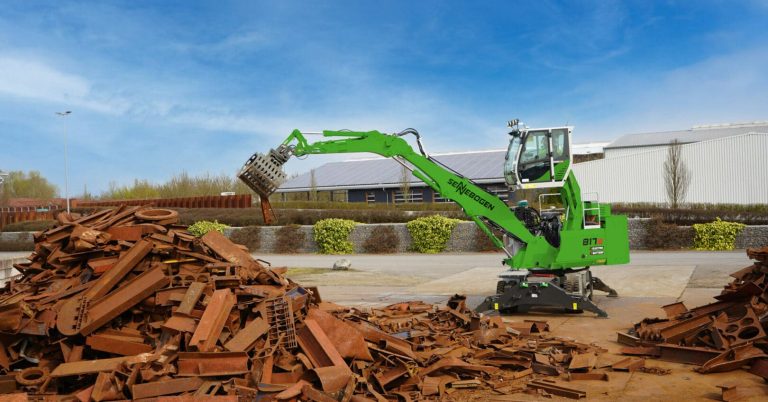
Construction and renovation projects generate massive amounts of waste, much of which may still hold material value. Concrete, asphalt, wood and metals often leave jobsites as garbage and debris, even though many of them can still be reused or recycled.  Material processing equipment is changing how contractors approach construction waste by supporting on-site recycling, which supports cost management and sustainability goals while maintaining efficient project timelines. The Business Case for On-Site Material Processing Construction and demolition waste comprises around 30% of solid waste generated worldwide, and not all of it reaches recycling facilities. On-site material processing helps manage this volume and creates measurable benefits across various business aspects. Treating waste management as a crucial component of construction processes helps improve project outcomes in various ways. Cost Savings Disposal fees and hauling costs can account for a significant portion of a project’s waste budget. Processing materials on-site reduces the amount of garbage sent to landfills or other off-site facilities, which directly lowers transportation and disposal costs. Teams can even use crushed concrete or asphalt as construction materials, eliminating the need to buy and transport brand-new aggregates. With the amount of waste generated by construction and demolition activities, redirecting even a portion of this material back into the project can translate into significant savings over time.  Handling costs can vary regionally, and many local waste management service providers already offer commercial dumpsters and equipment to move large volumes of debris. However, teams will need to consider costs associated with hauling distances or specialized material handling. Efficiency and Logistics Material processing equipment streamlines logistics by reducing truck traffic in and out of the jobsite. Fewer trips to the landfill or materials facility means less congestion and lower fuel consumption. This efficiency becomes especially important in urban areas with limited space and access. On-site recycling also shortens material supply chains. Instead of waiting for aggregate deliveries or suppliers, teams can have processed materials immediately available for use, helping them maintain momentum and meet tight deadlines. Workplace Safety and Management Managing waste piles and debris removal can be a safety concern on active construction sites. On-site processing helps create a more organized environment by consolidating waste handling into defined areas with clear workflows. These efforts can reduce clutter and minimize hazards associated with loose debris and poor material handling. Environmental Impact On-site material processing reduces greenhouse gas emissions associated with hauling and landfill operations. Reusing materials like crushed concrete or processed wood lowers the demand for raw material extraction, which reduces energy use and environmental damage. This approach aligns with broader sustainability goals, including energy-efficient construction practices that prioritize sustainable material use across the entire project life cycle. Reducing waste and reusing materials on-site supports greener builds without requiring major changes to established construction methods. Regulatory Compliance Environmental regulations around waste disposal and recycling continue to develop at the federal and local levels. On-site material processing helps contractors stay ahead of compliance requirements by diverting waste from landfills and improving the documentation and practice of recycling efforts. For projects pursuing sustainability certifications or operating under municipal recycling regulations, on-site processing leads to more straightforward reporting and reduces the risk of noncompliance penalties. Meeting Green Construction Demands Clients and developers increasingly expect construction projects to prioritize environmental responsibility. The building efficiency industry revenue is already worth at least $83.05 billion in the U.S. On-site recycling is a visible and demonstrable way to meet these expectations. For green homes and energy-efficient construction projects, waste reduction complements other sustainability measures like renewable energy systems and efficient insulation. Essential On-Site Material Processing Equipment Different types of material processing equipment serve specific functions, and selecting the right mix depends on the types and amount of waste each project generates. Crushers: Breaking Down a Demolition Site Crushers are crucial in on-site recycling for demolition and heavy construction projects. Their primary function is to break large, solid materials into smaller, reusable pieces. Jaw crushers are ideal for primary crushing, as they can handle large chunks of concrete and rock. Impact crushers use high-speed forces to further break down materials and produce more uniform aggregates. Cone crushers are best for secondary or tertiary stages, refining material size and shape for more precise applications. In construction sites, crushers usually handle concrete, asphalt, brick and natural rock. After the crushers do their job, teams end up with recycled aggregates, which they can use in foundations or new concrete mixes when it aligns with project requirements. Using recycled aggregate reduces reliance on quarries, which lowers financial costs and minimizes environmental impact. Screeners: Sorting and Sizing for Reuse Screeners separate materials by size and type, ensuring that recycled outputs meet project requirements. Trommel screens use rotating drums to sort materials, making them effective for sticky, wet or trash-heavy debris. Vibrating screens, on the other hand, use oscillating motion to efficiently separate dry, crushed aggregate into different sizes. Screeners can handle a wide range of materials, including soil, compost, wood fragments, metals and various sizes of crushed rock or concrete. Proper sorting allows contractors to reuse materials more effectively by producing consistent and clean outputs. Grinders and Shredders: Processing Wood and Green Waste Wood and green waste are common byproducts of land clearing and site preparation. Grinders and shredders help transform these organic materials into usable products. Horizontal grinders use rotating hammers to reduce material size into consistent, fine material. Slow-speed shredders apply controlled torque, making them suitable for mixed organic waste and reducing wear when dealing with rough or inconsistently-sized debris. These machines help process materials like wood scraps, pallets, trees and more, creating mulch for erosion control and landscaping or compost for gardening. Integrating wood waste processing into construction workflows supports cleaner sites and more sustainable land management practices. Building a Material Processing Strategy Successful on-site recycling depends on a clear strategy that ensures material processing supports project goals. Assessing the Waste Stream A waste audit is the first step in an effective material processing plan. For construction or demolition projects, this step can involve

Read More »
Engineers scale iconic Liverpool tower for after-dark inspections

Engineers scale iconic Liverpool tower for after-dark inspections

Technicians suspended nearly 140 metres in the air carried out tests on the concrete and steel of St Johns Beacon in Liverpool using specialist rope access techniques. RSK Group company CAN Structures was contracted to carry out a defect survey and concrete testing of the iconic Grade II listed communications tower following previous inspections in 2011 and 2015. Work was carried out on the 138-metre-high St Johns Beacon, originally built in 1969, through the night over the course of nine days so that the streets below could be closed during the works. CAN Project Manager Louis Thomas said: “We carried out acoustic hammer tests – tap tests – on the entire concrete façade of the tower. Defects were recorded and depth of carbonation and covermeter tests were taken. The steelwork at the top of the tower and the windows to the ‘doughnut’ also received a full visual inspection. “Access to the underside of the ‘doughnut’ proved particularly challenging. Initial access was gained through lighting openings on the underside of the tower, and we then put up rigging between the adjacent openings. The staging platform we call ‘CAN-Span’ was then winched up from ground level to enable technicians to get within touching distance of the underside of the tower to carry out their inspections.” Louis explained that, for safety, a considerable cordon was necessary. Several roads, footpaths and pedestrian areas within an extended footprint of the tower were closed by Liverpool City Council. Munroe K Asset Management manages the building. Director Roger Fulford said: “The Beacon tower is iconic in Liverpool and, like all buildings, needs to be inspected and maintained. For most buildings, the view while doing so is significantly less dramatic. The information gathered during this inspection will be used to assess maintenance schedules and inform us of the condition of the structure so that it can be future-proofed, ensuring it remains an integral part of the city’s skyline for many years to come.” St Johns Beacon is a notable feature of the city’s skyline and a popular destination for tourists, with the building’s first floor giving visitors 360° panoramic views of the city. It was refurbished between 1999 and 2000 and has been used as a revolving restaurant, a communications tower, offices and a tourist site. Building, Design & Construction Magazine | The Choice of Industry Professionals

Read More »
Kiverco Delivers Fourth Recycling Plant for Binn Group

Kiverco Delivers Fourth Recycling Plant for Binn Group

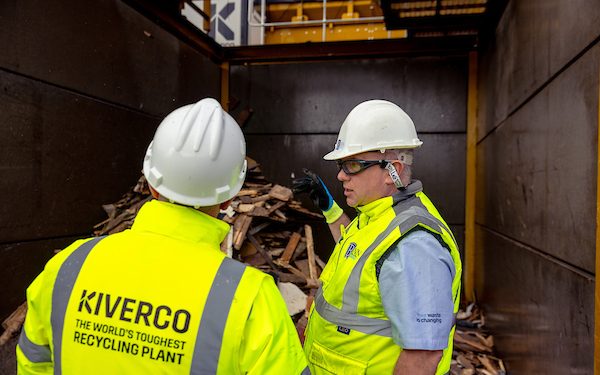
Kiverco, a global leader in recycling solutions, has completed the installation of a new recycling plant for Binn Group, a prominent waste management company in Scotland. This marks their fourth collaboration, reflecting a long-standing partnership built on trust and exceptional service. A third-generation family business and Kiverco customer for over 20 years, Binn Group shares a deep commitment to innovation and sustainability. Their trust in Kiverco was reinforced more than a decade ago when a fire at their site damaged the waste plant. Kiverco’s rapid response helped them get the plant up and running again very quickly and this level of support at a critical time for the business has forged strong lasting relationships. Binn Group’s latest investment supports both business growth and their drive to adopt greener energy solutions. The new facility, designed for construction and demolition (C&D) waste, will boost throughput, improve material purity, and advance their green energy initiative, which includes converting waste into energy. Sustainability is central to Kiverco’s approach. Their plants are built to ensure a longer useful life and retain their value over time. Binn Skips sold their previous Kiverco plant to another waste processor, recouping part of their investment. The 10+ year old system was decommissioned from the Glenfarg site and recommissioned with another waste company in Scotland. Marcus McAlinden, Kiverco Sales Manager, said:“We’re very happy with this project at Binn Group. It integrates advanced automation to increase throughput, adapt to changing waste streams, and future-proof operations. The inclusion of an optical sorter is a game-changer, removing wood as a waste stream transforms it from a disposal cost into a valuable fuel.” As Vice Chairman of the Resource Management Association Scotland, Allan MacGregor highlighted the significance of this project:“Kiverco has never let us down. Their service and support have been exceptional. This new facility gives us cleaner commodities, higher throughput, and the capacity to handle more waste in the future.” Stewart Smith, Director of Operations added; “It’s more robust and heavy-duty than the competitors we considered. Over the years Kiverco machinery has proven that it dependable and long lasting and that’s why we’ve remained loyal to Kiverco who have delivered all four of our plants over the lifetime of the business. The site combines waste-to-energy technology with four large wind turbines producing 9MW of electricity, creating a private grid for power generation and consumption. Kiverco understood the vision and came up with exceptional design to bring our vision to life. From the initial enquiry to installation, I couldn’t fault Kiverco. The installation was seamless. They went the extra mile.” Based in Dungannon, Northern Ireland, Kiverco designs and manufactures bespoke recycling plants, building long-term customer relationships and pioneering advancements in sustainable recycling technology. Building, Design & Construction Magazine | The Choice of Industry Professionals

Read More »
Newcastle United Football Club enhances fans’ experience with Stannah escalators

Newcastle United Football Club enhances fans’ experience with Stannah escalators

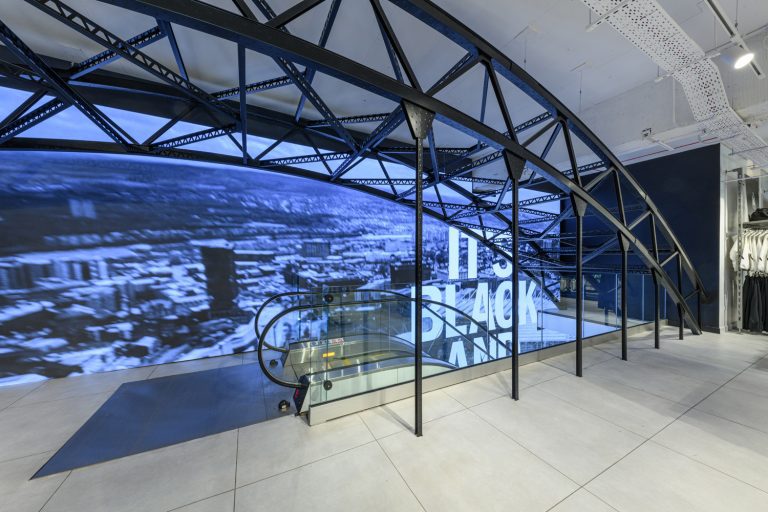
Newcastle United Football Club, a cherished home for generations of fans since 1892, has introduced two new escalators as part of a refurbishment of its on-site merchandising outlet. Through close collaboration with Newcastle United Football Club, the Stannah Major Projects team designed and delivered a bespoke escalator system, offering seamless transportation and significantly enhancing user experience. Open seven days a week, the club’s refurbishment plans aim to celebrate and preserve its rich history and heritage while showcasing its widest range of football kits and merchandise, introduced as part of its £30 million partnership with Adidas.  The works The project entailed a full refurbishment of the club’s shop following a £30m deal with Adidas as NUFC’s official kit supplier. This included removing the existing escalator, and designing and installing two new escalators to integrate with the updated layout. Stannah Lift Services worked alongside 442 Design, a leading interior design company, to ensure the new escalators would seamlessly integrate into the architectural framework. Together, they identified necessary structural changes, including adjustments to the pit area to address conflicts between the stadiums’ structural supports and the original layout. Stannah also carried out a detailed evaluation of the existing escalator and its surrounding infrastructure to find the best and safest removal solution. While the client liaised and initiated the removal with the demolition company, Stannah removed key components, such as the steps and drive unit, to facilitate easier manoeuvring of the escalator sections. The challenge The client set a tight budget and a strict timescale in order for the work to be completed in a timely manner and offer value to NUFC fans. To address this, Stannah provided detailed guidance on an escalator solution that met the building and shop layout requirements while balancing cost and efficiency. Stannah faced other challenges as logistics were disrupted due to conflicts impacting the Suez Canal, which made it unsafe and inaccessible for ships to pass through. As a result, logistic companies were forced to reroute deliveries around the Cape of Good Hope, causing significant delays in the delivery of materials. To mitigate further delays and to meet the store opening deadline, Stannah increased on-site labour resources to ensure the installation, commissioning and testing proceeded as planned. The integration of the new escalators also demanded technical precision to address structural modifications to ensure the installation aligned seamlessly with the architectural framework and complied with rigorous safety standards. Extensive testing was conducted by Stannah’s engineers to confirm the escalators’ safety and performance, ensuring they met the BS115 standard. Stannah provided comprehensive training on escalator operation, maintenance and safety to the building management team and store staff, providing all the skills and knowledge needed to manage and operate the systems efficiently. The escalator solution Stannah proposed the installation of two new A2C escalators to improve traffic flow between the ground and shop’s mezzanine levels, ensuring seamless access and greater convenience for users. With a high-quality design, the escalators’ design focused on minimising friction, vibration and noise, delivering a smooth and quiet ride capable of efficiently managing increased foot traffic during peak periods. To maximise energy efficiency and to provide flexibility on how the client would like to use the escalators, Stannah provided features such as stop-and-start technology and reduced speed operation so they can choose the correct operational philosophy to suit their current or future requirements. Star/delta bypass was also provided which provides redundancy in case of VVVF inverter failure. Stannah’s A2C escalator package is a reliable solution for commercial, retail, hotel and office environments. With a rise of 3.0 to 15.8 metres and speeds ranging from 0.5 to 0.75 metres per second, these escalators are finished with a glass balustrade and natural anodised aluminium handrail guide frames for a modern and durable design. Ryan Robson, Head of Projects, at Newcastle United Football Club, said: “The new escalators are a step forward to improving the efficiency of foot traffic around the NUFC. Stannah’s expertise and attention to detail throughout the process, from design to installation, were incredible. Their ability to deliver a solution tailored to our needs and manage challenges swiftly has been beneficial to the completion of this project.” John Metcalfe, Project Delivery Manager at Stannah Lifts, said: “This project was an exciting opportunity to showcase our expertise in delivering tailored escalator solutions that seamlessly integrate into unique architectural environments. By collaborating closely with the client, we were able to address their specific requirements for increased foot traffic, while incorporating energy-saving features like the VVVF drive system.” All of Stannah’s escalators are fully compliant with the latest British Standards, including BS5656 and BS115, and are equipped with the latest passenger safety features. Find out more information on escalators and moving walkways or contact Stannah for a range of lift products and services at www.stannahlifts.co.uk. Building, Design & Construction Magazine | The Choice of Industry Professionals

Read More »
Kiverco welcomes invest NI Chief Executive Kieran Donoghue to discuss ambitious growth strategy

Kiverco welcomes invest NI Chief Executive Kieran Donoghue to discuss ambitious growth strategy

Kiverco recently welcomed Invest Northern Ireland’s Chief Executive Kieran Donoghue to its headquarters, alongside Anne Beggs, Executive Director of International Business and Skills, Kate Gilmore, International Trade Adviser, and Denzil Morrow, Client Executive. The visit provided an opportunity to discuss and showcase Kiverco’s ambitious 10-year growth strategy, which includes digitalising its manufacturing processes and extending its global reach. In order to deliver this strategy Kiverco is investing in infrastructure, people and digital transformation, underpinned by a companywide focus on sustainability. In 2024, Kiverco expanded its manufacturing facility to 40,000 sq. ft, significantly increasing production capacity, enabling the company to meet forecast growth in market demand and positioning it for long-term scalability and success. In 2025 the whole manufacturing facility was fitted with solar panels, with support from Invest NI, as part of its journey to net zero. People are at the heart of Kiverco, and the company is committed to creating exciting opportunities to attract new talent and to facilitating the career development of existing employees through upskilling to meet future requirements. Invest NI support for training and new roles has been vital in helping Kiverco deliver this key part of its strategy. Kiverco’s digital transformation is focused equally on developing digital technology to enhance its product range as it is on adopting digital technology to improve efficiency and productivity throughout its operation. Collaborations with the Queen’s University Knowledge Transfer Partnerships (KTPs), the Advanced Manufacturing Innovation Centre (AMIC), the Smart Manufacturing Data Hub (SMDH) and most recently becoming the lead SME on an Invest NI supported digital Cluster Acceleration Programme, Smart Industry Next, ensure that Kiverco is benefitting as a company but also contributing to the wider Northern Ireland manufacturing innovation ecosystem. Kiverco’s Managing Director and Chair of the AMIC Industry Advisory Board, John Irwin commented: “Digitalising manufacturing and incorporating smart designs are at the core of our business growth strategy, helping us to compete globally with a sustainable focus. With over 400 plants worldwide, we play a key role in cleaning up the world’s waste, reducing environmental impact, and contributing to a cleaner, circular economy. Committed to innovation and expanding into new markets, our recent progress in the Middle East and Australia presents exciting opportunities. With enhanced production capabilities and digital advancements, we are poised for continued domestic and export market growth, thanks to our partnership with Invest NI.” Kieran Donoghue, Chief Executive of Invest NI, stated:“Invest NI has worked with Kiverco for more than 15 years, supporting it to accelerate innovation and skills, improve supply chain resilience, and export its products around the world. We are delighted to support Kiverco’s growth strategy as it invests in productivity and digitalisation. “Our in-market India, Middle East and Africa team has been instrumental in supporting Kiverco’s growth in the Middle East, introducing the company to major stakeholders, providing one to one business development support, events and inward visits. We are delighted to support Kiverco as it scales up and makes a significant impact on the global recycling industry.” Based in Dungannon, Northern Ireland, Kiverco is a trusted leader in the design and manufacture of recycling plant solutions. With a focus on building lasting customer relationships, the company delivers bespoke solutions tailored to specific client needs. Known for its commitment to environmental sustainability, Kiverco provides cutting-edge recycling equipment that contributes to a cleaner and more sustainable future. Building, Design & Construction Magazine | The Choice of Industry Professionals

Read More »
Enviro Waste Management strengthens focus on commercial waste with rebrand

Enviro Waste Management strengthens focus on commercial waste with rebrand

London-based commercial waste management provider, Enviro Waste Management, has embarked on a strategic rebrand to reinforce its commitment to enhancing operational efficiency while simultaneously reducing environmental impact. Moving away from its previous focus on domestic and construction waste, the company is now solely dedicated to serving businesses, positioning itself as a one-stop waste solution in commercial waste management. The revamped brand identity includes a modern yet user friendly website and refreshed tone of voice on all online channels of communication. Additionally, Enviro Waste Management will also undertake a phase by phase revamp of offline assets such as uniforms, trucks, sacks, and more. This shift also brings expanded service offerings, including bins and sacks collections introduced last year which includes overnight collection service. More than just collecting waste, the company ensures materials are repurposed when possible, properly sorted at its waste yard, and disposed of in the most sustainable way. Eli Kushmaro, CEO and Founder of Enviro Waste Management said: “Our core values have always been about helping businesses operate more efficiently while reducing their environmental footprint. While our brand is built on reliability and robust customer support, with this rebrand, we’re not only sharpening our focus on commercial waste but also expanding our service portfolio to truly become the ultimate partner for businesses.” The new logo embodies this transformation with a bold blue design and a distinct brown ‘I’ at its centre, symbolising the customer at the heart of the company’s operations. The deliberate shift away from the industry-standard green, Enviro Waste Management has adopted a bold brown and blue theme, brown symbolising warmth and reliability, while blue reinforces professionalism and trust. Building, Design & Construction Magazine | The Choice of Industry Professionals

Read More »
10 quick wins to improve sustainability on a construction site

10 quick wins to improve sustainability on a construction site

Sustainability on construction sites is a major talking point in the industry – and many businesses share a resolve to take measures that reduce carbon emissions and help protect the planet. However, it can also be a confusing and sometimes overwhelming space, especially for those just beginning the journey. Avril Coleman, Business Administration Director at SafeSite Facilities, a UK leader in site safety and security, outlines the ‘quick wins’ that can get you started. 1 Look for opportunities to encourage ‘circularity’ – including hiring instead of buying Circularity, a sustainable model which focuses on re-use and the elimination of waste, should be a key focus for businesses starting their sustainability journey. One solution for construction sites is to consider hiring equipment rather than buying it outright. This might apply to CCTV but also to safety barriers – in fact anything which is not required permanently. 2 Look for suppliers that offer buy-back on products For businesses that prefer to buy, choosing a supply partner that offers buy-back options when the products are no longer required is an alternative way to support circularity, Extending the lifecycle of products is particularly relevant to construction sites, because when a job is complete the temptation is to simply send unwanted products to landfill. At SafeSite Facilities, we offer to buy back products that are still intact, such as fence sets and barriers, to  extend the life cycle of these products. It’s something that suppliers in other industries could look at, too. Equipment that is bought back is either re-sold or sent to scrap metal experts who re-use it. Plastic materials often go back to the manufacturer to be re-used or turned into new products. It’s about extending the lifecycle of a product. 3 Choose recyclable products made from natural materials Products that are recyclable, or made from recycled material, create a circular economy. This might include aluminium, which is 100 per cent recyclable, steel, bamboo, wood and cork. Plastics, including plastic barriers, still have an important part to play in the market, too, but look out for plastics that are recyclable.  4 Make the switch to electric vehicles wherever possible Removing petrol and diesel vehicles from a company fleet is a long-term ambition for many businesses in the construction sector. There are still some significant challenges in this arena as we wait for technology to catch up. Electric delivery vehicles, for instance, remain a challenge because of range anxiety and inefficient charging stations. But switching to electric cars for executives and the sales team is more achievable in the short term. 5 Choose suppliers that calculate optimal routes for delivery drivers One way to reduce emissions in a petrol or diesel fleet is to work harder to reduce journey times. AI software is now available that can calculate route planning to deliver more efficient journeys. Upgrading vehicles, putting limiters on vehicles so they can’t go above a certain speed can also have an impact. That’s important because transport is such a huge contributor to the scope of any business’ carbon footprint. 6 Work with other businesses that hold recognised environmental and sustainability certification It’s always good to work with suppliers and partners who share your values, especially when it comes to sustainability. There are a range of environmental and sustainability certifications to look out for, including ISO 14001. This is a global standard that provides a framework for organisations to design and implement an Environmental Management System, created by the International Organization for Standardisation (ISO). 7 Go paperless Removing paper from your operation, and choosing suppliers who have done the same, is an important early step. Long gone are the days when deliveries required a pile of paperwork. Most transactions and documents can now be handled on a screen. There are plenty of software options available now which can facilitate this. 8 Train your team in sustainable practices For a business to be truly sustainable it needs buy-in from all its people. Everyone can play a part. The best way to create a culture of sustainability is to train your people and make reducing emissions part of everyday business. There’s no point in having environmental and sustainability policies if nobody in the company actions them. 9 Consider products that use solar power Reducing energy usage on site is a challenge, but solar power can help. CCTV cameras and lighting can now be powered effectively by solar panels, for instance, and technology is improving all the time. 10 Take measures on site that support and protect wildlife There’s more to sustainability than using less energy and reducing waste. Protecting wildlife should also be a consideration for construction sites, especially those in rural areas. SafeSite Facilities offers a range of newt and reptile wildlife fencing, designed for protected species mitigation projects and managing wildlife movement. These are perfect for applications such as construction sites, power stations, highways, rail networks, utility pipelines, and ecologically sensitive areas. They serve as an effective barrier to keep newts and other amphibians out of your site as well as conforming to the guidelines laid out in the Great Crested Newts Guidelines. There are even fences available to protect snakes. By embracing all ten of these tips, construction sites can make a positive start on the journey towards a more sustainable industry in which carbon emissions are reduced. About the author: Avril Coleman has worked at SafeSite Facilities for nearly a decade and is passionate about creating environments where people feel valued and empowered in the construction industry and beyond. As Business Administration Director, she leads on administrative functions and sustainability at SafeSite Facilities, which sells and hires non-mechanical safety and security products to construction sites, major highways projects, events and festivals nationwide. Avril was named one of the Top 100 Most Influential Women in Construction for 2024 as a Local Hero for the South East, by the National Federation of Builders, for her continued commitment to equality, diversity and inclusion within the construction industry in the UK. Building, Design &

Read More »
Henry Brothers completes Welfare Centre at Pirbright

Henry Brothers completes Welfare Centre at Pirbright

Henry Brothers has successfully completed the construction of an £11 million welfare hub at the Army Training Centre Pirbright in Surrey, England. The Soldiers’ Centre at Alexander Barracks brings existing retail and wellbeing services across the site into a single location, enhancing the training experience for recruits while modernising the facility. The building’s construction incorporates a Glulam structural frame and photovoltaic panels for on-site renewable energy generation and is expected to achieve an ‘Excellent’ rating under the Defence Related Environmental Assessment Methodology (DREAM). The investment was joint-funded by the British Army and the Army Central Fund (ACF) which provided a £7m grant – the single biggest donation ever made by the ACF. David Henry, Managing Director at Henry Brothers, said: “With extensive experience in the defence sector, Henry Brothers is delighted to have completed The Soldiers’ Centre – a facility that reflects our commitment to delivering exceptional builds for our clients. “In line with our sustainable values, The Soldiers’ Centre is fit for future purpose, built with eco-friendly construction methods that contribute to the Government’s commitment to Net Zero. “We are pleased to further build on our existing relationship with the Defence Infrastructure Organisation, helping it make a significant and positive contribution to the experience of recruits as they embark on their Army careers.” Measuring approximately 2000m2 over two storeys, The Soldiers’ Centre design was delivered by CPMG Architects and supports The Soldier Academy, which delivers the 13-week Basic Training course to every soldier. Chris White, Director at CPMG Architects, said: “The Soldiers’ Centre is a result of the excellent relationship between CPMG and Henry Brothers, as well as our combined experience in the UK defence industry. We’re proud to demonstrate that affordable sustainability is possible, without comprising on quality design and delivery. “It is a significant project, delivered from our London studio, and will undoubtedly be appreciated by the new Army recruits who can now access retail and wellbeing services under one roof.” Building, Design & Construction Magazine | The Choice of Industry Professionals

Read More »
Skyhook Helicopters Introduces the New H125 to Its Fleet

Skyhook Helicopters Introduces the New H125 to Its Fleet

TSL Contractors Ltd Utility’s aviation business,  Skyhook Helicopters, is proud to announce the arrival of its brand-new utility H125 aircraft, marking an exciting step forward in serving our market across the UK and Ireland. This addition enhances our operational capabilities, bringing greater efficiency, performance, and sustainability to our services. The H125 is renowned for its versatility and high performance, making it the ideal aircraft for demanding utility work. Whether supporting telecoms operations, renewable energy production and distribution, peatland restoration, forestry management or aerial surveys, the H125 offers unmatched reliability lifting capacity in its class. With its advanced technology and fuel efficiency, this aircraft significantly reduces our carbon footprint, aligning with our commitment to sustainability and responsible aviation. As a leader in the utility aviation sector, Skyhook Helicopters continues to invest in modern technology to provide the safest and most effective solutions for our clients. The H125’s superior payload capacity, agility, and safety features ensure that we continue to meet and exceed the expectations of industries that rely on aerial support. Managing Director Andy Knight said, “We look forward to deploying the H125 across a range of projects, demonstrating its capabilities and reinforcing Skyhook Helicopters’ position at the forefront of utility aviation in the UK and Ireland, this is an exciting time for our company, our clients, and the future of sustainable aviation”. Building, Design & Construction Magazine | The Choice of Industry Professionals

Read More »